
 IN
INundefined
Micrometers
14 products available
𝗪𝗵𝗮𝘁 𝗮𝗿𝗲 𝗠𝗶𝗰𝗿𝗼𝗺𝗲𝘁𝗲𝗿𝘀?
Micrometers are precision measuring instruments used to measure small distances or thicknesses. Typically, they consist of a calibrated screw and a measuring scale, allowing for accurate readings down to a few micrometers. The design of a micrometer enables users to measure internal and external dimensions as well as depths, making them versatile tools for various applications.
Micrometers are primarily utilized in manufacturing and engineering sectors where precise measurements are crucial. They are commonly used in quality control processes, assembly lines, and research laboratories. Industries such as automotive, aerospace, and electronics rely heavily on micrometers to ensure components meet stringent specifications, thereby enhancing product quality and performance.
In the current market, micrometers have become essential tools for businesses striving for precision in product manufacturing. With advancements in technology, digital micrometers are gaining popularity due to their ease of use and enhanced accuracy. The demand for high-quality micrometers continues to grow as industries focus on improving efficiency and reducing error rates in production processes.
𝗞𝗲𝘆 𝗙𝗲𝗮𝘁𝘂𝗿𝗲𝘀 𝗮𝗻𝗱 𝗦𝗽𝗲𝗰𝗶𝗳𝗶𝗰𝗮𝘁𝗶𝗼𝗻𝘀
Micrometers come equipped with several features that enhance their functionality and accuracy. Understanding these specifications is vital for selecting the right micrometer for specific applications.
Key specifications include:
1. Measurement Range
- Micrometers are available in various measurement ranges, typically from 0 to 25 mm or 0 to 1 inch for standard models.
- Specialty micrometers can measure larger dimensions, extending the range as needed.
2. Resolution
- The resolution of a micrometer indicates the smallest increment that can be measured.
- Standard micrometers offer resolutions of 0.01 mm or 0.001 inches, while digital models may provide even finer increments.
3. Accuracy
- Accuracy refers to how closely a measured value aligns with the true value.
- Most micrometers maintain an accuracy of ±0.002 mm, ensuring reliable measurements.
4. Material Construction
- Micrometers can be constructed from various materials, including hardened steel and stainless steel, providing durability.
- Some models feature protective coatings to resist corrosion and wear.
5. Type of Measurement
- Micrometers can be classified as external, internal, or depth micrometers, each serving different measurement needs.
- External micrometers measure outside dimensions, internal micrometers measure inside dimensions, and depth micrometers measure depth.
6. Display Type
- Micrometers may have analog or digital displays, with digital displays offering easier readability.
- Some digital models include features like automatic shut-off and data output capabilities.
7. Spindle Type
- The spindle type affects measurement precision and ease of use.
- Some micrometers feature ratchet stops to ensure consistent pressure during measurements.
8. Calibration
- Regular calibration is essential to maintain measurement accuracy.
- Many micrometer manufacturers provide calibration services or guidelines.
In summary, understanding these key specifications helps businesses choose the right micrometer for their specific measurement needs.
𝗖𝗼𝗺𝗺𝗼𝗻 𝗔𝗽𝗽𝗹𝗶𝗰𝗮𝘁𝗶𝗼𝗻𝘀 𝗮𝗻𝗱 𝗨𝘀𝗲 𝗖𝗮𝘀𝗲𝘀
Micrometers serve a wide range of industries, providing precise measurements essential for quality control and production.
1. Automotive: In the automotive industry, micrometers are used to measure engine components, ensuring that parts fit together correctly and function optimally.
2. Aerospace: Aerospace manufacturers utilize micrometers for measuring critical components such as wing structures and engine parts, where precision is paramount for safety and performance.
3. Electronics: In electronics, micrometers are employed to measure the thickness of circuit boards and other components, ensuring they meet strict tolerances.
4. Metalworking: Machinists rely on micrometers to achieve precise measurements of machined parts, which is vital for maintaining quality throughout the fabrication process.
5. Medical Devices: The medical device industry uses micrometers to ensure that instruments and implants are manufactured to exact specifications, crucial for patient safety.
6. Research and Development: In R&D laboratories, micrometers are essential for experiments that require precise measurements of small samples or components.
7. Manufacturing: General manufacturing processes utilize micrometers to maintain dimensional accuracy in a variety of products, from consumer goods to industrial equipment.
𝗣𝗿𝗼𝗱𝘂𝗰𝘁 𝗩𝗮𝗿𝗶𝗮𝗻𝘁𝘀 𝗮𝗻𝗱 𝗦𝘂𝗯𝗰𝗮𝘁𝗲𝗴𝗼𝗿𝗶𝗲𝘀
Micrometers come in various types, each designed for specific measurement tasks.
External Micrometers
External micrometers are the most common type, used to measure the outside dimensions of objects with high precision. They are ideal for applications in manufacturing and machining.
Internal Micrometers
Internal micrometers are designed to measure the internal dimensions of holes and tubes. They come equipped with interchangeable anvils to accommodate different sizes.
Depth Micrometers
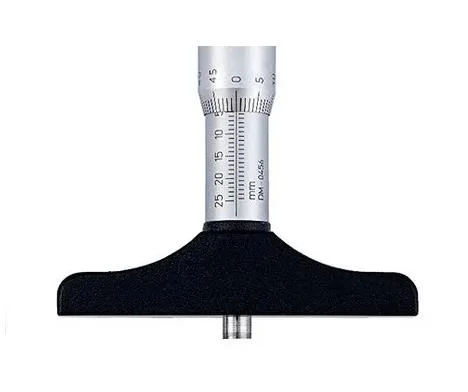
Depth micrometers measure the depth of holes, slots, or recesses. They feature a long measuring rod to reach into various depths accurately.
Digital Micrometers
Digital micrometers provide easy-to-read displays and often include features for data recording. They are favored in modern manufacturing environments for their convenience and precision.
Analog Micrometers
Analog micrometers utilize a traditional scale and a rotating thimble for measurement. They are preferred by some users for their simplicity and reliability.
𝗕𝗲𝗻𝗲𝗳𝗶𝘁𝘀 𝗮𝗻𝗱 𝗔𝗱𝘃𝗮𝗻𝘁𝗮𝗴𝗲𝘀
Micrometers offer several key benefits that make them indispensable in precision measurement applications.
1. High Precision: Micrometers provide accurate measurements down to micrometer levels, ensuring high-quality standards in manufacturing.
2. Versatility: With various types available, micrometers can measure different dimensions, making them useful across multiple industries.
3. Robust Construction: Many micrometers are made from durable materials, ensuring longevity and reliable performance in tough environments.
4. Ease of Use: Digital micrometers, in particular, are designed for user-friendly operation, allowing for quick and straightforward measurements.
5. Calibration Capability: Micrometers can be calibrated to maintain accuracy, making them a dependable tool for quality control.
6. Cost-Effectiveness: Investing in a good micrometer can save costs in the long run by reducing errors and improving production efficiency.
𝗕𝘂𝘆𝗶𝗻𝗴 𝗚𝘂𝗶𝗱𝗲 𝗳𝗼𝗿 𝗕𝟮𝗕 𝗕𝘂𝘆𝗲𝗿𝘀
When sourcing micrometers, several factors should be considered to ensure the right choice for your business needs.
1. Quality Assessment: Look for micrometers that adhere to industry standards and quality certifications. Consider suppliers that provide detailed specifications and testing data.
2. Supplier Verification: Vet potential suppliers by checking their reputation, customer reviews, and certifications. A reliable supplier will offer consistent quality and support.
3. Pricing and MOQ: Evaluate pricing structures and minimum order quantities to find a balance between cost and the volume of tools needed for your operations.
4. Delivery and Lead Times: Assess the delivery options and lead times offered by suppliers. Timely delivery is critical for maintaining production schedules.
5. Compliance Requirements: Ensure that the micrometers meet any necessary regulatory and compliance standards relevant to your industry.
𝗖𝗼𝗺𝗽𝗹𝗶𝗮𝗻𝗰𝗲 𝗮𝗻𝗱 𝗖𝗲𝗿𝘁𝗶𝗳𝗶𝗰𝗮𝘁𝗶𝗼𝗻𝘀
Compliance and certification are essential aspects of micrometers, ensuring that they meet industry standards and regulations.
Micrometers often adhere to quality standards such as ISO 9001, which ensures that the manufacturing process maintains high-quality control. Certifications like CE indicate that the product meets European safety, health, and environmental protection standards.
Safety and testing requirements are also crucial, particularly in industries such as medical and aerospace, where precision is critical. Manufacturers must perform rigorous testing to validate the accuracy and reliability of their micrometers.
Regional compliance considerations may vary, so it is essential for businesses to verify that their micrometers conform to local regulations and standards applicable to their specific industry.
𝗪𝗵𝘆 𝗦𝗼𝘂𝗿𝗰𝗲 𝗠𝗶𝗰𝗿𝗼𝗺𝗲𝘁𝗲𝗿𝘀 𝗳𝗿𝗼𝗺 𝗣𝗲𝗽𝗮𝗴𝗼𝗿𝗮?
Pepagora provides a trusted platform for sourcing micrometers, offering several key advantages to B2B buyers.
Verified Supplier Network: Pepagora features a robust network of verified suppliers who meet strict quality standards. This network ensures that buyers can find reliable sources for high-quality micrometers.
Streamlined RFQ Process: The request for quotation process on Pepagora is straightforward, allowing buyers to quickly compare prices and specifications from multiple suppliers. This efficiency saves time and facilitates better decision-making.
Trade Assurance and Support: Buyers benefit from trade assurance programs that protect their purchases. Pepagora offers support to resolve any issues that may arise during the sourcing process.
Regional Coverage: With a strong presence in India, the Gulf Cooperation Council (GCC), and Southeast Asia, Pepagora ensures that buyers have access to a wide range of suppliers and products, catering to diverse market needs.
In conclusion, sourcing micrometers from Pepagora enables businesses to enhance their precision measurement capabilities while benefiting from a reliable and efficient procurement process.
Newly Added





Recently Added
Ashwani Brothers
Scientific Physics Instruments for Laboratory Research and Education
Educational Lab Fly Wheel Apparatus With Cast Iron Wheel And Steel Spindle
Educational Physics Newton Colour Disc With Metal Stand And Driving Wheel
E Tek Automation
Industrial Automation Microcontroller Base With Wireless Modbus Multi Tasking
Industrial Automation Solutions For Manufacturing And Construction
Industrial Weighing Indicator With 4 20mA RS 485 Outputs IP65 Protection
Askib Engineers Private Limited
Industrial Brinell Microscope 25X Magnification 0.01mm LC NABL Certified
NABL Certified Rubber Bellows for Hardness Testers 8 Inch 12 Inch
NABL Certified Steel Ball Indentors For Rockwell Brinell Hardness Testers
Asadeep Handloom Fabrics
Industrial Automation Solution Ajanta 5 For Precision And Durability
Premium Alpha 11 Polyester Fabric: Stain Resistant, Durable, Versatile
Premium Chair Fabrics For Buyers In Diverse Patterns And Textures
B. E. P. Edu World
Child CPR Training Manikin with Light Indicators for Medical Education
Nurse Basic Practice Teaching Model BEP 405 5 Part Anatomical Training Tool
CPR Training Manikin with Electronic Monitoring Meets AHA Standards
Ashoka Enterprises
Industrial Brackets For Construction And Manufacturing Applications
Industrial Zinc Electroplated Clamps For Corrosion Resistance And Durability
Rotomatic Zinc Plant Jigs For Automotive Industrial Manufacturing
Balaji Engineering Company
Industrial Fixed Milling Vise Precision Durable Workholding
Industrial 58 Piece Clamping Kit For Machining Welding Assembly
Heavy Duty Automotive Pull Action U Bar Arm for Steering and Suspension
Zuyuf Hardware Stores
Industrial Plastic Pallets Heavy Duty 45000kg Static Load Logistics
Industrial Logistics Durable Pallets High Load Capacity Long Lifecycle
Industrial High Tensile Bolts And Nuts Grades 8.8 10.9 12.9
Blossom International
Natural Skincare Lotions With Aloe Vera And Neem
Premium Red Chillies For Food Manufacturing And Hospitality
Spice Powders For Food Manufacturers Bulk Supply Quality
Accrete Automation
Industrial Pressure Transmitters High Accuracy For Automation Processes
Atek Digital Readout Systems High Precision Lathe Milling Machine Encoders
Industrial Automation Wire Encoders For Linear Position Measurement
Why Businesses Trust Pepagora
Thousands of companies trust Pepagora to source smarter and sell faster
Expand Your Sales Globally
25000+Products listed.Get discovered by global buyers
Tools to boost visibility
Build your own catalog

Source Smarter,Grow Faster
4000+Active RFQs
100+ Countries served
Easy Sourcing Tools
