
 IN
INundefined
Metal Wires & Mesh
33 products available
𝗪𝗵𝗮𝘁 𝗮𝗿𝗲 𝗠𝗲𝘁𝗮𝗹 𝗪𝗶𝗿𝗲𝘀 & 𝗠𝗲𝘀𝗵?
Metal wires and mesh are versatile industrial materials made from various metals, including stainless steel, aluminum, and copper. These products are characterized by their ability to be drawn into thin strands or woven into a mesh pattern, making them suitable for a wide range of applications. Metal wires can be used in both structural and decorative capacities, while metal mesh serves primarily as filtration, screening, and reinforcement material.
The primary uses of metal wires and mesh span numerous industries, including construction, automotive, aerospace, and manufacturing. In construction, they are often used for reinforcing concrete or as safety barriers. In the automotive and aerospace sectors, metal wires are crucial for electrical connections and structural components. Their durability and strength make them essential in applications that require reliable performance and longevity.
The relevance of metal wires and mesh in today’s market cannot be overstated. As industries increasingly prioritize strength, durability, and safety, the demand for high-quality metal products continues to grow. With advancements in manufacturing technologies, businesses are also able to customize these materials to meet specific needs, enhancing their functionality across various applications.
𝗞𝗲𝘆 𝗙𝗲𝗮𝘁𝘂𝗿𝗲𝘀 𝗮𝗻𝗱 𝗦𝗽𝗲𝗰𝗶𝗳𝗶𝗰𝗮𝘁𝗶𝗼𝗻𝘀
Metal wires and mesh come with various features that cater to different industrial requirements. Understanding these specifications is essential for making informed purchasing decisions.
Key specifications include:
1. Material Composition
- Available in stainless steel, aluminum, copper, and other alloys
- Each material offers different properties in terms of strength, corrosion resistance, and conductivity
2. Wire Diameter
- Range of diameters from very thin (0.1 mm) to thicker options (up to several millimeters)
- Thinner wires are ideal for delicate applications, while thicker wires provide more strength
3. Mesh Aperture Size
- Different mesh sizes available, typically from 1 mm to 50 mm
- Smaller apertures are used for filtration, while larger ones serve as barriers
4. Tensile Strength
- Varies based on material and thickness, usually measured in megapascals (MPa)
- Essential for applications requiring load-bearing capabilities
5. Corrosion Resistance
- Varies by material, with stainless steel offering higher resistance compared to carbon steel
- Important for applications in harsh environments
6. Finish Options
- Available finishes include galvanized, polished, or coated
- Finish affects appearance and performance characteristics like corrosion resistance
7. Customization Options
- Many manufacturers offer custom specifications to meet specific client needs
- Options may include different lengths, shapes, and coatings
8. Compliance Standards
- Must meet international standards such as CE marking for safety and quality assurance
- Compliance ensures reliability across applications
Metal wires and mesh play a critical role in various industrial applications, making it essential for buyers to understand the features and specifications that best suit their needs.
𝗖𝗼𝗺𝗺𝗼𝗻 𝗔𝗽𝗽𝗹𝗶𝗰𝗮𝘁𝗶𝗼𝗻𝘀 𝗮𝗻𝗱 𝗨𝘀𝗲 𝗖𝗮𝘀𝗲𝘀
Metal wires and mesh are utilized in a diverse range of industries, showcasing their versatility and importance.
1. Construction: Metal mesh is often used for reinforcing concrete or as fencing. Wires are essential for structural supports and electrical connections.
2. Automotive: Wires are crucial in electrical systems and for manufacturing components like springs and cables, ensuring vehicle functionality and safety.
3. Aerospace: Metal mesh is employed in filtration systems and as part of structural components. Wires are used for electrical harnesses and other critical applications.
4. Manufacturing: These materials are used for creating jigs, fixtures, and other tools that enhance production efficiency and safety.
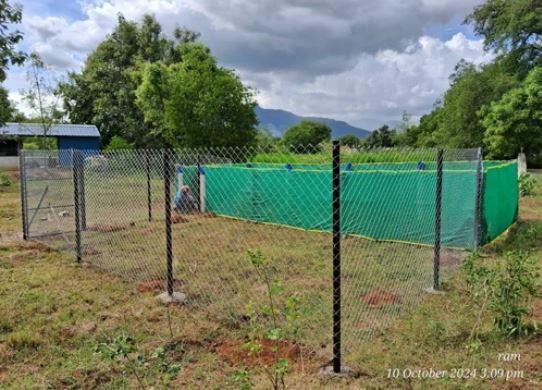
5. Agriculture: Metal mesh is utilized for fencing and as screens in irrigation systems, providing durability against environmental factors.
6. Mining: Wires and mesh serve as safety barriers and reinforcement in mines, ensuring worker safety and equipment stability.
7. Food Processing: Metal mesh is employed in filters and screens, ensuring the cleanliness and safety of processed food products.
𝗣𝗿𝗼𝗱𝘂𝗰𝘁 𝗩𝗮𝗿𝗶𝗮𝗻𝘁𝘀 𝗮𝗻𝗱 𝗦𝘂𝗯𝗰𝗮𝘁𝗲𝗴𝗼𝗿𝗶𝗲𝘀
Metal wires and mesh come in various forms, each tailored to specific applications and industry needs.
Woven Wire Mesh
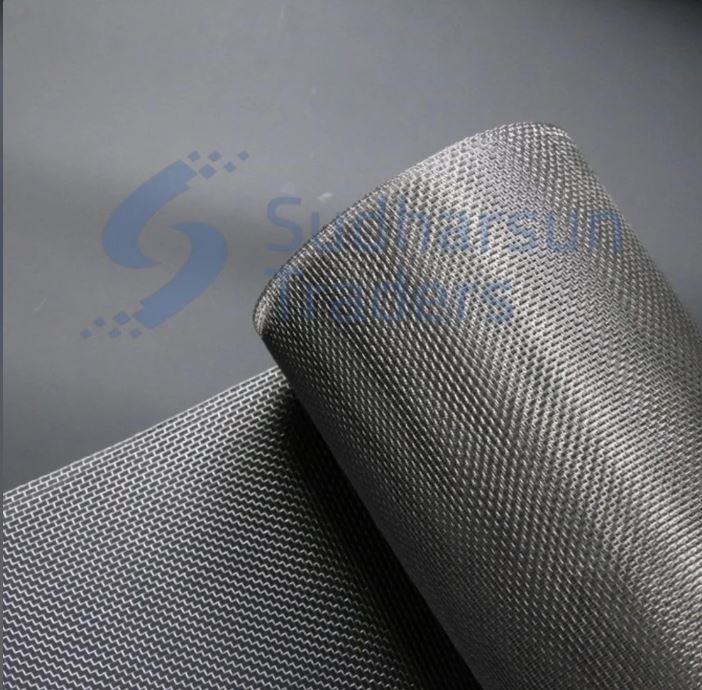
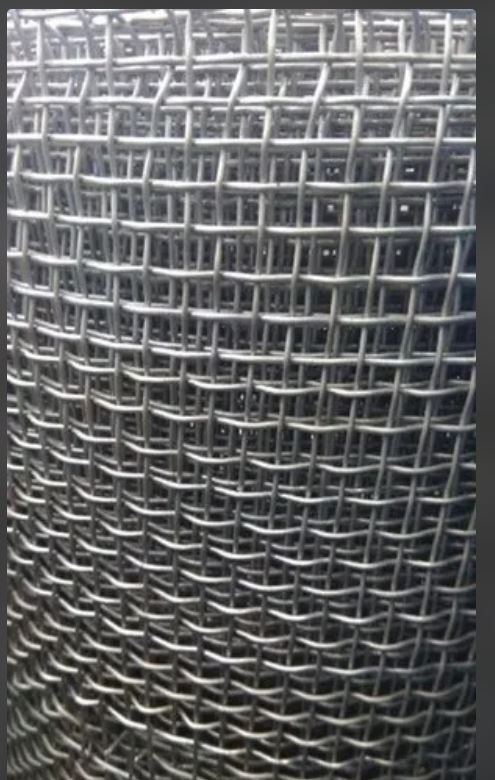
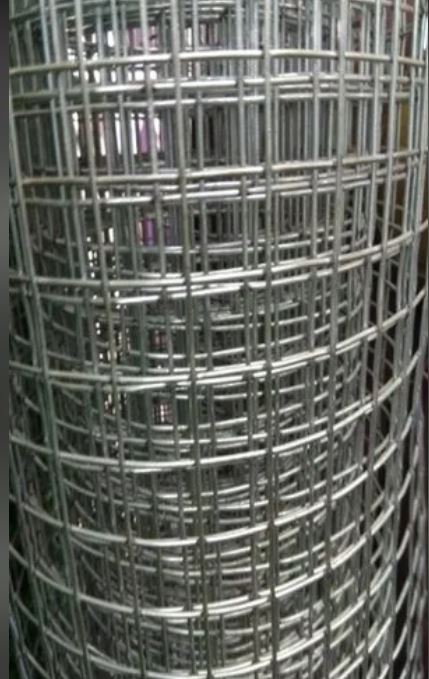
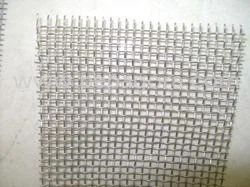
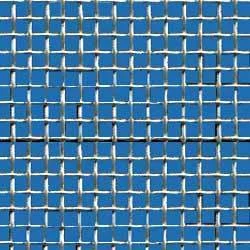
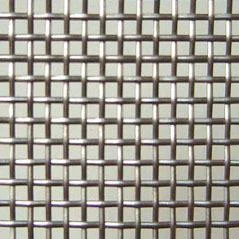
Woven wire mesh consists of interlaced wires that create a grid-like pattern. It is used in filtration, sieving, and as protective barriers. This type of mesh is known for its strength and versatility.
Expanded Metal Mesh
Expanded metal mesh is created by cutting and stretching a metal sheet, resulting in a lightweight yet strong structure. It is commonly used in architectural applications, walkways, and as safety grating.
Wire Rope
Wire rope is made from multiple strands of wire twisted together, providing high tensile strength. It is widely used in lifting applications, construction, and marine environments.
𝗕𝗲𝗻𝗲𝗳𝗶𝘁𝘀 𝗮𝗻𝗱 𝗔𝗱𝘃𝗮𝗻𝘁𝗮𝗴𝗲𝘀
Sourcing metal wires and mesh offers a host of benefits that enhance operational efficiency and safety.
1. Durability: Metal wires and mesh are designed to withstand harsh environments, making them reliable for long-term use.
2. Versatility: These materials can be customized for various applications, ensuring they meet specific industrial requirements.
3. Strength: High tensile strength allows these products to support heavy loads, essential for construction and manufacturing.
4. Corrosion Resistance: Options like stainless steel provide excellent resistance to rust and corrosion, ideal for outdoor and industrial settings.
5. Cost-Effectiveness: Durable materials reduce the need for frequent replacements, leading to lower overall costs.
6. Safety Compliance: Many products meet international safety standards, ensuring they are safe for use in critical applications.
𝗕𝘂𝘆𝗶𝗻𝗴 𝗚𝘂𝗶𝗱𝗲 𝗳𝗼𝗿 𝗕𝟮𝗕 𝗕𝘂𝘆𝗲𝗿𝘀
When sourcing metal wires and mesh, several factors must be considered to ensure the best product selection and supplier partnership.
1. Quality Assessment: Evaluate the material quality and manufacturing processes. Look for certifications that indicate compliance with industry standards.
2. Supplier Verification: It is crucial to vet suppliers for reliability and reputation. Request references and review their history of delivering quality products.
3. Pricing and MOQ: Understand the pricing structure and minimum order quantities. Compare different suppliers to ensure competitive pricing without compromising quality.
4. Delivery and Lead Times: Discuss logistics and shipping options with suppliers. Ensure they can meet your delivery timelines to avoid production delays.
5. Compliance Requirements: Familiarize yourself with any regulatory standards applicable to your industry. Ensure that your chosen products comply with these requirements.
𝗖𝗼𝗺𝗽𝗹𝗶𝗮𝗻𝗰𝗲 𝗮𝗻𝗱 𝗖𝗲𝗿𝘁𝗶𝗳𝗶𝗰𝗮𝘁𝗶𝗼𝗻𝘀
Compliance and certifications are critical in ensuring the quality and safety of metal wires and mesh. Products should adhere to relevant quality standards such as ISO 9001, which outlines requirements for a quality management system. This standard helps organizations ensure they consistently meet customer and regulatory requirements.
Industry certifications like CE marking indicate that the products meet European safety, health, and environmental protection requirements. This certification is crucial for businesses operating in regions that mandate compliance with such standards.
Safety and testing requirements should also be a priority, particularly for products used in critical applications. Regular testing for strength, corrosion resistance, and reliability ensures that the materials perform as expected. Additionally, understanding regional compliance considerations is important, especially for international businesses that must navigate different regulatory landscapes.
𝗪𝗵𝘆 𝗦𝗼𝘂𝗿𝗰𝗲 𝗠𝗲𝘁𝗮𝗹 𝗪𝗶𝗿𝗲𝘀 & 𝗠𝗲𝘀𝗵 𝗳𝗿𝗼𝗺 𝗣𝗲𝗽𝗮𝗴𝗼𝗿𝗮?
Pepagora stands out as a trusted platform for sourcing metal wires and mesh, providing several key advantages that simplify the purchasing process.
Verified Supplier Network: Pepagora offers access to a network of verified suppliers, ensuring that buyers can source high-quality materials with confidence. Each supplier undergoes a rigorous vetting process to uphold quality standards.
Streamlined RFQ Process: The platform features an efficient Request for Quotation (RFQ) system, allowing buyers to easily request quotes from multiple suppliers. This system simplifies the comparison of prices and specifications, making it easier to find the best fit for specific needs.
Trade Assurance and Support: Pepagora provides trade assurance, protecting buyers throughout the transaction process. This support includes assistance with disputes and ensuring that the products meet agreed-upon specifications.
Regional Coverage: With a strong presence in India, the GCC, and Southeast Asia, Pepagora offers extensive regional coverage. This geographic reach allows businesses to connect with local suppliers, facilitating faster delivery and better service.
Newly Added


Recently Added
Kalpatech Engineers
Premium Horizontal Continuous Casting Plant For Alloy Steel Production
Semi Continuous Casting Machine 3 4 MT/Hr Motion Control Servo Drive
Automotive Wiper Stainless Steel Wires Shapes Precision Durable OEM
CALCUTTA WIRE NETTING COMPANY
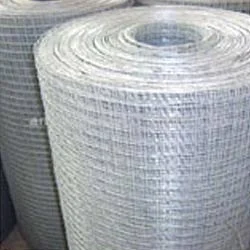
Galvanized Chicken Wire Mesh For Fencing And Construction
Industrial Stainless Steel Hexagonal Wire Mesh For Fencing And Reinforcement
Architectural Stainless Steel Decorated Wire Mesh For Facades Partitions
Oswal Weldmesh Pvt Ltd
Industrial MS Welded Mesh Mild Steel Plain Weave Corrosion Resistance
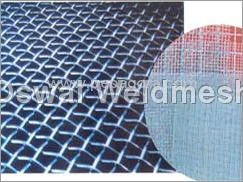
Industrial Wire Mesh Plain Weave Standard Sheets Rolls Oswal Brand
Oswal Galvanized Wire Mesh For Industrial Screening And Sieving
Indian Engi-Fab Corporation
Industrial Steel Crimped Wiremesh Welded Mesh Plain Weave Perforated
Industrial Metal Wire Mesh Perforated Plain Weave for Filtration & Security
Dovex Steel Woven Wire Mesh Perforated Plain Weave Industrial
Arvind Steel & Hardware
Industrial Galvanized Corrugated Sheets For Roofing And Cladding
Industrial Construction Galvanized Color Coated Steel Sheets
Industrial Galvalume Profile Sheets For Roofing And Cladding
Ashwini Enterprises
Precision Multimill Screens For Particle Size Control 0.5 25mm
Industrial Clit Mill Screens 0.5mm 25mm Perforations For Food Pharma Chemical
Industrial Silicon Sifter Sieve Z Type 12 45 Inch Food Grade
Hmb Engineering
Industrial Wire Mesh For Sieving And Screening In Stainless Steel
Industrial Filter Screens And Cloths For Solid Liquid Separation
Industrial Stainless Steel Square Mesh Wire Cloth For Filtration
Calcutta Wire Netting Co .pvt
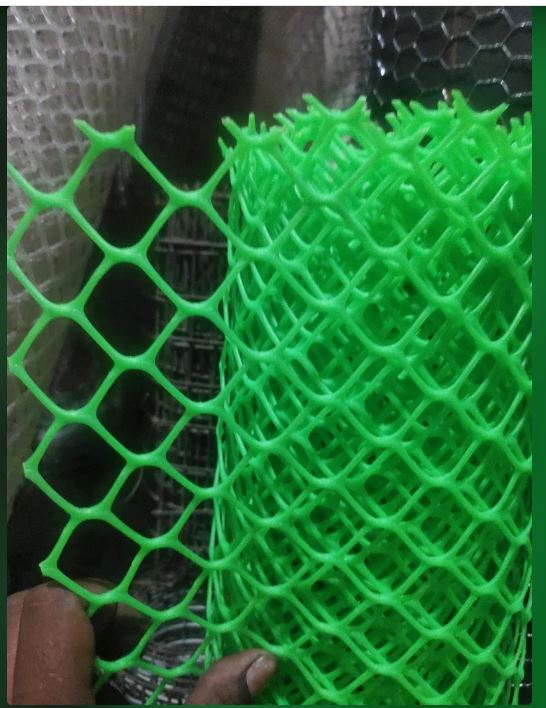
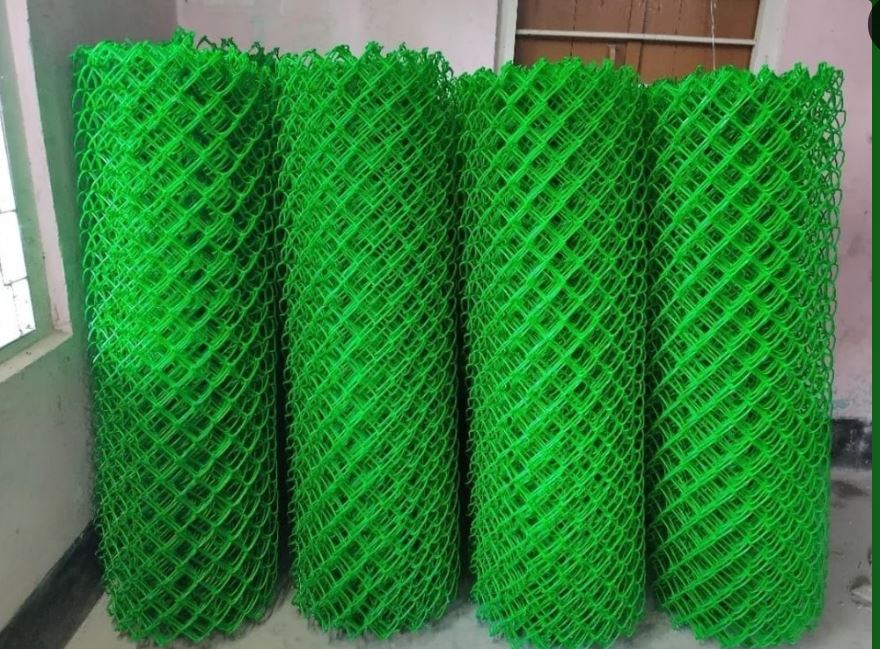
Industrial PVC Mesh Waterproof Fire Resistant Green Black 4Ft 2Mtr
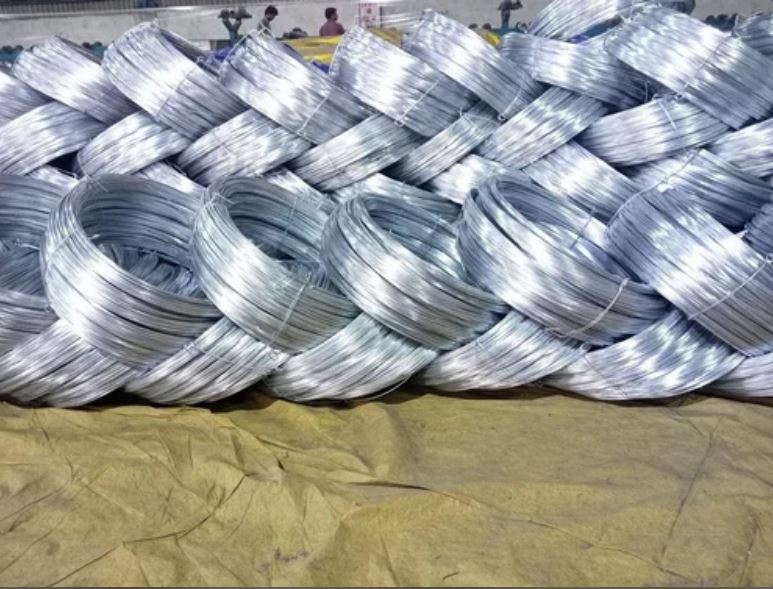
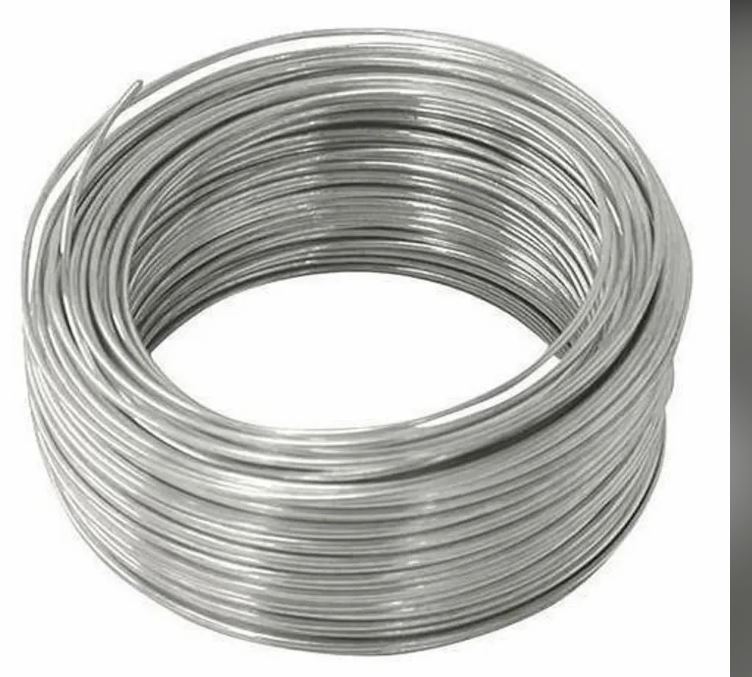
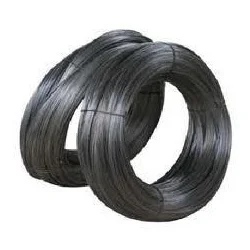
Industrial Galvanized Stainless Steel Wire 0.020 0.499 Gauge Corrosion Resistant
Expanded Metal Mesh Diamond Galvanized Stainless Steel 2.5m Width
A To Z Spring Center
Industrial Thermocouple Wire Metal Standard New In Stock
Industrial OEM Zinc Steel Cold Rolled Galvanized Spring Steel Sheet
Industrial Wire Form Springs For Compression And Extension Applications
Dhruva Associates
Industrial Aluminum Sheets Premium Strength Corrosion Resistant
Industrial Aluminium Sheets And Plates For Construction Automotive Aerospace
Industrial Aluminum Perforated Sheets For Filtration And Ventilation
Why Businesses Trust Pepagora
Thousands of companies trust Pepagora to source smarter and sell faster
Expand Your Sales Globally
25000+Products listed.Get discovered by global buyers
Tools to boost visibility
Build your own catalog

Source Smarter,Grow Faster
4000+Active RFQs
100+ Countries served
Easy Sourcing Tools
