
 IN
INundefined
Metal Rods (MS, SS, Copper, Aluminum)
44 products available
What are Metal Rods (MS, SS, Copper, Aluminum)?
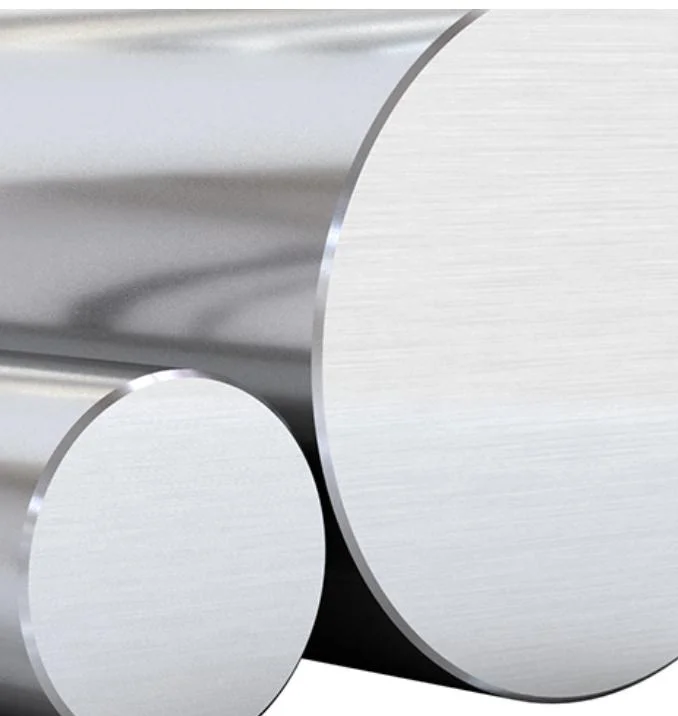
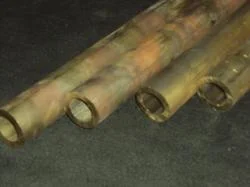
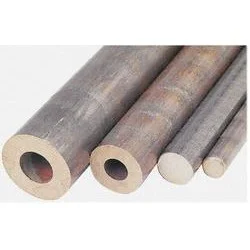
Metal rods are solid, cylindrical pieces of metal used across various industries for construction, manufacturing, and engineering applications. These rods come in multiple materials, including mild steel (MS), stainless steel (SS), copper, and aluminum. Each type of metal rod has unique properties, making them suitable for different applications. For instance, stainless steel rods are known for their corrosion resistance, while copper rods offer excellent electrical conductivity.
The primary uses of metal rods include structural support, mechanical components, and electrical applications. Businesses utilize them in industries such as construction, automotive, aerospace, and electrical engineering. Additionally, these rods can be machined or formed into various shapes, enhancing their versatility. The demand for metal rods is closely tied to market trends in construction and manufacturing, making them a critical product for suppliers and manufacturers.
𝗞𝗲𝘆 𝗙𝗲𝗮𝘁𝘂𝗿𝗲𝘀 𝗮𝗻𝗱 𝗦𝗽𝗲𝗰𝗶𝗳𝗶𝗰𝗮𝘁𝗶𝗼𝗻𝘀
Metal rods are characterized by several key features that define their usage and performance in industrial applications. Understanding these specifications helps buyers choose the right type for their needs.
Key specifications include:
1. Material Type
- Types include mild steel, stainless steel, copper, and aluminum.
- Each material has distinct properties such as strength, corrosion resistance, and conductivity.
2. Diameter
- Common diameter ranges vary based on application, typically from 3 mm to 50 mm or more.
- The diameter affects the rod's strength and suitability for specific uses.
3. Length
- Standard lengths often range from 1 meter to 6 meters.
- Custom lengths may be available based on project requirements.
4. Weight
- Weight is influenced by material type and dimensions.
- Calculating weight is essential for transportation and handling considerations.
5. Finish
- Available finishes include polished, galvanized, and anodized.
- The finish can impact corrosion resistance and aesthetic appeal.
6. Tensile Strength
- Tensile strength values differ by material, affecting load-bearing capacity.
- Typical ranges include 250 MPa for mild steel to over 800 MPa for stainless steel.
7. Certification
- Products often come with industry certifications like CE to ensure quality.
- Compliance with regulations can influence market acceptance.
8. Availability
- Availability can vary based on supplier inventory and market conditions.
- Understanding lead times and minimum order quantities is critical for procurement.
In summary, metal rods are defined by their material properties, dimensions, and finishes, which should be carefully considered during selection.
𝗖𝗼𝗺𝗺𝗼𝗻 𝗔𝗽𝗽𝗹𝗶𝗰𝗮𝘁𝗶𝗼𝗻𝘀 𝗮𝗻𝗱 𝗨𝘀𝗲 𝗖𝗮𝘀𝗲𝘀
Metal rods are utilized in a variety of industries, each with specific applications that leverage their unique properties.
1. Construction: Metal rods serve as reinforcement in concrete structures, providing strength and stability. They are also used in scaffolding and framework.
2. Automotive: In the automotive industry, metal rods are used for manufacturing components such as axles, shafts, and suspension parts, where strength and durability are essential.
3. Aerospace: Aerospace applications require precision-engineered metal rods for structural elements in aircraft and spacecraft. Their lightweight properties and strength are crucial in this sector.
4. Electrical Engineering: Copper rods are commonly used in electrical applications due to their excellent conductivity. They are used in wiring, connectors, and grounding systems.
5. Manufacturing: In the manufacturing sector, metal rods are used in machinery and tools, serving as shafts, pins, and other critical components.
6. Marine Industry: Stainless steel rods are popular in marine applications due to their corrosion resistance, making them ideal for boat fittings and hardware.
7. Furniture: Metal rods are often incorporated into furniture design, providing structural support for tables, chairs, and shelves.
𝗣𝗿𝗼𝗱𝘂𝗰𝘁 𝗩𝗮𝗿𝗶𝗮𝗻𝘁𝘀 𝗮𝗻𝗱 𝗦𝘂𝗯𝗰𝗮𝘁𝗲𝗴𝗼𝗿𝗶𝗲𝘀
Metal rods come in various forms, each tailored to specific applications and industry requirements. This diversity allows for flexibility in usage.
Mild Steel Rods
Mild steel rods are widely used in construction and manufacturing due to their cost-effectiveness and strength. They are often used for structural support and in the fabrication of various components.
Stainless Steel Rods
Stainless steel rods are favored for their corrosion resistance and aesthetic appeal. They are commonly used in applications requiring hygiene, such as food processing and medical equipment.
Copper Rods
Copper rods are essential in electrical applications because of their high conductivity. They are used in wiring, electrical components, and in the production of copper alloys.
Aluminum Rods
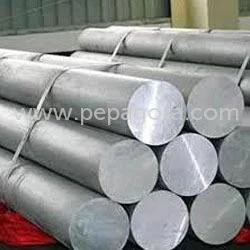
Aluminum rods are lightweight and corrosion-resistant, making them ideal for applications in the automotive and aerospace industries. They are also used in manufacturing parts that require lower weight without compromising strength.
𝗕𝗲𝗻𝗲𝗳𝗶𝘁𝘀 𝗮𝗻𝗱 𝗔𝗱𝘃𝗮𝗻𝘁𝗮𝗴𝗲𝘀
Choosing metal rods offers several advantages that enhance operational efficiency and product quality.
1. Durability: Metal rods are designed to withstand harsh environments, making them long-lasting and reliable in various applications.
2. Versatility: Available in multiple materials and sizes, metal rods can be used in diverse applications across different industries.
3. Strength: High tensile strength provides structural integrity, essential for construction and manufacturing uses.
4. Corrosion Resistance: Materials like stainless steel and aluminum offer resistance to corrosion, extending the life of products in adverse conditions.
5. Cost-Effectiveness: Mild steel rods provide an economical option without sacrificing performance, appealing to budget-conscious projects.
6. Customization: Many suppliers offer customization options, allowing businesses to obtain rods tailored to their specific requirements.
𝗕𝘂𝘆𝗶𝗻𝗴 𝗚𝘂𝗶𝗱𝗲 𝗳𝗼𝗿 𝗕𝟮𝗕 𝗕𝘂𝘆𝗲𝗿𝘀
When sourcing metal rods, B2B buyers should consider various factors to ensure they make informed purchasing decisions.
1. Quality Assessment: Evaluate the quality of metal rods by reviewing material certifications and conducting tests if necessary. Ensure they meet industry standards.
2. Supplier Verification: Vet suppliers by checking their reputation, reviews, and compliance with relevant regulations. A verified supplier can provide reliable and consistent products.
3. Pricing and MOQ: Understand the pricing structure and minimum order quantities. Compare quotes from multiple suppliers to ensure competitive pricing.
4. Delivery and Lead Times: Assess logistics and delivery timelines to align with project schedules. Confirm lead times with suppliers to avoid delays.
5. Compliance Requirements: Ensure that the rods comply with industry regulations and standards, such as CE certification, to avoid legal issues.
𝗖𝗼𝗺𝗽𝗹𝗶𝗮𝗻𝗰𝗲 𝗮𝗻𝗱 𝗖𝗲𝗿𝘁𝗶𝗳𝗶𝗰𝗮𝘁𝗶𝗼𝗻𝘀
Compliance with industry standards and certifications is paramount for metal rods. Relevant quality standards like ISO 9001 ensure that products meet international quality management requirements. Certifications such as CE indicate that the products adhere to European safety and performance standards.
Additionally, safety and testing requirements must be followed to guarantee the reliability of metal rods in critical applications. Buyers should also consider regional compliance, as regulations can vary significantly between countries and regions. Ensuring compliance not only enhances product quality but also builds trust with customers.
Why Source Metal Rods (MS, SS, Copper, Aluminum) from Pepagora?
Pepagora provides a trusted platform for sourcing metal rods with several key advantages that cater to B2B buyers.
Verified Supplier Network: Pepagora connects buyers with a network of verified suppliers. This ensures that buyers can source quality products from reputable manufacturers.
Streamlined RFQ Process: The platform offers a streamlined Request for Quotation (RFQ) process, making it easy for buyers to obtain competitive quotations from multiple suppliers.
Trade Assurance and Support: Buyers benefit from trade assurance, protecting their investments and ensuring that transactions are secure. Pepagora also provides support throughout the purchasing process.
Regional Coverage: With a wide geographic reach across India, the GCC, and Southeast Asia, Pepagora enables buyers to access a diverse range of suppliers and products tailored to their regional needs.
By choosing Pepagora, businesses can simplify their procurement processes and enhance their sourcing strategies for metal rods.
Newly Added



Recently Added
Arihant Hardware
Industrial Strainers For Liquid And Gas Filtration In Applications
Industrial Air Vent Valve Nickel Plated Brass 20C To 200C 10bar
Industrial Pressure Relief Valve Nickel Brass Adjustable 1 4 Bar
Allwin Process
Industrial Durable Etched Labels For Identification And Branding
Self Adhesive Dome Labels Strong Adhesion Customizable Printing
Industrial Brass Labels With Baked Lacquer Finish For Durability
Balaji Traders
Premium Soap Dish For Commercial Bathroom Hygiene
Furniture Accessories Durable Hardware Customizable Decor Solutions
Premium Metal Glass Door Handles For Commercial And Residential Use
Adinath Traders
Industrial TIG Welding Machine For Stainless Steel And Aluminum
Industrial S.S. Welding Rods Premium Corrosion Resistant High Strength
Industrial Plasma Cutting Machine For Steel Aluminum Stainless
Archna International
Industrial Stainless Steel Punched Washers Durable Rust Resistant
Premium Banjo Bolts For High Pressure Hydraulic Fluid Transfer Systems
Industrial Grease Nipples For Automotive Machinery Lubrication
Classic Rubber And Engineering Stores
Industrial Anti Vibration Rubber Mountings For Machinery Noise Reduction
Industrial Power Transmission Pin And Bush Couplings For Heavy Duty Applications
Industrial PTFE Products Self Lubricating Chemical Resistant Non Stick
Arizona Tech- Zeal
Industrial Compressor Non Metallic Valve Plates High Strength Temperature Resistant
Industrial Hydraulic Seals High Pressure Leak Free Durable
Industrial PTFE Tubing For Chemical Resistance And Thermal Stability
Vijay Trading Corporation
Industrial Electrical Insulation Mica Products High Temperature Resistant
Industrial Silicon Cables High Temperature Fire Resistant Wiring
Industrial Adhesive Tapes For Strong Bonding And Durable Protection
Allys Hardware And Tools Private Limited
Professional 500W Hammer Drill 10mm Chuck 2800 RPM 47600 BPM
Professional 550W Rotary Hammer Drill 13mm Chuck 2800 RPM 47600 BPM
Industrial High Speed Rotary Hammer Drill 520W 2800 RPM 10mm Steel
Adarsh Enterprises
Industrial Fiber Glass Epoxy Sheets High Strength Heat Resistant Electrical Insulation
Industrial Insulated Aluminum Lugs For Secure Electrical Connections
Industrial Insulated Copper Lugs For Secure Electrical Connections
Why Businesses Trust Pepagora
Thousands of companies trust Pepagora to source smarter and sell faster
Expand Your Sales Globally
25000+Products listed.Get discovered by global buyers
Tools to boost visibility
Build your own catalog

Source Smarter,Grow Faster
4000+Active RFQs
100+ Countries served
Easy Sourcing Tools
