
 IN
INundefined
Media Converters
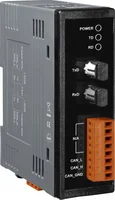
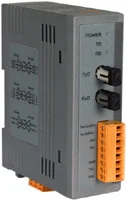
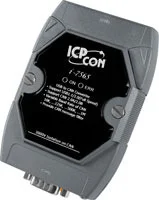
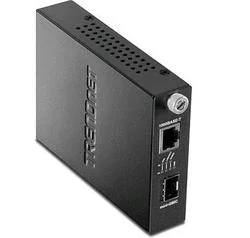
21 products available
𝗪𝗵𝗮𝘁 𝗮𝗿𝗲 𝗠𝗲𝗱𝗶𝗮 𝗖𝗼𝗻𝘃𝗲𝗿𝘁𝗲𝗿𝘀?
Media converters are devices that enable the interconnection of different types of network media. They facilitate the conversion of data signals between various formats, such as from fiber optic to Ethernet or vice versa. This allows for the seamless transfer of data across different network infrastructures, ensuring compatibility and extending transmission distances beyond the limitations of standard cables.
Media converters are commonly used in a variety of business applications, including telecommunications, industrial automation, and security systems. They play a critical role in enhancing network flexibility, allowing organizations to integrate legacy systems with modern technology. As industries continue to evolve, the demand for robust and reliable media converters is growing to support new applications and improve overall network performance.
In today's market, media converters are essential for businesses seeking to optimize their network operations. They are particularly relevant in sectors such as manufacturing, where reliable communication is vital, and in IT environments that require high-speed data transfers. The increasing adoption of fiber optic technology further underscores the importance of these devices, as they provide the necessary solutions to bridge the gap between different networking technologies.
𝗞𝗲𝘆 𝗙𝗲𝗮𝘁𝘂𝗿𝗲𝘀 𝗮𝗻𝗱 𝗦𝗽𝗲𝗰𝗶𝗳𝗶𝗰𝗮𝘁𝗶𝗼𝗻𝘀
Media converters come equipped with various features and specifications that enhance their functionality and adaptability. Understanding these specifications is crucial for selecting the right device for specific applications.
Key specifications include:
1. Conversion Type
- This specification defines the type of media conversion, such as Ethernet to fiber or fiber to fiber.
- Typical ranges include 10/100/1000 Mbps for Ethernet conversions.
2. Transmission Distance
- This refers to the maximum distance data can be transmitted without signal degradation.
- Ranges can vary from a few meters for copper connections to several kilometers for fiber connections.
3. Number of Ports
- This indicates how many input and output connections the converter has.
- Common configurations include single-port and multi-port options.
4. Power Supply Options
- Media converters may support various power supply methods, such as external adapters or Power over Ethernet (PoE).
- Voltage ranges typically include 5V to 48V.
5. Operating Temperature
- This specification provides the temperature range in which the device can operate reliably.
- Typical ranges are from -10°C to 60°C.
6. Compliance Standards
- Many media converters adhere to industry standards, such as CE, which ensure product quality and safety.
- Compliance with these standards is crucial for regulatory approvals.
7. Form Factor
- This refers to the size and design of the converter, which can impact installation.
- Options range from standalone units to rack-mounted designs.
8. Diagnostic Features
- Some models include diagnostic capabilities, such as LED indicators for power and signal status.
- These features help in monitoring the health of the network connection.
In summary, understanding the key features and specifications of media converters is essential for making informed purchasing decisions. These specifications not only ensure compatibility with existing systems but also enhance network performance and reliability.
𝗖𝗼𝗺𝗺𝗼𝗻 𝗔𝗽𝗽𝗹𝗶𝗰𝗮𝘁𝗶𝗼𝗻𝘀 𝗮𝗻𝗱 𝗨𝘀𝗲 𝗖𝗮𝘀𝗲𝘀
Media converters serve a multitude of industries, providing essential connectivity solutions.
1. Telecommunications: In the telecommunications sector, media converters are used to connect fiber optic cables to Ethernet networks, facilitating high-speed internet access and reliable communication.
2. Industrial Automation: These devices are crucial in industrial settings, where they connect various equipment and sensors over long distances, ensuring seamless data transfer in manufacturing processes.
3. Security Systems: Media converters are employed in security applications to extend the reach of surveillance cameras and alarm systems, allowing for better monitoring and response capabilities.
4. Government and Military: In government and defense, media converters enable secure communication between different types of network infrastructures, ensuring reliable operations.
5. Healthcare: In healthcare environments, these devices support the integration of medical equipment with hospital networks, enhancing data sharing and patient care.
6. Retail: Retail businesses utilize media converters to connect point-of-sale systems and inventory management tools, improving efficiency and customer service.
7. Education: Educational institutions benefit from media converters by connecting various learning technologies across campuses, facilitating better communication and resource sharing.
𝗣𝗿𝗼𝗱𝘂𝗰𝘁 𝗩𝗮𝗿𝗶𝗮𝗻𝘁𝘀 𝗮𝗻𝗱 𝗦𝘂𝗯𝗰𝗮𝘁𝗲𝗴𝗼𝗿𝗶𝗲𝘀
Media converters come in a variety of configurations to suit different needs.
Ethernet to Fiber Media Converter: This variant is designed for converting Ethernet signals to fiber optic signals. It is ideal for extending network reach, especially in areas where electromagnetic interference is a concern.
Fiber to Fiber Media Converter: This type is used for connecting different types of fiber optic cables, such as single-mode to multi-mode. It is beneficial for organizations that need to integrate diverse fiber installations.
Multi-Mode Media Converter: This variant specifically supports multi-mode fiber connections, suitable for shorter distances and high bandwidth applications. It is commonly used in local area networks.
Single-Mode Media Converter: Designed for long-distance communications, this converter supports single-mode fiber connections that can transmit data over several kilometers, making it ideal for telecommunications and data centers.
𝗕𝗲𝗻𝗲𝗳𝗶𝘁𝘀 𝗮𝗻𝗱 𝗔𝗱𝘃𝗮𝗻𝘁𝗮𝗴𝗲𝘀
Investing in media converters offers numerous advantages for businesses looking to enhance their network infrastructure.
1. Enhanced Flexibility: Media converters allow for the integration of different networking technologies, helping businesses adapt to evolving requirements without overhauling their entire network.
2. Cost-Effective Solutions: Implementing media converters can be more economical than replacing existing network components, allowing organizations to extend the life of their infrastructure.
3. Improved Network Performance: By facilitating high-speed data transfer, media converters can significantly boost network performance, leading to increased productivity.
4. Extended Transmission Distances: Media converters enable data transmission over greater distances, which is particularly beneficial for large facilities or campuses.
5. Simplified Network Management: Many media converters come with diagnostic features that simplify troubleshooting and network management, reducing downtime.
6. Compliance Assurance: Sourcing media converters that adhere to industry standards ensures quality and reliability, giving businesses confidence in their network solutions.
𝗕𝘂𝘆𝗶𝗻𝗴 𝗚𝘂𝗶𝗱𝗲 𝗳𝗼𝗿 𝗕𝟮𝗕 𝗕𝘂𝘆𝗲𝗿𝘀
When sourcing media converters, it is important to consider several key factors to ensure the best fit for your needs.
1. Quality Assessment: Evaluate the build quality and reliability of the media converters. Look for products that meet recognized industry standards and have a proven track record.
2. Supplier Verification: Vet suppliers thoroughly to ensure they have a reputation for delivering quality products and reliable service. Check for customer reviews and industry certifications.
3. Pricing and MOQ: Understand the pricing structure and minimum order quantities (MOQ) offered by suppliers. This will help you budget effectively and ensure you meet your needs without overspending.
4. Delivery and Lead Times: Confirm the delivery schedules and lead times associated with your order. Timely delivery is crucial for maintaining project timelines and operational efficiency.
5. Compliance Requirements: Be aware of any regulatory compliance standards that apply to your industry. Ensure that the media converters you choose meet these requirements to avoid potential issues.
𝗖𝗼𝗺𝗽𝗹𝗶𝗮𝗻𝗰𝗲 𝗮𝗻𝗱 𝗖𝗲𝗿𝘁𝗶𝗳𝗶𝗰𝗮𝘁𝗶𝗼𝗻𝘀
Media converters must comply with various industry standards and certifications to ensure their reliability and safety. Relevant quality standards include ISO 9001, which focuses on maintaining a high level of quality management systems across organizations.
Additionally, industry certifications such as CE indicate that the products meet EU safety, health, and environmental protection standards. Compliance with these certifications assures buyers of the quality and safety of the media converters.
Furthermore, adherence to safety and testing requirements is crucial. This ensures that the devices operate reliably under various conditions, minimizing the risk of failure in critical applications.
Regional compliance considerations can also play a significant role in sourcing media converters. Different regions may have specific regulations that manufacturers must adhere to, so it is important for buyers to confirm that their selected products meet these local requirements.
𝗪𝗵𝘆 𝗦𝗼𝘂𝗿𝗰𝗲 𝗠𝗲𝗱𝗶𝗮 𝗖𝗼𝗻𝘃𝗲𝗿𝘁𝗲𝗿𝘀 𝗳𝗿𝗼𝗺 𝗣𝗲𝗽𝗮𝗴𝗼𝗿𝗮?
Pepagora provides a trusted platform for sourcing media converters, offering several key advantages to B2B buyers.
Verified Supplier Network: Pepagora has established a network of verified suppliers, ensuring that businesses can source high-quality media converters with confidence. Each supplier undergoes a rigorous verification process to guarantee reliability.
Streamlined RFQ Process: The platform features a streamlined request for quotation (RFQ) process, making it easy for buyers to receive competitive quotes from multiple suppliers. This helps businesses compare options and make informed purchasing decisions.
Trade Assurance and Support: Pepagora offers trade assurance and support to protect buyers throughout the purchasing process. This ensures that businesses receive the products they ordered in the expected condition and on time.
Regional Coverage: With a strong presence in India, the GCC, and Southeast Asia, Pepagora is well-positioned to serve diverse markets. This wide geographic reach allows businesses to access media converters tailored to their local needs.
Newly Added


Recently Added
Mahavir Interface Pvt Ltd
Industrial Automation Modular Terminals For Reliable Electrical Connections
Industrial Connection Elements IEC Compliant Copper Fiber Optic Harsh Environment
Premium PCB Plug In Connectors For Data Signal Power Transmission
Aykay Electronics
Industrial Automation High Accuracy Pressure Transmitter With 4 20mA Output
Industrial Temperature Transmitters High Accuracy Reliability HVAC Manufacturing
Industrial Automation Digital Thyristor Power Controller CD3000E 3PH
Bereian Communications & Components
Bereian Telecom Towers for Cellular Networks | Indian Standards Compliant
Telecom Network GSM CDMA Installation Testing Commissioning Services
Industrial SC Fibre Optic Connector OEM UL94V 0 RoHS
3 A Exports
Industrial Rust Preventive Oil For Metal Protection And Corrosion Resistance
Industrial Boiler Oxygen Scavenger And Corrosion Inhibitor Oxinol HH
Industrial Rust Preventive Oil Protecta 30H Hard Film Corrosion Protection
Adaptek Automation Technology
Industrial HMI LCD Display Allen Bradley PV600 2711 K3A5L1 Keypad
Industrial HMI Siemens TP270 Touch Panel Automation Control
GSM Alarm Controller For Remote Monitoring And SMS Control
Bandari Agency
Industrial Safety Gum Boots With Ankle Protection Slip Resistant
Industrial Pump Hydraulic System Suction Strainers For Contaminant Protection
Industrial Branch Pipes And Nozzles For Precise Fluid Control
Metro Electronics
Industrial Transmitter 48 860 MHz AGC/MGC Dual SMPS Philips ICs
Fibre Cut Alarm System with Buzzer Technology for Network Monitoring
High Performance FET Amplifiers For Telecommunications And Audio Systems
Digant Technologies Pvt Ltd
Professional HF MiFare USB Desktop Reader 13.56MHz RFID Access Control
NFC OEM Module For Access Control Payment Smart Devices
Industrial Asset Tracking UHF Active Tag Encrypted 10m Range Long Battery
Why Businesses Trust Pepagora
Thousands of companies trust Pepagora to source smarter and sell faster
Expand Your Sales Globally
25000+Products listed.Get discovered by global buyers
Tools to boost visibility
Build your own catalog

Source Smarter,Grow Faster
4000+Active RFQs
100+ Countries served
Easy Sourcing Tools
