
 IN
INundefined
Meat Processing Machines
11 products available
𝗪𝗵𝗮𝘁 𝗮𝗿𝗲 𝗠𝗲𝗮𝘁 𝗣𝗿𝗼𝗰𝗲𝘀𝘀𝗶𝗻𝗴 𝗠𝗮𝗰𝗵𝗶𝗻𝗲𝘀?
Meat processing machines are specialized equipment designed to handle various tasks involved in the preparation and processing of meat products. These machines can perform functions such as grinding, mixing, slicing, and packaging meat to create finished products that meet industry standards. By automating these processes, meat processing machines enhance efficiency, improve safety, and ensure consistent product quality.
The primary uses of meat processing machines span across the meat industry, including slaughterhouses, butcher shops, and large-scale food manufacturing facilities. These machines are essential for transforming raw meat into value-added products such as sausages, deli meats, and pre-packaged cuts. As consumer demand for processed meat products continues to grow, the relevance of meat processing machines in the industry becomes increasingly significant, highlighting the need for advanced technology to maintain productivity and meet regulatory requirements.
In the current market context, the meat processing equipment sector is witnessing rapid advancements driven by technology, sustainability initiatives, and changing consumer preferences. The integration of smart technology and automation into meat processing machines is reshaping the landscape, leading to improved operational efficiencies and compliance with stringent food safety standards.
𝗞𝗲𝘆 𝗙𝗲𝗮𝘁𝘂𝗿𝗲𝘀 𝗮𝗻𝗱 𝗦𝗽𝗲𝗰𝗶𝗳𝗶𝗰𝗮𝘁𝗶𝗼𝗻𝘀
Meat processing machines come equipped with a variety of features designed to enhance performance, safety, and user-friendliness. Understanding the key specifications is vital for selecting the right equipment for your business.
Key specifications include:
1. Capacity
- Refers to the volume of meat the machine can process within a specific time frame.
- Typically ranges from 100 kg to several tons per hour.
2. Power Consumption
- Indicates the energy requirements for optimal operation.
- Varies based on machine size and function, usually between 1 kW to 15 kW.
3. Material Construction
- The machines are typically constructed from stainless steel for durability and hygiene.
- Compliant with food-grade standards for safety.
4. Automation Level
- Machines may feature manual, semi-automatic, or fully automatic operations.
- Fully automatic machines offer enhanced productivity and reduce labor costs.
5. Safety Features
- Includes guards, emergency stop buttons, and automatic shut-off systems.
- Ensures compliance with safety regulations.
6. Maintenance Requirements
- Some machines have easy-to-clean designs that facilitate regular maintenance.
- Maintenance intervals may vary based on usage.
7. Size and Footprint
- Machines come in various sizes to fit different facility layouts.
- Compact models are available for smaller operations.
8. Certifications
- Compliance with industry standards such as CE for safety and performance.
- May include additional certifications based on regional regulations.
In summary, selecting the right meat processing machine involves understanding these specifications to ensure optimal performance and compliance with industry standards.
𝗖𝗼𝗺𝗺𝗼𝗻 𝗔𝗽𝗽𝗹𝗶𝗰𝗮𝘁𝗶𝗼𝗻𝘀 𝗮𝗻𝗱 𝗨𝘀𝗲 𝗖𝗮𝘀𝗲𝘀
Meat processing machines serve diverse industries, each with specific applications that benefit from these technologies.
1. Food Manufacturing: Large-scale food manufacturers use meat processing machines for bulk production of sausages, patties, and other processed meat products.
2. Retail Butcher Shops: Local butcher shops utilize meat processing machines for cutting, grinding, and packaging meat to meet customer demand for fresh products.
3. Catering Services: Catering companies employ these machines to prepare large quantities of meat dishes for events and functions efficiently.
4. Institutional Kitchens: Hospitals, schools, and other institutions use meat processing machines for meal preparation, ensuring consistent quality and safety.
5. Export Markets: Businesses involved in the export of meat products rely on these machines to ensure compliance with international food safety standards.
𝗣𝗿𝗼𝗱𝘂𝗰𝘁 𝗩𝗮𝗿𝗶𝗮𝗻𝘁𝘀 𝗮𝗻𝗱 𝗦𝘂𝗯𝗰𝗮𝘁𝗲𝗴𝗼𝗿𝗶𝗲𝘀
The diversity of meat processing machines allows businesses to choose equipment tailored to their specific needs.
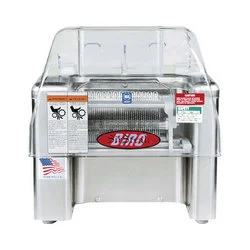
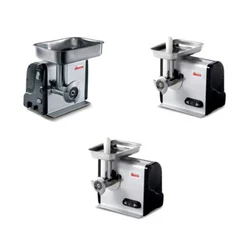
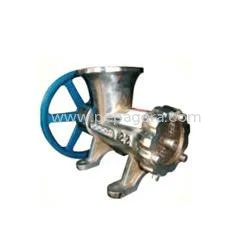
Minced Meat Machines: These machines are designed for grinding and mixing meats, ideal for producing minced meat used in burgers and sausages. They often come with adjustable settings to achieve the desired texture.
Slicing Machines: Slicing machines are perfect for cutting deli meats and other products into uniform slices. They enhance presentation and ensure portion control, which is essential for retail and food service applications.
Mixing Machines: These machines blend meat with spices and other ingredients to ensure even distribution, crucial for flavor consistency in processed meat products.
Stuffing Machines: Designed for filling casings with mixtures of meat and other ingredients, stuffing machines are essential for producing sausages and similar products.
𝗕𝗲𝗻𝗲𝗳𝗶𝘁𝘀 𝗮𝗻𝗱 𝗔𝗱𝘃𝗮𝗻𝘁𝗮𝗴𝗲𝘀
Investing in meat processing machines offers numerous advantages for businesses in the meat industry.
Key benefits include:
1. Increased Efficiency: Meat processing machines automate repetitive tasks, significantly speeding up production processes and reducing labor costs.
2. Enhanced Consistency: These machines ensure uniformity in product quality, which is vital for maintaining brand reputation and customer satisfaction.
3. Improved Safety: Advanced machines come equipped with safety features that minimize the risk of accidents during operation.
4. Compliance with Standards: Meat processing machines are designed to meet industry regulations, ensuring that products are safe for consumption.
5. Cost Savings: By streamlining production and reducing waste, businesses can lower operational costs and improve profitability.
6. Flexibility: Many machines can be adjusted or customized to accommodate different products and production volumes, making them versatile for various business needs.
𝗕𝘂𝘆𝗶𝗻𝗴 𝗚𝘂𝗶𝗱𝗲 𝗳𝗼𝗿 𝗕𝟮𝗕 𝗕𝘂𝘆𝗲𝗿𝘀
When sourcing meat processing machines, several factors should be taken into account to ensure a successful purchase.
1. Quality Assessment: Evaluate the quality of materials and construction of the machines. Look for machines that meet established food safety standards and have a reputation for durability.
2. Supplier Verification: Conduct thorough background checks on potential suppliers. Consider their track record, customer reviews, and certifications to ensure reliability.
3. Pricing and MOQ: Understand the pricing structure and minimum order quantities (MOQ) required by suppliers. This helps in budgeting and negotiating terms.
4. Delivery and Lead Times: Inquire about delivery schedules and lead times. Timely delivery is crucial for maintaining production schedules.
5. Compliance Requirements: Ensure that the machines meet all relevant compliance and regulatory requirements for your region. This is essential for avoiding legal issues and ensuring product safety.
𝗖𝗼𝗺𝗽𝗹𝗶𝗮𝗻𝗰𝗲 𝗮𝗻𝗱 𝗖𝗲𝗿𝘁𝗶𝗳𝗶𝗰𝗮𝘁𝗶𝗼𝗻𝘀
Compliance and certifications play a critical role in the meat processing industry, ensuring that machines meet quality and safety standards.
Relevant quality standards include ISO 9001, which outlines requirements for a quality management system, ensuring consistent quality and customer satisfaction. Additionally, HACCP (Hazard Analysis Critical Control Point) principles are crucial for food safety, helping businesses identify and control potential hazards in meat processing.
Industry certifications such as CE indicate compliance with European health, safety, and environmental protection standards. These certifications provide assurance that the machines have been tested and meet rigorous safety criteria.
Safety and testing requirements are essential to ensure that machines operate safely and do not pose risks to operators or consumers. Regular testing and maintenance help identify any potential issues early.
Regional compliance considerations vary by location, making it important for businesses to understand the specific regulations that apply to their operations. This knowledge ensures compliance and promotes consumer trust in meat products.
𝗪𝗵𝘆 𝗦𝗼𝘂𝗿𝗰𝗲 𝗠𝗲𝗮𝘁 𝗣𝗿𝗼𝗰𝗲𝘀𝘀𝗶𝗻𝗴 𝗠𝗮𝗰𝗵𝗶𝗻𝗲𝘀 𝗳𝗿𝗼𝗺 𝗣𝗲𝗽𝗮𝗴𝗼𝗿𝗮?
Pepagora offers a reliable platform for sourcing meat processing machines, providing several key advantages that benefit B2B buyers.
Verified Supplier Network: Pepagora has established a network of verified suppliers, ensuring that buyers can access high-quality machines from reputable manufacturers. This reduces the risk of fraudulent transactions and ensures product quality.
Streamlined RFQ Process: The Request for Quotation (RFQ) process on Pepagora is designed to be straightforward, allowing buyers to receive multiple quotes from suppliers quickly. This saves time and helps in comparing options effectively.
Trade Assurance and Support: Pepagora provides trade assurance, offering buyer protection that enhances confidence in transactions. Additionally, customer support is available to assist with any inquiries or issues that may arise during the purchasing process.
Regional Coverage: With a strong presence in India, the GCC, and Southeast Asia, Pepagora connects buyers with suppliers across these regions. This geographic reach ensures that businesses can find the right partners for their meat processing needs, regardless of location.
Newly Added


Recently Added
Sadas Engineering Works
Commercial Stainless Steel Sambar Milk Cooker 25L 150L Mechanical Tilting
Commercial Wet Grinder Automatic Stainless Steel Silent Operation
Automatic Papad Machine With Dual Rollers And Rotating Disc
Beetta Instruments & Equipment Co.
Histology Labs Premium Rotary Microtome For Precise Tissue Sectioning
Premium Sledge Microtomes For Histology And Pathology Labs
High Precision Freezing Microtomes For Cryosectioning In Labs
Bansi Kitchenware & Household
Commercial Manual Rotary Egg Beater Stainless Steel Blades Nylon Gears
Commercial Orange Juicer Compact High Volume Durable For Juice Bars Hotels Cafes
Commercial Kitchen Premium D.M. Stainless Steel Vegetable Knives
D S Rupal & Co.
Industrial Rotary Rack Ovens For High Volume Baking
High Speed Mixers Rotor Stator Technology Ultra High Shear Mixing
Industrial Rotary Rack Oven For High Volume Baking With Uniform Heat
E. S. S. E. M. M. Corporation
Commercial Heavy Duty 5 Meat Forks Rotisserie with Manual Controls
Commercial Dish Warmer 30 Plate Single Head Food Warmer
Commercial Electric Pressure Fryer For High Volume Kitchens
KS machines
Commercial Automatic Chapati Machine For High Volume Roti Production
Automatic Murukku Machine For High Speed Snack Production
Commercial 100W Automatic Idiyappam Machine For Restaurants And Food Businesses
Maragatham Industries
Gear Driven Chicken Feather Cleaning Machine For Poultry Processing
Small Scale Poultry Dressing Machine 3 4 Bird Stainless Steel Defeatherer
Poultry Processing Chicken Feather Cleaner Stainless Steel Defeathering Machine
Eco Cosmos
Commercial SC 120 Table Cooking Mixer For Sauces And Confectionery
Commercial T Bar Mixers Heavy Duty Stainless Steel Food Mixing
Commercial Cooking Mixer For Sauces Confectionery Semi Solid Foods
Why Businesses Trust Pepagora
Thousands of companies trust Pepagora to source smarter and sell faster
Expand Your Sales Globally
25000+Products listed.Get discovered by global buyers
Tools to boost visibility
Build your own catalog

Source Smarter,Grow Faster
4000+Active RFQs
100+ Countries served
Easy Sourcing Tools
