
 IN
INundefined
Meat Mincers & Grinders
4 products available
𝗪𝗵𝗮𝘁 𝗮𝗿𝗲 𝗠𝗲𝗮𝘁 𝗠𝗶𝗻𝗰𝗲𝗿𝘀 & 𝗚𝗿𝗶𝗻𝗱𝗲𝗿𝘀?
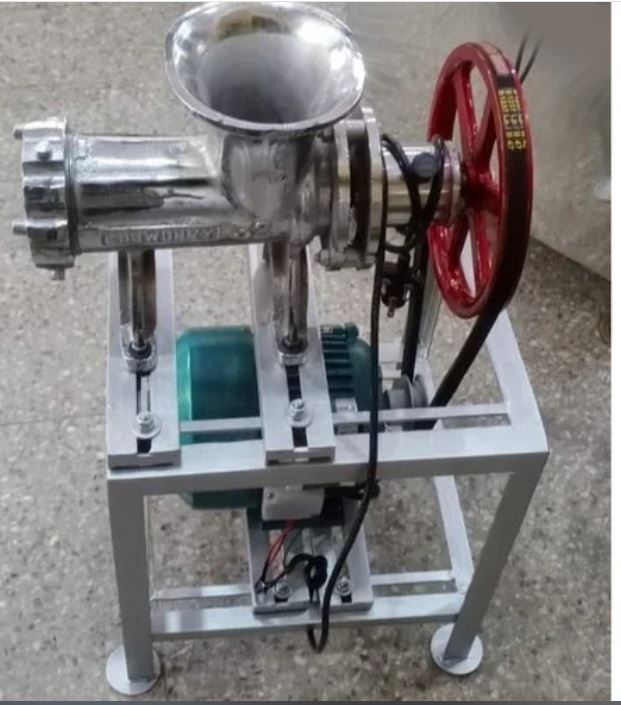
Meat mincers and grinders are essential kitchen appliances used to process meat into smaller, more manageable pieces. These machines utilize sharp blades and grinding plates to achieve a desired texture, whether it is finely minced or coarsely ground. They come in various sizes and configurations to suit different production needs, from small-scale operations to large industrial applications.
In commercial settings, meat mincers and grinders are primarily used in butcher shops, meat processing facilities, and restaurants. They enable chefs and food processors to create fresh ground meat products such as sausages, burgers, and meat sauces. The ability to customize the grind size ensures that businesses can meet specific consumer demands while maintaining high standards of freshness and quality.
The relevance of meat mincers and grinders in the food industry cannot be overstated. As consumers increasingly seek fresh, high-quality meat products, businesses are investing in efficient grinding solutions. The global market for meat processing equipment continues to grow, driven by trends in food safety, automation, and product innovation.
𝗞𝗲𝘆 𝗙𝗲𝗮𝘁𝘂𝗿𝗲𝘀 𝗮𝗻𝗱 𝗦𝗽𝗲𝗰𝗶𝗳𝗶𝗰𝗮𝘁𝗶𝗼𝗻𝘀
When considering meat mincers and grinders, it is essential to understand their features and specifications. These specifications can vary significantly between models, catering to different business needs.
Key specifications include:
1. Motor Power
- The motor power affects the grinding efficiency and capacity.
- Typically ranges from 0.5 HP to 5 HP for commercial use.
2. Grinding Capacity
- This specification indicates how much meat can be processed within a given time.
- Often measured in kilograms per hour, with capacities ranging from 50 kg/h to over 1000 kg/h.
3. Blade Material
- High-quality blades are crucial for durability and performance.
- Common materials include stainless steel and carbon steel.
4. Plate Sizes
- Different plate sizes allow for various grind textures.
- Standard plate sizes range from 2 mm to 20 mm.
5. Safety Features
- Essential for protecting operators during use.
- Includes overload protection and emergency stop buttons.
6. Cleaning Mechanism
- Ease of cleaning is vital for food safety.
- Some models offer removable parts for thorough cleaning.
7. Dimensions and Weight
- Size and weight can affect installation and mobility.
- Typically varies based on the machine's capacity and design.
8. Power Supply
- Machines can be electrically powered or manual.
- Electric models generally operate on standard voltage levels.
In summary, understanding these key features and specifications is critical for selecting the right meat mincer or grinder for your business needs.
𝗖𝗼𝗺𝗺𝗼𝗻 𝗔𝗽𝗽𝗹𝗶𝗰𝗮𝘁𝗶𝗼𝗻𝘀 𝗮𝗻𝗱 𝗨𝘀𝗲 𝗖𝗮𝘀𝗲𝘀
Meat mincers and grinders find applications across various industries, playing a crucial role in food production.
1. Food Processing Industry: These machines are widely used for producing ground meat products, such as sausages and burger patties, ensuring consistent quality and texture.
2. Butcher Shops: Butchers utilize meat grinders to offer freshly ground meat to customers, enhancing product freshness and flavor.
3. Restaurants and Catering: Many restaurants use meat mincers to prepare specialty dishes that require ground meat, providing chefs with control over ingredient quality.
4. Supermarkets: Retailers often have in-house grinding services to cater to consumer demand for fresh ground meat.
5. Pet Food Manufacturing: Meat grinders are also employed in producing pet food, allowing for the incorporation of various meat types and cuts.
6. Charcuterie: In this artisanal process, meat mincers help create high-quality cured meats, such as pâtés and terrines.
7. Food Service Distribution: Distributors use meat grinders to bulk process meat products for restaurants and food service operations.
𝗣𝗿𝗼𝗱𝘂𝗰𝘁 𝗩𝗮𝗿𝗶𝗮𝗻𝘁𝘀 𝗮𝗻𝗱 𝗦𝘂𝗯𝗰𝗮𝘁𝗲𝗴𝗼𝗿𝗶𝗲𝘀
Meat mincers and grinders come in various models tailored to different processing requirements.
Electric Meat Mincers: These are powered by electric motors, allowing for high-capacity grinding with minimal manual effort. They are ideal for businesses with high volume needs and often feature multiple speed settings.
Manual Meat Grinders: Suitable for smaller operations or occasional use, manual grinders are operated by hand. They are portable and easy to clean, making them a favorite for home chefs and small butcher shops.
Commercial Meat Grinders: Designed for heavy-duty use, these machines can handle large quantities of meat. They feature robust construction and advanced safety features for high-volume environments.
Tabletop Meat Mincers: Compact and versatile, these units are perfect for smaller kitchens or mobile food carts. They offer excellent functionality without taking up much space.
𝗕𝗲𝗻𝗲𝗳𝗶𝘁𝘀 𝗮𝗻𝗱 𝗔𝗱𝘃𝗮𝗻𝘁𝗮𝗴𝗲𝘀
Investing in meat mincers and grinders provides several advantages for businesses.
1. Freshness: Grinding meat on-site ensures that products are fresh, enhancing flavor and quality.
2. Customization: Businesses can control the grind size and blend of meats, allowing for unique product offerings tailored to customer preferences.
3. Efficiency: High-capacity grinders streamline meat processing, reducing labor time and increasing output.
4. Versatility: Many models can process various meat types, enabling businesses to diversify their product lines.
5. Cost Savings: By grinding in-house, businesses can reduce costs associated with purchasing pre-ground meat products.
6. Quality Control: Companies can ensure quality by selecting their meat cuts and processing methods.
𝗕𝘂𝘆𝗶𝗻𝗴 𝗚𝘂𝗶𝗱𝗲 𝗳𝗼𝗿 𝗕𝟮𝗕 𝗕𝘂𝘆𝗲𝗿𝘀
When purchasing meat mincers and grinders, B2B buyers should consider several critical factors.
1. Quality Assessment: Evaluate the build quality and material of the grinder, as durability is essential for consistent performance.
2. Supplier Verification: It is crucial to vet suppliers for reliability and reputation. Look for established manufacturers with positive reviews.
3. Pricing and MOQ: Understand the price range of different models and inquire about minimum order quantities, which can vary by supplier.
4. Delivery and Lead Times: Assess logistics capabilities and lead times to ensure timely delivery of equipment as per your operational needs.
5. Compliance Requirements: Ensure that the equipment meets relevant industry standards and regulations, including safety and hygiene requirements.
𝗖𝗼𝗺𝗽𝗹𝗶𝗮𝗻𝗰𝗲 𝗮𝗻𝗱 𝗖𝗲𝗿𝘁𝗶𝗳𝗶𝗰𝗮𝘁𝗶𝗼𝗻𝘀
Compliance and certifications are vital for meat mincers and grinders, ensuring safety and quality in food processing.
Relevant quality standards, such as ISO 9001, ensure that manufacturers adhere to stringent quality management systems. This standard helps companies enhance customer satisfaction through effective quality control.
HACCP (Hazard Analysis and Critical Control Points) is crucial in the food industry. It focuses on identifying and managing food safety risks during processing. Equipment that meets HACCP standards demonstrates a commitment to maintaining high safety protocols.
Many meat mincers and grinders also carry CE certification, indicating compliance with European safety standards. This certification covers various aspects, including design, manufacture, and performance.
Regional compliance considerations may vary. It is essential for businesses to be aware of local regulations governing food processing equipment to avoid legal complications.
𝗪𝗵𝘆 𝗦𝗼𝘂𝗿𝗰𝗲 𝗠𝗲𝗮𝘁 𝗠𝗶𝗻𝗰𝗲𝗿𝘀 & 𝗚𝗿𝗶𝗻𝗱𝗲𝗿𝘀 𝗳𝗿𝗼𝗺 𝗣𝗲𝗽𝗮𝗴𝗼𝗿𝗮?
Pepagora is a trusted platform for sourcing meat mincers and grinders, offering several key advantages to B2B buyers.
Verified Supplier Network: Pepagora connects buyers with a network of reliable suppliers. Each supplier undergoes a vetting process to ensure quality and reliability.
Streamlined RFQ Process: The platform simplifies the request for quotation (RFQ) process, allowing buyers to easily compare prices and specifications from multiple suppliers.
Trade Assurance and Support: Buyers benefit from trade assurance, providing protection throughout the transaction process. Pepagora offers support to resolve any issues that may arise.
Regional Coverage: Pepagora has a broad geographic reach, serving markets in India, the GCC, and Southeast Asia. This extensive network enables buyers to access quality equipment tailored to their specific needs.
Newly Added


Recently Added
Divya Home Appliances, New Delhi
Commercial 150L Steam Boiler Bulk Cooker Gas Electric Mild Stainless Steel
Commercial Sandwich Grillers Non Stick Plates Adjustable Temperature Fast Heating
Commercial Kitchen Stainless Steel Catering Equipment Durable Hygienic
E. S. S. E. M. M. Corporation
Commercial Heavy Duty 5 Meat Forks Rotisserie with Manual Controls
Commercial Dish Warmer 30 Plate Single Head Food Warmer
Commercial Electric Pressure Fryer For High Volume Kitchens
Essemm Corporation
Commercial Vegetable Cutting Machine Stainless Steel High Volume Slicer
Commercial Kitchen Table Top Vegetable Cutting Machine For High Efficiency
Industrial Potato Peeler Stainless Steel Fast Peeling 50 90 Seconds
RMR Industries
Stainless Steel Restaurant Table, Round, for Dining Use
Restaurant Stainless Steel Work Table, SS304, for Food Preparation
Stainless Steel Three Burner Gas Range, SS304, for Restaurant Cooking
KVR Industries
Commercial Soft Serve Ice Cream Machine For High Volume Dessert Production
Commercial Automatic Softy Ice Cream Machine For Cafes & Dessert Shops
Commercial Electric Softy Ice Cream Machine with Night Mode for Continuous Operation
Why Businesses Trust Pepagora
Thousands of companies trust Pepagora to source smarter and sell faster
Expand Your Sales Globally
25000+Products listed.Get discovered by global buyers
Tools to boost visibility
Build your own catalog

Source Smarter,Grow Faster
4000+Active RFQs
100+ Countries served
Easy Sourcing Tools
