
 IN
INundefined
Marigold Seeds
1 products available
𝗪𝗵𝗮𝘁 𝗮𝗿𝗲 𝗠𝗮𝗿𝗶𝗴𝗼𝗹𝗱 𝗦𝗲𝗲𝗱𝘀?
Marigold seeds are the seeds of the marigold flower, a popular plant known for its vibrant colors and ability to thrive in various environments. These seeds are typically small and can be planted in gardens, pots, or commercial agricultural settings. Marigolds belong to the Tagetes genus and are characterized by their bright yellow, orange, and red flowers. They are not only prized for their ornamental beauty but also for their utility in pest control and soil health.
The primary uses of marigold seeds extend beyond mere decoration. In agriculture, marigolds are often planted as companion plants because they can deter pests that harm crops. They are also utilized in the production of essential oils and natural dyes. Businesses in the horticultural and agricultural sectors find marigold seeds valuable for enhancing biodiversity and promoting sustainable practices. The market for marigold seeds is robust, with growing interest in organic farming and environmentally friendly gardening solutions.
𝗞𝗲𝘆 𝗙𝗲𝗮𝘁𝘂𝗿𝗲𝘀 𝗮𝗻𝗱 𝗦𝗽𝗲𝗰𝗶𝗳𝗶𝗰𝗮𝘁𝗶𝗼𝗻𝘀
Marigold seeds come with a variety of features and specifications designed to meet the requirements of both amateur and professional gardeners. Understanding these specifications is crucial for selecting the right seeds for specific applications.
Key specifications include:
1. Seed Variety
- Different types of marigold seeds include French marigolds, African marigolds, and signet marigolds.
- Each variety has unique characteristics in terms of size, growth habit, and flowering time.
2. Germination Rate
- A healthy germination rate is an essential factor, typically ranging from 70% to 90%.
- This rate indicates the viability of the seeds and their potential to sprout.
3. Seed Size
- Marigold seeds vary in size from small (approximately 2mm) to medium.
- Seed size can influence planting density and subsequent growth.
4. Growth Conditions
- Ideal growing conditions include well-drained soil and full sunlight exposure.
- Marigolds thrive in a range of temperatures, commonly between 15 to 30 degrees Celsius.
5. Flowering Period
- Most marigold varieties bloom within 6 to 8 weeks after planting.
- The flowering period can vary based on environmental conditions.
6. Pest Resistance
- Certain marigold varieties exhibit natural resistance to specific pests.
- This characteristic makes them suitable as a companion plant in organic farming.
7. Shelf Life
- Properly stored marigold seeds can last for several years without significant loss of viability.
- Attention to storage conditions is vital for maintaining seed quality.
In summary, the selection of marigold seeds should be based on their specific features and intended applications, ensuring optimal growth and benefits.
𝗖𝗼𝗺𝗺𝗼𝗻 𝗔𝗽𝗽𝗹𝗶𝗰𝗮𝘁𝗶𝗼𝗻𝘀 𝗮𝗻𝗱 𝗨𝘀𝗲 𝗖𝗮𝘀𝗲𝘀
Marigold seeds find applications across various industries, contributing to aesthetic, agricultural, and ecological benefits.
1. Horticulture: Marigolds are widely used in landscaping and gardening for their vibrant colors and ease of care. They enhance visual appeal and attract beneficial insects.
2. Agriculture: Farmers use marigold seeds to plant companion crops. The flowers help deter pests and improve soil health, promoting sustainable practices.
3. Floristry: Marigolds are popular in cut flower arrangements due to their long-lasting blooms. Florists appreciate their availability in various colors and sizes.
4. Essential Oils: Marigold flowers are harvested for oil extraction, which is used in cosmetics and aromatherapy products. The oil has anti-inflammatory properties.
5. Natural Dyes: Marigold petals are used to create natural dyes for textiles and crafts, appealing to eco-conscious consumers seeking sustainable materials.
6. Traditional Medicine: In some cultures, marigolds are used in herbal remedies. Their anti-inflammatory and antiseptic properties are valued in natural healing practices.
7. Educational Programs: Marigold seeds are often used in educational settings to teach students about plant biology, growth cycles, and environmental science.
𝗣𝗿𝗼𝗱𝘂𝗰𝘁 𝗩𝗮𝗿𝗶𝗮𝗻𝘁𝘀 𝗮𝗻𝗱 𝗦𝘂𝗯𝗰𝗮𝘁𝗲𝗴𝗼𝗿𝗶𝗲𝘀
Marigold seeds are available in a range of variants, catering to different needs and preferences within the market.
French Marigold Seeds: This variant is known for its compact growth and brightly colored flowers. French marigolds are often used in gardens to repel nematodes and other pests.
African Marigold Seeds: Larger and taller than French marigolds, African marigolds produce sizable blooms and are commonly used in landscaping. They are prized for their striking appearance and resilience.
Signet Marigold Seeds: These seeds produce smaller flowers with a unique fragrance. Signet marigolds are often used in culinary applications, as their petals can be added to salads for color and flavor.
𝗕𝗲𝗻𝗲𝗳𝗶𝘁𝘀 𝗮𝗻𝗱 𝗔𝗱𝘃𝗮𝗻𝘁𝗮𝗴𝗲𝘀
Marigold seeds offer several key benefits to businesses and consumers alike, making them a valuable addition to any garden or agricultural operation.
1. Pest Control: Marigolds naturally repel harmful insects, reducing the need for chemical pesticides and promoting a healthier environment.
2. Soil Enrichment: The roots of marigolds can improve soil structure and health, enhancing the growth of surrounding crops.
3. Aesthetic Appeal: With their vibrant colors, marigolds add beauty to gardens and landscapes, attracting pollinators and enhancing biodiversity.
4. Versatility: Marigold seeds are suitable for various applications, from ornamental gardening to agricultural pest control.
5. Easy to Grow: Marigolds are low-maintenance plants that thrive in diverse climates, making them accessible for both novice and experienced gardeners.
6. Natural Dye Production: The flowers can be harvested for dye extraction, appealing to artisans and craftspeople who value sustainable practices.
𝗕𝘂𝘆𝗶𝗻𝗴 𝗚𝘂𝗶𝗱𝗲 𝗳𝗼𝗿 𝗕𝟮𝗕 𝗕𝘂𝘆𝗲𝗿𝘀
When sourcing marigold seeds for business needs, it is essential to consider several factors to ensure quality and reliability.
1. Quality Assessment: Evaluate the quality of seeds by looking for reputable certifications and testing for germination rates. High-quality seeds ensure a successful planting experience.
2. Supplier Verification: Vet suppliers by checking their credentials, customer reviews, and track records. Reliable suppliers will provide consistent product quality and support.
3. Pricing and MOQ: Understand the pricing structure and minimum order quantities (MOQ) before purchasing. Compare prices across different suppliers to find competitive options.
4. Delivery and Lead Times: Inquire about delivery schedules and lead times to ensure timely availability of seeds for planting seasons. Efficient logistics are crucial for operational success.
5. Compliance Requirements: Ensure that the seeds meet relevant agricultural regulations and standards, including any specific certifications that may be required in your region.
𝗖𝗼𝗺𝗽𝗹𝗶𝗮𝗻𝗰𝗲 𝗮𝗻𝗱 𝗖𝗲𝗿𝘁𝗶𝗳𝗶𝗰𝗮𝘁𝗶𝗼𝗻𝘀
Marigold seeds must adhere to various compliance and certification standards to ensure quality and safety in the market. Relevant quality standards such as ISO 9001 guarantee that products meet customer requirements and enhance operational efficiency.
In addition, certifications like CE indicate compliance with European safety standards, ensuring that the seeds are safe for use in various applications. Companies should also be aware of safety and testing requirements that apply to agricultural products, including microbiological testing and seed health evaluations.
Regional compliance considerations are essential, as agricultural regulations can vary by country or region. Buyers should stay informed about local laws governing the sale and distribution of seeds to ensure that they are in compliance.
𝗪𝗵𝘆 𝗦𝗼𝘂𝗿𝗰𝗲 𝗠𝗮𝗿𝗶𝗴𝗼𝗹𝗱 𝗦𝗲𝗲𝗱𝘀 𝗳𝗿𝗼𝗺 𝗣𝗲𝗽𝗮𝗴𝗼𝗿𝗮?
Pepagora provides a trusted platform for sourcing marigold seeds, offering several key advantages for businesses looking to purchase high-quality seeds.
Verified Supplier Network: Pepagora has established a robust network of verified suppliers, ensuring that buyers can access quality seeds from reputable sources. This network is vital for maintaining consistent product standards.
Streamlined RFQ Process: The platform facilitates a streamlined request for quotation (RFQ) process, allowing buyers to efficiently compare offers from multiple suppliers. This transparency helps in making informed purchasing decisions.
Trade Assurance and Support: Pepagora offers trade assurance, providing buyers with protection against potential disputes. This support enhances buyer confidence and fosters long-term partnerships.
Regional Coverage: With a focus on markets in India, the Gulf Cooperation Council (GCC), and Southeast Asia, Pepagora ensures that businesses can easily source marigold seeds tailored to their regional needs. This geographic reach enhances accessibility and convenience for buyers.


Recently Added
Dhan Deep Seeds Trading Company
Premium Antirrhinum Majus Seeds High Germination F1 Hybrid Varieties
Premium Aster Callistephus Chinensis Cut Flowers Bedding Plants Fusarium Tolerant
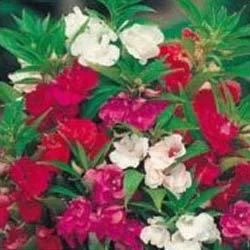
Premium Balsam Seeds Hardy Annuals Double Flowers Bulk
Why Businesses Trust Pepagora
Thousands of companies trust Pepagora to source smarter and sell faster
Expand Your Sales Globally
25000+Products listed.Get discovered by global buyers
Tools to boost visibility
Build your own catalog

Source Smarter,Grow Faster
4000+Active RFQs
100+ Countries served
Easy Sourcing Tools
