
 IN
INundefined
Maize & Corn Gluten Meal
8 products available
𝗪𝗵𝗮𝘁 𝗮𝗿𝗲 𝗠𝗮𝗶𝘇𝗲 & 𝗖𝗼𝗿𝗻 𝗚𝗹𝘂𝘁𝗲𝗻 𝗠𝗲𝗮𝗹?
Maize and corn gluten meal are by-products derived from the processing of maize or corn. This product is obtained during the extraction of starch from corn kernels. The gluten meal contains protein, carbohydrates, and fiber, making it a valuable ingredient across various industries. It is characterized by its high protein content, typically ranging from 60% to 70%, which makes it an attractive option for animal feed and other applications.
The primary uses of maize and corn gluten meal include its application in animal nutrition, particularly in the formulation of feed for livestock and poultry. It serves as a cost-effective protein source, contributing to the overall nutritional value of animal diets. Additionally, it is utilized in the production of fertilizers and as a natural herbicide in agricultural practices. The relevance of maize and corn gluten meal in the market is significant, as it plays a critical role in enhancing food production efficiency and sustainability.
𝗞𝗲𝘆 𝗙𝗲𝗮𝘁𝘂𝗿𝗲𝘀 𝗮𝗻𝗱 𝗦𝗽𝗲𝗰𝗶𝗳𝗶𝗰𝗮𝘁𝗶𝗼𝗻𝘀
Maize and corn gluten meal offer several features that cater to various industrial needs. Its nutritional profile and functionality make it a versatile choice in different applications.
Key specifications include:
1. Protein Content
- Typically ranges from 60% to 70%
- Provides a high-quality protein source for animal feed
2. Fiber Content
- Contains significant dietary fiber
- Supports digestive health in livestock
3. Moisture Level
- Generally maintained below 10%
- Ensures product stability and longevity
4. Ash Content
- Usually around 5% to 7%
- Indicates mineral content and contributes to nutritional value
5. Fat Content
- Typically low, around 1% to 3%
- Makes it suitable for low-fat feed formulations
6. Color
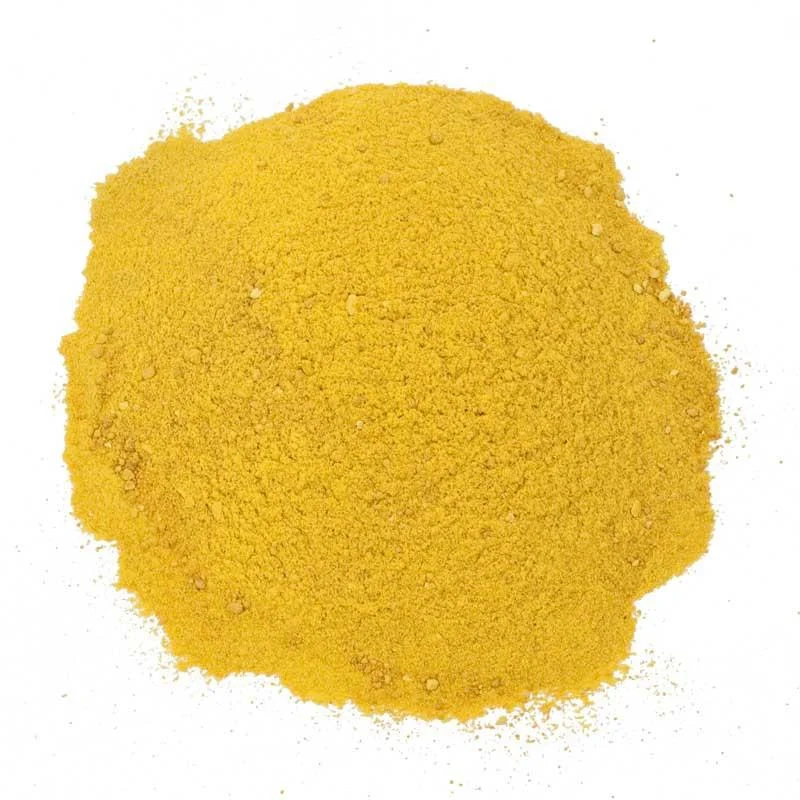
- Light yellow to golden hue
- Indicates quality and freshness of the product
7. Packaging Options
- Available in bulk bags or smaller packages
- Accommodates various shipping and storage needs
In summary, maize and corn gluten meal's specifications highlight its nutritional benefits and suitability for diverse applications in the agricultural sector.
𝗖𝗼𝗺𝗺𝗼𝗻 𝗔𝗽𝗽𝗹𝗶𝗰𝗮𝘁𝗶𝗼𝗻𝘀 𝗮𝗻𝗱 𝗨𝘀𝗲 𝗖𝗮𝘀𝗲𝘀
Maize and corn gluten meal serve various industries with specific applications tailored to meet their needs.
1. Animal Feed: Widely used in livestock and poultry diets, it enhances protein intake and overall nutritional value.
2. Organic Farming: Used as a natural herbicide, it helps control weed growth while promoting sustainable practices.
3. Fertilizer Production: Its nutrient content makes it an effective ingredient in organic fertilizers, supporting soil health.
4. Aquaculture: Utilized in fish feed formulations, it provides essential nutrients for aquatic animals.
5. Food Industry: Occasionally used in food processing as a thickening agent or stabilizer.
6. Pet Food: Added to formulations for dogs and cats as a protein source, enhancing the diet quality.
7. Biofuel Production: Employed in the production of biofuels, contributing to energy sustainability.
𝗣𝗿𝗼𝗱𝘂𝗰𝘁 𝗩𝗮𝗿𝗶𝗮𝗻𝘁𝘀 𝗮𝗻𝗱 𝗦𝘂𝗯𝗰𝗮𝘁𝗲𝗴𝗼𝗿𝗶𝗲𝘀
Maize and corn gluten meal come in various forms, catering to different industry needs.
Standard Maize Gluten Meal
This variant is primarily used in animal feed. It offers a high protein content and is an economical choice for livestock nutrition.
Organic Corn Gluten Meal
This variant is suitable for organic farming practices. It is free from synthetic additives, making it ideal for environmentally conscious applications.
Feed Grade Corn Gluten Meal
Tailored for animal feed, this version meets specific nutritional standards required for livestock and poultry diets.
𝗕𝗲𝗻𝗲𝗳𝗶𝘁𝘀 𝗮𝗻𝗱 𝗔𝗱𝘃𝗮𝗻𝘁𝗮𝗴𝗲𝘀
Sourcing maize and corn gluten meal provides several advantages for businesses.
1. Cost-Effective Protein Source: It offers a high protein content at a competitive price, making it a valuable ingredient for feed formulations.
2. Versatility: Its wide range of applications across different industries enhances its utility and market demand.
3. Sustainable Option: Being a by-product of corn processing, it promotes waste reduction and sustainability in agricultural practices.
4. Nutritional Benefits: Its rich nutritional profile supports the health and growth of livestock and other animals.
5. Natural Herbicide Properties: This feature provides an eco-friendly solution for weed control in agriculture.
6. Quality Assurance: When sourced from reputable suppliers, it meets industry standards for safety and efficacy.
𝗕𝘂𝘆𝗶𝗻𝗴 𝗚𝘂𝗶𝗱𝗲 𝗳𝗼𝗿 𝗕𝟮𝗕 𝗕𝘂𝘆𝗲𝗿𝘀
When sourcing maize and corn gluten meal, it is essential to consider various factors to ensure quality and reliability.
1. Quality Assessment: Evaluate the nutritional specifications and ensure the product meets your industry requirements for protein and fiber content.
2. Supplier Verification: Research and vet suppliers to confirm their reputation, reliability, and compliance with industry standards.
3. Pricing and MOQ: Understand the pricing structure and minimum order quantities to align with your budget and purchasing needs.
4. Delivery and Lead Times: Discuss logistics with suppliers to ensure timely delivery that meets your production schedules.
5. Compliance Requirements: Familiarize yourself with any regulatory standards applicable to your industry, ensuring the product meets compliance needs.
𝗖𝗼𝗺𝗽𝗹𝗶𝗮𝗻𝗰𝗲 𝗮𝗻𝗱 𝗖𝗲𝗿𝘁𝗶𝗳𝗶𝗰𝗮𝘁𝗶𝗼𝗻𝘀
Maize and corn gluten meal must meet various quality standards and certifications to ensure safety and efficacy in applications.
Relevant quality standards include ISO 9001, which outlines the criteria for a quality management system. This certification is crucial for maintaining consistent quality in production.
HACCP (Hazard Analysis and Critical Control Points) is essential in managing food safety, ensuring that the product is safe for use in animal feed and other applications.
CE certification indicates that the product meets European health, safety, and environmental protection standards, making it suitable for markets that require compliance with these regulations.
Safety and testing requirements are critical to verify the product's quality and ensure it is free from contaminants.
Regional compliance considerations may vary, so it is vital to understand local regulations and standards when sourcing maize and corn gluten meal.
𝗪𝗵𝘆 𝗦𝗼𝘂𝗿𝗰𝗲 𝗠𝗮𝗶𝘇𝗲 & 𝗖𝗼𝗿𝗻 𝗚𝗹𝘂𝘁𝗲𝗻 𝗠𝗲𝗮𝗹 𝗳𝗿𝗼𝗺 𝗣𝗲𝗽𝗮𝗴𝗼𝗿𝗮?
Pepagora provides a trusted platform for sourcing maize and corn gluten meal with several key advantages.
Verified Supplier Network: Pepagora ensures that all suppliers in its network have been thoroughly vetted. This verification process guarantees that buyers receive high-quality products from reputable sources.
Streamlined RFQ Process: The request for quotation (RFQ) system is designed to facilitate easy communication between buyers and suppliers. This efficiency helps businesses get the best pricing and terms for their orders.
Trade Assurance and Support: Pepagora offers trade assurance, providing buyers with protection throughout the purchasing process. This support helps mitigate risks associated with sourcing.
Regional Coverage: With a strong presence in India, the GCC, and Southeast Asia, Pepagora has the geographic reach to meet diverse sourcing needs, catering to businesses across these regions.
In conclusion, sourcing maize and corn gluten meal through Pepagora can enhance supply chain efficiency and ensure access to quality products tailored to industrial applications.
Newly Added


Recently Added
Vijaya Enterprises
Food Grade Maltodextrin Powder For Beverage And Pharmaceutical Use
Corn Gluten Meal 60% Protein Animal Feed Natural Herbicide Bulk Bags
Premium Corn Gluten Meal 60% High Protein Poultry Livestock Feed
Shyam Sunder Export House
Premium Cattle And Poultry Feed With 40 45% Crude Protein
Freeze Dried Fruits And Vegetables For Global Food Supply
Raw Milk For Food Manufacturing And Hospitality
Varalakshmi Starch Industries (P) Ltd
Industrial Native Tapioca Starch Powder High Viscosity 98% Purity
Industrial Maize Starch 98% Purity High Viscosity Food Pharmaceutical
Industrial Oxidized Starch High Viscosity Low Moisture Paper Textile
Blue Line Foods India Private Limited
Organic Fish Fertilizer For Farming High Protein 26 32%
Premium Steam Dried Fish Meal High Protein Omega 3 Animal Feed Aquaculture
Premium Sundried Fish Meal For Animal Feed And Aquaculture
DIVINE EARTH HOLDINGS
Premium Penetration Grade Bitumen 60/70 80/100 For Road Construction
Premium Indian Yellow Maize Corn For Animal Feed With 9% Protein
Premium Indian Yellow Corn Animal Feed 9% Protein 12 14% Moisture
Why Businesses Trust Pepagora
Thousands of companies trust Pepagora to source smarter and sell faster
Expand Your Sales Globally
25000+Products listed.Get discovered by global buyers
Tools to boost visibility
Build your own catalog

Source Smarter,Grow Faster
4000+Active RFQs
100+ Countries served
Easy Sourcing Tools
