
 IN
INundefined
Low-Glycemic Index Foods
1 products available
𝗪𝗵𝗮𝘁 𝗮𝗿𝗲 𝗟𝗼𝘄-𝗚𝗹𝘆𝗰𝗲𝗺𝗶𝗰 𝗜𝗻𝗱𝗲𝘅 𝗙𝗼𝗼𝗱𝘀?
Low-Glycemic Index (GI) foods are those that have a minimal impact on blood sugar levels when consumed. The glycemic index ranks carbohydrates based on their effect on blood glucose levels. Foods with a low GI score (55 or lower) are digested and absorbed more slowly, leading to a gradual increase in blood sugar rather than a rapid spike. This characteristic makes low-GI foods a preferred option for individuals looking to manage their blood sugar levels, including those with diabetes and metabolic syndrome.
In the B2B context, low-GI foods are increasingly being integrated into various dietary plans and health-focused product lines. They are commonly used in the health food sector, catering to consumers seeking healthier options. Additionally, they are being incorporated into meal plans by nutritionists and dieticians who aim to promote balanced diets and healthy eating habits. The growing awareness of the importance of nutrition in maintaining health has expanded the market for low-GI foods, making them a relevant choice for businesses in the food industry.
The market for low-GI foods is expanding as consumers become more health-conscious. With rising cases of diabetes and obesity, these foods align with the increasing demand for nutritious products. Businesses that focus on health and wellness can benefit from integrating low-GI foods into their offerings, appealing to a demographic that prioritizes health and well-being.
𝗞𝗲𝘆 𝗙𝗲𝗮𝘁𝘂𝗿𝗲𝘀 𝗮𝗻𝗱 𝗦𝗽𝗲𝗰𝗶𝗳𝗶𝗰𝗮𝘁𝗶𝗼𝗻𝘀
Low-Glycemic Index foods come with several features and specifications that make them desirable for both consumers and businesses. Understanding these specifications can aid in selection and sourcing.
Key specifications include:
1. Glycemic Index Rating
- Foods are rated on the glycemic index scale, with low-GI foods scoring 55 or less.
- This rating influences consumer choice and dietary guidelines.
2. Nutritional Profile
- Low-GI foods often contain higher fiber content and essential nutrients.
- They may include whole grains, legumes, fruits, and vegetables that are nutrient-dense.
3. Shelf Life
- Many low-GI foods have a longer shelf life due to their natural preservation qualities.
- This can vary based on the food type and packaging.
4. Ingredient Sourcing
- Sourcing can involve organic or non-GMO certifications.
- Transparency in ingredient sourcing is increasingly valued by consumers.
5. Taste and Texture
- Low-GI foods are often designed to maintain appealing taste and texture.
- Innovations in food technology may enhance flavor profiles without increasing GI.
6. Packaging
- Sustainable and informative packaging is preferred.
- Clear labeling of GI ratings and nutritional information is essential for sales.
7. Allergen Considerations
- Many low-GI foods cater to specific dietary restrictions such as gluten-free or nut-free.
- Labeling for allergens is crucial for safety in food products.
8. Compliance with Health Standards
- These foods often meet health regulations and standards for safety.
- Industry certifications can enhance marketability.
The specifications of low-GI foods assure businesses of their quality and suitability for health-focused consumers.
𝗖𝗼𝗺𝗺𝗼𝗻 𝗔𝗽𝗽𝗹𝗶𝗰𝗮𝘁𝗶𝗼𝗻𝘀 𝗮𝗻𝗱 𝗨𝘀𝗲 𝗖𝗮𝘀𝗲𝘀
Low-Glycemic Index foods find applications across various industries, reflecting their versatility and health benefits.
1. Food Service Industry: Restaurants and catering services incorporate low-GI options into their menus to attract health-conscious diners. These options can appeal to customers looking for balanced meals.
2. Health and Wellness Sector: Nutritionists and dieticians recommend low-GI foods for meal plans aimed at weight management and blood sugar control. These foods are essential for creating balanced diets.
3. Retail and Grocery: Supermarkets and health food stores stock low-GI products to cater to the growing consumer demand for healthier food choices. This segment is expanding with dedicated sections for health foods.
4. Fitness and Sports Nutrition: Low-GI foods are often included in meal replacement products and snacks for athletes, promoting sustained energy levels during workouts.
5. Packaged Foods: Many brands focus on producing low-GI snacks and meals, tapping into the health trend. This includes breakfast cereals, bars, and frozen meals.
6. Dietary Supplements: Some low-GI foods are enriched with additional vitamins and minerals and marketed as dietary supplements for health improvement.
7. School and Institutional Catering: Institutions are increasingly adopting low-GI foods in their meal programs to promote better nutrition for students and staff.
𝗣𝗿𝗼𝗱𝘂𝗰𝘁 𝗩𝗮𝗿𝗶𝗮𝗻𝘁𝘀 𝗮𝗻𝗱 𝗦𝘂𝗯𝗰𝗮𝘁𝗲𝗴𝗼𝗿𝗶𝗲𝘀
Low-Glycemic Index foods encompass a range of variants that cater to different dietary preferences and needs.
Whole Grains
Whole grain products such as oats, barley, and quinoa are low-GI options that provide essential nutrients and fiber. They are versatile and can be used in various dishes from breakfast to dinner.
Legumes
Foods like lentils, chickpeas, and black beans are rich in protein and low-GI. They serve as excellent meat substitutes and are used in soups, salads, and side dishes.
Fruits
Certain fruits like berries, apples, and pears have a low glycemic index. They are often consumed fresh or used in smoothies and desserts.
Vegetables
Non-starchy vegetables such as broccoli, spinach, and carrots are low-GI options that add nutritional value to meals. They can be eaten raw or cooked.
Dairy Products
Low-fat dairy products like yogurt and milk can also have a low GI, especially when unsweetened. They provide calcium and can be included in various recipes.
𝗕𝗲𝗻𝗲𝗳𝗶𝘁𝘀 𝗮𝗻𝗱 𝗔𝗱𝘃𝗮𝗻𝘁𝗮𝗴𝗲𝘀
Opting for Low-Glycemic Index foods offers several advantages for health and wellness.
Key benefits include:
1. Blood Sugar Stability: Low-GI foods help maintain stable blood sugar levels, reducing the risk of spikes and crashes, which is particularly beneficial for diabetics.
2. Weight Management: These foods promote satiety, helping individuals feel fuller for longer and aiding in weight control.
3. Heart Health: Many low-GI foods are rich in fiber and nutrients, contributing to better heart health and reduced cholesterol levels.
4. Improved Energy Levels: Slow digestion of low-GI foods provides sustained energy, making them ideal for active individuals and athletes.
5. Versatile Cooking Options: Low-GI foods can be incorporated into a range of recipes, catering to diverse dietary preferences and culinary styles.
6. Nutritional Value: These foods often contain essential vitamins and minerals, contributing to overall health and well-being.
𝗕𝘂𝘆𝗶𝗻𝗴 𝗚𝘂𝗶𝗱𝗲 𝗳𝗼𝗿 𝗕𝟮𝗕 𝗕𝘂𝘆𝗲𝗿𝘀
When sourcing Low-Glycemic Index Foods, it is essential for B2B buyers to consider various factors to ensure they make informed purchasing decisions.
1. Quality Assessment: Evaluate the quality of low-GI foods through certifications and testing. Look for products with clear nutritional information and a good reputation in the market.
2. Supplier Verification: Conduct thorough checks on suppliers to ensure they are reputable and compliant with industry standards. This includes reviewing their history and customer feedback.
3. Pricing and MOQ: Understand the pricing structure and minimum order quantities (MOQ) required by suppliers. This helps in budgeting and ensures that the purchase aligns with business needs.
4. Delivery and Lead Times: Factor in logistics and lead times for delivery to ensure timely availability of products. Discuss these timelines with suppliers to avoid disruptions.
5. Compliance Requirements: Be aware of regulatory compliance related to food safety and labeling for low-GI foods. Ensure suppliers meet necessary health and safety standards.
𝗖𝗼𝗺𝗽𝗹𝗶𝗮𝗻𝗰𝗲 𝗮𝗻𝗱 𝗖𝗲𝗿𝘁𝗶𝗳𝗶𝗰𝗮𝘁𝗶𝗼𝗻𝘀
Compliance and certifications are critical for ensuring the quality and safety of Low-Glycemic Index foods.
Relevant quality standards include ISO 9001, which ensures consistent quality management systems, and HACCP, which focuses on food safety through hazard analysis and critical control points. These standards help businesses maintain high quality and safety in food production.
Industry certifications like CE indicate that products meet European safety standards. This is essential for companies looking to enter international markets, ensuring products are accepted and recognized globally.
Safety and testing requirements often involve assessing ingredients for contaminants and verifying claims made about GI ratings. This ensures that consumers receive safe and accurately labeled products.
Regional compliance considerations are also important, as different regions may have specific regulations concerning food safety, labeling, and health claims. Businesses must stay informed about these regulations to ensure compliance and avoid penalties.
𝗪𝗵𝘆 𝗦𝗼𝘂𝗿𝗰𝗲 𝗟𝗼𝘄-𝗚𝗹𝘆𝗰𝗲𝗺𝗶𝗰 𝗜𝗻𝗱𝗲𝘅 𝗙𝗼𝗼𝗱𝘀 𝗳𝗿𝗼𝗺 𝗣𝗲𝗽𝗮𝗴𝗼𝗿𝗮?
Pepagora provides a trusted platform for sourcing Low-Glycemic Index Foods, offering several key advantages to B2B buyers.
Verified Supplier Network: Pepagora connects buyers with a network of verified suppliers, ensuring that the products meet quality standards and compliance requirements. This reduces the risk associated with sourcing.
Streamlined RFQ Process: The platform facilitates a streamlined Request for Quotation (RFQ) process, allowing buyers to get competitive pricing and terms from multiple suppliers quickly. This efficiency helps buyers make better purchasing decisions.
Trade Assurance and Support: Pepagora offers trade assurance programs that protect buyers throughout the procurement process. This includes support for resolving disputes and ensuring product quality.
Regional Coverage: With a focus on markets in India, GCC, and Southeast Asia, Pepagora provides extensive regional coverage. This makes it easier for businesses to find low-GI food suppliers that are geographically convenient and aligned with their market needs.
Newly Added


Recently Added
Ocean Trading
Premium Parboiled Idly Rice For Soft Idlis And Crispy Dosas
Premium Sona Masoori Raw Rice For South Indian Cuisine
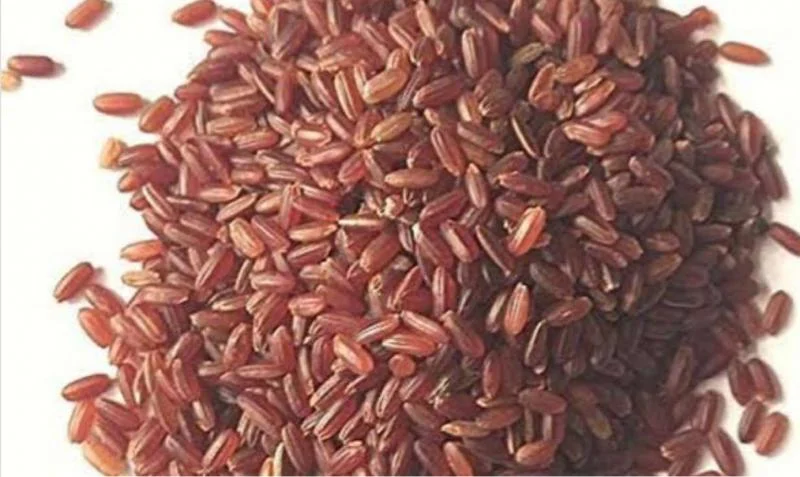
Organic Poongar Red Rice High Fiber Traditional South Indian
Why Businesses Trust Pepagora
Thousands of companies trust Pepagora to source smarter and sell faster
Expand Your Sales Globally
25000+Products listed.Get discovered by global buyers
Tools to boost visibility
Build your own catalog

Source Smarter,Grow Faster
4000+Active RFQs
100+ Countries served
Easy Sourcing Tools
