
 IN
INundefined
Loaders
11 products available
𝗪𝗵𝗮𝘁 𝗮𝗿𝗲 𝗟𝗼𝗮𝗱𝗲𝗿𝘀?
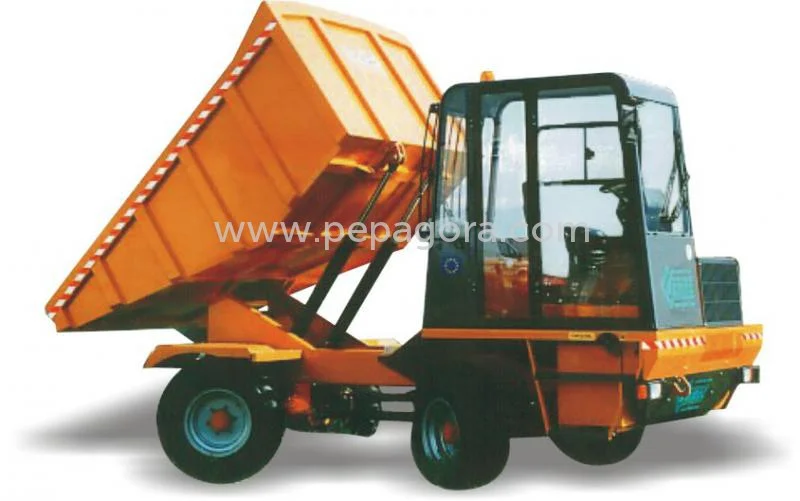
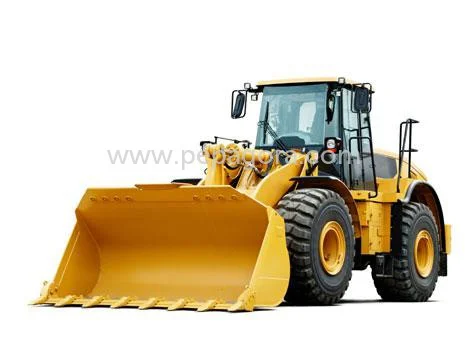
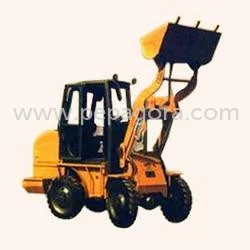
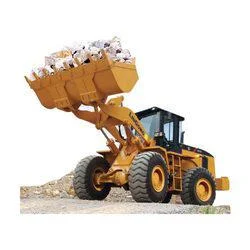
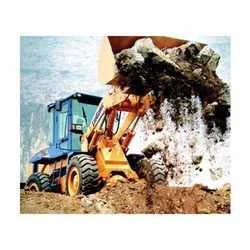
Loaders are heavy machinery designed to move and transport materials within construction, mining, and industrial sites. These versatile machines are equipped with a front-mounted bucket that can scoop, lift, and load various materials ranging from soil and gravel to debris and rocks. Loaders come in various sizes and types, each tailored to meet specific operational needs and site conditions. Their design also allows for attachments such as forks, grapples, and plows, enhancing their functionality across different applications.
In business applications, loaders serve crucial roles in construction projects, material handling, and earthmoving operations. They streamline processes by significantly reducing the time and labor required to move materials, thus increasing overall productivity. Loaders are commonly used in construction for site preparation, in quarries for material loading, and in recycling facilities for processing waste. The demand for loaders has grown in alignment with the expanding construction and infrastructure development sectors globally, making them a vital component in many industrial operations.
𝗞𝗲𝘆 𝗙𝗲𝗮𝘁𝘂𝗿𝗲𝘀 𝗮𝗻𝗱 𝗦𝗽𝗲𝗰𝗶𝗳𝗶𝗰𝗮𝘁𝗶𝗼𝗻𝘀
Loaders come equipped with a variety of features that enhance their performance and usability. Understanding these specifications is essential for businesses looking to invest in this machinery. Below are some key specifications that define loaders.
1. Engine Power
- Loaders typically feature engines ranging from 50 to over 500 horsepower, depending on their size and application. Higher horsepower enables loaders to handle heavier loads and perform more demanding tasks.
2. Operating Weight
- The operating weight of loaders varies widely, generally falling between 4,000 to 100,000 pounds. This weight impacts stability and load capacity, which is crucial for safe operation on job sites.
3. Bucket Capacity
- Loaders can have bucket capacities ranging from 0.5 to over 6 cubic yards. The capacity affects the amount of material that can be moved at once, improving efficiency in operations.
4. Maximum Lift Height
- The maximum lift height can range from 8 to 20 feet. This specification is important for applications that require dumping material into high locations.
5. Breakout Force
- The breakout force of loaders varies and is typically between 7,000 to 30,000 pounds. This force is essential for digging and lifting heavy materials.
6. Transmission Type
- Loaders are available with manual or automatic transmissions, which can impact ease of use and operator comfort.
7. Tire Type
- Loaders can be equipped with various tire types, including standard, heavy-duty, and non-marking tires, each suitable for different operating environments.
8. Attachment Compatibility
- Many loaders are designed to accommodate a range of attachments, enhancing their versatility for different tasks.
In summary, the features and specifications of loaders are critical in determining their suitability for specific applications. Businesses should consider these factors carefully when selecting loaders for their operations.
𝗖𝗼𝗺𝗺𝗼𝗻 𝗔𝗽𝗽𝗹𝗶𝗰𝗮𝘁𝗶𝗼𝗻𝘀 𝗮𝗻𝗱 𝗨𝘀𝗲 𝗖𝗮𝘀𝗲𝘀
Loaders are integral tools across a variety of industries, providing efficiency and effectiveness in material handling.
1. Construction: Loaders are used for site preparation, transporting materials like sand, gravel, and concrete. They play a vital role in excavation and loading operations.
2. Mining: In mining applications, loaders are essential for moving extracted materials to processing areas. They help increase productivity by quickly loading trucks with ore or waste.
3. Agriculture: Loaders assist in moving feed, fertilizers, and other agricultural materials. Their versatility makes them valuable for farm operations.
4. Waste Management: Loaders are employed in recycling facilities to move and load waste materials efficiently. They help streamline the sorting and processing of recyclables.
5. Landscaping: In landscaping projects, loaders are used for transporting soil, mulch, and plants. Their ability to navigate tight spaces makes them ideal for residential sites.
6. Forestry: Loaders are utilized in forestry settings to transport logs and other timber products. They aid in clearing land and managing wood products.
7. Industrial Warehousing: Loaders assist in moving heavy pallets and materials in warehouses, enhancing logistics and storage efficiency.
𝗣𝗿𝗼𝗱𝘂𝗰𝘁 𝗩𝗮𝗿𝗶𝗮𝗻𝘁𝘀 𝗮𝗻𝗱 𝗦𝘂𝗯𝗰𝗮𝘁𝗲𝗴𝗼𝗿𝗶𝗲𝘀
Loaders come in various subcategories, each designed for specific tasks and environments.
Wheel Loaders: These are the most common type of loader, featuring a wheeled design that provides excellent mobility on job sites. They are ideal for construction and material handling in urban areas.
Track Loaders: Equipped with tracks instead of wheels, track loaders offer superior traction and stability on uneven terrain. They are commonly used in landscaping and forestry applications.
Compact Loaders: Designed for smaller spaces, compact loaders are lightweight and maneuverable. They are perfect for residential projects and tight construction sites.
Skid-Steer Loaders: These versatile machines can operate in confined spaces and are often used in landscaping, agriculture, and construction. They can easily be fitted with various attachments.
𝗕𝗲𝗻𝗲𝗳𝗶𝘁𝘀 𝗮𝗻𝗱 𝗔𝗱𝘃𝗮𝗻𝘁𝗮𝗴𝗲𝘀
Investing in loaders offers numerous benefits that enhance operational efficiency and productivity.
1. Increased Efficiency: Loaders can move large quantities of materials quickly, significantly reducing labor costs and time on site.
2. Versatility: With the ability to use various attachments, loaders can perform multiple tasks, making them suitable for diverse applications.
3. Enhanced Safety: Loaders are designed with safety features that help reduce the risk of accidents on job sites, protecting operators and workers.
4. Improved Productivity: The speed and power of loaders enable them to complete tasks faster than manual labor, boosting overall productivity.
5. Cost-Effectiveness: By reducing the time required for material handling, loaders can lead to lower operational costs in the long run.
6. Ease of Operation: Modern loaders are designed with user-friendly controls and ergonomic features, making them accessible for operators of varying skill levels.
𝗕𝘂𝘆𝗶𝗻𝗴 𝗚𝘂𝗶𝗱𝗲 𝗳𝗼𝗿 𝗕𝟮𝗕 𝗕𝘂𝘆𝗲𝗿𝘀
When considering the purchase of loaders, B2B buyers should keep several essential factors in mind to ensure they make informed decisions.
1. Quality Assessment: Evaluate the build quality and durability of the loader. Look for brands known for their reliability and performance in the field.
2. Supplier Verification: Research potential suppliers to ensure they have a good reputation and provide support services. Check for customer reviews and industry certifications.
3. Pricing and MOQ: Understand the pricing structure and minimum order quantities. Compare prices from different suppliers to ensure competitive rates without compromising quality.
4. Delivery and Lead Times: Inquire about delivery schedules and lead times to ensure the loader arrives when needed. Consider suppliers that can meet your timeline requirements.
5. Compliance Requirements: Ensure that the loaders meet relevant industry standards and safety regulations. Check for certifications like CE to ensure compliance with local laws.
𝗖𝗼𝗺𝗽𝗹𝗶𝗮𝗻𝗰𝗲 𝗮𝗻𝗱 𝗖𝗲𝗿𝘁𝗶𝗳𝗶𝗰𝗮𝘁𝗶𝗼𝗻𝘀
Loaders must adhere to various compliance standards to ensure safety and reliability. Relevant quality standards include ISO 9001, which focuses on effective quality management systems, ensuring that products meet customer and regulatory requirements.
Industry certifications such as CE indicate that the equipment complies with safety and environmental standards set by the European Union. These certifications provide assurance to buyers about the quality and safety of the loaders.
Additionally, safety and testing requirements are critical to ensuring the operational integrity of loaders. Regular inspections and adherence to safety protocols help mitigate risks associated with heavy machinery.
Regional compliance considerations also play a significant role. Different regions may have varying regulations concerning emissions, safety, and operational standards, making it essential for buyers to be aware of local requirements.
𝗪𝗵𝘆 𝗦𝗼𝘂𝗿𝗰𝗲 𝗟𝗼𝗮𝗱𝗲𝗿𝘀 𝗳𝗿𝗼𝗺 𝗣𝗲𝗽𝗮𝗴𝗼𝗿𝗮?
Pepagora offers a trusted platform for sourcing loaders with several key advantages that benefit B2B buyers.
Verified Supplier Network: Pepagora connects buyers with a network of verified suppliers, ensuring that businesses only engage with reputable manufacturers. This network enhances buyer confidence and helps in making informed decisions.
Streamlined RFQ Process: The request for quotation (RFQ) process on Pepagora is designed to be efficient and user-friendly. Buyers can quickly receive quotes from multiple suppliers, facilitating comparison and selection.
Trade Assurance and Support: Pepagora provides trade assurance, offering buyer protection and support throughout the purchasing process. This includes assistance with payments and dispute resolutions, ensuring a smooth transaction experience.
Regional Coverage: With a strong presence in India, the GCC, and Southeast Asia, Pepagora provides extensive regional coverage. This allows buyers to source loaders conveniently within their geographical areas, making logistics and support more accessible.
In conclusion, sourcing loaders through Pepagora ensures a reliable and efficient purchasing process while providing access to a wide range of quality products and suppliers.
Newly Added


Recently Added
Adequate Steel Fabricators
Industrial Material Handling 65Ltr Trolley Durable Easy Maneuver
Industrial Cantilever Racking For Long Materials Storage
Industrial Plastic Crates For Storage Logistics 100 250mm Stackable
BMR Constructive Solutions
Maxforce Series 6 Hydraulic Tools For Construction And Mining
Maxforce Mounted Hydraulic Tools High Performance Durable Construction Mining
Industrial Diesel Forklift Liugong CPCD60 Heavy Duty Material Handling
Marshal Hydraulics
Industrial Weighing Pallet Trucks For Warehouse Logistics
Industrial Hydraulic Beam Hand Pallet Truck For Heavy Duty Material Handling
Premium Electric Stackers For Efficient Warehouse Material Handling
Balaji Electronics
Industrial Bearing Condition Monitoring System For Predictive Maintenance
Premium Coal Drill Bits With Tungsten Carbide Tips And EN 9 Steel
Heavy Duty Earth Moving Machine With Pneumatic Control For Construction
Alite Earthmovers
Premium Hydraulic Cylinders For Excavators Durable High Performance
Premium Hydraulic Cylinders For Cranes High Performance Durable
Mill Duty Hydraulic Cylinders For Heavy Industrial Applications
Besto Handling System Company
Premium Material Handling Equipment Supplier In Chennai
Material Handling Equipment Rentals For Warehouses And Logistics
Professional Garage Heavy Duty Vehicle Scissor Lift For Cars SUVs
Business Associaates
Sourcing Services For Manufacturing Partners With Lowest Commission
Precision Pattern And Casting Design Technical Services For Manufacturing
Heavy Duty 47kw 4WD Front Loader Wheel Loader for Construction
Naldehra Building Centre
Heavy Duty Bar Cutting Machine for Rebar and Rod Precision
Industrial Soya Milk Machine 100L/Hour 2HP LPG Operation
Commercial Paneer Making Machine 100kg/Hour Automated Dairy Production
Awate Auto
Emergency Medical Services Advanced Ambulances For Hospitals
Government India Standard Fire Fighter Vehicles Advanced Firefighting Trucks
Heavy Duty 2500L Jetting Machine For Sewer And Pipeline Cleaning
Chandra Industrial Works
Industrial Automotive Ratchet And Combination Spanners Durable Reliable
Railway Maintenance Heavy Duty Fish Bolt Spanner For Construction
Industrial Locking Pins For Secure Fastening In Machinery And Equipment
Why Businesses Trust Pepagora
Thousands of companies trust Pepagora to source smarter and sell faster
Expand Your Sales Globally
25000+Products listed.Get discovered by global buyers
Tools to boost visibility
Build your own catalog

Source Smarter,Grow Faster
4000+Active RFQs
100+ Countries served
Easy Sourcing Tools
