
 IN
INundefined
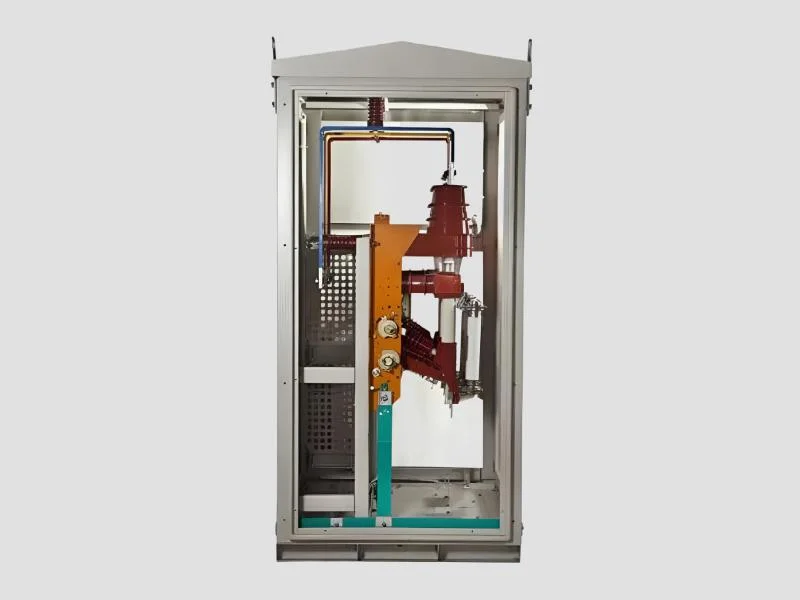
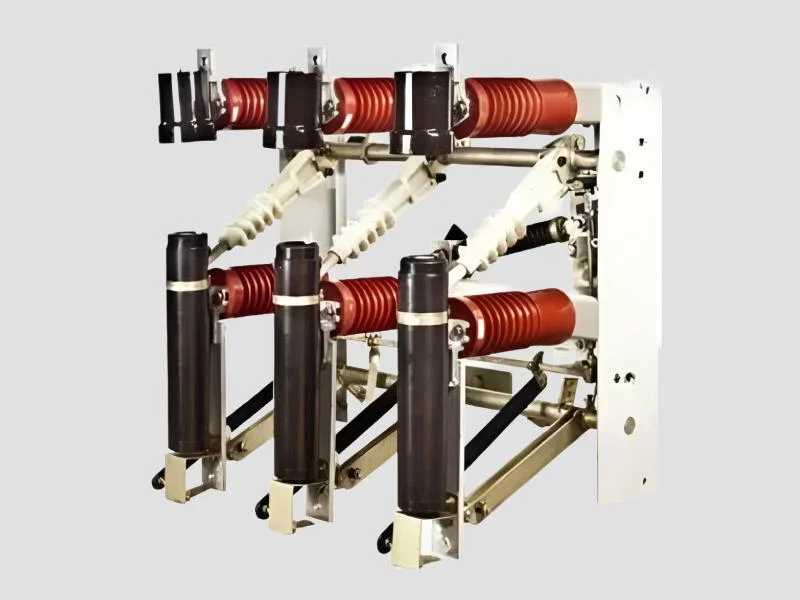
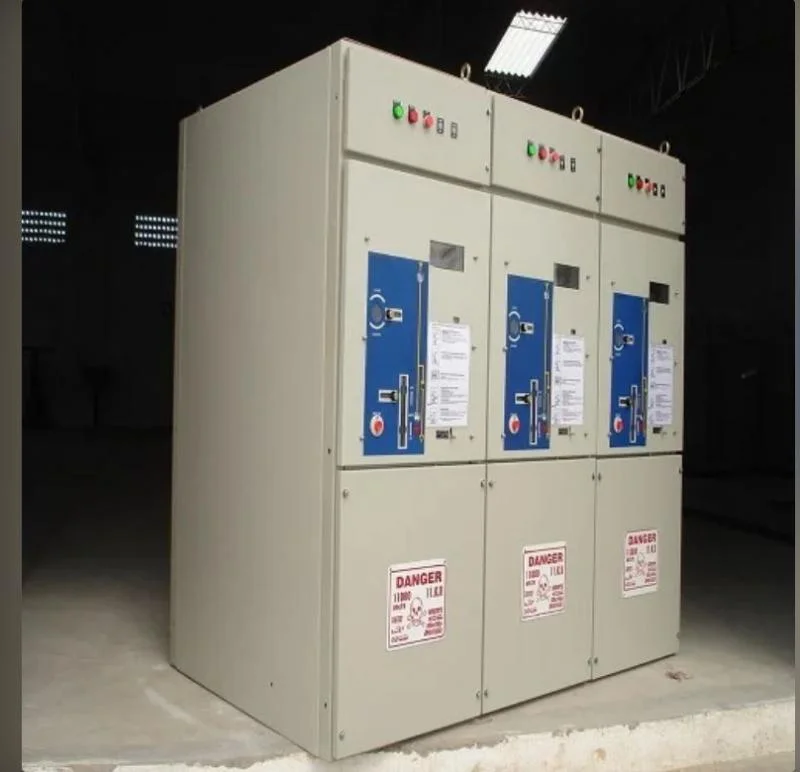
Load Break Switches
24 products available
𝗪𝗵𝗮𝘁 𝗮𝗿𝗲 𝗟𝗼𝗮𝗱 𝗕𝗿𝗲𝗮𝗸 𝗦𝘄𝗶𝘁𝗰𝗵𝗲𝘀?
Load Break Switches are electrical devices designed to safely interrupt the flow of electricity in a circuit under load conditions. They are commonly used in power distribution systems to provide a means of isolating equipment for maintenance or emergencies. These switches are engineered to handle the electrical load while ensuring minimal risk of arcing or electrical hazards during the switching process.
Load Break Switches find their primary applications in various sectors, including utility companies, industrial plants, and commercial establishments. They are crucial for managing electrical systems, allowing operators to maintain and repair equipment without disrupting the power supply. Their reliability and safety features make them an essential component in high voltage and medium voltage distribution networks, enhancing operational efficiency and safety.
In the current market context, Load Break Switches are increasingly relevant due to the rising demand for efficient power management solutions. As industries move towards automation and require reliable electrical infrastructure, the market for these switches continues to grow. This trend emphasizes the importance of integrating advanced technology and safety standards into their design and application.
𝗞𝗲𝘆 𝗙𝗲𝗮𝘁𝘂𝗿𝗲𝘀 𝗮𝗻𝗱 𝗦𝗽𝗲𝗰𝗶𝗳𝗶𝗰𝗮𝘁𝗶𝗼𝗻𝘀
Load Break Switches are equipped with several key features that enhance their functionality and reliability. Understanding these specifications is critical for selecting the right switch for specific applications.
Key specifications include:
1. Voltage Rating
- Load Break Switches are available in various voltage ratings, typically ranging from 1 kV to 36 kV.
- This allows them to be suitable for different power distribution applications.
2. Current Rating
- The current rating of these switches can vary, commonly found in ranges of 200 A to 630 A.
- This specification determines the maximum current the switch can handle effectively.
3. Insulation Type
- Load Break Switches can be equipped with air or gas insulation.
- Gas-insulated switches offer superior protection in compact spaces.
4. Operating Mechanism
- They can be manually operated or motorized, depending on the application requirements.
- Motorized options provide remote operation capabilities.
5. Safety Features
- Many models include arc extinguishing capabilities to prevent electrical faults.
- These features enhance user safety during operation.
6. Compliance Standards
- Load Break Switches adhere to international standards such as IEC and ANSI.
- Compliance ensures they meet safety and performance requirements.
7. Installation Type
- These switches are available for both indoor and outdoor installations.
- Outdoor variants are designed to withstand environmental elements.
8. Maintenance Requirements
- Load Break Switches are designed for minimal maintenance to ensure reliability.
- Regular inspections are recommended to maintain optimal performance.
In summary, selecting Load Break Switches involves considering these specifications to ensure suitability for your specific electrical applications.
𝗖𝗼𝗺𝗺𝗼𝗻 𝗔𝗽𝗽𝗹𝗶𝗰𝗮𝘁𝗶𝗼𝗻𝘀 𝗮𝗻𝗱 𝗨𝘀𝗲 𝗖𝗮𝘀𝗲𝘀
Load Break Switches are versatile components used across various industries to manage electrical distribution and enhance safety.
1. Utilities: In the utility sector, Load Break Switches are essential for managing electrical grids. They help isolate sections of the network for maintenance without interrupting service to customers.
2. Manufacturing: In manufacturing plants, these switches play a vital role in powering machinery and equipment. They allow for safe maintenance and repairs of production lines.
3. Commercial Buildings: Load Break Switches are used in commercial buildings to ensure the safety of electrical systems. They enable property managers to maintain power distribution systems effectively.
4. Renewable Energy: In renewable energy installations, such as solar farms, these switches help manage power output and protect equipment from electrical faults.
5. Transportation: In the transportation sector, Load Break Switches are utilized in rail systems to manage electrical power for trains and signaling equipment.
6. Mining: Mining operations use Load Break Switches to control power supply to heavy machinery, ensuring safe operation in hazardous environments.
7. Data Centers: In data centers, these switches provide reliable power management, crucial for maintaining server uptime and protecting sensitive equipment.
𝗣𝗿𝗼𝗱𝘂𝗰𝘁 𝗩𝗮𝗿𝗶𝗮𝗻𝘁𝘀 𝗮𝗻𝗱 𝗦𝘂𝗯𝗰𝗮𝘁𝗲𝗴𝗼𝗿𝗶𝗲𝘀
Load Break Switches come in a variety of designs and configurations to meet diverse operational needs.
Vacuum Load Break Switches
These switches utilize a vacuum to interrupt the electrical circuit. They are known for their long lifespan and low maintenance requirements, making them ideal for medium voltage applications.
Oil-Insulated Load Break Switches
These switches employ oil insulation for enhanced protection against electrical faults. They are commonly used in outdoor installations due to their robustness in harsh environments.
Sulfur Hexafluoride (SF6) Load Break Switches
Utilizing SF6 gas for insulation, these switches are highly efficient and compact. They are suitable for high voltage applications where space is limited.
Hybrid Load Break Switches
These switches combine traditional and modern technologies, offering flexibility and efficiency in power distribution systems. They are suitable for various industrial applications.
𝗕𝗲𝗻𝗲𝗳𝗶𝘁𝘀 𝗮𝗻𝗱 𝗔𝗱𝘃𝗮𝗻𝘁𝗮𝗴𝗲𝘀
Choosing Load Break Switches offers several advantages that enhance operational efficiency and safety.
1. Improved Safety: Load Break Switches are designed to minimize electrical hazards, providing a safer working environment for operators.
2. Enhanced Reliability: With robust construction and advanced materials, these switches ensure consistent performance and long service life.
3. Easy Maintenance: Many Load Break Switches require minimal maintenance, reducing downtime and operational costs.
4. Versatility: They can be used in a variety of applications across multiple industries, making them a flexible solution for power management.
5. Compliance Assurance: Load Break Switches meet international safety and performance standards, ensuring regulatory compliance for businesses.
6. Remote Operation Options: Motorized variants allow for remote operation, providing greater convenience and safety in managing electrical systems.
𝗕𝘂𝘆𝗶𝗻𝗴 𝗚𝘂𝗶𝗱𝗲 𝗳𝗼𝗿 𝗕𝟮𝗕 𝗕𝘂𝘆𝗲𝗿𝘀
When sourcing Load Break Switches, it is essential for B2B buyers to consider several critical factors to ensure informed purchasing decisions.
1. Quality Assessment: Buyers should evaluate the quality of Load Break Switches based on material standards and manufacturer reputation. High-quality switches tend to have better performance and reliability.
2. Supplier Verification: It is crucial to vet suppliers for their credibility and track record in providing Load Break Switches. This includes checking references and reviewing past projects.
3. Pricing and MOQ: Understanding the pricing structure and minimum order quantities (MOQ) is vital for budget management. Buyers should compare quotes from multiple suppliers to ensure competitive pricing.
4. Delivery and Lead Times: Buyers should inquire about delivery schedules and lead times to ensure that their projects remain on track. Timely delivery is critical in maintaining workflow continuity.
5. Compliance Requirements: Ensure that the selected Load Break Switches comply with relevant industry regulations and standards. This reduces the risk of legal issues and enhances operational safety.
𝗖𝗼𝗺𝗽𝗹𝗶𝗮𝗻𝗰𝗲 𝗮𝗻𝗱 𝗖𝗲𝗿𝘁𝗶𝗳𝗶𝗰𝗮𝘁𝗶𝗼𝗻𝘀
Load Break Switches are subject to various compliance and certification requirements to ensure safety and performance.
Relevant quality standards such as ISO 9001 are critical for manufacturing processes, ensuring consistent quality management. Companies that adhere to these standards demonstrate their commitment to quality and reliability.
Industry certifications like CE signify that Load Break Switches meet European safety, health, and environmental protection standards. This certification is crucial for accessing markets in Europe and other regions.
Safety and testing requirements involve rigorous evaluations to ensure that Load Break Switches can withstand operational demands and environmental conditions. Compliance with these requirements is essential to guarantee user safety and product effectiveness.
Regional compliance considerations vary by location, influencing the standards and certifications required for Load Break Switches. Buyers should be aware of local regulations to avoid non-compliance issues.
𝗪𝗵𝘆 𝗦𝗼𝘂𝗿𝗰𝗲 𝗟𝗼𝗮𝗱 𝗕𝗿𝗲𝗮𝗸 𝗦𝘄𝗶𝘁𝗰𝗵𝗲𝘀 𝗳𝗿𝗼𝗺 𝗣𝗲𝗽𝗮𝗴𝗼𝗿𝗮?
Pepagora offers a trusted platform for sourcing Load Break Switches, ensuring a seamless purchasing experience for B2B buyers.
Verified Supplier Network: Pepagora collaborates with a network of verified suppliers, ensuring that buyers have access to high-quality Load Break Switches from reputable manufacturers. This verification process adds an extra layer of confidence in the sourcing process.
Streamlined RFQ Process: The request for quotation (RFQ) system on Pepagora simplifies the process of obtaining quotes from multiple suppliers. This efficiency allows buyers to compare options easily and make informed decisions.
Trade Assurance and Support: Pepagora provides trade assurance, protecting buyers against potential risks during transactions. Their dedicated support team is available to assist with any inquiries or issues that may arise.
Regional Coverage: With a strong presence in India, the GCC, and Southeast Asia, Pepagora ensures that buyers can source Load Break Switches from local suppliers, enhancing logistics and reducing lead times.
By choosing Pepagora, B2B buyers can confidently source Load Break Switches that meet their operational needs while benefiting from a robust support system and verified supplier network.
Newly Added




Recently Added
Deepak Sales Corporation
Premium Industrial Electrical Wires And Cables For Projects
ISI Certified Cable Jointing Kits With Heat Shrinkable Joints And Stress Control
Commercial ISI Marked Fans With Noise Free Motors And Powder Coated Bodies
Padam Cables
LF FR PVC Insulated Multi Strand House Wire For Residential And Commercial Wiring
LF FR PVC Insulated Multi Strand House Wire For Residential And Commercial
LFHR ZHLS PVC Insulated Multi Strand House Wire Zero Halogen Low Smoke
Bhagyashri Enterprises
Industrial Automation Electric Control Panels For Process Control
Outdoor Panels: Durable, Weather Resistant, High Performance
Industrial Commercial Power Distribution Feeder Pillars Reliable Durable
Krutika Electricals
Industrial Current Transformers Block Plugging Type Accurate Measurement
Industrial LT TOD Meters Digital Control Temperature Indicators
Industrial Digital HT/LT Meters With Temperature Indicators
Pentagon Switchgear Private Limited
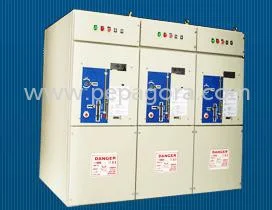
Medium Voltage Load Break Switch 11kV To 33kV Vacuum Insulation 630A
Industrial Power 11KV/33KV Load Break Switch Panel 630A 24kV Manual Vacuum
Power Station 11KV/33KV Outdoor Load Break Switch Panel 630A Manual
Venkat Switchgears
Industrial OEM Motor Control Centers Standard Size New
Industrial Power Distribution Bus Bar Boxes 32A to 630A Single Three Phase
Industrial HT Metering Panels Zero Bushings Bottom Cable EB Standards
New Aquaria Electech Pvt Ltd
Industrial Medium Voltage Load Break Switch 11KV 22KV 33KV Panel Mount
Industrial Capacitor Switches For Power Factor Correction And Energy Management
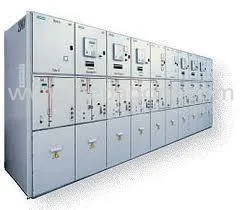
Industrial Utility Medium Voltage Switchgears For Power Distribution
Sujatha Electronics
Industrial Air Preparation Units Automatic Drain Filter Regulator G1/4 G1
Industrial Automation Square Cylinders VDMA 24562 A20 A21 Series 32 100mm
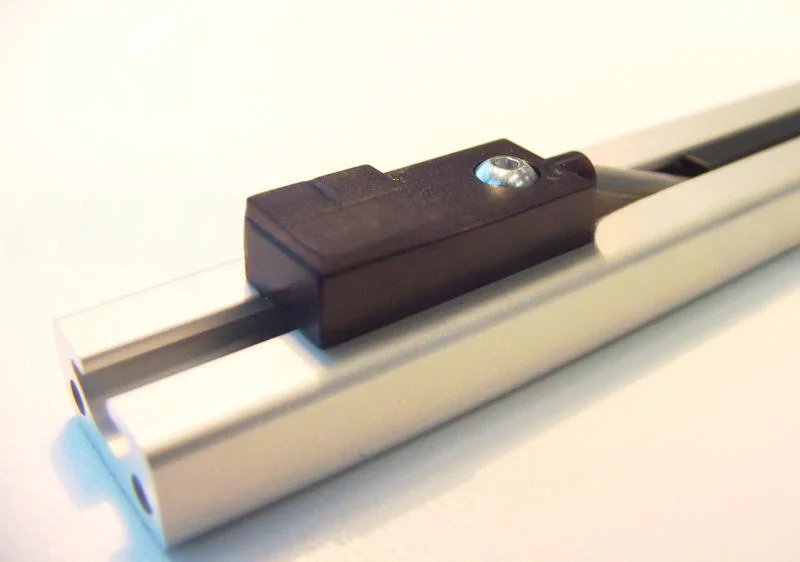
Industrial Automation Compact ISO Cylinder 32 100mm Bore Magnetic Reed Switch
Yog Electrical
Industrial Plain Steel Bars For Construction And Manufacturing
Premium Stay Wire High Tensile Strength Corrosion Resistant Electrical Construction
Industrial Hot Dip Galvanized Wire BWG8 BWG16 Corrosion Resistant
Balajee Enterprises, India
Retrofitted Vacuum Circuit Breaker Mechanisms For ABB Areva S&S MEI
Industrial Medium Voltage Vacuum Circuit Breaker For Electrical Protection
India's Largest Supplier Retrofit Vacuum Circuit Breakers Industrial Commercial
Why Businesses Trust Pepagora
Thousands of companies trust Pepagora to source smarter and sell faster
Expand Your Sales Globally
25000+Products listed.Get discovered by global buyers
Tools to boost visibility
Build your own catalog

Source Smarter,Grow Faster
4000+Active RFQs
100+ Countries served
Easy Sourcing Tools
