
 IN
INundefined
Linen Fabric Traders
3 products available
𝗪𝗵𝗮𝘁 𝗮𝗿𝗲 𝗟𝗶𝗻𝗲𝗻 𝗙𝗮𝗯𝗿𝗶𝗰 𝗧𝗿𝗮𝗱𝗲𝗿𝘀?
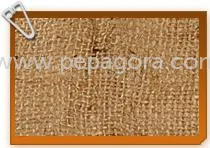
Linen Fabric Traders are businesses that specialize in the sourcing, distribution, and sale of linen fabrics. Linen, derived from the fibers of the flax plant, is known for its durability, breathability, and natural luster. These traders play a crucial role in connecting manufacturers and retailers, ensuring a steady supply of high-quality linen to various sectors.
The primary uses of linen fabric include apparel, home textiles, and industrial applications. In the fashion industry, linen is favored for its lightweight and breathable qualities, making it ideal for summer clothing. In home textiles, linen is used in products such as bed linens, curtains, and upholstery, valued for its aesthetic appeal and comfort. Additionally, linen's strength and resistance to wear make it suitable for industrial uses, including workwear and other specialized fabrics.
In the broader market context, linen fabric trading is influenced by global demand for sustainable and natural fibers. As consumers increasingly prioritize eco-friendly products, the relevance of linen fabric continues to grow. This has led to a competitive market where quality, sourcing practices, and supplier relationships are paramount for success.
𝗞𝗲𝘆 𝗙𝗲𝗮𝘁𝘂𝗿𝗲𝘀 𝗮𝗻𝗱 𝗦𝗽𝗲𝗰𝗶𝗳𝗶𝗰𝗮𝘁𝗶𝗼𝗻𝘀
Linen fabric traders offer a range of features and specifications that cater to diverse needs in various industries. Understanding these specifications is vital for B2B buyers to make informed decisions.
Key specifications include:
1. Fabric Weight
- The weight of linen fabric typically ranges from 100 to 300 grams per square meter.
- Heavier weights are preferred for upholstery, while lighter weights are ideal for clothing.
2. Weave Type
- Linen fabrics come in various weaves, including plain, twill, and herringbone.
- Each weave offers different textures and appearances, suitable for specific applications.
3. Color Options
- Linen is available in a wide array of colors, including natural, dyed, and printed options.
- Custom dyeing services may also be offered by some traders.
4. Finish Types
- Linen can be finished in ways that enhance its softness or durability.
- Common finishes include stone washing and mercerization.
5. Breathability
- Linen is known for its excellent breathability, making it a comfortable choice for warm climates.
- This quality is particularly valued in apparel and home textiles.
6. Environmental Impact
- Linen is a sustainable fabric, as it is biodegradable and requires less water to produce compared to cotton.
- Many traders emphasize eco-friendly sourcing practices.
7. Durability
- Linen is one of the strongest natural fibers, providing significant wear resistance.
- This property makes it suitable for both fashion and industrial applications.
8. Customization Options
- Many linen fabric traders offer customization services, allowing buyers to request specific patterns, weights, and finishes.
- This flexibility is essential for businesses looking for tailored solutions.
In summary, understanding these key features and specifications can help buyers select the right linen fabric to meet their specific needs, ensuring quality and performance.
𝗖𝗼𝗺𝗺𝗼𝗻 𝗔𝗽𝗽𝗹𝗶𝗰𝗮𝘁𝗶𝗼𝗻𝘀 𝗮𝗻𝗱 𝗨𝘀𝗲 𝗖𝗮𝘀𝗲𝘀
Linen fabric is utilized across various industries, showcasing its versatility and unique properties.
1. Fashion Industry: Linen is commonly used in summer apparel such as shirts, dresses, and trousers due to its breathability and lightweight nature. Designers appreciate its natural drape and texture, making it a favored choice for high-end garments.
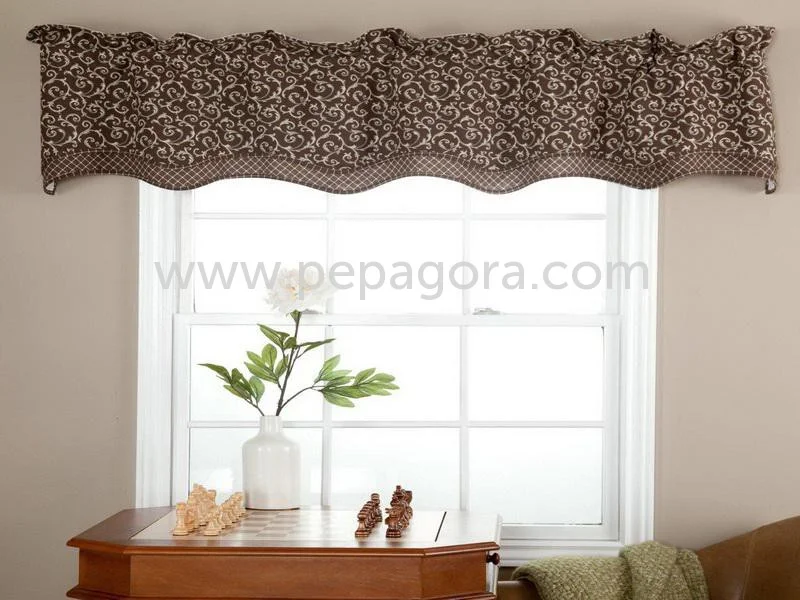
2. Home Textiles: In the home textiles sector, linen is popular for bed linens, tablecloths, and curtains. Its ability to regulate temperature and moisture makes it comfortable and functional for home environments.
3. Hospitality Sector: Linen is extensively used in hotels and restaurants for table linens, uniforms, and bedding. Its durability and elegant appearance enhance the overall aesthetic of hospitality settings.
4. Health and Wellness: Linen is also finding applications in healthcare for uniforms and bed linens, thanks to its hypoallergenic properties and ease of cleaning.
5. Craft and DIY: Crafters and DIY enthusiasts often use linen for sewing projects, upholstery, and crafts due to its versatility and ease of manipulation.
6. Industrial Applications: Linen fibers are employed in making durable sacks and packaging materials, suitable for industries that require strong and sustainable packaging solutions.
7. Home Décor: Linen is widely used in upholstery and soft furnishings, adding a natural touch to interior spaces.
𝗣𝗿𝗼𝗱𝘂𝗰𝘁 𝗩𝗮𝗿𝗶𝗮𝗻𝘁𝘀 𝗮𝗻𝗱 𝗦𝘂𝗯𝗰𝗮𝘁𝗲𝗴𝗼𝗿𝗶𝗲𝘀
Linen fabric offers a diverse range of variants, allowing businesses to select products that best suit their needs.
Plain Linen
This classic variant is characterized by its simple, unembellished look. It is often used in apparel and home textiles, valued for its natural texture and breathability.
Dyed Linen
Dyed linen features vibrant colors and patterns, making it suitable for fashion and decorative applications. This variant allows for creativity and personalization in design.
Printed Linen
Printed linen is adorned with various designs, offering versatility for fashion and home décor. This variant caters to those looking for unique and stylish options.
Linen Blends
Linen can be blended with other fibers, such as cotton or polyester, to enhance specific characteristics like softness or wrinkle resistance. These blends are popular in both clothing and home textiles.
𝗕𝗲𝗻𝗲𝗳𝗶𝘁𝘀 𝗮𝗻𝗱 𝗔𝗱𝘃𝗮𝗻𝘁𝗮𝗴𝗲𝘀
Sourcing linen fabric from trusted traders offers numerous advantages for businesses.
1. High Durability: Linen is known for its exceptional strength, making it a long-lasting choice for various applications, from fashion to industrial use.
2. Breathability: The natural properties of linen allow for excellent airflow, enhancing comfort in both clothing and home textiles.
3. Sustainability: Linen is an eco-friendly option, as it is made from biodegradable fibers and requires fewer resources to produce compared to other fabrics.
4. Versatile Applications: Linen can be used across multiple industries, from fashion to hospitality, providing flexibility for businesses.
5. Natural Aesthetic: The unique texture and appearance of linen add a touch of elegance and sophistication to products, appealing to consumers.
6. Customization Potential: Many linen fabric traders offer customization options, allowing businesses to create unique products that meet specific market demands.
𝗕𝘂𝘆𝗶𝗻𝗴 𝗚𝘂𝗶𝗱𝗲 𝗳𝗼𝗿 𝗕𝟮𝗕 𝗕𝘂𝘆𝗲𝗿𝘀
When sourcing linen fabric traders, it is essential to consider several key factors to ensure a successful partnership.
1. Quality Assessment: Evaluate the quality of the linen fabric by requesting samples and reviewing certifications. Look for consistent texture, color, and durability to meet your standards.
2. Supplier Verification: Conduct thorough research on potential suppliers. Verify their reputation, track record, and production capabilities to ensure reliability and quality.
3. Pricing and MOQ: Understand the pricing structure and minimum order quantities (MOQ). This information will help you budget appropriately and avoid unexpected costs.
4. Delivery and Lead Times: Discuss delivery schedules and lead times with suppliers. Ensure they can meet your timelines to avoid disruptions in your supply chain.
5. Compliance Requirements: Familiarize yourself with regulatory needs related to linen fabric, including safety and environmental standards. Ensure your suppliers adhere to these regulations.
𝗖𝗼𝗺𝗽𝗹𝗶𝗮𝗻𝗰𝗲 𝗮𝗻𝗱 𝗖𝗲𝗿𝘁𝗶𝗳𝗶𝗰𝗮𝘁𝗶𝗼𝗻𝘀
Linen fabric traders must adhere to various quality standards and certifications to ensure their products meet industry demands.
Relevant quality standards, such as ISO 9001, emphasize the importance of consistent quality management systems. Traders often seek this certification to assure clients of their commitment to quality.
The CE certification is particularly significant for products sold within the European market, indicating compliance with safety and environmental standards. Traders should strive for this certification to enhance their credibility.
Safety and testing requirements are critical in ensuring that linen fabrics are free from harmful substances. Rigorous testing processes should be implemented to meet safety standards.
Regional compliance considerations also play a vital role, as regulations may vary by country. Traders must keep abreast of local laws and industry standards to ensure compliance and avoid potential legal issues.
𝗪𝗵𝘆 𝗦𝗼𝘂𝗿𝗰𝗲 𝗟𝗶𝗻𝗲𝗻 𝗙𝗮𝗯𝗿𝗶𝗰 𝗧𝗿𝗮𝗱𝗲𝗿𝘀 𝗳𝗿𝗼𝗺 𝗣𝗲𝗽𝗮𝗴𝗼𝗿𝗮?
Pepagora provides a trusted platform for sourcing Linen Fabric Traders, offering several key advantages to B2B buyers.
Verified Supplier Network: Pepagora ensures that all suppliers are thoroughly vetted, providing buyers with confidence in the quality and reliability of their sourcing options. This verification process helps to mitigate risks associated with supplier relationships.
Streamlined RFQ Process: The platform features a user-friendly Request for Quotation (RFQ) system that simplifies the procurement process. Buyers can easily submit their requirements and receive competitive quotes from multiple suppliers, enhancing decision-making efficiency.
Trade Assurance and Support: Pepagora offers trade assurance services that protect buyers against potential risks. This support system ensures that transactions are secure and that buyers can confidently engage with suppliers.
Regional Coverage: With a broad geographic reach that includes India, the Gulf Cooperation Council (GCC), and Southeast Asia, Pepagora connects buyers with local and regional suppliers. This extensive network facilitates better communication and faster logistics, catering to various market needs.
Newly Added


Recently Added
Premier Healthcare Products
Automotive Industrial Gauze Mul Mul Fabric 90cm 8 19 Yards 14x10 40x22 Mesh
Medical Sterile Gauze Swabs 100% Cotton BP USP Standards
Medical Gauze Rolls 4 Ply 100% Cotton Absorbent BP/USP Compliant
Home Zone
Premium Cotton Table Cloths Yarn Dyed Printed Hotel Home
Bulk Cotton Place Mats For Home And Hotel Use
Premium Cotton Table Runners Modern Plain Design No Shrinkage
Howrah Jute Mills Ltd
Industrial Yarn 4 120 Lbs Single Multiple Twist Spools Hanks
Premium Soil Saver Geotextile Fabric for Erosion Control and Construction
Premium Jute Tape Manufacturer 6cm 100cm Widths For Packaging Crafts Construction
Why Businesses Trust Pepagora
Thousands of companies trust Pepagora to source smarter and sell faster
Expand Your Sales Globally
25000+Products listed.Get discovered by global buyers
Tools to boost visibility
Build your own catalog

Source Smarter,Grow Faster
4000+Active RFQs
100+ Countries served
Easy Sourcing Tools
