
 IN
INundefined
Level Sensors (Radar, Float)
5 products available
What are Level Sensors (Radar, Float)?
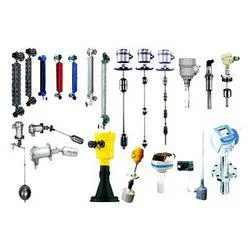
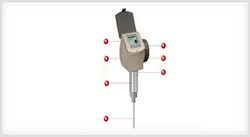
Level sensors are devices used to measure the level of substances, whether liquids or solids, within a given environment. They play a crucial role in various industrial processes by providing accurate and reliable measurements. Radar level sensors utilize microwave signals to detect the level of materials, while float level sensors operate on the principle of buoyancy, using a floating device to indicate the level of a substance.
These sensors are widely used in industries such as water treatment, oil and gas, chemical processing, and food and beverage manufacturing. Their primary function is to ensure safe and efficient operations by monitoring levels in tanks, silos, and other storage facilities. As industries seek to optimize production and maintain safety standards, level sensors are becoming increasingly relevant in the market, driving demand for advanced technologies and reliable solutions.
𝗞𝗲𝘆 𝗙𝗲𝗮𝘁𝘂𝗿𝗲𝘀 𝗮𝗻𝗱 𝗦𝗽𝗲𝗰𝗶𝗳𝗶𝗰𝗮𝘁𝗶𝗼𝗻𝘀
Level sensors come with various features and specifications that cater to different industrial needs. Understanding these specifications is essential for selecting the right sensor for a specific application.
Key specifications include:
1. Measurement Range
- This specification defines the range of levels that the sensor can accurately measure.
- Typical ranges may vary based on the sensor type and application.
2. Accuracy
- Accuracy refers to how close the sensor's reading is to the actual level.
- Common accuracy levels for industrial sensors can be within ±1% of the measured value.
3. Operating Temperature
- This specification indicates the temperature range in which the sensor can function effectively.
- Data not available.
4. Operating Pressure
- This defines the pressure limits within which the sensor can operate.
- High-pressure applications may require specialized sensors.
5. Power Supply
- Level sensors typically operate on specific voltage ranges.
- Common power supply options include 24V DC and 110-240V AC.
6. Communication Protocol
- Many level sensors offer communication capabilities for integration with control systems.
- Common protocols include Modbus, HART, and 4-20 mA.
7. Material Compatibility
- It is crucial for sensors to be compatible with the substances they monitor.
- Materials can include stainless steel, plastic, or other corrosion-resistant options.
8. Certification and Compliance
- Compliance with industry standards ensures reliability and safety.
- Many sensors are CE certified, indicating adherence to European safety standards.
In summary, understanding the key features and specifications of level sensors is essential for making informed decisions during the purchasing process.
𝗖𝗼𝗺𝗺𝗼𝗻 𝗔𝗽𝗽𝗹𝗶𝗰𝗮𝘁𝗶𝗼𝗻𝘀 𝗮𝗻𝗱 𝗨𝘀𝗲 𝗖𝗮𝘀𝗲𝘀
Level sensors serve various industries, each with unique applications.
1. Water Treatment: In water treatment plants, level sensors monitor water levels in tanks to ensure efficient processing and prevent overflow.
2. Oil and Gas: These sensors are used to monitor crude oil levels in storage tanks, helping to optimize extraction and refining processes.
3. Chemical Processing: Level sensors are critical in chemical manufacturing, where they ensure the correct levels of reactants and products in various stages of production.
4. Food and Beverage: In this industry, level sensors help manage ingredients in silos and tanks, ensuring consistency and quality.
5. Pharmaceuticals: Accurate level measurement is vital in pharmaceutical manufacturing to maintain product integrity and comply with regulations.
6. Mining: In mining operations, level sensors monitor slurry levels in tanks, supporting safe and efficient resource extraction.
7. Waste Management: Level sensors help monitor waste levels in collection tanks, aiding in effective waste disposal and management practices.
𝗣𝗿𝗼𝗱𝘂𝗰𝘁 𝗩𝗮𝗿𝗶𝗮𝗻𝘁𝘀 𝗮𝗻𝗱 𝗦𝘂𝗯𝗰𝗮𝘁𝗲𝗴𝗼𝗿𝗶𝗲𝘀
Level sensors come in various types to cater to specific needs and applications.
Radar Level Sensors: These sensors utilize microwave technology to measure levels without contact. They are suitable for high-temperature and high-pressure applications, making them ideal for industries like oil and gas.
Float Level Sensors: These sensors use a buoyant float that rises and falls with the liquid level. They are commonly used in water tanks and chemical storage, providing a simple yet effective solution for level measurement.
𝗕𝗲𝗻𝗲𝗳𝗶𝘁𝘀 𝗮𝗻𝗱 𝗔𝗱𝘃𝗮𝗻𝘁𝗮𝗴𝗲𝘀
Investing in level sensors offers numerous advantages for businesses.
1. Enhanced Accuracy: Level sensors provide precise measurements, reducing the risk of spills and overflows.
2. Improved Safety: By continuously monitoring levels, these sensors help prevent accidents and hazardous situations in industrial settings.
3. Increased Efficiency: Automation of level monitoring results in streamlined operations and reduced manual intervention.
4. Cost Savings: Accurate level measurement can lead to reduced material waste and optimized resource usage.
5. Versatility: Level sensors can be used in a wide range of applications and industries, making them a valuable asset for many businesses.
6. Compliance Assurance: Many sensors meet industry standards, ensuring adherence to safety and regulatory requirements.
𝗕𝘂𝘆𝗶𝗻𝗴 𝗚𝘂𝗶𝗱𝗲 𝗳𝗼𝗿 𝗕𝟮𝗕 𝗕𝘂𝘆𝗲𝗿𝘀
When sourcing level sensors, it is essential to consider several factors.
1. Quality Assessment: Evaluate the quality of the sensors by reviewing manufacturer certifications and user feedback. Quality sensors are critical for reliable performance in industrial applications.
2. Supplier Verification: Vet suppliers by checking their credentials, experience, and reputation in the industry. A verified supplier can provide assurance of product quality.
3. Pricing and MOQ: Consider the overall cost of sensors, including any minimum order quantities. Understanding pricing structures can help in budgeting for your purchases.
4. Delivery and Lead Times: Assess the supplier's ability to meet delivery deadlines, as timely delivery can significantly impact operations.
5. Compliance Requirements: Ensure that the chosen sensors comply with relevant industry regulations and standards to avoid potential legal issues.
𝗖𝗼𝗺𝗽𝗹𝗶𝗮𝗻𝗰𝗲 𝗮𝗻𝗱 𝗖𝗲𝗿𝘁𝗶𝗳𝗶𝗰𝗮𝘁𝗶𝗼𝗻𝘀
Compliance with relevant standards is crucial in the manufacturing and use of level sensors. Many sensors adhere to the ISO 9001 quality management standard, which ensures consistent quality and safety in production processes.
In addition, level sensors often carry certifications such as CE, indicating that they meet European safety, health, and environmental protection requirements.
Safety and testing requirements are also significant in assessing sensor reliability. Sensors must undergo rigorous testing to ensure they can operate effectively within specified temperature and pressure ranges.
Regional compliance considerations may vary, so it is essential to verify that the sensors meet local regulations, particularly in industries such as food and beverage or pharmaceuticals.
Why Source Level Sensors (Radar, Float) from Pepagora?
Pepagora offers a trusted platform for sourcing level sensors, including radar and float types, with several key advantages that enhance the purchasing experience.
Verified Supplier Network: The platform connects buyers with a network of verified suppliers, ensuring the reliability and quality of products offered. This verification process helps businesses make informed purchasing decisions.
Streamlined RFQ Process: Pepagora features a user-friendly quotation system that simplifies the request for quotation process. Buyers can easily obtain competitive pricing from multiple suppliers, saving time and effort.
Trade Assurance and Support: The platform provides trade assurance, giving buyers protection against potential disputes. This added layer of security fosters trust and confidence in the purchasing process.
Regional Coverage: Pepagora serves a diverse geographic area, including India, the Gulf Cooperation Council (GCC), and Southeast Asia. This broad reach allows businesses to source level sensors from a wide array of suppliers, catering to various regional needs.
Newly Added


Recently Added
Bhagwan Associates
Industrial Combustion Control Systems For Fuel Management Efficiency
Industrial Automation George Fischer Signet Controlling Sensors For Corrosive Media
Premium Solenoid Valves For Fluid And Gas Control In Industrial Automation
Controls & Automation Inspection Services
Industrial Automation Consultancy For Efficiency And Compliance
Industrial Pressure Switch Inspection Services For Safety And Compliance
Industrial Pressure Transmitter Inspection Services For Quality And Compliance
Dot Control Systems
Industrial Pressure Switches For Automation HVAC Hydraulic Systems
Industrial Stainless Steel Pressure Gauges For High Durability
Industrial Thermowells Stainless Steel SS316L High Pressure Temperature
Bombay Instrument Mfg Co
Industrial Digital Flow Meters For Liquids With +/ 1% Precision
Bombay Instrument Ultrasonic Flow Meters For Industrial Liquid Measurement
BIEL 300 Electromagnetic Flow Meter For Water Wastewater Measurement
Jaycee Technologies Pvt Ltd
Industrial Digital Microwave Moisture Meter Flush Mount Real Time
Industrial Diaphragm And Point Level Switches For Liquid And Solid Detection
Industrial Electromagnetic And Ultrasonic Flow Meters For Fluid Measurement
Why Businesses Trust Pepagora
Thousands of companies trust Pepagora to source smarter and sell faster
Expand Your Sales Globally
25000+Products listed.Get discovered by global buyers
Tools to boost visibility
Build your own catalog

Source Smarter,Grow Faster
4000+Active RFQs
100+ Countries served
Easy Sourcing Tools
