
 IN
INundefined
Lemongrass
1 products available
𝗪𝗵𝗮𝘁 𝗮𝗿𝗲 𝗟𝗲𝗺𝗼𝗻𝗴𝗿𝗮𝘀𝘀?
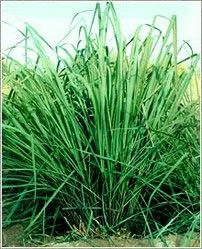
Lemongrass is a tropical plant belonging to the Cymbopogon genus, known for its tall, slender stalks and a distinctive citrus aroma. This aromatic herb is widely recognized for its culinary and medicinal properties. Its flavor profile is reminiscent of lemon, which makes it a popular ingredient in various dishes, particularly in Southeast Asian cuisine. In addition to its culinary uses, lemongrass is also valued for its essential oil, which is extracted for use in perfumery, aromatherapy, and natural health products.
Lemongrass is utilized across multiple sectors, including food and beverage, cosmetics, and pharmaceuticals. In the food industry, it is often used in soups, curries, teas, and marinades, enhancing flavor while providing health benefits. The essential oil extracted from lemongrass is also used in personal care products for its fragrance and potential anti-inflammatory properties. The market for lemongrass is growing, driven by increasing consumer interest in natural and organic products, as well as the expanding use of essential oils in wellness and beauty applications.
The relevance of lemongrass in various industries cannot be overstated. As consumers become more health-conscious, the demand for natural ingredients continues to rise. Businesses looking to incorporate lemongrass into their products can benefit from its versatility and broad appeal, positioning themselves favorably within the market.
𝗞𝗲𝘆 𝗙𝗲𝗮𝘁𝘂𝗿𝗲𝘀 𝗮𝗻𝗱 𝗦𝗽𝗲𝗰𝗶𝗳𝗶𝗰𝗮𝘁𝗶𝗼𝗻𝘀
Lemongrass is characterized by several key features that make it appealing to various industries. Understanding these specifications can help businesses make informed sourcing decisions.
Key specifications include:
1. Origin
- Lemongrass is primarily sourced from tropical regions, with major producers including India, Thailand, and Indonesia.
2. Appearance
- The plant features long, green stalks that can grow up to 3 feet in height. The leaves are narrow and have a strong citrus scent.
3. Essential Oil Content
- Lemongrass contains essential oil, typically ranging between 0.5% to 1.5% of the plant's weight, depending on cultivation and harvesting methods.
4. Flavor Profile
- The herb has a fresh, lemony flavor that enhances dishes and beverages, making it a favorite among chefs and food manufacturers.
5. Shelf Life
- Fresh lemongrass can last up to two weeks when stored properly, while dried lemongrass has a longer shelf life of approximately one year.
6. Nutritional Benefits
- Lemongrass is low in calories and contains vitamins A and C, as well as minerals such as calcium and magnesium.
7. Extraction Methods
- Essential oils are typically extracted through steam distillation, ensuring high quality and purity.
8. Compliance and Safety
- Lemongrass products must comply with local food safety regulations, ensuring they are safe for consumption and use in personal care products.
In summary, understanding the features and specifications of lemongrass is crucial for businesses looking to leverage this versatile herb in their products.
𝗖𝗼𝗺𝗺𝗼𝗻 𝗔𝗽𝗽𝗹𝗶𝗰𝗮𝘁𝗶𝗼𝗻𝘀 𝗮𝗻𝗱 𝗨𝘀𝗲 𝗖𝗮𝘀𝗲𝘀
Lemongrass serves various industries due to its unique flavor and potential health benefits.
1. Food and Beverage: In this sector, lemongrass is used in culinary applications such as soups, teas, marinades, and sauces, enhancing flavors and providing a refreshing taste.
2. Cosmetics: Lemongrass essential oil is a popular ingredient in skincare and haircare products due to its pleasant scent and potential antibacterial properties.
3. Pharmaceuticals: The herb is utilized in traditional medicine for its anti-inflammatory and analgesic properties, making it a valuable component in herbal remedies.
4. Aromatherapy: Lemongrass oil is widely used in aromatherapy practices to promote relaxation and relieve stress.
5. Cleaning Products: The natural antibacterial properties of lemongrass make it an effective ingredient in eco-friendly cleaning solutions.
6. Animal Care: Lemongrass is sometimes included in pet products for its fresh scent and potential insect-repellent qualities.
7. Food Preservation: Lemongrass can be used as a natural preservative due to its antimicrobial properties, extending the shelf life of food products.
𝗣𝗿𝗼𝗱𝘂𝗰𝘁 𝗩𝗮𝗿𝗶𝗮𝗻𝘁𝘀 𝗮𝗻𝗱 𝗦𝘂𝗯𝗰𝗮𝘁𝗲𝗴𝗼𝗿𝗶𝗲𝘀
Lemongrass is available in various forms, providing options for businesses to choose from based on their specific needs.
Fresh Lemongrass: This variant is typically sold in stalks and is favored by chefs and food manufacturers for its vibrant flavor and aroma. It is often used in cooking and beverage preparation.
Dried Lemongrass: This form is ideal for long-term storage and is commonly used in teas and spice blends. Dried lemongrass maintains much of its flavor, making it a convenient option for food production.
Lemongrass Essential Oil: Extracted from the leaves and stalks, this oil is widely used in aromatherapy and cosmetic applications. Its concentrated form offers a powerful lemon scent and potential therapeutic benefits.
Lemongrass Powder: This variant is used as a seasoning or supplement in various food products. The powder form allows for easy incorporation into recipes and formulations.
𝗕𝗲𝗻𝗲𝗳𝗶𝘁𝘀 𝗮𝗻𝗱 𝗔𝗱𝘃𝗮𝗻𝘁𝗮𝗴𝗲𝘀
Lemongrass offers numerous benefits that make it an attractive choice for businesses in various industries.
Key benefits include:
1. Natural Flavor Enhancer: Lemongrass adds a unique citrus flavor to dishes without artificial additives, appealing to health-conscious consumers.
2. Versatile Applications: The herb can be used in multiple sectors, from food and beverage to cosmetics and cleaning products.
3. Health Benefits: With potential anti-inflammatory and antimicrobial properties, lemongrass contributes to wellness and health-focused formulations.
4. Sustainable Sourcing: As a renewable resource, lemongrass can be cultivated sustainably, aligning with growing consumer demand for eco-friendly products.
5. Aromatic Qualities: The pleasant scent of lemongrass makes it a favored ingredient in perfumes and aromatherapy products, enhancing overall consumer experience.
6. Cost-Effectiveness: Lemongrass offers a competitive price point, particularly for bulk purchases, making it an economical choice for manufacturers.
𝗕𝘂𝘆𝗶𝗻𝗴 𝗚𝘂𝗶𝗱𝗲 𝗳𝗼𝗿 𝗕𝟮𝗕 𝗕𝘂𝘆𝗲𝗿𝘀
When sourcing lemongrass, businesses should consider several important factors to ensure quality and suitability.
1. Quality Assessment: It is essential to evaluate the quality of lemongrass by checking for freshness, color, and aroma. Businesses should also inquire about the cultivation and harvesting methods to guarantee premium products.
2. Supplier Verification: Vetting suppliers is crucial. Buyers should seek reputable suppliers with a track record of quality and reliability. Certifications and previous customer reviews can provide insight into a supplier's credibility.
3. Pricing and MOQ: Understanding the pricing structure and minimum order quantity (MOQ) is vital for budgeting. Buyers should compare prices across suppliers to ensure they receive competitive rates.
4. Delivery and Lead Times: Logistics play a significant role in sourcing lemongrass. Businesses should clarify delivery timelines and confirm that suppliers can meet their production schedules.
5. Compliance Requirements: Buyers must ensure that the lemongrass products comply with local regulations and standards for food safety, especially if used in consumables or cosmetics.
𝗖𝗼𝗺𝗽𝗹𝗶𝗮𝗻𝗰𝗲 𝗮𝗻𝗱 𝗖𝗲𝗿𝘁𝗶𝗳𝗶𝗰𝗮𝘁𝗶𝗼𝗻𝘀
Lemongrass products must meet specific compliance standards to ensure safety and quality. Key quality standards include ISO 9001, which focuses on maintaining a quality management system, and HACCP, which is essential for food safety management.
Additionally, industry certifications such as CE can indicate that lemongrass products meet European safety, health, and environmental protection standards.
Businesses must also be aware of safety and testing requirements, which may vary by region. Compliance with local regulations is necessary, particularly for food and cosmetic products, to ensure they are safe for consumer use.
Regional compliance considerations are also important, as different countries may have varying standards for the import and sale of lemongrass products.
𝗪𝗵𝘆 𝗦𝗼𝘂𝗿𝗰𝗲 𝗟𝗲𝗺𝗼𝗻𝗴𝗿𝗮𝘀𝘀 𝗳𝗿𝗼𝗺 𝗣𝗲𝗽𝗮𝗴𝗼𝗿𝗮?
Pepagora provides a trusted platform for sourcing lemongrass, offering several key advantages for businesses.
Verified Supplier Network: Pepagora connects buyers with a network of verified suppliers, ensuring that businesses can source high-quality lemongrass from reputable sources. This verification process helps mitigate risks associated with supplier reliability.
Streamlined RFQ Process: The request for quotation (RFQ) process at Pepagora is designed to be user-friendly and efficient. Buyers can easily submit their requirements and receive multiple quotes, allowing for informed decision-making.
Trade Assurance and Support: Pepagora offers trade assurance, providing buyers with protection and support throughout the purchasing process. This feature instills confidence in sourcing decisions, ensuring that businesses can trust their suppliers.
Regional Coverage: With a strong presence in India, the Gulf Cooperation Council (GCC), and Southeast Asia, Pepagora enables businesses to access a diverse range of suppliers across key markets. This geographic reach ensures that buyers can find the best lemongrass products tailored to their needs.


Recently Added
Jenson Enterprises Pvt Ltd
Bulk Coleus Root For Heart Lung Digestive Health Ayurveda
Acorus Calamus Sweet Flag Medicinal Herb For Herbal Medicine
Premium Tulsi Leaves For Healthcare, Cosmetics, And Wellness
Why Businesses Trust Pepagora
Thousands of companies trust Pepagora to source smarter and sell faster
Expand Your Sales Globally
25000+Products listed.Get discovered by global buyers
Tools to boost visibility
Build your own catalog

Source Smarter,Grow Faster
4000+Active RFQs
100+ Countries served
Easy Sourcing Tools
