
 IN
INundefined
Leather for Bags & Accessories
6 products available
𝗪𝗵𝗮𝘁 𝗮𝗿𝗲 𝗟𝗲𝗮𝘁𝗵𝗲𝗿 𝗳𝗼𝗿 𝗕𝗮𝗴𝘀 & 𝗔𝗰𝗰𝗲𝘀𝘀𝗼𝗿𝗶𝗲𝘀?
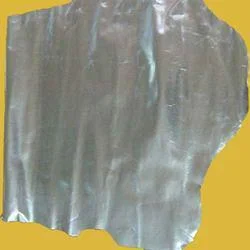
Leather for bags and accessories refers to high-quality animal hides that are processed and treated to create durable and aesthetically pleasing materials used in manufacturing various products. This type of leather is known for its strength, flexibility, and ability to withstand wear and tear. It is commonly sourced from cattle, sheep, and goats, with different treatments and finishes applied to achieve desired textures and colors.
The primary uses of leather in this category include handbags, wallets, belts, and other fashion accessories. Businesses in the fashion, retail, and luxury goods sectors utilize leather for its premium appeal and versatility. The leather market is a significant segment of the global textile and accessory industry, with growing demand driven by consumer preferences for sustainable and high-quality materials.
The relevance of leather in the industry is underscored by its rich history and enduring popularity. As consumers increasingly seek out unique and handcrafted items, leather products are often perceived as status symbols, contributing to their significance in the market. The leather industry continues to evolve, integrating modern technology and sustainable practices to meet contemporary consumer expectations.
𝗞𝗲𝘆 𝗙𝗲𝗮𝘁𝘂𝗿𝗲𝘀 𝗮𝗻𝗱 𝗦𝗽𝗲𝗰𝗶𝗳𝗶𝗰𝗮𝘁𝗶𝗼𝗻𝘀
Leather for bags and accessories possesses several key features that make it a preferred material for manufacturers. These features enhance the usability and appeal of the final products.
Key specifications include:
1. Tannage Process
- The method used to treat the leather, influencing durability and texture.
- Common types include chrome tanning and vegetable tanning.
2. Thickness
- Refers to the gauge of the leather, affecting its flexibility and application.
- Typical thickness ranges from 0.8 mm to 3.0 mm.
3. Finish Type
- Describes the surface treatment that affects appearance and feel.
- Options include full-grain, top-grain, and suede finishes.
4. Color Options
- Various shades and hues are available, allowing for customization.
- Standard colors include black, brown, tan, and vibrant hues.
5. Grain Pattern
- Refers to the natural texture of the leather, contributing to aesthetics.
- Options include smooth, pebbled, and distressed grains.
6. Weight
- Indicates the heaviness of the leather, which can determine suitability for specific products.
- Weight typically ranges from 1.5 oz to 5 oz.
7. Durability
- Assesses the leather's resistance to wear and environmental factors.
- High-quality leather can last for years with proper care.
8. Water Resistance
- Indicates the ability of leather to repel moisture.
- Treatment options exist to enhance water-resistant properties.
The combination of these specifications ensures that leather products are not only visually appealing but also functional and long-lasting.
𝗖𝗼𝗺𝗺𝗼𝗻 𝗔𝗽𝗽𝗹𝗶𝗰𝗮𝘁𝗶𝗼𝗻𝘀 𝗮𝗻𝗱 𝗨𝘀𝗲 𝗖𝗮𝘀𝗲𝘀
Leather for bags and accessories is utilized across various industries, highlighting its versatility and appeal.
1. Fashion Industry: Leather is a staple in high-end fashion, used for creating designer handbags and luxury accessories that reflect style and sophistication.
2. Retail Sector: Many retailers offer leather goods as part of their product lines, catering to consumers looking for durable and stylish items.
3. Travel Industry: Leather bags and luggage are favored by travelers for their durability and classic look, often used by premium brands.
4. Automotive Industry: Leather is commonly used in car interiors, particularly in seating and trim, enhancing luxury and comfort.
5. Corporate Gifting: Leather accessories such as wallets and organizers are popular corporate gifts, symbolizing professionalism and quality.
6. E-commerce: Online platforms increasingly offer leather products, catering to a growing audience seeking unique and personalized items.
7. Artisan Crafts: Many artisans create handcrafted leather goods, emphasizing sustainability and bespoke design, appealing to niche markets.
𝗣𝗿𝗼𝗱𝘂𝗰𝘁 𝗩𝗮𝗿𝗶𝗮𝗻𝘁𝘀 𝗮𝗻𝗱 𝗦𝘂𝗯𝗰𝗮𝘁𝗲𝗴𝗼𝗿𝗶𝗲𝘀
Leather for bags and accessories comes in various forms, allowing businesses to choose options that best suit their needs.
Genuine Leather
Genuine leather is made from real animal hides and is known for its durability and rich texture. It is commonly used in everyday bags and accessories due to its ability to age beautifully.
Top-Grain Leather
Top-grain leather is slightly sanded and refinished, making it more resistant to stains and wear. It is often used in high-quality handbags and wallets, known for its refined look and feel.
Full-Grain Leather
Full-grain leather retains the natural grain of the hide, making it the highest quality option. It is highly durable and develops a unique patina over time, favored for luxury bags.
Bonded Leather
Bonded leather is made from leftover scraps and fibers, bonded together with adhesives. While more affordable, it is less durable and often used in budget-friendly accessories.
Synthetic Leather
Synthetic leather, or faux leather, mimics the appearance of natural leather but is made from plastic materials. It is a popular choice for eco-conscious consumers looking for cruelty-free options.
𝗕𝗲𝗻𝗲𝗳𝗶𝘁𝘀 𝗮𝗻𝗱 𝗔𝗱𝘃𝗮𝗻𝘁𝗮𝗴𝗲𝘀
Sourcing leather for bags and accessories offers numerous advantages for businesses in various sectors.
Key benefits include:
1. Durability: Leather products are known for their longevity, providing excellent value for investment.
2. Aesthetic Appeal: Leather offers a classic and luxurious look, appealing to consumers seeking high-quality items.
3. Versatility: Leather can be easily customized in terms of color, texture, and design, making it suitable for a wide range of products.
4. Comfort: Leather is breathable and adapts to temperature changes, providing comfort in various applications.
5. Sustainability: When sourced responsibly, leather can be a sustainable option, especially when produced from by-products of the food industry.
6. Brand Image: Offering leather products can enhance a brand's image, associating it with quality and prestige.
𝗕𝘂𝘆𝗶𝗻𝗴 𝗚𝘂𝗶𝗱𝗲 𝗳𝗼𝗿 𝗕𝟮𝗕 𝗕𝘂𝘆𝗲𝗿𝘀
When sourcing leather for bags and accessories, it is essential for buyers to consider various factors to make informed decisions.
1. Quality Assessment: Evaluate the leather's quality by checking for consistency in texture, color, and finish. High-quality leather should exhibit minimal imperfections.
2. Supplier Verification: Conduct thorough research to verify suppliers' credibility. Look for established manufacturers with a good reputation in the industry.
3. Pricing and MOQ: Understand the pricing structure and minimum order quantity (MOQ) requirements to ensure they align with your budget and production needs.
4. Delivery and Lead Times: Discuss logistics with suppliers, including delivery schedules and lead times, to ensure timely availability of materials.
5. Compliance Requirements: Ensure that the leather meets industry standards and regulatory requirements, including certifications like CE for safety and quality.
𝗖𝗼𝗺𝗽𝗹𝗶𝗮𝗻𝗰𝗲 𝗮𝗻𝗱 𝗖𝗲𝗿𝘁𝗶𝗳𝗶𝗰𝗮𝘁𝗶𝗼𝗻𝘀
Leather for bags and accessories must adhere to various quality standards and certifications to ensure safety and reliability. Relevant standards include ISO 9001, which focuses on quality management systems, ensuring that the manufacturing process meets international quality benchmarks.
Additionally, CE certification is important for products sold in Europe, indicating compliance with health, safety, and environmental protection standards. This certification helps reassure buyers about the quality and safety of the leather used in their products.
Safety and testing requirements are critical, especially for items that may come into contact with skin, necessitating checks for harmful substances and allergens. Regional compliance considerations may vary, so it is essential for manufacturers to be aware of local regulations and standards in their target markets.
𝗪𝗵𝘆 𝗦𝗼𝘂𝗿𝗰𝗲 𝗟𝗲𝗮𝘁𝗵𝗲𝗿 𝗳𝗼𝗿 𝗕𝗮𝗴𝘀 & 𝗔𝗰𝗰𝗲𝘀𝘀𝗼𝗿𝗶𝗲𝘀 𝗳𝗿𝗼𝗺 𝗣𝗲𝗽𝗮𝗴𝗼𝗿𝗮?
Pepagora provides a trusted platform for sourcing leather for bags and accessories, offering several key advantages to buyers seeking quality materials.
The verified supplier network ensures that businesses have access to reputable manufacturers who meet stringent quality standards. This network fosters confidence in sourcing processes by connecting buyers with established companies known for delivering high-quality leather.
The streamlined RFQ process simplifies the quotation experience, allowing buyers to request and receive competitive offers quickly. This efficiency saves time and helps businesses make informed purchasing decisions.
Furthermore, Pepagora offers trade assurance and support, providing a layer of buyer protection that enhances confidence in transactions. This assurance is especially valuable for businesses engaging in larger orders or establishing new supplier relationships.
Finally, Pepagora boasts regional coverage across India, the GCC, and Southeast Asia, ensuring that buyers have access to a diverse range of suppliers and products tailored to their market needs. This geographic reach enhances the opportunities for sourcing high-quality leather efficiently, catering to various business requirements.
Newly Added



Recently Added
P S Daima And Sons
Bulk Split Suede Leather Cord For Fashion Accessories And Crafts
Premium Round Braided Leather Cord For Fashion Accessories And Crafts
Premium Real Suede Leather Cord For Luxury Fashion Accessories
Prabhat Industries
Premium Embossed Artificial Leather For Bags Durable PU Material
PVC Leather For Shoes Durable Water Resistant Footwear Material
Automotive PVC Leather For Hoods Durable Weather Resistant
Aaruz Leather
Bulk Blue And White Bags For Promotional Use
Premium Black Leather Carry Bags Durable Customizable
Durable Luggage Bags For Gifting And Promotions
Dalton Chemical Private Ltd.
Leather Top Coat Actytop Clear High Gloss Non Yellowing
Premium Leather Finishing Emulsion For Non Yellowing White Pastel Shades
Premium Leather Finishing Nitrocellulose Lacquer High Elasticity
CREATIVE INDIA
Premium Soft Leather Round Cords For Fashion And Accessories
Premium Nappa Leather Cords for Jewelry Making in 63 Colors
Braided Leather Cords For Jewelry Making 2.5mm 12mm
Ajakson Leathers Pvt Ltd
Premium Cow Semi Aniline Safety Leather for Durable Shoe Uppers
Premium Cow Leather For Shoe Uppers Durable Comfortable
Premium Cow Milled Leather For Durable Shoe Uppers And Accessories
Why Businesses Trust Pepagora
Thousands of companies trust Pepagora to source smarter and sell faster
Expand Your Sales Globally
25000+Products listed.Get discovered by global buyers
Tools to boost visibility
Build your own catalog

Source Smarter,Grow Faster
4000+Active RFQs
100+ Countries served
Easy Sourcing Tools
