
 IN
INundefined
LCR Meters
1 products available
𝗪𝗵𝗮𝘁 𝗮𝗿𝗲 𝗟𝗖𝗥 𝗠𝗲𝘁𝗲𝗿𝘀?
LCR Meters are instruments designed to measure inductance (L), capacitance (C), and resistance (R) in electronic components and circuits. They provide valuable information about the electrical properties of passive components, allowing engineers and technicians to assess their performance and functionality. LCR Meters operate by applying an AC voltage to the component being tested and measuring the resulting current, enabling accurate calculations of the component's impedance.
These devices are essential in various industries, including electronics manufacturing, telecommunications, and automotive sectors. LCR Meters are used for quality control, component testing, and circuit design, ensuring that components meet performance standards and specifications. Their ability to provide precise measurements makes them vital tools in research and development, as well as in routine maintenance and troubleshooting of electronic equipment.
The relevance of LCR Meters in the market cannot be overstated. With the rapid advancement of technology and growing demand for high-quality electronic components, LCR Meters play a significant role in ensuring that products are reliable and efficient. As industries continue to innovate, the need for accurate and reliable testing equipment like LCR Meters will only increase.
𝗞𝗲𝘆 𝗙𝗲𝗮𝘁𝘂𝗿𝗲𝘀 𝗮𝗻𝗱 𝗦𝗽𝗲𝗰𝗶𝗳𝗶𝗰𝗮𝘁𝗶𝗼𝗻𝘀
LCR Meters come equipped with a variety of features that enhance their functionality and usability. They are designed to provide precise measurements of inductance, capacitance, and resistance across a range of conditions. Understanding the specifications of these meters is crucial for selecting the right device for specific applications.
Key specifications include:
1. Measurement Range
- Typically ranges from picofarads (pF) to microfarads (μF) for capacitance.
- Inductance measurement ranges from microhenries (μH) to henries (H).
2. Accuracy
- Measurement accuracy is often within a few percent, depending on the model.
- High-end models may offer accuracy levels of 0.1% or better.
3. Frequency Range
- Commonly operates at frequencies from 100 Hz to 1 MHz.
- Allows for testing components under different frequency conditions.
4. Display Type
- Digital displays are standard, providing clear and easy-to-read measurements.
- Some models feature backlighting for use in low-light conditions.
5. Battery Life
- Battery-operated models typically offer extended battery life for field use.
- Rechargeable options are also available for convenience.
6. Connectivity Options
- Some LCR Meters include USB or Bluetooth connectivity for data transfer.
- Enables integration with computers for further analysis.
7. Size and Portability
- Compact and lightweight designs are available for easy transport.
- Handheld models provide flexibility for on-site testing.
In summary, LCR Meters are sophisticated tools that offer a variety of features and specifications tailored to meet the needs of different industries. Understanding these specifications helps buyers select the right instrument for their specific applications.
𝗖𝗼𝗺𝗺𝗼𝗻 𝗔𝗽𝗽𝗹𝗶𝗰𝗮𝘁𝗶𝗼𝗻𝘀 𝗮𝗻𝗱 𝗨𝘀𝗲 𝗖𝗮𝘀𝗲𝘀
LCR Meters are versatile instruments used across various industries for different applications. Their ability to accurately measure the electrical properties of components makes them invaluable for many professionals.
1. Electronics Manufacturing: LCR Meters are used to test passive components such as resistors, capacitors, and inductors during production to ensure quality and compliance with specifications.
2. Telecommunications: These meters are utilized to evaluate components in communication devices, ensuring optimal performance and signal integrity in systems such as antennas and filters.
3. Automotive Industry: In automotive electronics, LCR Meters help in testing components like sensors and control modules, which are critical for vehicle performance and safety.
4. Research and Development: Engineers and researchers employ LCR Meters to characterize new materials and components, aiding in the development of innovative electronic solutions.
5. Maintenance and Repair: Technicians use LCR Meters to diagnose and troubleshoot faulty components in electronic devices, ensuring effective repairs and maintenance.
𝗕𝗲𝗻𝗲𝗳𝗶𝘁𝘀 𝗮𝗻𝗱 𝗔𝗱𝘃𝗮𝗻𝘁𝗮𝗴𝗲𝘀
Using LCR Meters offers several key benefits that enhance efficiency and accuracy in various applications. Their precision and versatility make them essential tools for professionals in multiple industries.
1. Precision Measurements: LCR Meters provide highly accurate readings, which are crucial for ensuring component quality and performance.
2. Versatility: These instruments can measure a wide range of components, making them suitable for various applications across different industries.
3. Improved Quality Control: Regular testing with LCR Meters helps in maintaining high standards of quality in manufacturing processes.
4. Time Efficiency: LCR Meters facilitate quick testing and analysis, allowing for faster decision-making in production and maintenance.
5. Cost-Effectiveness: Investing in reliable LCR Meters reduces the likelihood of component failure, ultimately saving costs related to replacements and repairs.
6. Enhanced R&D Capabilities: With precise measurements, researchers can develop better materials and components, driving innovation in technology.
𝗕𝘂𝘆𝗶𝗻𝗴 𝗚𝘂𝗶𝗱𝗲 𝗳𝗼𝗿 𝗕𝟮𝗕 𝗕𝘂𝘆𝗲𝗿𝘀
When sourcing LCR Meters, B2B buyers should consider several critical factors to ensure they select the right instrument for their needs. Making informed decisions can lead to better outcomes in testing and measurement.
1. Quality Assessment: Look for LCR Meters from reputable manufacturers known for producing high-quality products. Verify specifications and performance standards to ensure reliability.
2. Supplier Verification: Vet potential suppliers by reviewing their credentials, customer feedback, and industry reputation. This ensures you are dealing with trustworthy partners.
3. Pricing and MOQ: Understand the pricing structure and minimum order quantities (MOQ) from suppliers. Compare prices across different brands to find the best value.
4. Delivery and Lead Times: Consider logistics, including delivery timelines and shipping options. Ensure suppliers can meet your deadlines for timely project completion.
5. Compliance Requirements: Check for compliance with industry standards and regulations. Ensure the LCR Meters meet necessary certifications for safety and performance.
𝗖𝗼𝗺𝗽𝗹𝗶𝗮𝗻𝗰𝗲 𝗮𝗻𝗱 𝗖𝗲𝗿𝘁𝗶𝗳𝗶𝗰𝗮𝘁𝗶𝗼𝗻𝘀
LCR Meters must adhere to specific compliance and certification standards to ensure safety, reliability, and performance in various applications. These requirements help manufacturers and users maintain quality throughout the product lifecycle.
Relevant quality standards such as ISO 9001 are essential for manufacturers of LCR Meters, ensuring consistent quality management systems are in place. Compliance with these standards demonstrates a commitment to producing reliable and effective testing equipment.
Industry certifications like CE are crucial for LCR Meters sold in European markets. This certification signifies that the product meets essential health, safety, and environmental protection requirements.
Safety and testing requirements are also paramount. Manufacturers must ensure that their LCR Meters are tested for electrical safety and performance reliability before they reach the market.
Additionally, regional compliance considerations may vary, requiring manufacturers to adapt their products to meet local regulations and standards.
𝗪𝗵𝘆 𝗦𝗼𝘂𝗿𝗰𝗲 𝗟𝗖𝗥 𝗠𝗲𝘁𝗲𝗿𝘀 𝗳𝗿𝗼𝗺 𝗣𝗲𝗽𝗮𝗴𝗼𝗿𝗮?
Pepagora provides a trusted platform for sourcing LCR Meters, offering several key advantages that set it apart from competitors. With a focus on quality and customer satisfaction, Pepagora ensures that buyers have access to the best products in the market.
Verified Supplier Network: Pepagora maintains a rigorous vetting process for suppliers, ensuring that all listed manufacturers meet high standards of quality and reliability. This verification process builds trust and confidence among buyers.
Streamlined RFQ Process: The platform simplifies the request for quotation (RFQ) process, allowing buyers to easily compare prices and features from multiple suppliers. This efficiency helps organizations make informed purchasing decisions quickly.
Trade Assurance and Support: Pepagora offers trade assurance mechanisms that protect buyers throughout the purchasing process. This support includes dispute resolution services and guarantees to ensure buyer satisfaction.
Regional Coverage: With a broad geographic reach across India, GCC, and Southeast Asia, Pepagora connects buyers with suppliers in key markets. This regional coverage facilitates timely delivery and local support, enhancing the overall sourcing experience.


Recently Added
ABS Instruments Pvt Ltd
Premium Hardness Testers For Rockwell Brinell Vickers Scales Quality Control
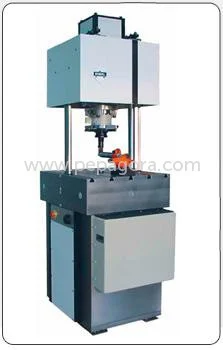
Industrial Rotary Bending Machine 0.1 500 Nm Electric DIN 50 113
Premium Bareiss Polymer Testers For Material Hardness And Abrasion Testing
Why Businesses Trust Pepagora
Thousands of companies trust Pepagora to source smarter and sell faster
Expand Your Sales Globally
25000+Products listed.Get discovered by global buyers
Tools to boost visibility
Build your own catalog

Source Smarter,Grow Faster
4000+Active RFQs
100+ Countries served
Easy Sourcing Tools
