
 IN
INundefined
Lathe Machines (Bench, Engine, CNC)
184 products available
What are Lathe Machines (Bench, Engine, CNC)?
Lathe machines are essential tools in the manufacturing and metalworking industries, primarily used for shaping and machining materials such as metal, wood, and plastic. A lathe operates by rotating the workpiece against a cutting tool, allowing for precise shaping and finishing. There are various types of lathe machines, including bench lathes, engine lathes, and CNC lathes, each designed to meet specific operational needs and application requirements.
Bench lathes are typically smaller, suited for hobbyists and small workshops, while engine lathes are more robust, accommodating a wider range of tasks in industrial settings. CNC lathes represent the latest advancement, utilizing computer numerical control for enhanced precision and automation. These machines are vital in applications such as prototyping, mass production, and complex machining tasks, making them indispensable in various sectors including aerospace, automotive, and manufacturing.
As industries continue to evolve, the demand for lathe machines remains strong. Technological advancements in CNC capabilities and automation drive market growth, enabling manufacturers to achieve higher efficiency and accuracy. The global market for lathe machines is expanding, reflecting the increasing emphasis on precision engineering and custom manufacturing solutions.
𝗞𝗲𝘆 𝗙𝗲𝗮𝘁𝘂𝗿𝗲𝘀 𝗮𝗻𝗱 𝗦𝗽𝗲𝗰𝗶𝗳𝗶𝗰𝗮𝘁𝗶𝗼𝗻𝘀
Lathe machines come equipped with a range of features and specifications that cater to diverse machining needs. Understanding these specifications is crucial for businesses when selecting the appropriate machine for their operations.
Key specifications include:
1. Swing Over Bed
- This measures the maximum diameter of the workpiece that can be accommodated.
- Typical ranges vary from 9 inches to over 20 inches depending on the machine type.
2. Distance Between Centers
- This indicates the length of the workpiece that can be mounted on the lathe.
- Common lengths range from 18 inches to 80 inches.
3. Maximum Spindle Speed
- This denotes the highest speed at which the spindle can rotate.
- Speeds can range from 100 RPM to over 3000 RPM.
4. Power Rating
- This refers to the horsepower of the motor driving the lathe.
- Power ratings usually vary from 1 HP to over 10 HP.
5. Control Type
- Lathes can be manually operated or CNC controlled, impacting ease of use and precision.
- CNC lathes offer programmable controls for automated operations.
6. Tailstock Features
- This includes the type of tailstock and its capabilities for supporting the workpiece.
- Some models have live centers for added functionality.
7. Tool Holder Capacity
- This specification refers to the number of tools that can be mounted.
- Variants can hold from 4 to 12 tools at once.
8. Bed Type
- Lathes can have flat beds or slant beds, affecting stability and accuracy.
- Slant beds are often preferred for CNC lathes due to their design advantages.
In summary, understanding the key features and specifications of lathe machines ensures businesses can make informed decisions that align with their operational needs.
𝗖𝗼𝗺𝗺𝗼𝗻 𝗔𝗽𝗽𝗹𝗶𝗰𝗮𝘁𝗶𝗼𝗻𝘀 𝗮𝗻𝗱 𝗨𝘀𝗲 𝗖𝗮𝘀𝗲𝘀
Lathe machines play a crucial role across various industries, providing essential machining capabilities.
1. Aerospace: Lathes are used to manufacture precision components such as shafts and housings for aircraft engines, ensuring high accuracy and quality standards.
2. Automotive: Engine lathes are employed for producing parts like crankshafts and gears, essential for vehicle assembly and performance.
3. Manufacturing: General manufacturing utilizes lathes for creating a wide array of products, from small precision parts to larger components.
4. Medical: In the medical field, lathes are instrumental in producing intricate devices and implants that require high levels of precision.
5. Construction: Lathe machines assist in creating fittings and fixtures used in construction, contributing to the overall efficiency of building projects.
6. Electronics: Lathes are also used in the electronics industry for manufacturing housings and enclosures for various devices.
7. Furniture: Woodworking lathes are used to shape and finish furniture components, enhancing aesthetic appeal and durability.
𝗣𝗿𝗼𝗱𝘂𝗰𝘁 𝗩𝗮𝗿𝗶𝗮𝗻𝘁𝘀 𝗮𝗻𝗱 𝗦𝘂𝗯𝗰𝗮𝘁𝗲𝗴𝗼𝗿𝗶𝗲𝘀
Lathe machines are available in various models, each designed for specific applications and user requirements.
Bench Lathe
Bench lathes are compact machines ideal for small workshops and hobbyists. They are versatile and can handle various materials, making them suitable for light machining tasks and prototype development.
Engine Lathe
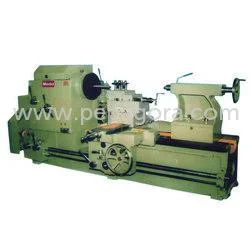
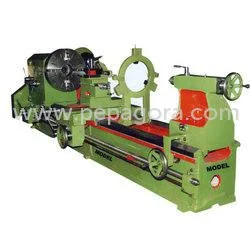
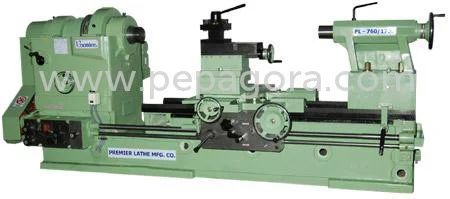
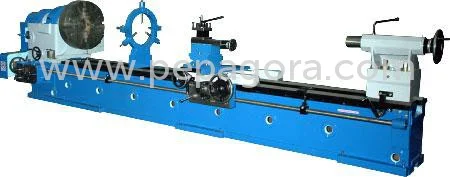
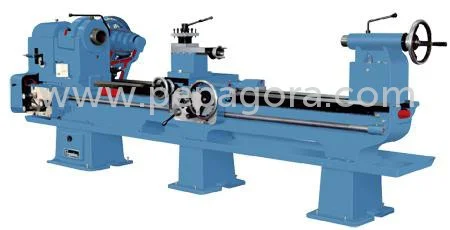
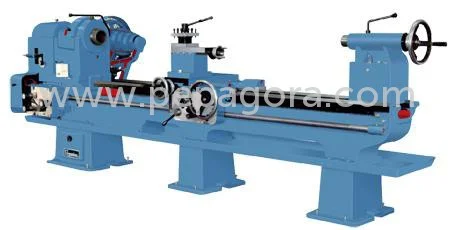
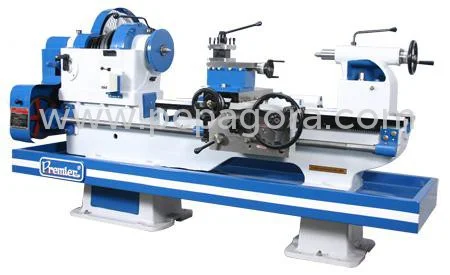
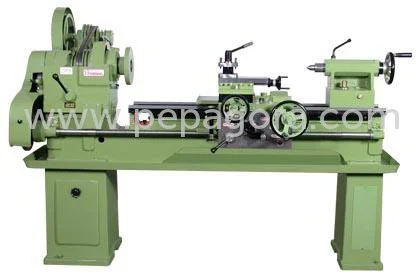
Engine lathes are larger and more robust, designed for industrial use. They offer a higher capacity for machining larger workpieces and are commonly used in repair shops and manufacturing facilities.
CNC Lathe
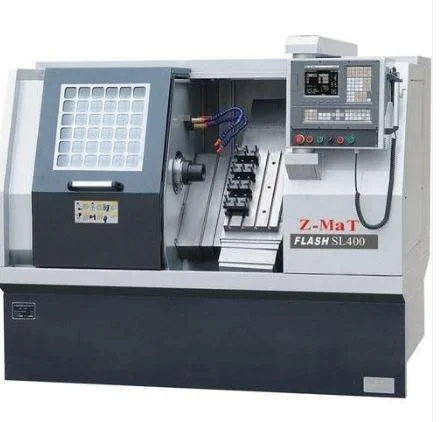
CNC lathes leverage advanced technology for automation and precision. They are capable of executing complex machining tasks with minimal human intervention, making them a preferred choice for mass production and high-precision applications.
𝗕𝗲𝗻𝗲𝗳𝗶𝘁𝘀 𝗮𝗻𝗱 𝗔𝗱𝘃𝗮𝗻𝘁𝗮𝗴𝗲𝘀
Investing in lathe machines offers numerous advantages for businesses in manufacturing and machining sectors.
1. Precision Machining: Lathes provide high levels of accuracy, ensuring that components meet strict tolerances.
2. Versatility: Various types of lathes can handle multiple materials, making them suitable for diverse applications.
3. Increased Efficiency: CNC lathes streamline production processes, reducing cycle times and improving overall efficiency.
4. Customization: Many lathe machines can be tailored to specific operational needs, allowing for specialized applications.
5. Cost-Effectiveness: By optimizing production capabilities, lathe machines can lead to significant cost savings in manufacturing processes.
6. Ease of Use: Modern lathes, especially CNC types, often come with user-friendly interfaces that simplify operation and programming.
𝗕𝘂𝘆𝗶𝗻𝗴 𝗚𝘂𝗶𝗱𝗲 𝗳𝗼𝗿 𝗕𝟮𝗕 𝗕𝘂𝘆𝗲𝗿𝘀
When sourcing lathe machines, businesses should consider several critical factors to ensure they select the right equipment for their needs.
1. Quality Assessment: Evaluate the build quality and precision of the lathe machines, ensuring they meet industry standards for performance.
2. Supplier Verification: Conduct thorough research on suppliers to verify their credibility and reliability in delivering quality machines.
3. Pricing and MOQ: Consider the pricing structure and minimum order quantity, ensuring they align with your budget and operational requirements.
4. Delivery and Lead Times: Assess logistics capabilities and lead times to ensure timely delivery of the machines to your facility.
5. Compliance Requirements: Ensure that the lathe machines meet relevant safety and regulatory compliance standards applicable to your industry.
𝗖𝗼𝗺𝗽𝗹𝗶𝗮𝗻𝗰𝗲 𝗮𝗻𝗱 𝗖𝗲𝗿𝘁𝗶𝗳𝗶𝗰𝗮𝘁𝗶𝗼𝗻𝘀
Lathe machines must adhere to various quality and safety standards to ensure they operate efficiently and safely. ISO 9001, a widely recognized quality management standard, ensures that manufacturers maintain high levels of quality control in their production processes.
CE certification is also essential, particularly in the European market, indicating that the machines meet specific health, safety, and environmental protection standards.
Additionally, compliance with safety testing requirements is crucial to prevent accidents and ensure the well-being of operators.
Regional considerations may vary, so businesses should be aware of local regulations and compliance needs when sourcing lathe machines.
Why Source Lathe Machines (Bench, Engine, CNC) from Pepagora?
Pepagora offers a reliable platform for sourcing lathe machines with numerous advantages that benefit B2B buyers.
Verified Supplier Network: Pepagora connects buyers with a network of verified suppliers, ensuring that businesses receive quality products and services. This network provides peace of mind regarding the sourcing process.
Streamlined RFQ Process: The Request for Quotation (RFQ) process on Pepagora is designed for efficiency, enabling buyers to receive competitive pricing and proposals from multiple suppliers quickly.
Trade Assurance and Support: Buyers are protected through trade assurance policies, which ensure that transactions are secure and that support is available throughout the purchasing process.
Regional Coverage: With a strong presence in markets like India, the GCC, and Southeast Asia, Pepagora facilitates access to a wide range of lathe machines, catering to diverse industrial needs across these regions.
Newly Added






Recently Added
Heavy Engineering Corporation Ltd
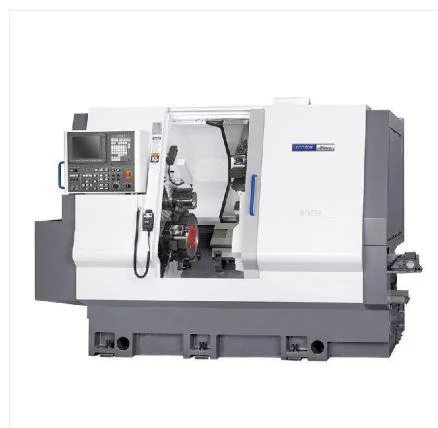
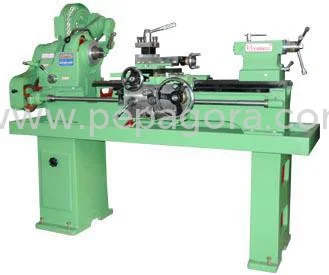
Industrial CNC Centre Lathe For Precision Metalworking In Automotive Aerospace
CNC Under Floor Wheel Lathe For Railway Wheel Maintenance Precision
Heavy Duty 5 Cubic Meter Electric Rope Shovel For Mining
J B Engineering Works
Industrial Precision Lathe Machine For Metalworking Cutting Drilling Turning
Industrial Precision Surface Grinding Machine For Metalworking
Industrial Vertical Drill Machine With Automatic Or Manual Feed Options
Sri Lakshmi Industries
Industrial Vertical Turret Lathe 1250mm 2800mm Chuck Manual New
Industrial Manual Lathe Machine 200 1500mm CH 24 Feet Precision
Industrial Transmission Spur Gears Steel Heat Treated
Jaggi & Jaggi Machine Tools India
Industrial Precision Metal Surface Grinder For Buyers
Industrial Precision TOS ZVL Surface Grinder For Metalworking Manufacturing
Industrial Heavy Duty SKODA Floor Boring Machine for Precision Machining
Lakshmi Gears
Industrial Spur Gears Steel Transmission Heat Treated Durable
Industrial Drive Gears Steel Spur Transmission Heat Treated
Industrial Mechanical Spur Gears Steel Transmission Heat Treated
Saro Industrials
Industrial Steel Screw Rods M5 To M50 Tough Tensile Corrosion Resistant
Industrial Steel Threaded Studs OEM Tough Tensile On Time Delivery
Industrial Steel Pins 2 120mm Diameter Corrosion Abrasion Resistant
Rajkot Machine Tools
Industrial Press Brake Machine For Sheet Metal Bending With EN 8 9 Crank Shafts
Industrial Roll Forming Machine 10 400mm Width 4 14 Stations 1 40 HP
Industrial Taping Machine For Carton Sealing Automation Durable Metal
Procon Controls
Industrial Commercial Single Phase Transformer For Voltage Stabilization
Industrial Power Autotransformer 11 KW Toroidal Three Phase
Industrial Power Distribution Two Phase Transformers Reliable Efficient
C K P Industries
Bench Drilling Machine 13mm 5 Speed for Metalworking Woodworking
Industrial Heavy Duty Bench Drilling Machine For Metal And Wood
Industrial Radial Drilling Machines For Precision Metalworking And Durability
Khutail Engineers
Premium Automotive Sleeves Iron Steel Brass Aluminum Durable Corrosion Resistant
Precision Milling For Automotive Gears And Industrial Components
Precision Turning Job Work For Machined Components And Gears
Why Businesses Trust Pepagora
Thousands of companies trust Pepagora to source smarter and sell faster
Expand Your Sales Globally
25000+Products listed.Get discovered by global buyers
Tools to boost visibility
Build your own catalog

Source Smarter,Grow Faster
4000+Active RFQs
100+ Countries served
Easy Sourcing Tools
