
 IN
INundefined
Large-Format 3D Printers
1 products available
𝗪𝗵𝗮𝘁 𝗮𝗿𝗲 𝗟𝗮𝗿𝗴𝗲-𝗙𝗼𝗿𝗺𝗮𝘁 𝟯𝗗 𝗣𝗿𝗶𝗻𝘁𝗲𝗿𝘀?
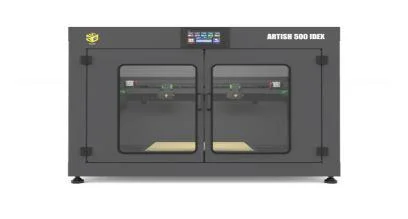
Large-format 3D printers are advanced manufacturing tools that create three-dimensional objects from digital designs. These printers are distinguished by their ability to produce larger components than standard 3D printers, often exceeding dimensions of one meter in length, width, or height. Utilizing various materials such as thermoplastics, resins, and metals, large-format 3D printers can produce complex geometries and intricate designs that are difficult or impossible to achieve through traditional manufacturing methods.
These printers are extensively used in various industries for prototyping, production, and custom manufacturing. Their primary applications include creating functional prototypes, architectural models, and specialized tooling. Businesses leverage large-format 3D printing to reduce lead times, lower costs, and enhance design flexibility. The growing demand for customized solutions in sectors such as automotive, aerospace, and healthcare has propelled the adoption of large-format 3D printers, making them a significant player in the additive manufacturing market.
As industries increasingly transition to digital manufacturing processes, large-format 3D printers are gaining relevance. They offer innovative solutions that streamline production and enable faster time-to-market. The market for these printers is expanding rapidly, reflecting the broader trends in automation, customization, and sustainability within manufacturing.
𝗞𝗲𝘆 𝗙𝗲𝗮𝘁𝘂𝗿𝗲𝘀 𝗮𝗻𝗱 𝗦𝗽𝗲𝗰𝗶𝗳𝗶𝗰𝗮𝘁𝗶𝗼𝗻𝘀
Large-format 3D printers come equipped with a variety of features and specifications that enhance their performance and usability. Understanding these specifications is vital for selecting the right printer for specific business needs.
Key specifications include:
1. Build Volume
- The maximum dimensions of objects that can be printed.
- Typically ranges from 1 cubic meter to several cubic meters, depending on the model.
2. Print Resolution
- The level of detail that can be achieved in the printed object.
- Measured in microns, with high-end printers achieving resolutions as fine as 20 microns.
3. Material Compatibility
- The types of materials that can be used for printing.
- Common materials include PLA, ABS, nylon, and various composites.
4. Layer Thickness
- The thickness of each layer of material deposited during printing.
- Typically ranges from 0.1 mm to 1 mm, with thinner layers providing finer detail.
5. Print Speed
- The rate at which the printer can produce objects.
- Can vary widely, from 50 mm/s to over 300 mm/s, depending on the printer's capabilities.
6. Heating System
- Features that maintain optimal printing temperatures.
- May include heated build plates and enclosed build chambers to control temperature.
7. Connectivity Options
- The methods used to connect the printer to computers or networks.
- Common options include USB, Ethernet, and Wi-Fi connectivity.
8. Software Compatibility
- The types of software that can be used for design and printing.
- Compatible with common CAD software and includes proprietary slicing software.
Large-format 3D printers are designed to meet diverse industrial needs, combining advanced technology with practical usability for efficient manufacturing.
𝗖𝗼𝗺𝗺𝗼𝗻 𝗔𝗽𝗽𝗹𝗶𝗰𝗮𝘁𝗶𝗼𝗻𝘀 𝗮𝗻𝗱 𝗨𝘀𝗲 𝗖𝗮𝘀𝗲𝘀
Large-format 3D printers find applications across a wide range of industries, enabling innovative solutions and efficient production processes.
1. Automotive: Large-format 3D printers are used to create prototypes, tooling, and custom parts, helping manufacturers reduce costs and time in product development.
2. Aerospace: In the aerospace sector, these printers enable the production of lightweight components and complex geometries that improve performance and fuel efficiency.
3. Architecture: Architects utilize large-format 3D printing to produce detailed models and prototypes, allowing for better visualization and presentation of design concepts.
4. Medical: In healthcare, large-format 3D printers create custom prosthetics, implants, and surgical models, enhancing patient-specific solutions and outcomes.
5. Education: Educational institutions use these printers for teaching and research purposes, providing students with hands-on experience in advanced manufacturing technologies.
6. Art and Design: Artists and designers leverage large-format 3D printing to create large sculptures and installations, pushing the boundaries of creativity and expression.
7. Construction: Large-format 3D printers are being explored for building structures, offering innovative methods for construction that could reduce waste and time.
𝗣𝗿𝗼𝗱𝘂𝗰𝘁 𝗩𝗮𝗿𝗶𝗮𝗻𝘁𝘀 𝗮𝗻𝗱 𝗦𝘂𝗯𝗰𝗮𝘁𝗲𝗴𝗼𝗿𝗶𝗲𝘀
Large-format 3D printers come in various models tailored to different industrial needs. Each variant offers unique features and capabilities.
Industrial 3D Printers
These printers are designed for high-volume production and heavy-duty applications. They are equipped with advanced technologies for precision and reliability, making them ideal for manufacturing sectors.
Prototype 3D Printers
These models focus on rapid prototyping and are optimized for quick production of design iterations. They allow companies to test and refine their designs efficiently.
Multimaterial 3D Printers
These printers can handle multiple materials simultaneously, enabling the creation of complex parts with different properties. This versatility is particularly useful in automotive and aerospace applications.
𝗕𝗲𝗻𝗲𝗳𝗶𝘁𝘀 𝗮𝗻𝗱 𝗔𝗱𝘃𝗮𝗻𝘁𝗮𝗴𝗲𝘀
Large-format 3D printers offer numerous benefits that can significantly enhance business operations.
1. Cost Efficiency: By reducing material waste and minimizing labor costs, large-format 3D printing can lead to significant savings in the production process.
2. Customization: These printers enable manufacturers to produce tailored solutions for specific customer needs, enhancing product offerings and customer satisfaction.
3. Speed: Large-format 3D printers can drastically reduce lead times compared to traditional manufacturing methods, allowing businesses to respond quickly to market demands.
4. Design Flexibility: The ability to create complex geometries opens new avenues for innovative designs that are often impossible with conventional manufacturing.
5. Sustainability: 3D printing can reduce waste and energy consumption, contributing to more sustainable manufacturing practices.
6. Enhanced Collaboration: The technology allows for better collaboration between design and engineering teams, streamlining the development process.
𝗕𝘂𝘆𝗶𝗻𝗴 𝗚𝘂𝗶𝗱𝗲 𝗳𝗼𝗿 𝗕𝟮𝗕 𝗕𝘂𝘆𝗲𝗿𝘀
When considering the purchase of large-format 3D printers, B2B buyers should evaluate several key factors to ensure they select the right equipment for their needs.
1. Quality Assessment: Buyers should assess the printer's build quality, reliability, and performance metrics to ensure it meets industry standards and their specific requirements.
2. Supplier Verification: It is crucial to vet suppliers by checking their credentials, customer reviews, and product warranties to ensure a reliable purchasing experience.
3. Pricing and MOQ: Understanding the price range and minimum order quantities will help buyers align their budget with available options and negotiate favorable terms.
4. Delivery and Lead Times: Buyers should inquire about logistics, including shipping times and any potential delays, to plan their production schedules effectively.
5. Compliance Requirements: Ensuring that the printer meets relevant regulatory and safety standards is essential for avoiding legal issues and ensuring product quality.
𝗖𝗼𝗺𝗽𝗹𝗶𝗮𝗻𝗰𝗲 𝗮𝗻𝗱 𝗖𝗲𝗿𝘁𝗶𝗳𝗶𝗰𝗮𝘁𝗶𝗼𝗻𝘀
Compliance and certifications play a vital role in the operation and acceptance of large-format 3D printers in various industries. Common quality standards such as ISO 9001 ensure consistent quality management practices are in place. These standards help organizations maintain high levels of quality assurance and customer satisfaction.
In addition to quality standards, industry certifications like CE indicate that products meet European safety, health, and environmental protection standards. This certification is crucial for businesses looking to sell products in the European market or work with European partners.
Understanding safety and testing requirements is essential for manufacturers using large-format 3D printers. Compliance with these regulations helps mitigate risks associated with production processes and ensures safety for operators and end-users.
Buyers also need to be aware of regional compliance considerations, as different markets may have specific regulations that must be adhered to. Ensuring compliance with local standards can facilitate smoother operations and open up new markets.
𝗪𝗵𝘆 𝗦𝗼𝘂𝗿𝗰𝗲 𝗟𝗮𝗿𝗴𝗲-𝗙𝗼𝗿𝗺𝗮𝘁 𝟯𝗗 𝗣𝗿𝗶𝗻𝘁𝗲𝗿𝘀 𝗳𝗿𝗼𝗺 𝗣𝗲𝗽𝗮𝗴𝗼𝗿𝗮?
Pepagora serves as a trusted platform for sourcing large-format 3D printers, offering several key advantages for B2B buyers.
Verified Supplier Network: Pepagora has established a network of verified suppliers committed to providing high-quality products. Each supplier undergoes a thorough vetting process to ensure reliability and trustworthiness.
Streamlined RFQ Process: The platform simplifies the request for quotation (RFQ) process, allowing buyers to easily compare prices and specifications from multiple suppliers. This efficiency helps businesses make informed purchasing decisions.
Trade Assurance and Support: Pepagora offers trade assurance to protect buyers against potential risks, ensuring a secure transaction. Comprehensive support is available to assist with any inquiries or issues during the purchasing process.
Regional Coverage: With a strong presence in India, the GCC, and Southeast Asia, Pepagora provides extensive geographic reach. This ensures that buyers can find suitable suppliers in their region, facilitating local sourcing and support.
Overall, Pepagora stands as a reliable partner for businesses looking to invest in large-format 3D printers, enhancing their manufacturing capabilities and driving innovation.
Newly Added


Recently Added
Augment 3Di
Premium PLA 3D Printer Filament Vibrant Colors Smooth Extrusion
Premium Mixed Color 3D Printer Filament For Vibrant Multi Tonal Prints
PETG Bio 3D Printer Filament Industrial Strength Eco Friendly
Why Businesses Trust Pepagora
Thousands of companies trust Pepagora to source smarter and sell faster
Expand Your Sales Globally
25000+Products listed.Get discovered by global buyers
Tools to boost visibility
Build your own catalog

Source Smarter,Grow Faster
4000+Active RFQs
100+ Countries served
Easy Sourcing Tools
