
 IN
INundefined
Lamination Machines (Post Printing)
25 products available
What are Lamination Machines (Post Printing)?
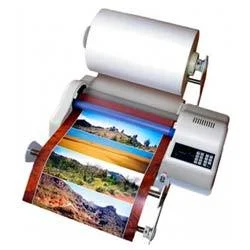
Lamination machines are specialized equipment used for applying a protective layer to printed materials. This process enhances the durability, appearance, and longevity of documents, packaging, and various printed products. Lamination can be achieved through different methods, including thermal and cold lamination, where plastic films are bonded to paper or cardstock to create a finished product that resists damage from moisture, dirt, and wear.
These machines are widely used in various business applications, including the production of brochures, business cards, packaging, and educational materials. They serve a critical role in industries that require high-quality prints with a professional finish. The ability to laminate not only improves the aesthetic appeal but also adds an additional layer of protection, making it a valuable process in sectors such as printing, packaging, and promotional materials.
In today’s competitive market, lamination machines have become essential tools for businesses looking to enhance their product offerings. With advancements in technology, these machines are now more efficient and user-friendly, catering to the increasing demand for high-quality laminated products across various industries.
𝗞𝗲𝘆 𝗙𝗲𝗮𝘁𝘂𝗿𝗲𝘀 𝗮𝗻𝗱 𝗦𝗽𝗲𝗰𝗶𝗳𝗶𝗰𝗮𝘁𝗶𝗼𝗻𝘀
Lamination machines come equipped with several key features that enhance their functionality and performance. These features are designed to meet the needs of different businesses, ensuring that operators can achieve the desired results efficiently.
Key specifications include:
1. Speed
- Determines how quickly the machine can laminate materials.
- Typically ranges from 5 to 30 meters per minute.
2. Maximum Film Width
- Indicates the widest film the machine can handle.
- Commonly available in widths from 300mm to 1600mm.
3. Temperature Control
- Essential for thermal lamination processes.
- Operating temperatures usually range from 100°C to 150°C.
4. Roller Configuration
- Indicates the number of rollers used for the lamination process.
- Can vary from single to multiple rollers for enhanced pressure and quality.
5. Power Consumption
- Refers to the energy efficiency of the machine.
- Typically ranges from 1 kW to 5 kW depending on the model.
6. Build Quality
- Refers to the materials and design used in the construction.
- High-quality machines often feature stainless steel and heavy-duty components.
7. User Interface
- Indicates how operators interact with the machine.
- Many modern machines come equipped with digital displays and programmable settings.
8. Safety Features
- Includes emergency stops and safety shields.
- Essential for ensuring safe operation during use.
In summary, understanding the key features and specifications is crucial for selecting the right lamination machine that meets specific operational requirements.
𝗖𝗼𝗺𝗺𝗼𝗻 𝗔𝗽𝗽𝗹𝗶𝗰𝗮𝘁𝗶𝗼𝗻𝘀 𝗮𝗻𝗱 𝗨𝘀𝗲 𝗖𝗮𝘀𝗲𝘀
Lamination machines serve a wide range of industries, enhancing the quality and durability of printed materials.
1. Printing Industry: Lamination machines are vital in the printing industry for producing high-quality brochures, flyers, and promotional materials. They ensure that these products withstand handling and environmental factors.
2. Packaging Industry: In packaging, lamination provides additional strength and moisture resistance. This is particularly important for food packaging, where product integrity is crucial.
3. Educational Sector: Schools and universities utilize lamination for creating durable educational materials, such as flashcards, posters, and reference guides.
4. Office Supplies: Businesses often laminate documents and presentations to protect them from wear and tear, ensuring a professional appearance.
5. Photography: Photographers use lamination to preserve prints, enhancing their visual appeal and protecting them from damage.
6. Retail: Retailers laminate signage and promotional displays to achieve a polished look while increasing longevity.
7. Government and Legal: Important documents, such as licenses and certificates, are often laminated to prevent damage and ensure they remain in pristine condition.
𝗣𝗿𝗼𝗱𝘂𝗰𝘁 𝗩𝗮𝗿𝗶𝗮𝗻𝘁𝘀 𝗮𝗻𝗱 𝗦𝘂𝗯𝗰𝗮𝘁𝗲𝗴𝗼𝗿𝗶𝗲𝘀
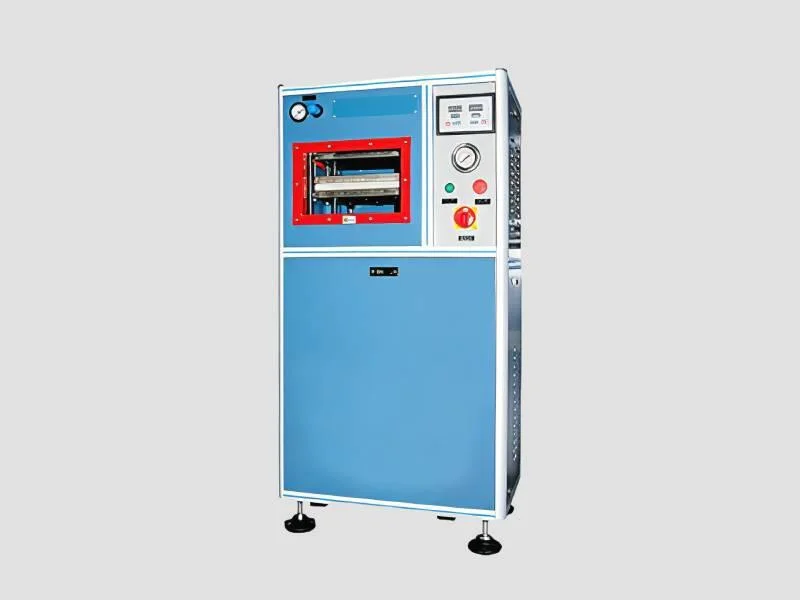
Lamination machines come in various types, each designed for specific applications and user needs.
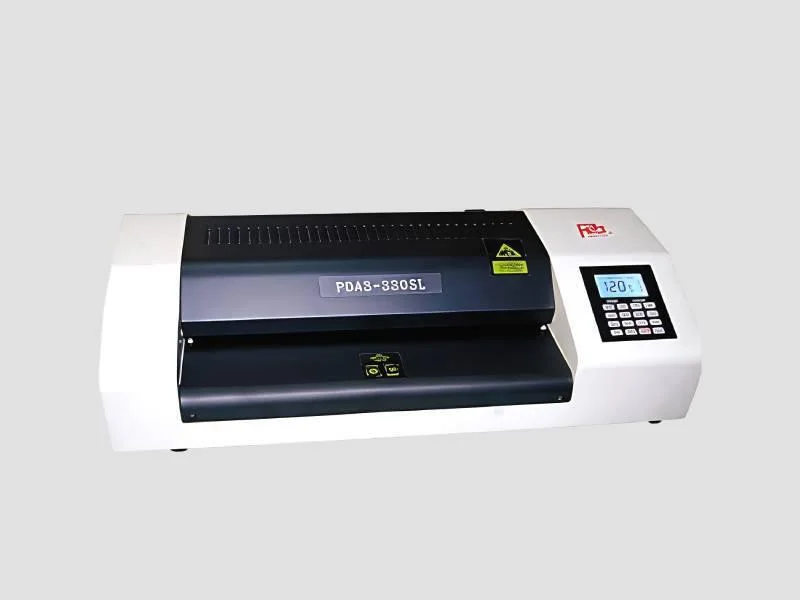
Desktop Lamination Machines
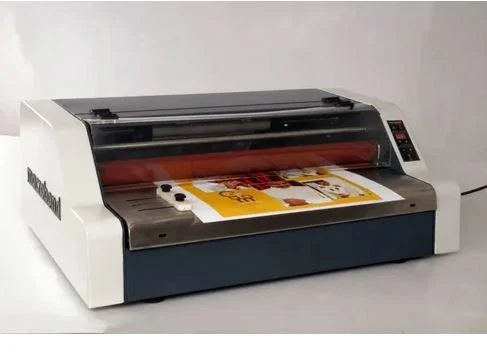
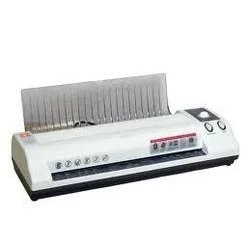
These compact machines are ideal for small businesses or offices that require occasional lamination. They are user-friendly, providing an efficient solution for laminating documents up to A3 size.
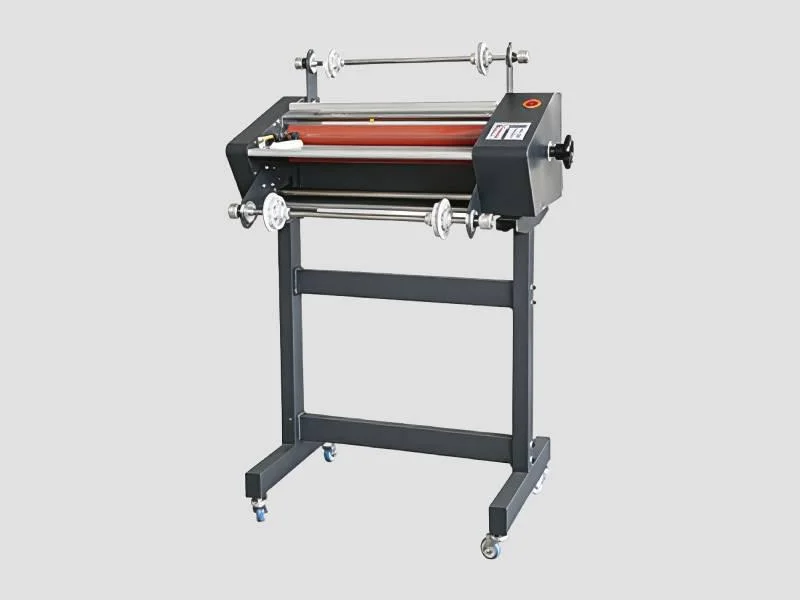
Industrial Lamination Machines
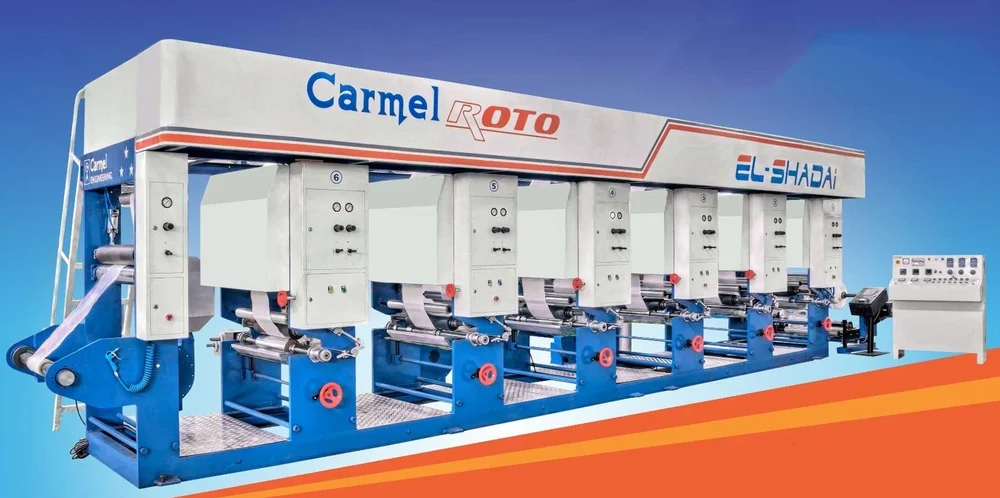
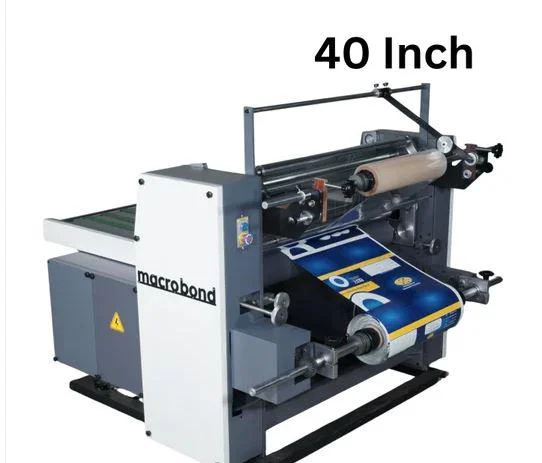
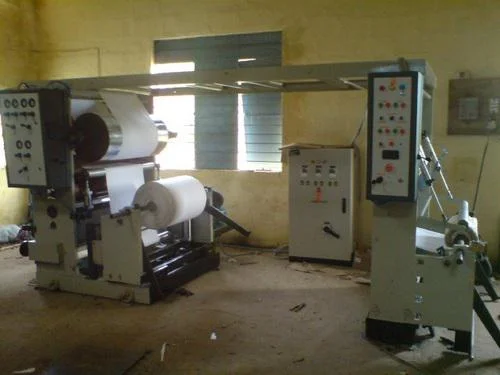
Designed for high-volume production, these machines are suitable for large print shops and manufacturers. They offer advanced features such as higher speed and larger film widths, capable of handling bulk orders efficiently.
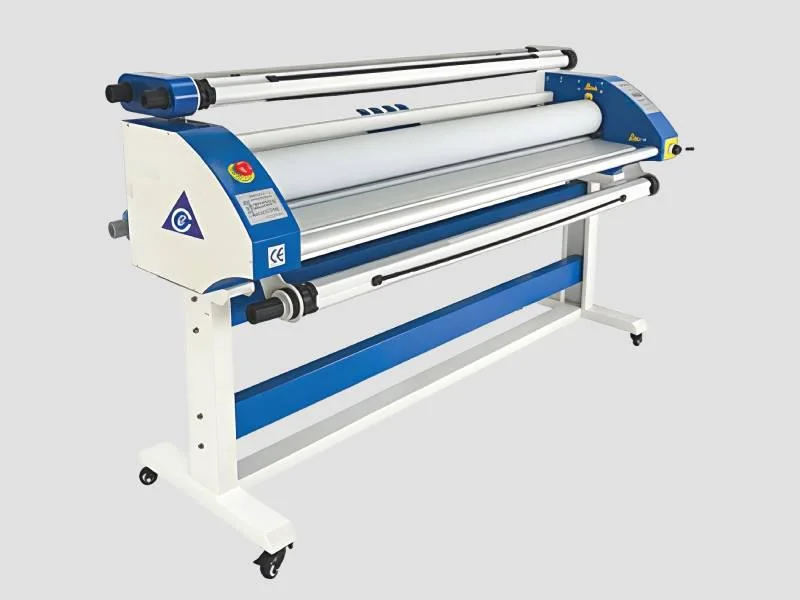
Wide Format Lamination Machines
These machines cater to businesses that require lamination for larger prints, such as banners and posters. They provide the necessary width and capabilities to laminate various large-format materials.
𝗕𝗲𝗻𝗲𝗳𝗶𝘁𝘀 𝗮𝗻𝗱 𝗔𝗱𝘃𝗮𝗻𝘁𝗮𝗴𝗲𝘀
Investing in lamination machines brings several key benefits to businesses.
1. Enhanced Durability: Laminated materials are more resistant to wear and tear, extending their lifespan and usability.
2. Improved Aesthetics: Lamination provides a professional finish that enhances the visual appeal of printed materials, making them more attractive to customers.
3. Increased Protection: Laminated products are shielded from moisture, dirt, and UV light, ensuring they maintain their quality over time.
4. Cost Efficiency: By preserving printed materials, businesses can reduce the need for reprints, saving money in the long run.
5. Versatile Applications: Lamination machines can be used across various industries, making them a valuable asset for diverse business operations.
6. User-Friendly Operations: Many modern lamination machines feature intuitive controls, making them easy to operate even for those with minimal experience.
𝗕𝘂𝘆𝗶𝗻𝗴 𝗚𝘂𝗶𝗱𝗲 𝗳𝗼𝗿 𝗕𝟮𝗕 𝗕𝘂𝘆𝗲𝗿𝘀
When sourcing lamination machines, there are several important factors to consider to ensure a successful purchase.
1. Quality Assessment: Evaluate the build quality and performance of the machine. Look for reputable manufacturers and check for customer reviews to gauge reliability.
2. Supplier Verification: Vet suppliers carefully to ensure they are trustworthy and provide quality products. Consider requesting references or checking industry certifications.
3. Pricing and MOQ: Analyze pricing structures and minimum order quantities (MOQ). Ensure that the costs align with your budget and operational needs.
4. Delivery and Lead Times: Confirm delivery options and lead times to ensure that you can meet your production schedules. Factor in potential delays in logistics.
5. Compliance Requirements: Be aware of any regulatory compliance standards that may apply to your industry. Ensure that the lamination machine meets all necessary safety and quality standards.
𝗖𝗼𝗺𝗽𝗹𝗶𝗮𝗻𝗰𝗲 𝗮𝗻𝗱 𝗖𝗲𝗿𝘁𝗶𝗳𝗶𝗰𝗮𝘁𝗶𝗼𝗻𝘀
Lamination machines must adhere to various quality standards and certifications to ensure reliability and safety in operation. Key compliance aspects include:
- ISO 9001: This standard ensures that manufacturers maintain consistent quality in their production processes, leading to reliable machine performance.
- CE Certification: This European certification indicates that the machine meets safety, health, and environmental protection standards.
- Safety and Testing Requirements: Machines should undergo rigorous testing to ensure they operate safely and efficiently under various conditions.
- Regional Compliance Considerations: Depending on the geographic location of operation, businesses must comply with local regulations and standards that govern manufacturing and safety practices.
Why Source Lamination Machines (Post Printing) from Pepagora?
Pepagora offers a trusted platform for sourcing lamination machines with numerous advantages for B2B buyers.
Verified Supplier Network: Pepagora connects buyers with a network of verified suppliers, ensuring that only reputable manufacturers are available for sourcing. This builds trust and reliability in the purchasing process.
Streamlined RFQ Process: The request for quotation (RFQ) system simplifies the procurement process, allowing buyers to receive multiple quotes from suppliers quickly. This efficiency helps in making informed purchasing decisions.
Trade Assurance and Support: Pepagora provides trade assurance and support to buyers, offering protection during transactions. This feature instills confidence in the sourcing process, ensuring that buyers feel secure in their investments.
Regional Coverage: With a strong presence in India, the GCC, and Southeast Asia, Pepagora facilitates easy access to lamination machines across diverse markets. This geographic reach allows businesses to tap into local suppliers while benefiting from competitive pricing and service.
Newly Added



Recently Added
B. N. Engineering Works
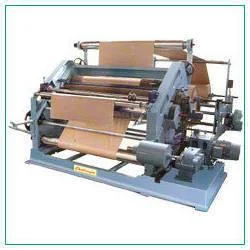
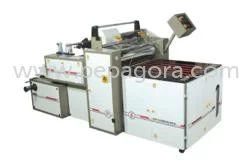
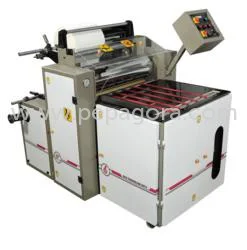
Premium Automatic Lamination Machine For Packaging Bonding Precision
Industrial 4 Bar Rotary Cutting And Creasing Machine For Corrugated Sheets
Automatic Sheet Laminating Machine For Corrugated Board Packaging
Coro Pack
Industrial EPE Foam Clamps For Secure Damage Free Handling
Shipping Premium Air Bubble Sheets Protective Packaging Rolls
Industrial Anti Corrosive Stretch Film Rolls For Metal Protection
Ashoka Enterprises
Industrial Commercial Corrosion Resistant Steel Heaters Energy Efficient
Industrial Steel Heaters Corrosion Resistant Energy Efficient
Industrial Steel Tube Heaters For OEMs And Manufacturing
Beijing Holland Tech Co. Limited
Industrial PCB Insulating Plate Press For Precision Lamination
Industrial Precision Insulation Board Sawing Machine For Clean Cuts
Industrial Transformer Insulator Precision Cardboard Batten Chamfering Machine
Avanti Stationers
Leaflet Printing Services High Quality Xerox Technology
Brochure Printing Services High Quality Marketing Materials
Commercial Air Freshener Automatic Sublimation Odor Control
Anjana Machinery Manufacturers Private Limited
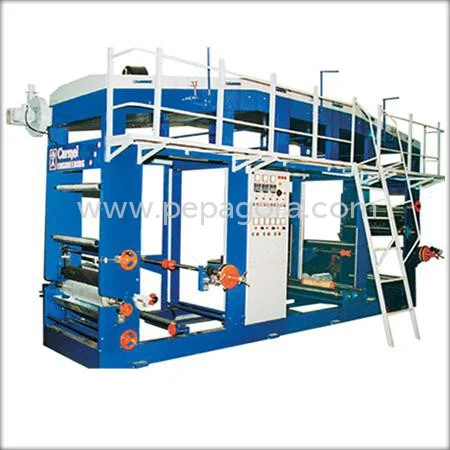
Premium Flexographic Printing Machines For Packaging Converters
Rotogravure Printing Machines For High Quality Packaging On Flexible Substrates
Industrial Lamination Coating Machines Energy Efficient Digital Controls
Krishna Engineering Works
Rotogravure Printing Machine 100 1500mm Web Width 100 150 M/Min Speed
Flexo Printing Machine 18 Inch Width 3 HP DC Motor 13.5 kW Heating
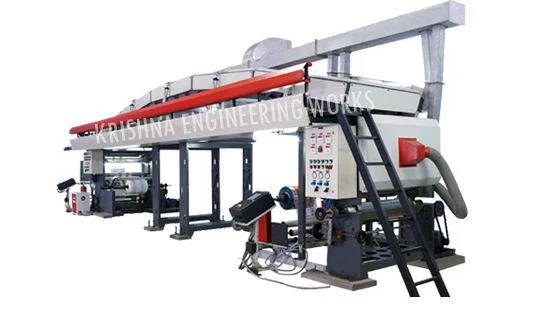
Industrial Coating Machine Two Layer 150mpm OEM Standard
Samrat Engineering Works
Industrial Sewing Machines For Garment Manufacturing And Upholstery
Industrial Laminating Machine For Documents Packaging Print Materials
Industrial Card Laminating Machine For Secure Durable ID Production
Sapp Paper Techinique
Industrial Aluminium Foil Containers Making Machine 3600 6000pcs/Hour 300x300mm
Industrial Food Container Making Machine 450KN 60 100/min 5.5KW
Disposable Food Container Making Machine 450KN 3600 6000pcs/Hour
Barani Generic Systems
Industrial Motor Control ABB Soft Starters For Pumps Fans Conveyors
Industrial Automation ABB Standard Drives For Motor Control Energy Savings
Industrial Automation LDB Panels For Power Distribution Control
Why Businesses Trust Pepagora
Thousands of companies trust Pepagora to source smarter and sell faster
Expand Your Sales Globally
25000+Products listed.Get discovered by global buyers
Tools to boost visibility
Build your own catalog

Source Smarter,Grow Faster
4000+Active RFQs
100+ Countries served
Easy Sourcing Tools
