
 IN
INundefined
Laboratory Thermostatic Devices
75 products available
𝗪𝗵𝗮𝘁 𝗮𝗿𝗲 𝗟𝗮𝗯𝗼𝗿𝗮𝘁𝗼𝗿𝘆 𝗧𝗵𝗲𝗿𝗺𝗼𝘀𝘁𝗮𝘁𝗶𝗰 𝗗𝗲𝘃𝗶𝗰𝗲𝘀?
Laboratory thermostatic devices are precision instruments designed to maintain a stable temperature within a controlled environment. These devices are essential for a variety of laboratory applications where temperature consistency is critical. They use advanced technology to regulate temperature, ensuring that experiments and processes occur under optimal conditions. This stability is crucial for achieving accurate results in scientific research and industrial applications.
These devices are widely used across various sectors, including pharmaceuticals, biotechnology, food and beverage, and environmental testing. In laboratories, they help in conducting experiments that require strict temperature control, such as enzyme reactions, sample storage, and material testing. The relevance of laboratory thermostatic devices has grown as industries increasingly emphasize quality control and regulatory compliance, making them a vital component in any laboratory setup.
𝗞𝗲𝘆 𝗙𝗲𝗮𝘁𝘂𝗿𝗲𝘀 𝗮𝗻𝗱 𝗦𝗽𝗲𝗰𝗶𝗳𝗶𝗰𝗮𝘁𝗶𝗼𝗻𝘀
Laboratory thermostatic devices come with a range of features and specifications that enhance their functionality and reliability. Understanding these specifications is essential for selecting the right device for specific needs.
Key specifications include:
1. Temperature Control Range
- The ability to maintain a specific temperature range, typically from sub-zero to high temperatures.
- Precision in temperature control is often within ±0.1°C.
2. Humidity Control
- Some devices offer humidity control to maintain optimal moisture levels within the environment.
- Humidity ranges can vary based on application requirements.
3. Monitoring Features
- Many models come equipped with digital displays and remote monitoring capabilities.
- This allows users to track temperature and humidity in real-time.
4. Energy Efficiency
- Modern devices are designed to use less energy while maintaining performance.
- Energy-efficient models can significantly reduce operational costs.
5. Size and Capacity
- Available in various sizes to accommodate different laboratory spaces and requirements.
- Capacity options range from small benchtop units to large floor-standing models.
6. Construction Material
- Typically constructed from durable materials that can withstand harsh laboratory conditions.
- Stainless steel and high-grade plastics are common materials used.
7. User Interface
- User-friendly controls for easy operation and programming.
- Touch screens and intuitive interfaces are becoming standard.
8. Safety Features
- Equipped with alarms and automatic shut-off mechanisms to prevent overheating or other hazards.
- Compliance with safety standards is essential.
These specifications highlight the importance of selecting the right laboratory thermostatic device to ensure optimal performance and reliability.
𝗖𝗼𝗺𝗺𝗼𝗻 𝗔𝗽𝗽𝗹𝗶𝗰𝗮𝘁𝗶𝗼𝗻𝘀 𝗮𝗻𝗱 𝗨𝘀𝗲 𝗖𝗮𝘀𝗲𝘀
Laboratory thermostatic devices play a crucial role in various industries.
1. Pharmaceutical Industry: Used for maintaining the proper temperature during drug formulation, storage, and testing processes, ensuring product efficacy and safety.
2. Biotechnology: Essential for enzyme reactions and microbial culture incubations, where temperature stability directly impacts experimental outcomes.
3. Food and Beverage: Helps in quality control processes, such as maintaining the right temperature for fermentation and product testing, ensuring food safety and compliance.
4. Environmental Testing: Utilized in laboratories for testing soil, water, and air samples, where temperature control is vital for accurate results.
5. Educational Institutions: Used in academic laboratories for teaching purposes, allowing students to conduct experiments under controlled conditions.
6. Chemical Research: Critical for reactions and stability studies, where precise temperature control can affect chemical properties.
7. Material Testing: Used in laboratories to test the durability and performance of materials under varying temperature conditions.
𝗣𝗿𝗼𝗱𝘂𝗰𝘁 𝗩𝗮𝗿𝗶𝗮𝗻𝘁𝘀 𝗮𝗻𝗱 𝗦𝘂𝗯𝗰𝗮𝘁𝗲𝗴𝗼𝗿𝗶𝗲𝘀
Laboratory thermostatic devices are available in various configurations to meet diverse laboratory needs.
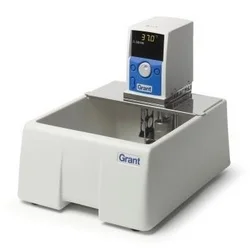
Benchtop Thermostatic Devices: These compact units are ideal for small lab spaces and are often used for routine tasks such as incubations and sample storage. They typically have a lower capacity but are highly efficient for specific applications.
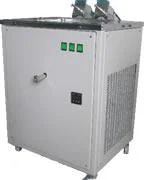
Floor-Standing Thermostatic Devices: Larger units designed for high-capacity needs in busy laboratories. These devices can handle multiple samples and are suitable for extensive research and testing environments.
Cryostatic Devices: Specialized devices for maintaining extremely low temperatures, often used in cryopreservation and other applications requiring sub-zero conditions.
Refrigerated Thermostatic Devices: These units provide cooling capabilities, essential for experiments that require lower temperatures for stability and preservation.
𝗕𝗲𝗻𝗲𝗳𝗶𝘁𝘀 𝗮𝗻𝗱 𝗔𝗱𝘃𝗮𝗻𝘁𝗮𝗴𝗲𝘀
Laboratory thermostatic devices offer numerous benefits that enhance laboratory efficiency and safety.
1. Accurate Temperature Control: Ensures that experiments are conducted under optimal conditions, leading to reliable results.
2. Enhanced Safety: Equipped with safety features that prevent overheating and potential hazards, safeguarding both users and samples.
3. Energy Efficiency: Modern designs are energy-efficient, reducing operational costs while maintaining high performance.
4. Versatility: Suitable for various applications across multiple industries, making them a valuable investment for diverse laboratory needs.
5. User-Friendly Interfaces: Simplifies operation and programming, allowing users to focus on their experiments rather than device management.
6. Compliance Assurance: Many devices meet industry standards and regulations, ensuring that laboratories adhere to necessary quality controls.
𝗕𝘂𝘆𝗶𝗻𝗴 𝗚𝘂𝗶𝗱𝗲 𝗳𝗼𝗿 𝗕𝟮𝗕 𝗕𝘂𝘆𝗲𝗿𝘀
When sourcing laboratory thermostatic devices, several factors should be considered to ensure you make an informed decision.
1. Quality Assessment: Evaluate the quality of materials and construction. Look for devices that meet recognized standards and have a proven track record in your industry.
2. Supplier Verification: Conduct thorough research on potential suppliers. Check their reputation, customer reviews, and certifications to ensure reliability and quality.
3. Pricing and MOQ: Consider the pricing structure and minimum order quantities. Understand the cost implications of bulk purchases versus single units.
4. Delivery and Lead Times: Discuss logistics with suppliers, including shipping times and delivery methods to ensure timely receipt of devices.
5. Compliance Requirements: Be aware of any industry-specific regulations or standards that the devices must meet, ensuring that your laboratory remains compliant.
𝗖𝗼𝗺𝗽𝗹𝗶𝗮𝗻𝗰𝗲 𝗮𝗻𝗱 𝗖𝗲𝗿𝘁𝗶𝗳𝗶𝗰𝗮𝘁𝗶𝗼𝗻𝘀
Laboratory thermostatic devices must adhere to various quality and safety standards to ensure their effectiveness and reliability.
ISO 9001 is a key standard that outlines the requirements for a quality management system. Devices that comply with this standard demonstrate a commitment to quality and continuous improvement.
CE certification is crucial for products sold in Europe, indicating that the device meets health, safety, and environmental protection standards set by the European Union.
Safety and testing requirements are essential, especially for devices used in sensitive applications like pharmaceuticals and biotechnology. Compliance with these standards ensures that devices operate safely and effectively.
Regional compliance considerations may vary based on local regulations. It is important to verify that devices meet the specific requirements of the regions in which they will be used.
𝗪𝗵𝘆 𝗦𝗼𝘂𝗿𝗰𝗲 𝗟𝗮𝗯𝗼𝗿𝗮𝘁𝗼𝗿𝘆 𝗧𝗵𝗲𝗿𝗺𝗼𝘀𝘁𝗮𝘁𝗶𝗰 𝗗𝗲𝘃𝗶𝗰𝗲𝘀 𝗳𝗿𝗼𝗺 𝗣𝗲𝗽𝗮𝗴𝗼𝗿𝗮?
Pepagora provides a trusted platform for sourcing laboratory thermostatic devices, offering several key advantages to B2B buyers.
Verified Supplier Network: Pepagora connects buyers with a network of verified suppliers, ensuring high-quality products and reliable service. This network allows for easier access to trusted manufacturers.
Streamlined RFQ Process: The platform simplifies the request for quotation process, enabling buyers to receive competitive pricing and terms quickly. This efficiency helps businesses make informed purchasing decisions.
Trade Assurance and Support: Buyers are protected through Pepagora's trade assurance policies, which provide safeguards against potential risks in transactions. The support team is available to assist with any inquiries or issues.
Regional Coverage: With a broad geographic reach including India, the GCC, and Southeast Asia, Pepagora facilitates sourcing from various regions, allowing companies to find the best options for their needs. This extensive reach helps buyers access diverse products and suppliers, enhancing their purchasing experience.
Newly Added




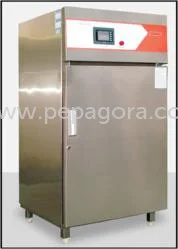

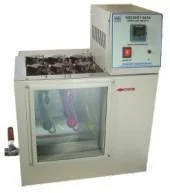

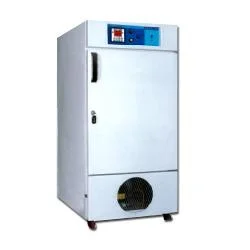
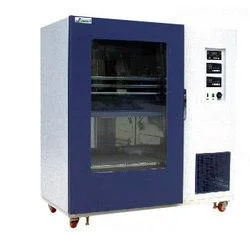
Recently Added
Asean Scientific Express
OEM ULT Freezer Ultra Low Temperature Storage New Standard
Industrial Water Chiller OEM New Standard Temperature Control
OEM Chromatography Pharmacy Refrigerator For Labs Hospitals
B. D. Instrumentation India
Industrial Hot Air Universal Oven with Stainless Steel Chamber
BDI 129 Horizontal Laminar Air Flow Cabinet HEPA Filtration Sterile Workspace
Laboratory BOD Incubator Double Wall Temperature Control
Vivekananda Enterprises
Laboratory Sodium Citrate Cell Preparation Tubes For Mononuclear Cell Separation
Buchi Flasks For Laboratory Evaporation Distillation Solvent Recovery
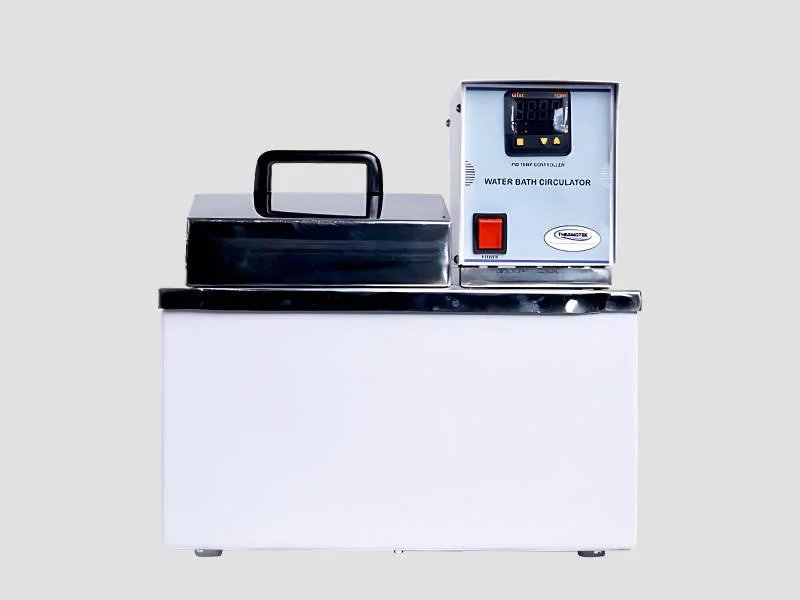
Laboratory Chiller Baths For Precise Temperature Control
Bio Techture
Laboratory Water Jacketed CO2 Incubator With HEPA Filtration
Pharmaceutical Laboratory Horizontal Autoclave Steam Sterilization System
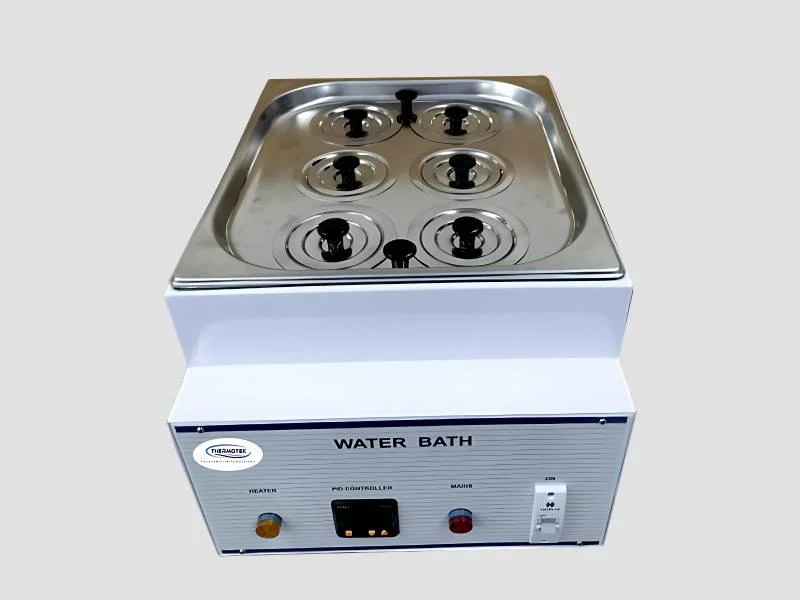
Laboratory Thermostatic Baths For Precise Temperature Control
Beetta Instruments & Equipment Co.
Histology Labs Premium Rotary Microtome For Precise Tissue Sectioning
Premium Sledge Microtomes For Histology And Pathology Labs
High Precision Freezing Microtomes For Cryosectioning In Labs
Pooja Scientific Instruments
Industrial High Temperature Muffle Furnace 1400C Digital Control
Digital Bomb Calorimeter for Coal Biofuels Chemicals Testing
Industrial Digital Colony Counter for Microbial Counting OEM Supply
Lab-Care Instruments & Services
Portable Autoclaves 35L To 213L For Medical Dental Veterinary
Lab Industrial Muffle Furnace High Temperature Precision Durable
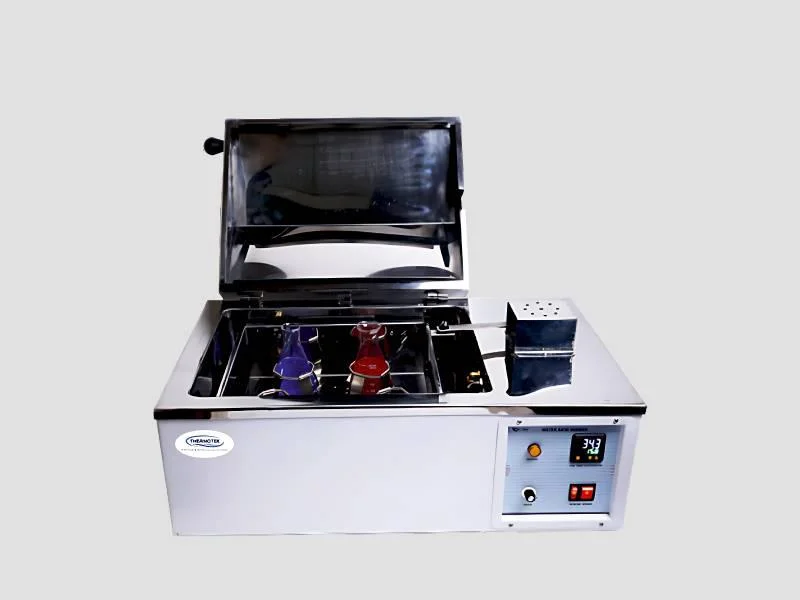
Laboratory Constant Temperature Water Bath Digital Display Precise Control
Polfrost Aircon Pvt Ltd
Lab Constant Temperature Refrigerators For Precise Humidity Control
Commercial Upright And Chest Freezers 165L To 450L 20C To 40C
Industrial PUF Panels For Cold Storage Insulation 60mm 200mm
Sigma Scientific Instruments Pvt Ltd
Industrial Egg Incubators 50 1000 Eggs +5C to 70C 220V AC
Industrial High Temperature Oven 5000 9000W 5 300C 1C Accuracy
Professional Vacuum Oven For Thermal Processing Drying Curing Hydraulic Electronic 230V
Bio Globus
Lab Sterilized Square Petri Dishes 10mm Grid Vented Non Vented
Laboratory Eppendorf Micro Pipette Tips Sterile Bulk 0.5 20l
Premium Polystyrene Tubes High Clarity Secure Grip Stoppers
Why Businesses Trust Pepagora
Thousands of companies trust Pepagora to source smarter and sell faster
Expand Your Sales Globally
25000+Products listed.Get discovered by global buyers
Tools to boost visibility
Build your own catalog

Source Smarter,Grow Faster
4000+Active RFQs
100+ Countries served
Easy Sourcing Tools
