
 IN
INundefined
Knitting Machines
11 products available
𝗪𝗵𝗮𝘁 𝗮𝗿𝗲 𝗞𝗻𝗶𝘁𝘁𝗶𝗻𝗴 𝗠𝗮𝗰𝗵𝗶𝗻𝗲𝘀?
Knitting machines are specialized industrial equipment designed for the automated production of knitted fabrics. These machines utilize a series of needles and yarns to create various knitted patterns and textures. They range from simple manual machines to complex computerized systems that can produce intricate designs with high precision.
The primary use of knitting machines is in the textile and garment manufacturing industries. Businesses utilize these machines to create a wide range of products, including apparel, home textiles, and sportswear. The efficiency and speed of knitting machines significantly enhance production capabilities, allowing manufacturers to meet market demand while maintaining quality.
In the current market context, knitting machines play a crucial role in the global textile industry. With the increasing demand for customized and high-quality knitted products, these machines are essential for businesses looking to innovate and stay competitive. The evolution of technology in knitting machines has led to enhanced features, making them more user-friendly and versatile.
𝗞𝗲𝘆 𝗙𝗲𝗮𝘁𝘂𝗿𝗲𝘀 𝗮𝗻𝗱 𝗦𝗽𝗲𝗰𝗶𝗳𝗶𝗰𝗮𝘁𝗶𝗼𝗻𝘀
Knitting machines come equipped with numerous features that enhance their performance and versatility. Understanding these specifications is essential for businesses looking to invest in these machines.
Key specifications include:
1. Needle Type
- The type of needles used impacts the knitting technique.
- Common types include latch, spring, and compound needles.
2. Gauge
- Refers to the number of needles per unit length.
- It determines the thickness of the knitted fabric.
3. Yarn Feeder
- Mechanism for supplying yarn to the needles.
- Can be automatic or manual, affecting efficiency.
4. Stitch Formation
- The method used to create stitches.
- Common methods are weft and warp knitting.
5. Machine Speed
- Measured in stitches per minute.
- Higher speeds increase production capacity.
6. Computerization
- Many modern machines include computerized controls.
- This feature enhances design flexibility and precision.
7. Fabric Width
- The maximum width of fabric that can be produced.
- Varies based on machine design and intended use.
8. Frame Construction
- The material and design of the machine frame.
- Affects durability and stability during operation.
In summary, understanding these key features and specifications helps businesses select the right knitting machine for their production needs.
𝗖𝗼𝗺𝗺𝗼𝗻 𝗔𝗽𝗽𝗹𝗶𝗰𝗮𝘁𝗶𝗼𝗻𝘀 𝗮𝗻𝗱 𝗨𝘀𝗲 𝗖𝗮𝘀𝗲𝘀
Knitting machines are utilized across various industries, each benefiting from their unique capabilities.
1. Apparel Industry: Knitting machines produce a wide array of clothing items, from t-shirts to sweaters, allowing for diverse styles and patterns.
2. Home Textiles: These machines are essential for creating knitted home products, such as blankets, cushions, and curtains, providing comfort and aesthetic appeal.
3. Sportswear: The ability to produce high-performance fabrics makes knitting machines invaluable in the sportswear sector, where elasticity and breathability are crucial.
4. Medical Textiles: Knitted fabrics are used in medical applications, such as compression garments, due to their stretchability and comfort.
5. Automotive: Knitting machines contribute to the automotive industry by producing seat covers and interior textiles that require durability and design flexibility.
6. Fashion Accessories: Knitted items like scarves, hats, and socks are produced using these machines, allowing for creativity in fashion design.
7. Industrial Textiles: Specialized knitted fabrics are used in various industrial applications, such as filters and insulation materials.
𝗣𝗿𝗼𝗱𝘂𝗰𝘁 𝗩𝗮𝗿𝗶𝗮𝗻𝘁𝘀 𝗮𝗻𝗱 𝗦𝘂𝗯𝗰𝗮𝘁𝗲𝗴𝗼𝗿𝗶𝗲𝘀
Knitting machines come in various types, each designed to meet specific production needs.
Circular Knitting Machine: This variant is designed for seamless production of tubular fabrics, making it ideal for t-shirts and other apparel. Its ability to produce long runs without interruptions is a significant advantage.
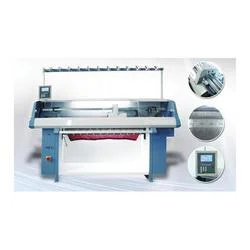
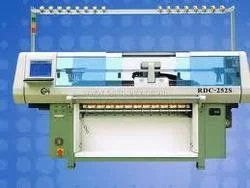
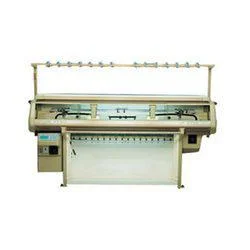
Flat Knitting Machine: These machines create flat pieces of fabric, suitable for items like sweaters and cardigans. They offer flexibility in design and are often used for more intricate patterns.
Shaped Knitting Machine: This type is capable of producing three-dimensional knitted items, allowing for more complex designs and applications in fashion and technical textiles.
Computerized Knitting Machine: Equipped with advanced technology, these machines allow for precise control and customization of designs, catering to modern textile demands.
𝗕𝗲𝗻𝗲𝗳𝗶𝘁𝘀 𝗮𝗻𝗱 𝗔𝗱𝘃𝗮𝗻𝘁𝗮𝗴𝗲𝘀
Investing in knitting machines offers several key benefits for businesses.
1. Increased Production Efficiency: Knitting machines automate the knitting process, allowing for faster production rates compared to manual methods.
2. Versatility in Design: Modern knitting machines can produce a wide range of patterns and textures, enabling businesses to cater to diverse market demands.
3. Cost-Effectiveness: The efficiency and speed of knitting machines reduce labor costs and waste, leading to overall cost savings.
4. Enhanced Quality Control: Automated systems ensure consistent quality in production, reducing defects and improving customer satisfaction.
5. Customization Capabilities: Many knitting machines offer options for customization, allowing businesses to create unique products that stand out in the market.
6. Reduced Labor Dependency: Automation decreases reliance on manual labor, which can mitigate risks associated with labor shortages or fluctuations.
𝗕𝘂𝘆𝗶𝗻𝗴 𝗚𝘂𝗶𝗱𝗲 𝗳𝗼𝗿 𝗕𝟮𝗕 𝗕𝘂𝘆𝗲𝗿𝘀
When sourcing knitting machines, B2B buyers should consider several important factors.
1. Quality Assessment: Evaluate the machine's build quality and performance metrics. Look for machines that meet industry standards to ensure reliability and durability.
2. Supplier Verification: Vet potential suppliers to confirm their credibility. Check for certifications, customer reviews, and their reputation within the industry.
3. Pricing and MOQ: Understand the pricing structure and minimum order quantities. Compare costs across suppliers to find the best value without compromising quality.
4. Delivery and Lead Times: Assess the supplier's ability to meet delivery schedules. Timely delivery is crucial to maintaining production timelines.
5. Compliance Requirements: Ensure that the knitting machines meet regional and international compliance standards for safety and quality. This may include certifications such as CE.
𝗖𝗼𝗺𝗽𝗹𝗶𝗮𝗻𝗰𝗲 𝗮𝗻𝗱 𝗖𝗲𝗿𝘁𝗶𝗳𝗶𝗰𝗮𝘁𝗶𝗼𝗻𝘀
Knitting machines must adhere to various quality standards to ensure safety and efficiency in production. ISO 9001 is a widely recognized standard that focuses on quality management systems, ensuring that manufacturers maintain high-quality products.
In addition to ISO standards, the CE mark is crucial for products sold in Europe, indicating compliance with safety and health requirements. Other relevant certifications may apply depending on specific applications, such as those in medical or automotive textiles.
Safety and testing requirements are essential in the manufacturing process, ensuring that machines operate reliably without posing risks to operators. Regional compliance considerations may also vary, necessitating a thorough understanding of local regulations to avoid potential legal issues.
𝗪𝗵𝘆 𝗦𝗼𝘂𝗿𝗰𝗲 𝗞𝗻𝗶𝘁𝘁𝗶𝗻𝗴 𝗠𝗮𝗰𝗵𝗶𝗻𝗲𝘀 𝗳𝗿𝗼𝗺 𝗣𝗲𝗽𝗮𝗴𝗼𝗿𝗮?
Pepagora provides a trusted platform for sourcing knitting machines, offering multiple advantages to businesses.
Verified Supplier Network: Pepagora maintains a network of verified suppliers, ensuring that buyers can connect with reputable manufacturers who meet industry standards.
Streamlined RFQ Process: The platform simplifies the request for quotation process, allowing buyers to receive competitive quotes quickly and efficiently, thereby saving time and effort.
Trade Assurance and Support: Buyers benefit from trade assurance programs that protect their investments and ensure that suppliers adhere to their commitments.
Regional Coverage: Pepagora's reach includes key markets such as India, the GCC, and Southeast Asia, providing businesses with access to a diverse range of suppliers and products tailored to their specific needs.
Newly Added



Recently Added
Mefa Needles Pvt Ltd
Industrial Chochet Machine Needles High Precision Durable Knitting
Industrial Knitting Bearded Machine Needles Premium Performance
Industrial Knitting Machine Needles Interlock Sinker Rib High Speed
Elpar International
Tailor Model Sewing Machine For Textile Decorative Applications
Industrial Sewing Machine Deluxe Model High Speed Precision Stitching
Industrial Sewing Machine TA 1 103K Umbrella Model Heavy Duty Precision
A. B. K. Overseas Private Limited
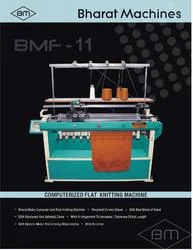
Industrial Computerized Flat Knitting Machines for Sweater and Garment Production
Textile Yarn Testing Hose Knitting Machine For Quality Control
Industrial Knitting Machine For Precision Bobbin Covering Fabric Production
Axis Enterprises
Bulk Rainbow Zippers Vibrant Durable Fastening Solutions
Premium Coat Zippers For Durable Smooth Bulk Orders
Nylon Two Way Zippers Durable Bidirectional Locking
BDR Products Private Limited
Aluminum Knitting Needles Durable Lightweight Corrosion Resistant
Aluminum Knitting Needles Lightweight Durable Corrosion Resistant
Industrial Medical Aluminum Needles High Quality Durable Precision
Bhakti
Industrial Wire Stitching Machine PC8420 Heavy Duty Bookbinding Packaging
Industrial Double Chain Sewing Machine With 401 Stitch Heavy Duty
Industrial Overlock Sewing Machine Compact High Speed Durable
Dalvindra Industries
Industrial Knitting Machines For Textile And Apparel Production
Industrial Flat Knitting Machines For High Volume Textile Production
Industrial Textile Production Computerized Flat Knitting Machines High Speed Automated
Why Businesses Trust Pepagora
Thousands of companies trust Pepagora to source smarter and sell faster
Expand Your Sales Globally
25000+Products listed.Get discovered by global buyers
Tools to boost visibility
Build your own catalog

Source Smarter,Grow Faster
4000+Active RFQs
100+ Countries served
Easy Sourcing Tools
