
 IN
INundefined
Knitting Machinery
32 products available
𝗪𝗵𝗮𝘁 𝗮𝗿𝗲 𝗞𝗻𝗶𝘁𝘁𝗶𝗻𝗴 𝗠𝗮𝗰𝗵𝗶𝗻𝗲𝗿𝘆?
Knitting machinery refers to a range of industrial equipment designed for the knitting process, which transforms yarn into knitted fabrics. These machines can produce various types of knitwear, including garments, home textiles, and technical textiles. They operate using different techniques such as circular knitting, flat knitting, and warp knitting, enabling manufacturers to create intricate designs and patterns.
The primary uses of knitting machinery span multiple sectors, including fashion, sportswear, home furnishings, and industrial applications. Businesses leverage these machines to increase production efficiency and maintain high-quality standards in the textiles they produce. With advancements in technology, modern knitting machines offer greater automation and precision, which helps manufacturers meet the growing demand for customized and high-performance textiles.
In the current market context, knitting machinery plays a crucial role in the textile industry. As consumer preferences shift toward sustainable and innovative fabrics, manufacturers are investing in advanced knitting technologies. This trend is driven by the need for rapid production cycles and the ability to create complex designs, ensuring that companies remain competitive in a fast-evolving marketplace.
𝗞𝗲𝘆 𝗙𝗲𝗮𝘁𝘂𝗿𝗲𝘀 𝗮𝗻𝗱 𝗦𝗽𝗲𝗰𝗶𝗳𝗶𝗰𝗮𝘁𝗶𝗼𝗻𝘀
Knitting machinery is characterized by several key features that enhance its performance and efficiency. Understanding these specifications is essential for manufacturers looking to invest in the right equipment.
Key specifications include:
1. Machine Type
- Includes circular, flat, and warp knitting machines.
- Each type is designed for specific applications and fabric structures.
2. Gauge
- Refers to the number of needles per inch.
- Determines the fabric density and texture.
3. Speed
- Measured in revolutions per minute (RPM).
- Affects production capacity and overall efficiency.
4. Automation Level
- Varies from manual to fully automated systems.
- Higher automation increases productivity and reduces labor costs.
5. Yarn Compatibility
- Supports various yarn types, including natural and synthetic fibers.
- Ensures versatility in fabric production.
6. Control Systems
- Includes computerized and mechanical controls.
- Computerized systems offer enhanced precision and flexibility.
7. Energy Consumption
- Indicates the machine's efficiency in power usage.
- Lower consumption is preferred for cost-effectiveness.
8. Maintenance Requirements
- Specifies the frequency and complexity of maintenance needed.
- Machines with lower maintenance needs are generally more desirable.
In summary, understanding these key specifications helps businesses select the right knitting machinery tailored to their production needs and operational goals.
𝗖𝗼𝗺𝗺𝗼𝗻 𝗔𝗽𝗽𝗹𝗶𝗰𝗮𝘁𝗶𝗼𝗻𝘀 𝗮𝗻𝗱 𝗨𝘀𝗲 𝗖𝗮𝘀𝗲𝘀
Knitting machinery serves various industries, each with specific applications that highlight its versatility.
1. Fashion Industry: Knitting machines are used to produce a wide range of garments, from sweaters and t-shirts to intricate designs for high fashion. The ability to create unique patterns and textures is essential for designers.
2. Sportswear: These machines manufacture performance-oriented fabrics that provide stretch, moisture-wicking properties, and breathability. This is crucial for athletic wear and active lifestyle products.
3. Home Textiles: Knitting machinery is employed to create blankets, curtains, and upholstery fabrics. The variety of textures and patterns available allows for customization in home decor.
4. Industrial Applications: Specialized knitting machines are used to produce technical textiles for automotive, medical, and aerospace industries. These fabrics often have specific performance requirements, such as durability and resistance to various environmental factors.
5. Medical Textiles: Knitting machinery is utilized to create bandages, compression garments, and other medical fabrics. The precision and adaptability of knitting processes cater to the unique needs of this sector.
6. Footwear: Knitting technology is increasingly used in the production of shoe uppers, offering lightweight and breathable designs that enhance comfort.
7. Accessories: From scarves to hats, knitting machinery is crucial for producing a wide range of knitted accessories that complement fashion trends.
𝗣𝗿𝗼𝗱𝘂𝗰𝘁 𝗩𝗮𝗿𝗶𝗮𝗻𝘁𝘀 𝗮𝗻𝗱 𝗦𝘂𝗯𝗰𝗮𝘁𝗲𝗴𝗼𝗿𝗶𝗲𝘀
Knitting machinery comes in various forms, each designed to meet different production needs and market demands.
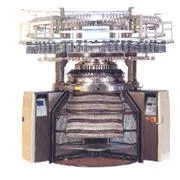
Circular Knitting Machines: These machines are engineered for high-speed production of tubular fabrics. They are ideal for producing seamless garments and offer flexibility in design.
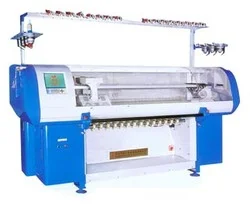
Flat Knitting Machines: These machines are designed for creating flat panels of fabric, which can be used for various garment types. They provide versatility in stitch patterns and are suitable for intricate designs.
Warp Knitting Machines: Known for their ability to produce complex structures, these machines are suitable for creating lace and technical textiles. They are widely used in specialized applications that require high durability.
𝗕𝗲𝗻𝗲𝗳𝗶𝘁𝘀 𝗮𝗻𝗱 𝗔𝗱𝘃𝗮𝗻𝘁𝗮𝗴𝗲𝘀
Investing in knitting machinery offers numerous benefits that can enhance a business's operational capabilities.
1. Increased Production Efficiency: Modern knitting machines are designed for high-speed operations, enabling businesses to meet rising demand without compromising quality.
2. Design Flexibility: The ability to create intricate patterns and textures allows manufacturers to respond quickly to market trends and customer preferences.
3. Cost-Effectiveness: Advanced automation reduces labor costs and minimizes waste, leading to overall savings in production.
4. Improved Fabric Quality: High-quality knitting machinery ensures consistent fabric quality, which is crucial for customer satisfaction and brand reputation.
5. Sustainable Practices: Many modern machines are designed with energy efficiency in mind, supporting environmentally friendly production practices.
6. Versatility: Knitting machinery can handle various yarn types and fabric structures, making it suitable for a wide range of applications across multiple industries.
𝗕𝘂𝘆𝗶𝗻𝗴 𝗚𝘂𝗶𝗱𝗲 𝗳𝗼𝗿 𝗕𝟮𝗕 𝗕𝘂𝘆𝗲𝗿𝘀
When sourcing knitting machinery, it is essential to consider several factors to ensure the best investment.
1. Quality Assessment: Evaluate the quality of the machines based on performance, durability, and design. Look for manufacturers with a reputation for producing reliable and high-quality equipment.
2. Supplier Verification: Conduct thorough background checks on suppliers to confirm their credibility and track record. Reliable suppliers should provide references and documentation of their products.
3. Pricing and MOQ: Understand the pricing structure and minimum order quantities. Consider the total cost of ownership, including maintenance and operational costs.
4. Delivery and Lead Times: Ensure that suppliers can meet your production schedules by discussing delivery timelines and logistics. Timely delivery is crucial for maintaining production efficiency.
5. Compliance Requirements: Check for any specific regulatory standards that must be met, such as safety certifications and quality standards. Compliance with industry regulations is essential for operational legitimacy.
𝗖𝗼𝗺𝗽𝗹𝗶𝗮𝗻𝗰𝗲 𝗮𝗻𝗱 𝗖𝗲𝗿𝘁𝗶𝗳𝗶𝗰𝗮𝘁𝗶𝗼𝗻𝘀
Compliance and certifications are critical components of knitting machinery manufacturing. They ensure that products meet industry standards for quality and safety.
Relevant quality standards include ISO 9001, which focuses on quality management systems, and HACCP, which ensures food safety in textile applications. These standards help manufacturers maintain high-quality production processes.
Industry certifications, such as CE certification, indicate that the machinery complies with European health, safety, and environmental protection standards. This is vital for businesses looking to operate within the European market.
Safety and testing requirements vary by region and application. Manufacturers must adhere to specific guidelines for machinery safety to protect operators and ensure reliable performance.
Additionally, regional compliance considerations should be taken into account, particularly for businesses operating in multiple countries. Understanding local regulations ensures smooth operations and mitigates risks associated with non-compliance.
𝗪𝗵𝘆 𝗦𝗼𝘂𝗿𝗰𝗲 𝗞𝗻𝗶𝘁𝘁𝗶𝗻𝗴 𝗠𝗮𝗰𝗵𝗶𝗻𝗲𝗿𝘆 𝗳𝗿𝗼𝗺 𝗣𝗲𝗽𝗮𝗴𝗼𝗿𝗮?
Pepagora provides a trusted platform for sourcing knitting machinery, offering numerous key advantages that cater to B2B buyers' needs.
Verified Supplier Network: Pepagora has established a robust network of verified suppliers, ensuring that buyers can connect with reliable manufacturers. This network streamlines the process of finding reputable sources for knitting machinery.
Streamlined RFQ Process: The platform features an efficient request for quotation (RFQ) system that simplifies the procurement process. Buyers can easily compare offers, negotiate terms, and make informed purchasing decisions.
Trade Assurance and Support: Pepagora emphasizes buyer protection through trade assurance initiatives. This support includes dispute resolution and guarantee of product quality, providing peace of mind to buyers throughout the sourcing process.
Regional Coverage: With a strong presence in key markets such as India, the GCC, and Southeast Asia, Pepagora offers extensive geographic reach. This ensures that buyers can access the latest knitting technologies and innovations tailored to their regional needs.
Newly Added


Recently Added
Arushi Consultancy & Engineering Services
Industrial CNC Laser Metal Cutting Machine For Sheet Metal Fabrication
Industrial Precision Laser Welding Machines High Efficiency Performance
Professional 800mm Cutting Plotter Machine For Vinyl Paper Fabric
BDR Products Private Limited
Aluminum Knitting Needles Durable Lightweight Corrosion Resistant
Aluminum Knitting Needles Lightweight Durable Corrosion Resistant
Industrial Medical Aluminum Needles High Quality Durable Precision
Cast Win
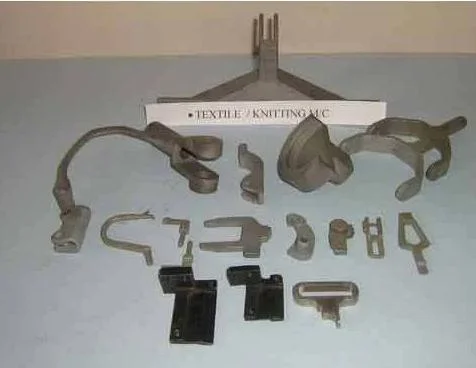
Industrial Knitting Machine For Scarf Production Circular Flat Single System
Defence Railway Mild Steel Forging Components OEM ODM
Industrial Boiler Soot Blower Nozzles and Lances Stainless Steel Machining
Abhilash  Enterprises
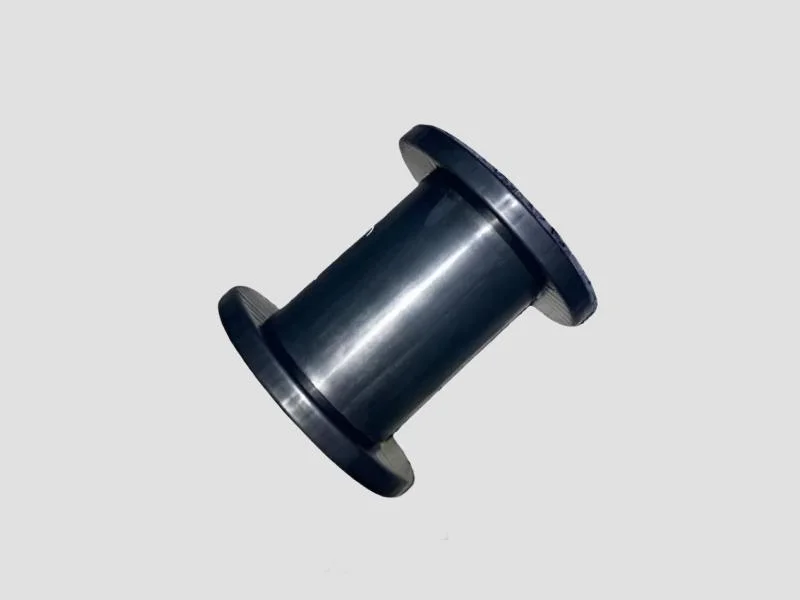
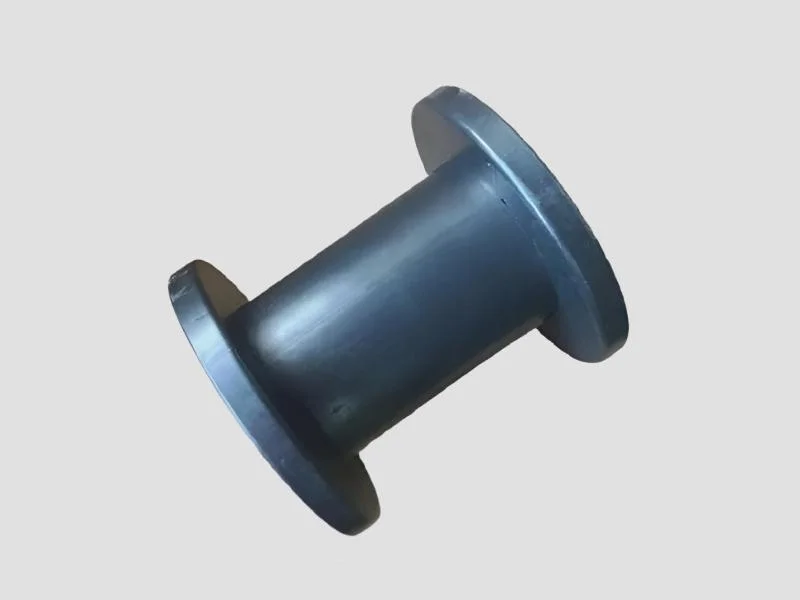
Industrial Electrical Doubler Bobbins ABS Material Various Sizes
Industrial Plastic Doublers Twisters Bobbins Welded Flanges Barrel
Industrial ABS Bobbins For Transformers Solenoids Sensors
Matha Industies
Home Wet Grinder Motors 2L High Efficiency 3 Year Warranty
Commercial Kitchen Tabletop Wet Grinders Steel Corrosion Resistant
Textile Machinery Aluminum Reed Adapter OEM Standard Easy Install
Disha International
Premium Hospitality Silver Beaded Napkin Rings For Elegant Table Settings
Premium Sterling Silver Card Holders For Gifting And Luxury Retail
Luxury Packaging Premium Sterling Silver Child Can For Distributors
Jeyaletshmi Machine Works
Commercial Fishing HDPE Rope 380/30 120ply Lever Power Assorted
Ring Doubler Machine For Cotton Polyester Acrylic Silk Yarn Doubling
Industrial Jute Twine Twister Machine 144 96 80 Spindles 4000 RPM
Angel Starch And Chemicals Private Limited
Industrial CMS Carboxymethyl Starch Binder Thickener Additive
Textile Manufacturing Angel Thin Tex Low Viscosity Starch For Looms
Textile Warp Yarn Sizing Starch For All Loom Types
Aryan Impex
Professional HP Laptop Bags Durable Fabric International Compliance
Durable School Bags High Quality Fabric Bulk Distribution
Ludan Cargo School Bags Durable Student Backpacks Bulk Customization
A. B. K. Overseas Private Limited
Industrial Computerized Flat Knitting Machines for Sweater and Garment Production
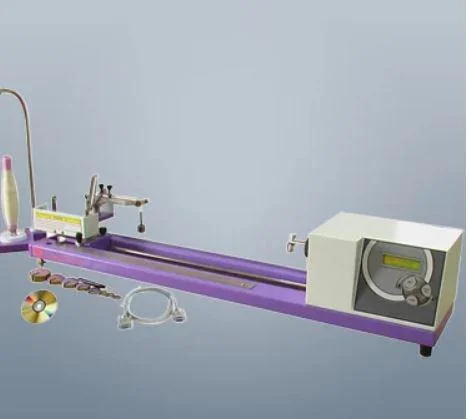
Textile Yarn Testing Hose Knitting Machine For Quality Control
Industrial Knitting Machine For Precision Bobbin Covering Fabric Production
Why Businesses Trust Pepagora
Thousands of companies trust Pepagora to source smarter and sell faster
Expand Your Sales Globally
25000+Products listed.Get discovered by global buyers
Tools to boost visibility
Build your own catalog

Source Smarter,Grow Faster
4000+Active RFQs
100+ Countries served
Easy Sourcing Tools
