
 IN
INundefined
Knitted Fabric Traders
0 products available
𝗪𝗵𝗮𝘁 𝗮𝗿𝗲 𝗞𝗻𝗶𝘁𝘁𝗲𝗱 𝗙𝗮𝗯𝗿𝗶𝗰 𝗧𝗿𝗮𝗱𝗲𝗿𝘀?
Knitted Fabric Traders are businesses that specialize in the production and distribution of knitted fabrics. These fabrics are made through a process of interlocking loops of yarn using knitting machines or by hand. The flexibility and stretchability of knitted fabrics make them suitable for a wide range of applications across various industries. Knitted fabric products can vary in texture, thickness, and patterns, allowing traders to cater to diverse customer needs.
The primary uses of knitted fabrics encompass clothing, home textiles, and industrial applications. They are commonly found in activewear, casual wear, and undergarments due to their comfort and elasticity. Additionally, knitted fabrics are utilized in upholstery, blankets, and other textile products. Businesses engaged in fashion, interior design, and manufacturing often source these materials to enhance their offerings and meet market demands.
The relevance of Knitted Fabric Traders in the textile industry is significant, as they play a crucial role in the supply chain. With the increasing demand for sustainable and innovative fabrics, knitted fabric traders are adapting to trends by offering eco-friendly options and advanced technical fabrics. The market for knitted fabrics continues to grow, driven by consumer preferences for comfort and functionality in various applications.
𝗞𝗲𝘆 𝗙𝗲𝗮𝘁𝘂𝗿𝗲𝘀 𝗮𝗻𝗱 𝗦𝗽𝗲𝗰𝗶𝗳𝗶𝗰𝗮𝘁𝗶𝗼𝗻𝘀
Knitted fabrics are characterized by their unique properties that set them apart from woven fabrics. Their flexibility, breathability, and comfort make them a preferred choice in many applications. Understanding the key specifications of knitted fabrics is essential for businesses looking to make informed purchasing decisions.
Key specifications include:
1. Fabric Composition
- Typically made from cotton, polyester, nylon, or blends
- Varies based on the intended use of the fabric
2. Thickness
- Measured in gauge or weight (grams per square meter)
- Affects the fabric's durability and drape
3. Stretchability
- Defined by the fabric's ability to recover after being stretched
- Important for applications like activewear
4. Texture
- Can range from smooth to textured, ribbed, or patterned
- Influences the aesthetic appeal of the final product
5. Breathability
- The ability of the fabric to allow air circulation
- Critical for comfort in clothing and home textiles
6. Colorfastness
- Resistance to fading or running of colors when washed
- Important for maintaining appearance over time
7. Care Instructions
- Specific recommendations for washing, drying, and ironing
- Ensures longevity and performance of the fabric
Understanding these specifications helps businesses select the right knitted fabrics for their requirements, ensuring quality and satisfaction.
𝗖𝗼𝗺𝗺𝗼𝗻 𝗔𝗽𝗽𝗹𝗶𝗰𝗮𝘁𝗶𝗼𝗻𝘀 𝗮𝗻𝗱 𝗨𝘀𝗲 𝗖𝗮𝘀𝗲𝘀
Knitted fabrics are utilized across a broad spectrum of industries, each benefiting from their unique characteristics.
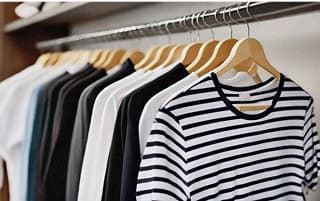
1. Apparel Industry: Knitted fabrics are extensively used in garments such as t-shirts, sweaters, and leggings, providing comfort and ease of movement.
2. Home Textiles: Products like blankets, curtains, and upholstery fabrics often incorporate knitted materials for their softness and aesthetic value.
3. Sportswear: The activewear segment leverages the stretch and moisture-wicking properties of knitted fabrics to enhance performance and comfort during physical activities.
4. Medical Textiles: Knitted fabrics are also employed in medical applications, including bandages and compression garments, due to their flexibility and breathability.
5. Automotive: Knitted fabrics are used in vehicle interiors for seat covers and headliners, combining durability with comfort.
6. Industrial Applications: In some cases, knitted fabrics are employed in industrial settings, including protective clothing and safety gear.
7. Accessories: Knitted materials are frequently used in scarves, hats, and gloves, offering warmth and style during colder months.
𝗣𝗿𝗼𝗱𝘂𝗰𝘁 𝗩𝗮𝗿𝗶𝗮𝗻𝘁𝘀 𝗮𝗻𝗱 𝗦𝘂𝗯𝗰𝗮𝘁𝗲𝗴𝗼𝗿𝗶𝗲𝘀
Knitted fabrics come in various forms, catering to different needs and applications.
Cotton Knitted Fabric
This variant is soft, breathable, and perfect for casual clothing and home textiles. Its comfort makes it a popular choice for t-shirts and pajamas.
Polyester Knitted Fabric
Known for its durability and moisture-wicking properties, this fabric is ideal for activewear. It dries quickly and retains its shape after washing.
Ribbed Knitted Fabric
Characterized by its textured surface, ribbed fabric is often used in fitted garments like tank tops and cuffs, providing a snug fit.
Interlock Knitted Fabric
This type offers a smooth surface on both sides and is commonly used in high-quality apparel. Its thickness provides extra warmth and comfort.
Jacquard Knitted Fabric
With intricate patterns woven into the fabric, jacquard is used in fashion and home décor, adding visual interest and depth to products.
𝗕𝗲𝗻𝗲𝗳𝗶𝘁𝘀 𝗮𝗻𝗱 𝗔𝗱𝘃𝗮𝗻𝘁𝗮𝗴𝗲𝘀
Choosing knitted fabrics offers numerous advantages for businesses and consumers alike.
1. Comfort: Knitted fabrics provide excellent comfort due to their softness and stretch, making them ideal for clothing and home textiles.
2. Versatility: The wide range of textures and styles available allows for applications in various industries, from fashion to medical textiles.
3. Durability: High-quality knitted fabrics are resilient and can withstand regular wear and tear, ensuring longevity for end products.
4. Breathability: Many knitted fabrics allow for air circulation, enhancing comfort in apparel and upholstery applications.
5. Easy Care: Most knitted fabrics are machine washable and easy to maintain, making them practical for everyday use.
6. Customization: Many suppliers offer options for customization, allowing businesses to create unique products tailored to their brand.
𝗕𝘂𝘆𝗶𝗻𝗴 𝗚𝘂𝗶𝗱𝗲 𝗳𝗼𝗿 𝗕𝟮𝗕 𝗕𝘂𝘆𝗲𝗿𝘀
When sourcing knitted fabrics, B2B buyers should consider several critical factors to ensure quality and suitability for their needs.
1. Quality Assessment: Buyers should evaluate the fabric's composition and construction. Look for certifications or standards that ensure quality.
2. Supplier Verification: Vet potential suppliers by checking their reputation, customer reviews, and compliance with industry standards to ensure reliability.
3. Pricing and MOQ: Understand pricing structures and minimum order quantities to ensure the supplier can meet your budget and inventory needs.
4. Delivery and Lead Times: Inquire about logistics to ensure timely delivery of materials, which is essential for maintaining production schedules.
5. Compliance Requirements: Ensure that the fabrics comply with any relevant regulations or industry standards, particularly for specialized applications like medical textiles.
𝗖𝗼𝗺𝗽𝗹𝗶𝗮𝗻𝗰𝗲 𝗮𝗻𝗱 𝗖𝗲𝗿𝘁𝗶𝗳𝗶𝗰𝗮𝘁𝗶𝗼𝗻𝘀
Compliance is a critical aspect of sourcing knitted fabrics. Various quality standards govern the production and distribution of these materials.
ISO 9001 is a widely recognized standard that focuses on quality management systems. Manufacturers adhering to this standard demonstrate their commitment to consistent quality and customer satisfaction.
CE certification indicates that a product meets European safety and health requirements. For knitted fabrics, this is particularly important in sectors like medical and safety textiles where compliance is essential.
Safety and testing requirements for knitted fabrics often include assessments for flammability, colorfastness, and durability. Manufacturers should provide documentation to demonstrate compliance with relevant testing protocols.
Regional compliance considerations may vary significantly, with different countries imposing unique standards and regulations. Buyers should ensure that their suppliers are knowledgeable about regional requirements to avoid potential issues.
𝗪𝗵𝘆 𝗦𝗼𝘂𝗿𝗰𝗲 𝗞𝗻𝗶𝘁𝘁𝗲𝗱 𝗙𝗮𝗯𝗿𝗶𝗰 𝗧𝗿𝗮𝗱𝗲𝗿𝘀 𝗳𝗿𝗼𝗺 𝗣𝗲𝗽𝗮𝗴𝗼𝗿𝗮?
Pepagora offers a reliable platform for sourcing knitted fabrics, presenting numerous advantages for B2B buyers.
Verified Supplier Network: Pepagora connects buyers with a network of verified suppliers, ensuring that all listed businesses meet industry standards for quality and reliability.
Streamlined RFQ Process: The platform features a user-friendly system for requesting quotations, making it easy for buyers to obtain competitive pricing and compare offers from multiple suppliers.
Trade Assurance and Support: Buyers benefit from trade assurance measures that protect their transactions, fostering confidence in sourcing decisions.
Regional Coverage: Pepagora serves a wide geographic area, including India, the GCC, and Southeast Asia, allowing businesses to tap into diverse markets and suppliers effectively.
Newly Added
Currently, no products are listed. Explore other categories listed below or post your buying request
Explore Verified Categories
Browse trusted industries powered by verified suppliers.










Recently Added
Why Businesses Trust Pepagora
Thousands of companies trust Pepagora to source smarter and sell faster
Expand Your Sales Globally
25000+Products listed.Get discovered by global buyers
Tools to boost visibility
Build your own catalog

Source Smarter,Grow Faster
4000+Active RFQs
100+ Countries served
Easy Sourcing Tools
