
 IN
INundefined
Juice Glass Bottles
0 products available
𝗪𝗵𝗮𝘁 𝗮𝗿𝗲 𝗝𝘂𝗶𝗰𝗲 𝗚𝗹𝗮𝘀𝘀 𝗕𝗼𝘁𝘁𝗹𝗲𝘀?
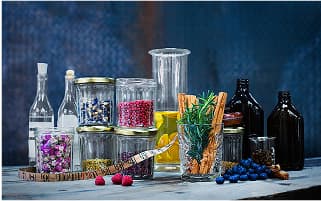
Juice glass bottles are specialized containers designed for the storage and distribution of various types of juice products. Made from high-quality glass, these bottles offer an appealing aesthetic while ensuring the integrity and quality of the juice inside. They are preferred by many manufacturers and distributors in the beverage industry due to their ability to preserve taste and freshness over time. Glass is non-reactive, which means it does not alter the flavor of the juice, making it an ideal choice for storing beverages.
These bottles are commonly used in various business applications, including retail, food service, and catering. They are suitable for packaging fresh juices, flavored waters, smoothies, and other liquid products. The glass material enhances the product's shelf appeal, making it an attractive option for consumers. In addition, the sustainable nature of glass makes it a preferred packaging choice in an increasingly eco-conscious market. The demand for juice glass bottles continues to grow as businesses seek to offer premium product experiences that align with consumer values of quality and sustainability.
𝗞𝗲𝘆 𝗙𝗲𝗮𝘁𝘂𝗿𝗲𝘀 𝗮𝗻𝗱 𝗦𝗽𝗲𝗰𝗶𝗳𝗶𝗰𝗮𝘁𝗶𝗼𝗻𝘀
Juice glass bottles come equipped with several key features that make them suitable for the beverage industry. These features ensure that the bottles meet the varying demands of producers while maintaining product integrity.
Key specifications include:
1. Material
- Made from food-grade glass
- Provides durability and resistance to breakage
2. Capacity
- Available in various sizes, typically ranging from 250 ml to 1 liter
- Custom sizes may also be available to meet specific needs
3. Closure Type
- Commonly equipped with screw caps or cork stoppers
- Ensures airtight sealing to maintain freshness
4. Design Options
- Available in various shapes and designs for branding purposes
- Customizable printing options for labels
5. Temperature Resistance
- Designed to withstand refrigeration and moderate heat
- Suitable for both chilled and room temperature beverages
6. Reusability
- Environmentally friendly option due to reusability
- Encourages sustainable practices among consumers
7. Compliance
- Meets industry standards for food safety
- Certification by relevant authorities, such as CE
8. Manufacturing Process
- Produced through high-quality manufacturing processes ensuring consistency
- Quality control measures in place to maintain product standards
In summary, juice glass bottles are versatile and high-quality packaging solutions that cater to the needs of the beverage industry while promoting sustainability and brand visibility.
𝗖𝗼𝗺𝗺𝗼𝗻 𝗔𝗽𝗽𝗹𝗶𝗰𝗮𝘁𝗶𝗼𝗻𝘀 𝗮𝗻𝗱 𝗨𝘀𝗲 𝗖𝗮𝘀𝗲𝘀
Juice glass bottles serve various industries due to their versatility and aesthetic appeal. They are utilized in multiple applications that enhance the consumer experience.
1. Beverage Industry: Juice glass bottles are primarily used by juice manufacturers and distributors for packaging fresh and bottled juices. Their ability to preserve flavor and freshness makes them ideal for this application.
2. Food Service: Restaurants and cafes often use glass bottles to serve juices and smoothies, providing a premium experience to customers. The visual appeal of glass enhances the overall presentation.
3. Catering: Catering companies utilize juice glass bottles for events, ensuring that beverages are served in an upscale manner. These bottles can be customized for special occasions, adding a personal touch.
4. Retail Markets: Grocery stores and markets offer bottled juices in glass containers as part of their product lineup. The eco-friendly nature of glass appeals to health-conscious consumers.
5. Health and Wellness: Health food brands package their cold-pressed juices in glass bottles to emphasize quality and freshness. This helps convey the brand's commitment to natural ingredients.
6. Organic Products: Organic juice producers prefer glass bottles for their ability to communicate quality and sustainability, aligning with consumer values.
7. Specialty Beverages: Companies producing flavored waters or infused drinks use glass bottles for their premium appearance and ability to maintain product integrity.
𝗣𝗿𝗼𝗱𝘂𝗰𝘁 𝗩𝗮𝗿𝗶𝗮𝗻𝘁𝘀 𝗮𝗻𝗱 𝗦𝘂𝗯𝗰𝗮𝘁𝗲𝗴𝗼𝗿𝗶𝗲𝘀
Juice glass bottles come in various designs and sizes, allowing businesses to select the most suitable options for their products.
Classic Round Bottle
This variant features a timeless round shape, perfect for traditional juice products. Its wide mouth allows for easy filling and cleaning, making it a favorite among manufacturers.
Square Bottle
The square design maximizes shelf space and offers a modern look. This variant is often used for premium juices and can be customized with unique labeling to enhance brand visibility.
Slim Bottle
The slim profile is ideal for on-the-go consumption. These bottles are lightweight and easy to carry, catering to busy consumers seeking healthy beverage options.
Wide Mouth Bottle
This type allows for easy access and is perfect for smoothies and thicker juices. The wide opening facilitates easy pouring and cleaning.
𝗕𝗲𝗻𝗲𝗳𝗶𝘁𝘀 𝗮𝗻𝗱 𝗔𝗱𝘃𝗮𝗻𝘁𝗮𝗴𝗲𝘀
Sourcing juice glass bottles offers numerous advantages for businesses in the beverage industry.
Key benefits include:
1. Enhanced Product Preservation: Glass bottles provide excellent protection against light and air, maintaining the quality and freshness of the juice for longer periods.
2. Eco-Friendly Packaging: Glass is recyclable and reusable, aligning with sustainability goals and appealing to environmentally conscious consumers.
3. Aesthetic Appeal: The elegant look of glass bottles enhances product presentation, making them more attractive on shelves and during service.
4. Chemical Resistance: Glass does not interact with its contents, ensuring that the flavor and safety of the juice are preserved without contamination.
5. Customization Options: Businesses can customize glass bottles with labels and designs that reflect their brand identity, enhancing market presence.
6. Consumer Trust: Packaging products in glass can increase consumer trust as they associate glass with quality and safety, leading to higher sales.
𝗕𝘂𝘆𝗶𝗻𝗴 𝗚𝘂𝗶𝗱𝗲 𝗳𝗼𝗿 𝗕𝟮𝗕 𝗕𝘂𝘆𝗲𝗿𝘀
When sourcing juice glass bottles, B2B buyers should consider several important factors to ensure they make informed purchasing decisions.
1. Quality Assessment: Look for suppliers who provide high-quality glass bottles that meet industry standards. Request samples to evaluate the material and craftsmanship before making a bulk order.
2. Supplier Verification: Vet potential suppliers by checking their reputation, customer reviews, and industry certifications. This helps ensure reliability and quality in the products.
3. Pricing and MOQ: Understand the pricing structure and minimum order quantities (MOQ) of suppliers. Compare quotes from multiple suppliers to find the best value without compromising quality.
4. Delivery and Lead Times: Inquire about the supplier's delivery capabilities and lead times. Timely delivery is crucial for maintaining production schedules and meeting customer demands.
5. Compliance Requirements: Ensure that the bottles comply with relevant food safety and packaging regulations in your target markets. Verify certifications such as CE to ensure adherence to quality standards.
𝗖𝗼𝗺𝗽𝗹𝗶𝗮𝗻𝗰𝗲 𝗮𝗻𝗱 𝗖𝗲𝗿𝘁𝗶𝗳𝗶𝗰𝗮𝘁𝗶𝗼𝗻𝘀
Juice glass bottles must adhere to specific industry standards and certifications to ensure safety and quality. Relevant quality standards include ISO 9001, which outlines requirements for quality management systems. This standard helps businesses ensure consistent quality in their manufacturing processes.
HACCP (Hazard Analysis and Critical Control Points) certification is crucial for food-related products, ensuring that safety risks are identified and managed throughout the production process. This certification is particularly important for juice products, where contamination must be prevented.
Additionally, CE marking indicates that the product meets European health and safety standards, making it essential for manufacturers targeting markets in Europe.
Moreover, it is important to consider regional compliance requirements, as different areas may have specific regulations governing food packaging. B2B buyers should ensure that their suppliers are aware of and compliant with these regional regulations to avoid potential legal issues.
𝗪𝗵𝘆 𝗦𝗼𝘂𝗿𝗰𝗲 𝗝𝘂𝗶𝗰𝗲 𝗚𝗹𝗮𝘀𝘀 𝗕𝗼𝘁𝘁𝗹𝗲𝘀 𝗳𝗿𝗼𝗺 𝗣𝗲𝗽𝗮𝗴𝗼𝗿𝗮?
Pepagora provides a trusted platform for sourcing juice glass bottles, offering several key advantages that benefit B2B buyers.
Verified Supplier Network: Pepagora collaborates with a network of verified suppliers, ensuring that buyers can source high-quality juice glass bottles with confidence. The platform's vetting process helps ensure that suppliers meet industry standards.
Streamlined RFQ Process: The Request for Quotation (RFQ) process on Pepagora simplifies sourcing by allowing buyers to submit specific requirements and receive tailored quotes from multiple suppliers. This saves time and helps buyers find the best options.
Trade Assurance and Support: Pepagora offers trade assurance to protect buyers throughout the purchasing process. This includes support for resolving disputes and ensuring that products meet the agreed-upon specifications.
Regional Coverage: With a strong presence in regions like India, the GCC, and Southeast Asia, Pepagora connects buyers with suppliers across various markets. This geographic reach enhances sourcing opportunities and helps buyers find local manufacturers for their needs.
Newly Added
Currently, no products are listed. Explore other categories listed below or post your buying request
Explore Verified Categories
Browse trusted industries powered by verified suppliers.









Recently Added
4 M Plaastech
Commercial 50ml Round Food Containers Airtight Leak Proof Stackable
Food Storage 120ml Round Airtight Leak Proof Container
Commercial 250ml Round Food Containers Airtight Leak Proof Stackable
Why Businesses Trust Pepagora
Thousands of companies trust Pepagora to source smarter and sell faster
Expand Your Sales Globally
25000+Products listed.Get discovered by global buyers
Tools to boost visibility
Build your own catalog

Source Smarter,Grow Faster
4000+Active RFQs
100+ Countries served
Easy Sourcing Tools
