
 IN
INundefined
Instrument Tuners & Metronomes
1 products available
𝗪𝗵𝗮𝘁 𝗮𝗿𝗲 𝗜𝗻𝘀𝘁𝗿𝘂𝗺𝗲𝗻𝘁 𝗧𝘂𝗻𝗲𝗿𝘀 & 𝗠𝗲𝘁𝗿𝗼𝗻𝗼𝗺𝗲𝘀?
Instrument tuners and metronomes are essential tools used by musicians and sound engineers to ensure the accurate tuning and timing of musical instruments. An instrument tuner detects the pitch of a sound and indicates whether it is in tune, while a metronome provides a steady beat or tempo for practice. These devices are crucial in both educational environments and professional settings, helping musicians maintain precision in their performances.
The primary uses of instrument tuners include tuning guitars, violins, and other stringed instruments, as well as brass and woodwind instruments. Metronomes are used to develop timing skills, assisting musicians in maintaining a consistent tempo during practice and performances. They are found in music schools, recording studios, and live performance venues, making them relevant across various segments of the music industry.
In today's market, the demand for instrument tuners and metronomes continues to grow due to the increasing number of music enthusiasts and the rise of online music education. The evolution of technology has also led to innovative designs, including digital tuners and metronomes with advanced features, which enhance the user experience and accuracy of these devices.
𝗞𝗲𝘆 𝗙𝗲𝗮𝘁𝘂𝗿𝗲𝘀 𝗮𝗻𝗱 𝗦𝗽𝗲𝗰𝗶𝗳𝗶𝗰𝗮𝘁𝗶𝗼𝗻𝘀
Instrument tuners and metronomes come with a variety of features that cater to different musical needs. Understanding these specifications is crucial for selecting the right product for your application.
Key specifications include:
1. Tuning Range
- Covers the range of pitches the tuner can detect
- Typically spans from A0 to C8
2. Accuracy
- Indicates how precise the tuning is
- Usually within ±1 cent for most digital tuners
3. Display Type
- Refers to the method of visual feedback provided
- Options may include LED, LCD, or smartphone applications
4. Beat Range
- Defines the tempo range of the metronome
- Typically from 40 BPM to 208 BPM
5. Sound Options
- Different sound settings available for metronome beats
- Options include woodblock, beep, and click sounds
6. Power Supply
- Type of power source used
- Can be battery-operated or USB rechargeable
7. Size and Portability
- Dimensions and weight of the device
- Compact designs are preferable for musicians on the go
8. Additional Features
- May include features like a built-in microphone or smartphone connectivity
- Useful for tuning multiple instruments and practice sessions
In summary, the right instrument tuner and metronome should align with the specific needs of the user, taking into account accuracy, features, and intended applications.
𝗖𝗼𝗺𝗺𝗼𝗻 𝗔𝗽𝗽𝗹𝗶𝗰𝗮𝘁𝗶𝗼𝗻𝘀 𝗮𝗻𝗱 𝗨𝘀𝗲 𝗖𝗮𝘀𝗲𝘀
Instrument tuners and metronomes are utilized across various industries, highlighting their versatility.
1. Music Education: Schools and universities integrate tuners and metronomes into music curricula to aid students in developing their tuning and timing skills.
2. Professional Music Production: Recording studios rely on these devices to ensure that all instruments are perfectly tuned and that musicians maintain a consistent tempo during recordings.
3. Live Performances: Musicians use tuners and metronomes during rehearsals and live gigs to ensure their instruments remain in tune and the timing stays consistent.
4. Musical Therapy: Therapists incorporate these tools in music therapy sessions to help patients improve their timing and rhythm skills.
5. Instrument Manufacturing: Manufacturers of musical instruments use tuners to test and adjust the tuning of their products before they reach consumers.
6. Home Studios: Hobbyists and amateur musicians use tuners and metronomes to enhance their practice sessions and improve their musical skills.
7. Music Apps: Many smartphone applications offer tuning and metronome features, making them accessible to a wider audience of musicians.
𝗣𝗿𝗼𝗱𝘂𝗰𝘁 𝗩𝗮𝗿𝗶𝗮𝗻𝘁𝘀 𝗮𝗻𝗱 𝗦𝘂𝗯𝗰𝗮𝘁𝗲𝗴𝗼𝗿𝗶𝗲𝘀
Instrument tuners and metronomes come in several variants, each designed for specific user preferences and needs.
Digital Tuners
These tuners provide a visual display of pitch accuracy, making them user-friendly for beginners and advanced musicians alike. They often include features like multiple tuning modes and built-in microphones for enhanced functionality.
Mechanical Metronomes
Traditional mechanical metronomes use a pendulum to produce a ticking sound. They are favored by some musicians for their simplicity and classic design, often becoming a staple in music rooms.
Smartphone Applications
With the rise of technology, many musicians now opt for smartphone apps that serve as tuners and metronomes. These applications offer portability and a range of features, including customizable sounds and visual aids.
𝗕𝗲𝗻𝗲𝗳𝗶𝘁𝘀 𝗮𝗻𝗱 𝗔𝗱𝘃𝗮𝗻𝘁𝗮𝗴𝗲𝘀
Instrument tuners and metronomes provide significant advantages for musicians and sound engineers.
1. Enhanced Precision: These tools ensure instruments are accurately tuned, improving overall sound quality and performance.
2. Improved Timing Skills: Metronomes help musicians develop a strong sense of timing, leading to better coordination during practice and performance.
3. Versatility: They can be used across various instruments and musical genres, making them suitable for a wide range of users.
4. Easy to Use: Modern tuners and metronomes boast intuitive interfaces, allowing musicians of all skill levels to utilize them effectively.
5. Portability: Many models are compact and lightweight, making them easy to transport for practice or performances.
6. Cost-Effectiveness: Investing in a tuner and metronome can save time and improve efficiency in practice sessions, leading to faster skill development.
𝗕𝘂𝘆𝗶𝗻𝗴 𝗚𝘂𝗶𝗱𝗲 𝗳𝗼𝗿 𝗕𝟮𝗕 𝗕𝘂𝘆𝗲𝗿𝘀
When sourcing instrument tuners and metronomes, B2B buyers should consider several key factors to ensure they make informed decisions.
1. Quality Assessment: Evaluate the build quality and reliability of the tuners and metronomes. Look for products from reputable brands known for their durability and performance.
2. Supplier Verification: Conduct thorough research on potential suppliers to ensure they have a proven track record. Check for customer reviews and industry reputation to confirm reliability.
3. Pricing and MOQ: Understand the pricing structure and minimum order quantities. This information is essential for budgeting and ensuring that the purchase aligns with business needs.
4. Delivery and Lead Times: Inquire about the supplier's delivery capabilities and lead times. Timely delivery is crucial, especially for businesses that rely on these products for training or performances.
5. Compliance Requirements: Be aware of any regulatory standards or compliance certifications required for instrument tuners and metronomes in your region. This may include safety certifications like CE.
𝗖𝗼𝗺𝗽𝗹𝗶𝗮𝗻𝗰𝗲 𝗮𝗻𝗱 𝗖𝗲𝗿𝘁𝗶𝗳𝗶𝗰𝗮𝘁𝗶𝗼𝗻𝘀
Instrument tuners and metronomes are subject to various quality standards and compliance regulations.
ISO 9001 is a widely recognized standard that ensures quality management systems within organizations, including manufacturers of tuners and metronomes. Compliance with this standard indicates that the products meet international quality assurance criteria.
Additionally, many products carry the CE mark, which signifies that they conform to European health, safety, and environmental protection standards. This certification is essential for products sold within the European market.
Safety and testing requirements must be adhered to during the manufacturing process to ensure that the devices are safe for consumer use. This includes conducting thorough testing to confirm that the tuners and metronomes function correctly and meet performance specifications.
Regional compliance considerations may vary based on local regulations. It is crucial for buyers to verify that the products they are sourcing meet the necessary compliance requirements for their specific market.
𝗪𝗵𝘆 𝗦𝗼𝘂𝗿𝗰𝗲 𝗜𝗻𝘀𝘁𝗿𝘂𝗺𝗲𝗻𝘁 𝗧𝘂𝗻𝗲𝗿𝘀 & 𝗠𝗲𝘁𝗿𝗼𝗻𝗼𝗺𝗲𝘀 𝗳𝗿𝗼𝗺 𝗣𝗲𝗽𝗮𝗴𝗼𝗿𝗮?
Pepagora offers a trusted platform for sourcing instrument tuners and metronomes, providing several key advantages to buyers.
Verified Supplier Network: Pepagora connects buyers with a network of verified suppliers, ensuring that all partners meet stringent quality and reliability standards. This allows businesses to source products with confidence.
Streamlined RFQ Process: The request for quotation (RFQ) process is designed to be efficient and user-friendly. Buyers can easily compare multiple suppliers and obtain the best pricing and terms, facilitating informed purchasing decisions.
Trade Assurance and Support: Pepagora provides trade assurance, protecting buyers' investments and ensuring that they receive the products as promised. The platform also offers support throughout the purchasing process, addressing any concerns that may arise.
Regional Coverage: Pepagora has a broad geographic reach, serving customers in India, the GCC, and Southeast Asia. This extensive network allows buyers to access a wide range of products and suppliers tailored to their specific market needs.


Recently Added
H L Scientific Industries
Mortuary Chambers Premium Cadaver Storage 200C To 50C Stainless Steel
Laboratory Industrial Heavy Duty Rotary Shaker Variable Speed Orbital Mixer
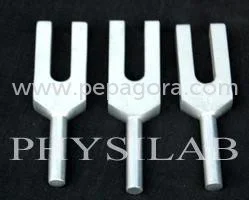
Medical Therapeutic Sharp Tuning Forks Aluminum Alloy Precision
Why Businesses Trust Pepagora
Thousands of companies trust Pepagora to source smarter and sell faster
Expand Your Sales Globally
25000+Products listed.Get discovered by global buyers
Tools to boost visibility
Build your own catalog

Source Smarter,Grow Faster
4000+Active RFQs
100+ Countries served
Easy Sourcing Tools
