
 IN
INundefined
Instant Coffee
20 products available
𝗪𝗵𝗮𝘁 𝗮𝗿𝗲 𝗜𝗻𝘀𝘁𝗮𝗻𝘁 𝗖𝗼𝗳𝗳𝗲𝗲?
Instant coffee is a type of coffee made from brewed coffee beans that have been dehydrated to create a soluble powder or granules. This product allows consumers to prepare coffee quickly by simply adding hot water or milk. It offers convenience without sacrificing flavor, making it a popular choice for both individual consumers and businesses.
Instant coffee is widely used in various sectors, including food service, hospitality, and retail. It is often found in cafes, restaurants, and hotels, where speed and efficiency are essential. Additionally, instant coffee is increasingly available in retail outlets, appealing to consumers looking for a quick caffeine fix at home or on the go. The growing trend of instant coffee offers businesses an opportunity to meet consumer demand for convenience.
The instant coffee market has gained significant traction in recent years, with consumers seeking out quick and easy beverage solutions. Industry growth is driven by increased demand for ready-to-drink coffee products, along with a rising interest in specialty coffee varieties. As the market evolves, businesses must stay informed about product innovations and consumer preferences to remain competitive.
𝗞𝗲𝘆 𝗙𝗲𝗮𝘁𝘂𝗿𝗲𝘀 𝗮𝗻𝗱 𝗦𝗽𝗲𝗰𝗶𝗳𝗶𝗰𝗮𝘁𝗶𝗼𝗻𝘀
Instant coffee comes with several key features and specifications that make it an appealing choice for businesses. Understanding these specifications helps buyers select the right product for their needs.
Key specifications include:
1. Quality Grade
- Instant coffee is categorized into various quality grades based on flavor and aroma profiles.
- Common grades include premium, regular, and economy.
2. Solubility
- Solubility indicates how well the coffee dissolves in water.
- High-quality instant coffee typically offers 100% solubility.
3. Flavor Profile
- Instant coffee can have diverse flavor profiles, ranging from fruity to nutty.
- The flavor is influenced by the coffee bean variety and processing methods.
4. Pack Sizes
- Instant coffee is available in various pack sizes, including single-serve sachets and bulk containers.
- Common sizes range from 5 grams to 1 kilogram.
5. Caffeine Content
- The caffeine content varies depending on the blend and processing method.
- Typical caffeine levels range from 30 to 100 mg per serving.
6. Shelf Life
- Instant coffee generally has a long shelf life, often lasting up to two years when stored correctly.
- Proper storage in a cool, dry place can extend its usability.
7. Packaging Type
- Instant coffee is packaged in various forms such as jars, pouches, and single-serve packets.
- Packaging can influence freshness and ease of use.
8. Certification
- Many instant coffee products carry certifications such as CE to indicate compliance with industry standards.
- Certifications can enhance product credibility and consumer trust.
In summary, understanding these specifications allows businesses to make informed choices when sourcing instant coffee, ensuring they meet both quality and consumer expectations.
𝗖𝗼𝗺𝗺𝗼𝗻 𝗔𝗽𝗽𝗹𝗶𝗰𝗮𝘁𝗶𝗼𝗻𝘀 𝗮𝗻𝗱 𝗨𝘀𝗲 𝗖𝗮𝘀𝗲𝘀
Instant coffee is versatile and serves various industries effectively.
1. Food Service: In cafes and restaurants, instant coffee is often used for quick beverage preparation, allowing staff to serve customers efficiently.
2. Hospitality: Hotels frequently offer instant coffee in guest rooms, enabling guests to enjoy a hot beverage at their convenience.
3. Retail: Grocery stores and convenience shops sell instant coffee products, catering to consumers seeking quick and easy coffee solutions.
4. Office Settings: Many workplaces provide instant coffee for employees, promoting convenience in busy environments.
5. Catering: Instant coffee is popular in catering services due to its ease of preparation and ability to serve large groups quickly.
6. Travel and Logistics: Instant coffee is a favored choice for travel packs, ensuring that travelers have access to coffee regardless of location.
7. Emergency Supplies: Instant coffee is often included in emergency kits, offering a comforting beverage option in stressful situations.
𝗣𝗿𝗼𝗱𝘂𝗰𝘁 𝗩𝗮𝗿𝗶𝗮𝗻𝘁𝘀 𝗮𝗻𝗱 𝗦𝘂𝗯𝗰𝗮𝘁𝗲𝗴𝗼𝗿𝗶𝗲𝘀
Instant coffee comes in various forms, catering to different consumer preferences and needs.
Classic Instant Coffee: This variant is made from robusta or arabica beans and offers a traditional coffee taste. It is ideal for everyday use, appealing to a wide audience.
Specialty Instant Coffee: This type includes unique blends and flavors, often sourced from single-origin beans. It targets coffee enthusiasts seeking a premium coffee experience.
Decaffeinated Instant Coffee: This variant is perfect for those who enjoy the taste of coffee without the caffeine. It is suitable for consumers looking to reduce caffeine intake.
Flavored Instant Coffee: This option combines coffee with flavors such as vanilla, hazelnut, or mocha. It appeals to consumers who enjoy a sweet twist on their beverages.
𝗕𝗲𝗻𝗲𝗳𝗶𝘁𝘀 𝗮𝗻𝗱 𝗔𝗱𝘃𝗮𝗻𝘁𝗮𝗴𝗲𝘀
Instant coffee provides numerous benefits that make it an attractive option for both businesses and consumers.
Key benefits include:
1. Convenience: Instant coffee can be prepared quickly and easily, making it ideal for busy individuals and businesses.
2. Cost-Effective: Instant coffee typically has a lower cost per serving compared to brewed coffee, making it budget-friendly for businesses.
3. Long Shelf Life: With proper storage, instant coffee can last for an extended period, reducing waste and ensuring availability.
4. Versatility: Instant coffee can be used in various applications, from beverages to baking, expanding its utility.
5. Easy Storage: Instant coffee requires minimal storage space compared to traditional coffee beans or ground coffee.
6. Consistency: Instant coffee provides a consistent flavor profile, ensuring that each cup tastes the same regardless of preparation method.
𝗕𝘂𝘆𝗶𝗻𝗴 𝗚𝘂𝗶𝗱𝗲 𝗳𝗼𝗿 𝗕𝟮𝗕 𝗕𝘂𝘆𝗲𝗿𝘀
When sourcing instant coffee, businesses should consider several critical factors to ensure they select the right product.
1. Quality Assessment: Evaluate the quality of instant coffee by reviewing flavor profiles, aroma, and solubility. Request samples to assess taste before making a bulk order.
2. Supplier Verification: Vet potential suppliers by checking their reputation, certifications, and customer reviews. Ensure they meet industry standards and regulations.
3. Pricing and MOQ: Consider pricing structures and minimum order quantities (MOQ) to align with your budget and inventory needs. Compare quotes from multiple suppliers to find the best deal.
4. Delivery and Lead Times: Inquire about delivery schedules and lead times to ensure timely receipt of your order. Confirm logistics capabilities and shipping options.
5. Compliance Requirements: Understand any regulatory compliance requirements specific to your region, including food safety standards and labeling regulations.
𝗖𝗼𝗺𝗽𝗹𝗶𝗮𝗻𝗰𝗲 𝗮𝗻𝗱 𝗖𝗲𝗿𝘁𝗶𝗳𝗶𝗰𝗮𝘁𝗶𝗼𝗻𝘀
Instant coffee must adhere to various compliance and certification standards to ensure product quality and safety.
Relevant quality standards may include ISO 9001, which outlines quality management principles, and HACCP, focusing on food safety management. Compliance with these standards ensures that manufacturers implement effective quality control measures during production.
Industry certifications like CE indicate that the product meets European safety and environmental standards. These certifications enhance product credibility and are often required by buyers in specific markets.
Additionally, safety and testing requirements must be followed to ensure that instant coffee is free from contaminants and safe for consumption. Regular testing for microbial content and chemical residues is essential.
Regional compliance considerations may vary, so businesses should be aware of local regulations that govern food products, ensuring that their suppliers meet these standards.
𝗪𝗵𝘆 𝗦𝗼𝘂𝗿𝗰𝗲 𝗜𝗻𝘀𝘁𝗮𝗻𝘁 𝗖𝗼𝗳𝗳𝗲𝗲 𝗳𝗿𝗼𝗺 𝗣𝗲𝗽𝗮𝗴𝗼𝗿𝗮?
Pepagora offers a trusted platform for sourcing instant coffee, providing several key advantages for B2B buyers.
Verified Supplier Network: Pepagora connects buyers with a network of verified suppliers, ensuring that businesses source products from reputable and reliable manufacturers.
Streamlined RFQ Process: The platform features an easy-to-use request for quotation (RFQ) system, allowing buyers to obtain competitive quotes from multiple suppliers quickly. This streamlines the sourcing process and enhances efficiency.
Trade Assurance and Support: Pepagora provides buyer protection through trade assurance services, ensuring that transactions are secure. Buyers can feel confident in their purchases, knowing that support is available.
Regional Coverage: With a geographic reach that includes India, the GCC, and Southeast Asia, Pepagora enables businesses to access a wide range of instant coffee products tailored to local tastes and preferences.
By choosing Pepagora, businesses can simplify their sourcing process while ensuring they receive high-quality instant coffee products.
Newly Added







Recently Added
Aqua Impex
Amazon Plus Masala 3 in 1 Tea Premix Powder 1KG for Vending Machines
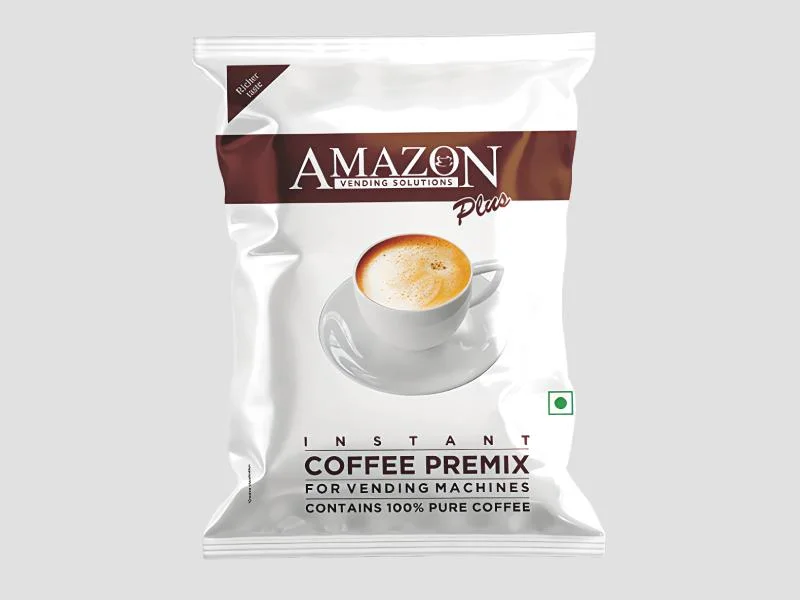
Amazon Plus 3 in 1 Coffee Premix Powder 1KG Instant Coffee Mix for Vending Machines, Offices & Cafes
ATLANTIS Instacup Masala Nimbu Paani Premix Single Serve Sachets
MYDIN
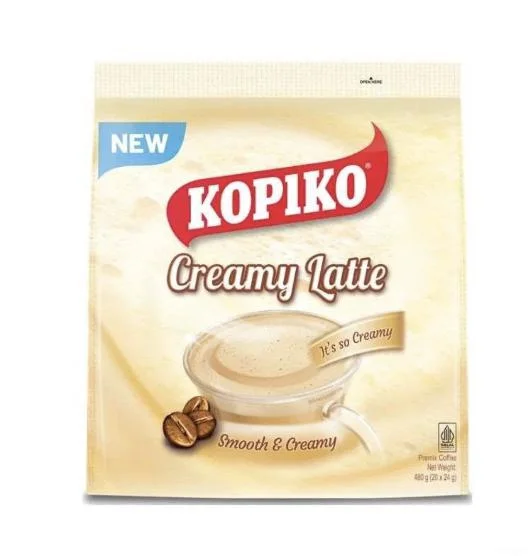
Bulk Instant Coffee Sachets Kopiko Creamy Latte 24g
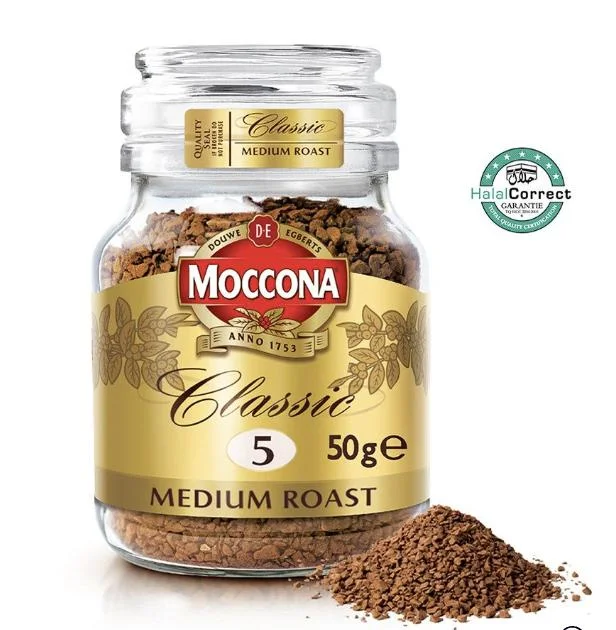
Office & Hospitality Moccona Classic Medium Roast Freeze Dried Coffee 50g
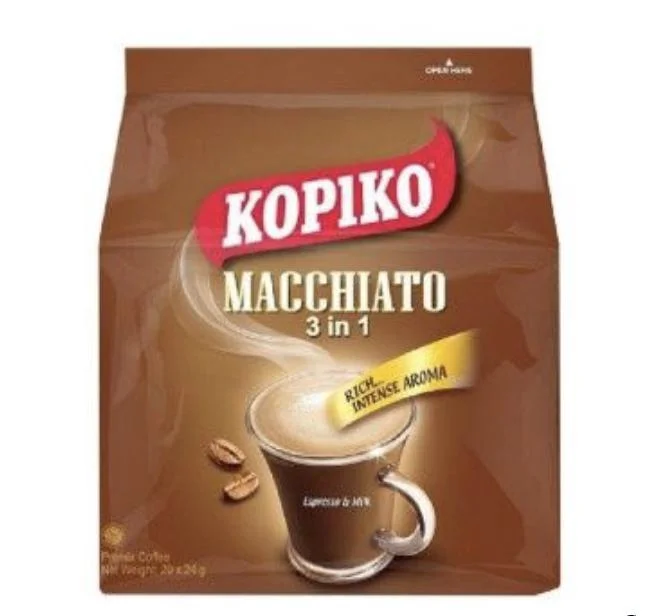
Kopiko Macchiato Instant Coffee Sachets 20 x 24g Premium Blend
Abs Marketing
Premium Instant Coffee Premix For Bulk Solutions
Bulk Instant Coffee Premix Rich Flavor Quick Preparation
Hot And Cold Water Dispenser For Offices Hospitals Hotels In India
JMV Enterprises
Commercial Electric Milk Boiler 5L 10L Stainless Steel Auto Cut Off
Commercial Electric Milk Boiler Machine 10L Stainless Steel 220V 240V
Commercial Milk Boiler Machine 15L Stainless Steel Electric
Espressotech Vending Solution
Commercial Nine Selection Fresh Milk Coffee Machine 1500W 15 Bar
Commercial Espresso Coffee Vending Machine ECM 09D 19 Bar 3.5kW
Premium South Indian Coffee Premixes Powder Sweet Chocolate Flavor
Jhanil Healthcare Pvt Ltd
Sugar Free Instant Premix Coffee Rich Aromatic Blends
Premium Stevia Green Powder Natural Zero Calorie Sweetener
Moringa Capsules Premium Nutrition Vitamins Antioxidants
Leader Electronics
Commercial Stainless Steel Coffee Maker 400W Energy Efficient
Commercial Stainless Steel Tea Maker with Safety Shut Off
Vending Machine Natural Coffee Premixes For Commercial Use
Kanteen India Equipments Co
Commercial Planetary Mixer For Bakeries High Volume Dough Mixing
Commercial Spiral Mixers For High Volume Dough Kneading In Bakeries
Industrial Bread Slicer For Bakeries High Volume Uniform Slicing
Vishwas Food Products
Bulk Premium Green Tea Premix for Cafes and Hotels
Lemon Tea Premix Natural Flavors Quick Preparation Reliable Quality
Instant Lemon Tea Premix for Hospitality and Food Service
Aastha Enterprises
Office Factory Institution Premium Tea Coffee Vending Machines
Kohinoor Tea Premix Masala Elaichi Instant Tea Bulk
Premium Milk Powder Premixes With Lactic Cultures For Food Manufacturers
Why Businesses Trust Pepagora
Thousands of companies trust Pepagora to source smarter and sell faster
Expand Your Sales Globally
25000+Products listed.Get discovered by global buyers
Tools to boost visibility
Build your own catalog

Source Smarter,Grow Faster
4000+Active RFQs
100+ Countries served
Easy Sourcing Tools
