
 IN
INundefined
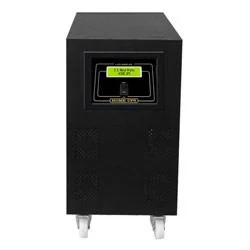
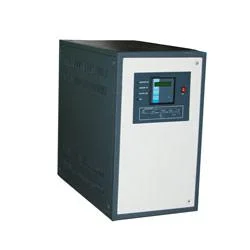
Industrial UPS (3 Phase)
155 products available
What are Industrial UPS (3 Phase)?
Industrial Uninterruptible Power Supplies (UPS) are critical devices designed to provide backup power and ensure the stability of electrical supply in industrial settings. These systems are engineered to maintain operational continuity by delivering clean and reliable power during outages or fluctuations. With three-phase configurations, they are particularly suited for heavy-duty applications, making them essential for industries that rely on high-power machinery and sensitive electronic equipment.
The primary uses of three-phase Industrial UPS include protecting critical infrastructure, manufacturing processes, and data centers. In environments where downtime can lead to significant financial losses or safety hazards, these systems uphold the integrity of power supply. Businesses often implement three-phase UPS systems to safeguard against power surges, sags, and complete outages, allowing them to maintain productivity and service levels.
In the current market context, the demand for Industrial UPS systems continues to grow as industries increasingly rely on uninterrupted power for their operations. The expansion of sectors such as manufacturing, telecommunications, and healthcare adds to the relevance of these systems. As technology evolves, the sophistication of UPS solutions also increases, leading to enhanced features such as advanced monitoring capabilities and better energy efficiency.
𝗞𝗲𝘆 𝗙𝗲𝗮𝘁𝘂𝗿𝗲𝘀 𝗮𝗻𝗱 𝗦𝗽𝗲𝗰𝗶𝗳𝗶𝗰𝗮𝘁𝗶𝗼𝗻𝘀
Industrial UPS (3 Phase) systems come with numerous features tailored to meet industrial demands. These specifications ensure reliability, efficiency, and safety in critical applications.
Key specifications include:
1. Power Capacity
- Typically available in ranges from 10 kVA to 500 kVA.
- Ensures the UPS can handle the full load of connected equipment.
2. Input Voltage Range
- Supports standard voltage inputs of 380V to 480V.
- Accommodates various electrical systems across different industries.
3. Output Voltage
- Delivers stable output voltage, usually at 400V or adjustable based on requirements.
- Ensures compatibility with industrial equipment.
4. Frequency Range
- Operates within a frequency range of 50 Hz to 60 Hz.
- Maintains synchronization with local grid standards.
5. Backup Time
- Offers customizable backup times, generally from 10 minutes to several hours.
- Allows for flexibility depending on load requirements.
6. Battery Type
- Commonly utilizes sealed lead-acid or lithium-ion batteries.
- Provides efficient energy storage and longer life cycles.
7. Efficiency Rating
- Efficiency levels can exceed 95% in optimal conditions.
- Reduces energy waste and minimizes operational costs.
8. Communication Interfaces
- Equipped with options for SNMP, Modbus, and USB connectivity.
- Facilitates remote monitoring and management.
In summary, understanding these key features and specifications can help businesses select the ideal Industrial UPS solution for their needs, ensuring reliability and efficiency in their operations.
𝗖𝗼𝗺𝗺𝗼𝗻 𝗔𝗽𝗽𝗹𝗶𝗰𝗮𝘁𝗶𝗼𝗻𝘀 𝗮𝗻𝗱 𝗨𝘀𝗲 𝗖𝗮𝘀𝗲𝘀
Industrial UPS (3 Phase) systems are utilized across various sectors to provide essential power protection.
1. Manufacturing: In manufacturing facilities, UPS systems ensure that production lines remain operational during power outages, preventing costly interruptions and equipment damage.
2. Data Centers: These UPS systems are crucial for data centers, where they protect servers and networking equipment, ensuring continuous data availability and integrity.
3. Telecommunications: In telecom infrastructure, Industrial UPS supports critical communication systems, enabling uninterrupted service and safeguarding against outages.
4. Healthcare: Hospitals and medical facilities rely on UPS systems to maintain power for life-supporting equipment, ensuring patient safety and care continuity.
5. Transportation: UPS systems are employed in transportation hubs to manage power for signaling and monitoring systems, reducing the risk of accidents.
6. Oil and Gas: In the oil and gas sector, these systems provide backup power for exploration and extraction operations, where downtime can lead to significant losses.
7. Utilities: Power utility companies utilize Industrial UPS to ensure the stability and reliability of power distribution networks, safeguarding against fluctuations.
𝗣𝗿𝗼𝗱𝘂𝗰𝘁 𝗩𝗮𝗿𝗶𝗮𝗻𝘁𝘀 𝗮𝗻𝗱 𝗦𝘂𝗯𝗰𝗮𝘁𝗲𝗴𝗼𝗿𝗶𝗲𝘀
While specific subcategories of Industrial UPS (3 Phase) may not be available, there are various variants designed to meet different operational needs.
High-Density UPS
These systems are designed for environments where space is limited yet a high power output is required. They offer compact designs without compromising performance, making them ideal for data centers and telecommunications facilities.
Modular UPS
Modular UPS units allow for scalable power solutions, enabling businesses to add or remove capacity as their needs change. This flexibility is particularly beneficial for growing enterprises or those with fluctuating power requirements.
𝗕𝗲𝗻𝗲𝗳𝗶𝘁𝘀 𝗮𝗻𝗱 𝗔𝗱𝘃𝗮𝗻𝘁𝗮𝗴𝗲𝘀
Investing in Industrial UPS (3 Phase) systems presents numerous advantages for businesses.
1. Enhanced Reliability: These systems provide consistent power supply, minimizing disruptions and ensuring operational continuity.
2. Protection Against Power Issues: Industrial UPS protects sensitive equipment from voltage spikes, sags, and outages, reducing the risk of damage.
3. Improved Efficiency: Many UPS systems offer high efficiency ratings, leading to lower energy costs and reduced environmental impact.
4. Increased Operational Lifespan: By safeguarding equipment, UPS systems can extend the lifespan of critical machinery and electronics.
5. Remote Monitoring Capabilities: Advanced UPS units come equipped with monitoring features that enable real-time performance tracking and management.
6. Compliance with Industry Standards: Many UPS systems meet essential safety and performance certifications, ensuring they align with regulatory requirements.
𝗕𝘂𝘆𝗶𝗻𝗴 𝗚𝘂𝗶𝗱𝗲 𝗳𝗼𝗿 𝗕𝟮𝗕 𝗕𝘂𝘆𝗲𝗿𝘀
When sourcing Industrial UPS (3 Phase), buyers should consider several critical factors to ensure they make informed decisions.
1. Quality Assessment: Evaluating the quality of UPS systems involves checking for industry certifications and compliance with relevant standards such as CE and ISO. This ensures the equipment meets required safety and performance criteria.
2. Supplier Verification: It is essential to vet suppliers based on their reputation, experience, and customer reviews. Establishing a reliable partner can lead to better service and support.
3. Pricing and MOQ: Understanding the pricing structure and minimum order quantities is crucial for budgeting. Buyers should compare quotes from multiple suppliers to ensure competitive pricing.
4. Delivery and Lead Times: Logistics play a vital role in sourcing UPS systems. Buyers should inquire about lead times and delivery schedules to ensure timely implementation.
5. Compliance Requirements: Regulatory compliance is essential in many industries. Buyers must ensure that their UPS systems meet local and international compliance needs to avoid legal issues.
𝗖𝗼𝗺𝗽𝗹𝗶𝗮𝗻𝗰𝗲 𝗮𝗻𝗱 𝗖𝗲𝗿𝘁𝗶𝗳𝗶𝗰𝗮𝘁𝗶𝗼𝗻𝘀
Compliance with relevant quality standards is paramount for Industrial UPS (3 Phase) systems. Common standards include ISO 9001, which focuses on quality management systems, ensuring that manufacturers adhere to stringent processes.
Moreover, certifications such as CE indicate that the product meets European safety, health, and environmental protection requirements. This is crucial for businesses operating in regions where compliance is mandatory.
Safety and testing requirements are integral to the design and manufacturing of UPS systems. Rigorous testing ensures that the systems function correctly under various conditions, providing reliable performance.
Regional compliance considerations are also important. Different countries may have specific regulations regarding electrical equipment, which must be adhered to when sourcing Industrial UPS systems.
Why Source Industrial UPS (3 Phase) from Pepagora?
Pepagora offers a trusted platform for sourcing Industrial UPS (3 Phase), providing several key advantages for B2B buyers.
Verified Supplier Network: Pepagora maintains a robust network of verified suppliers, ensuring that buyers can access high-quality products from reputable manufacturers. This network fosters trust and reliability in the purchasing process.
Streamlined RFQ Process: The platform features an efficient Request for Quotation (RFQ) process, allowing buyers to submit their requirements and receive competitive quotes quickly. This streamlines the procurement process and saves time.
Trade Assurance and Support: Pepagora provides trade assurance to protect buyers against potential risks. This includes support services that assist with any issues that may arise during the purchasing journey.
Regional Coverage: With a strong presence in India, GCC, and Southeast Asia, Pepagora caters to a wide geographic area. This regional coverage ensures that businesses can find suitable UPS solutions tailored to their specific market needs.
Newly Added





Recently Added
Kenisha Electronics
Domestic Sine Wave Inverters 1KVA to 10KVA Clean Power Efficient
Industrial Commercial Solar Inverters High Efficiency Battery Backup
Industrial Commercial Tubular Batteries Reliable Power Backup
Powercom Systems
Industrial Static Voltage Stabilizer 97% Efficiency AC Regulation
Industrial Servo Voltage Stabilizers 1KVA to 500KVA for Equipment Protection
Online UPS Systems Pure Sine Wave Power For Critical Operations
Vodacom Technologies Pvt Ltd
Small Office UPS Powerware 3105 Backup Power Surge Protection
Commercial CCTV Metal Body Camera High Resolution Low Light Audio
Professional CCTV Delux Body High Resolution Low Lux Lens Sony Samsung PCBs
Otauchi Inc
Data Center UPS 1 3KVA Online Three Phase Pure Sine Wave
High Resolution Semi Automatic Flexographic Banner Printer With Solvent Ink
Premium Sublimation Ink For Digital Printing Fast Drying MultiColor
Magna Energy & Hydro Systems Pvt Ltd
Industrial Pipeline Temporary Conical Strainers Durable Corrosion Resistant
Industrial Tee Strainers Premium Debris Protection For Pumps Valves
Industrial Basket Strainers For Fluid Filtration In Pipelines
Neelu Electricals Pvt Ltd
Industrial Commercial Automatic Voltage Stabilizer For Equipment Protection
Industrial Servo Stabilizers For Voltage Regulation In Manufacturing
Industrial Digital Inverters High Power Voltage Reliability Efficiency
Procon Controls
Industrial Commercial Single Phase Transformer For Voltage Stabilization
Industrial Power Autotransformer 11 KW Toroidal Three Phase
Industrial Power Distribution Two Phase Transformers Reliable Efficient
Aatous International & Exports
Automotive Batteries Premium AGM Pure Lead For Cars Trucks Motorcycles
Premium Two Wheeler Batteries High Performance Durable Reliable Power
Automotive Four Wheeler Batteries Reliable Cold Cranking Power
Dubas Engineering Pvt Ltd
Industrial Oil Cooled Voltage Stabilizer With Trip Mechanism
Industrial Static Voltage Stabilizer 3 120 KVA Single Three Phase
Industrial Air Cooled Voltage Stabilizers 5 400 KVA For Equipment Protection
Kay Kay Electronics
Telecommunication Backup Batteries For Fixed Wireline Broadband DSL Wireless Microwave Networks
Fire Alarm Security System Batteries Reliable Backup Power
EPBAX PCO Machine Batteries Premium Power Telecom Backup
Why Businesses Trust Pepagora
Thousands of companies trust Pepagora to source smarter and sell faster
Expand Your Sales Globally
25000+Products listed.Get discovered by global buyers
Tools to boost visibility
Build your own catalog

Source Smarter,Grow Faster
4000+Active RFQs
100+ Countries served
Easy Sourcing Tools
