
 IN
INundefined
Industrial Clay
3 products available
𝗪𝗵𝗮𝘁 𝗮𝗿𝗲 𝗜𝗻𝗱𝘂𝘀𝘁𝗿𝗶𝗮𝗹 𝗖𝗹𝗮𝘆?
Industrial clay is a versatile natural mineral material primarily composed of fine-grained particles. It is formed from the weathering of rocks and minerals, resulting in a unique combination of chemical and physical properties. Industrial clay is known for its plasticity, workability, and ability to harden when fired. These characteristics make it a valuable resource in various manufacturing processes.
The primary uses of industrial clay include applications in ceramics, construction, and various industrial products. It is commonly utilized in the production of pottery, tiles, bricks, and cement. Furthermore, industrial clay is used in oil drilling, paper manufacturing, and as a filler in plastics and rubber. Its relevance spans multiple industries due to its multifunctionality and adaptability in both traditional and modern applications.
The industrial clay market continues to grow as various industries evolve and seek sustainable materials. Its significance is highlighted by increasing demand in emerging economies, where infrastructure development and construction activities are on the rise. This growth presents opportunities for suppliers and manufacturers to innovate and meet the diverse needs of different sectors.
𝗞𝗲𝘆 𝗙𝗲𝗮𝘁𝘂𝗿𝗲𝘀 𝗮𝗻𝗱 𝗦𝗽𝗲𝗰𝗶𝗳𝗶𝗰𝗮𝘁𝗶𝗼𝗻𝘀
Industrial clay possesses several key features that define its usability and applications. The specifications can vary based on the type of clay and its intended use. Understanding these specifications is crucial for B2B buyers seeking the right product for their needs.
Key specifications include:
1. Plasticity
- Refers to the ability of clay to be molded and shaped without cracking.
- Typically ranges from low to high plasticity based on mineral composition.
2. Shrinkage Rate
- Indicates the amount the clay shrinks when drying and firing.
- Commonly ranges from 5% to 15%, depending on the clay type.
3. Firing Temperature
- The temperature required to vitrify the clay and achieve desired hardness.
- Generally ranges from 900°C to 1300°C for different applications.
4. Color
- Color varies based on the mineral content, affecting aesthetic appeal.
- Common colors include red, white, and gray.
5. Grain Size
- Refers to the size of the clay particles, influencing texture and finish.
- Can range from fine to coarse, impacting end-use quality.
6. Water Absorption
- The percentage of water the clay can absorb before becoming saturated.
- Ranges from 5% to 20%, affecting its suitability for certain applications.
7. pH Level
- Indicates the acidity or alkalinity of the clay, which can affect its reactivity.
- A neutral pH of around 7 is typically preferred for most industrial uses.
8. Chemical Composition
- Composition varies widely, including minerals such as kaolinite, montmorillonite, and illite.
- Essential for determining the clay's properties and suitability for specific applications.
In summary, understanding the key features and specifications of industrial clay is vital for selecting the appropriate type for various applications.
𝗖𝗼𝗺𝗺𝗼𝗻 𝗔𝗽𝗽𝗹𝗶𝗰𝗮𝘁𝗶𝗼𝗻𝘀 𝗮𝗻𝗱 𝗨𝘀𝗲 𝗖𝗮𝘀𝗲𝘀
Industrial clay is utilized across several industries due to its unique properties and versatility.
1. Ceramics: Industrial clay is fundamental in producing ceramic products such as tiles, dinnerware, and sanitary ware. Its plasticity allows for intricate designs and durable finishes.
2. Construction: It serves as a primary material in the manufacturing of bricks, roofing tiles, and cement. Its strength and thermal properties contribute to the durability of construction materials.
3. Oil and Gas: In the oil drilling industry, industrial clay is used as a drilling fluid additive to stabilize boreholes and reduce friction.
4. Paper Manufacturing: Clay is employed as a filler and coating agent in paper production, enhancing brightness and smoothness.
5. Paints and Coatings: It is used as a pigment and filler in paints, providing opacity and improving texture.
6. Plastics and Rubber: Industrial clay acts as a filler in plastics and rubber products, enhancing strength and reducing costs.
7. Agriculture: Clay is used in soil conditioning and as a carrier for fertilizers, improving soil structure and nutrient retention.
𝗣𝗿𝗼𝗱𝘂𝗰𝘁 𝗩𝗮𝗿𝗶𝗮𝗻𝘁𝘀 𝗮𝗻𝗱 𝗦𝘂𝗯𝗰𝗮𝘁𝗲𝗴𝗼𝗿𝗶𝗲𝘀
Industrial clay comes in various types, each tailored for specific applications and industries.
Kaolin Clay
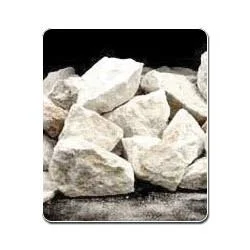
Kaolin, or china clay, is a white clay known for its fine particle size and high purity. It is widely used in ceramics, paper, and cosmetics due to its excellent white color and smooth texture.
Bentonite Clay
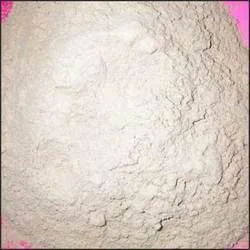
Bentonite is a highly absorbent clay with unique swelling properties. It is commonly used in drilling fluids, sealants, and as a binder in foundry applications.
Fire Clay
Fire clay is designed to withstand high temperatures and is used in refractory products such as furnace linings and kiln bricks. Its heat resistance makes it ideal for industrial applications requiring thermal stability.
Ball Clay
Ball clay is a plastic clay that is often used in ceramic bodies and porcelain production. It enhances the workability of clays and provides additional strength.
𝗕𝗲𝗻𝗲𝗳𝗶𝘁𝘀 𝗮𝗻𝗱 𝗔𝗱𝘃𝗮𝗻𝘁𝗮𝗴𝗲𝘀
Sourcing industrial clay offers several advantages to businesses across various sectors.
1. Versatility: Industrial clay can be used in multiple applications, making it a valuable resource for manufacturers in different industries.
2. Cost-Effectiveness: The use of clay as a filler or component in products can reduce overall production costs while maintaining quality.
3. Sustainability: Being a natural material, industrial clay is often more environmentally friendly compared to synthetic alternatives.
4. Customization: Many suppliers offer customized clay blends tailored to specific industrial needs, ensuring optimal performance.
5. Enhanced Properties: Industrial clay can improve the mechanical properties of finished products, such as strength, durability, and resistance to environmental factors.
6. Availability: Industrial clay is widely available, ensuring that businesses can source the material reliably for their production processes.
𝗕𝘂𝘆𝗶𝗻𝗴 𝗚𝘂𝗶𝗱𝗲 𝗳𝗼𝗿 𝗕𝟮𝗕 𝗕𝘂𝘆𝗲𝗿𝘀
When sourcing industrial clay, several key factors should be considered to ensure optimal selection and procurement.
1. Quality Assessment: Buyers should evaluate the quality of industrial clay by checking for consistency in composition, moisture content, and absence of contaminants. Testing samples is recommended.
2. Supplier Verification: It is essential to vet suppliers for reliability, quality assurance processes, and industry experience. A verified supplier network can enhance trust and reduce risks.
3. Pricing and MOQ: Understanding the pricing structure and minimum order quantities (MOQ) is crucial for budgeting and procurement planning. Competitive pricing can significantly impact overall costs.
4. Delivery and Lead Times: Buyers should inquire about delivery schedules and lead times to ensure timely availability of materials for production.
5. Compliance Requirements: Ensure that the industrial clay meets relevant industry standards and regulations. Compliance with safety and environmental regulations is critical for operational integrity.
𝗖𝗼𝗺𝗽𝗹𝗶𝗮𝗻𝗰𝗲 𝗮𝗻𝗱 𝗖𝗲𝗿𝘁𝗶𝗳𝗶𝗰𝗮𝘁𝗶𝗼𝗻𝘀
Compliance with quality standards is essential for ensuring the reliability and safety of industrial clay. Relevant standards include ISO 9001, which focuses on quality management systems, ensuring that suppliers maintain high-quality products and processes.
Additionally, industry certifications such as CE mark signify that the clay complies with European safety and environmental requirements. These certifications are important for businesses looking to meet regulatory standards in their respective markets.
Safety and testing requirements must also be adhered to, ensuring that industrial clay does not pose health risks during handling and processing. Regular testing for contaminants and monitoring of physical properties is advisable for maintaining quality.
Regional compliance considerations may vary based on local regulations and market demands. Buyers should be aware of specific compliance needs in their geographical areas to ensure seamless procurement.
𝗪𝗵𝘆 𝗦𝗼𝘂𝗿𝗰𝗲 𝗜𝗻𝗱𝘂𝘀𝘁𝗿𝗶𝗮𝗹 𝗖𝗹𝗮𝘆 𝗳𝗿𝗼𝗺 𝗣𝗲𝗽𝗮𝗴𝗼𝗿𝗮?
Pepagora serves as a trusted platform for sourcing industrial clay, offering several key advantages to B2B buyers.
Verified Supplier Network: Pepagora features a network of verified suppliers, ensuring that buyers can access high-quality industrial clay from reputable sources. This verification process helps mitigate risks associated with procurement.
Streamlined RFQ Process: The platform provides a streamlined Request for Quotation (RFQ) process, enabling buyers to receive competitive quotes efficiently. This system simplifies the sourcing process and saves valuable time.
Trade Assurance and Support: Pepagora offers trade assurance and support for buyers, providing protection throughout the purchasing process. This ensures a secure transaction environment, fostering trust between buyers and suppliers.
Regional Coverage: With a strong presence in India, the Gulf Cooperation Council (GCC), and Southeast Asia, Pepagora provides extensive regional coverage for sourcing industrial clay. This geographic reach allows businesses to access local suppliers and meet specific market demands effectively.
Newly Added


Recently Added
Ashapura China Clay Private Limited
Industrial Bentonite Mineral For Drilling, Construction, And Foundry
Industrial Bentonite Clay High Swelling Purity For Construction Drilling
Premium China Clay For Industrial Ceramics Paints Paper Tiles
Ganatra Mines And Minerals
Premium Drilling Mud Bentonite For Oil And Water Well Drilling
Natural Kachchh Bentonite For Oil Bleaching Ceramics Cosmetics
Sodium Bentonite Waterproofing Powder For Construction And Civil Engineering
Why Businesses Trust Pepagora
Thousands of companies trust Pepagora to source smarter and sell faster
Expand Your Sales Globally
25000+Products listed.Get discovered by global buyers
Tools to boost visibility
Build your own catalog

Source Smarter,Grow Faster
4000+Active RFQs
100+ Countries served
Easy Sourcing Tools
