
 IN
INundefined
Induction Melting Furnaces
8 products available
𝗪𝗵𝗮𝘁 𝗮𝗿𝗲 𝗜𝗻𝗱𝘂𝗰𝘁𝗶𝗼𝗻 𝗠𝗲𝗹𝘁𝗶𝗻𝗴 𝗙𝘂𝗿𝗻𝗮𝗰𝗲𝘀?
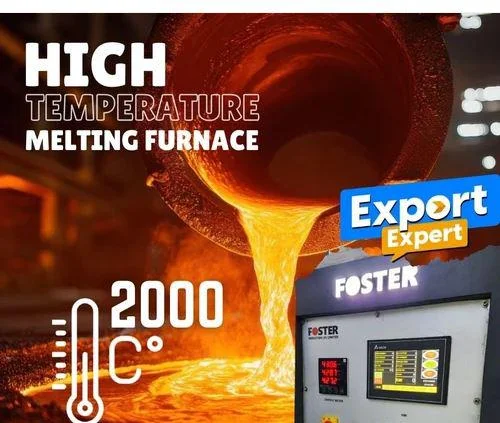
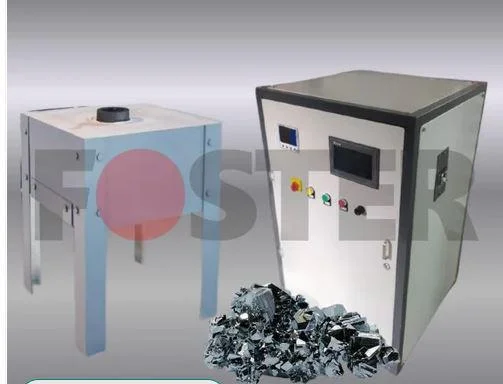
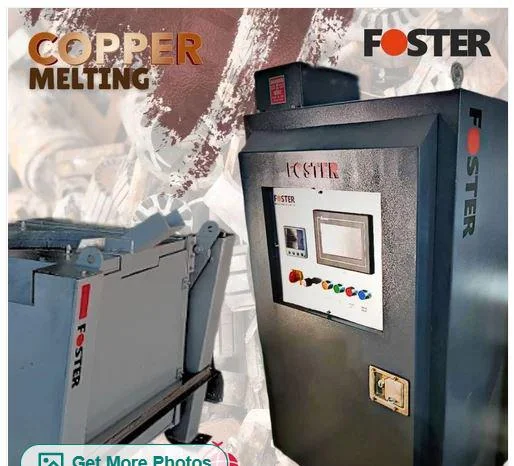
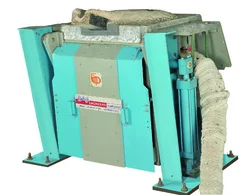
Induction melting furnaces are advanced melting systems that utilize electromagnetic induction to heat and melt metals and alloys. The process involves generating an alternating magnetic field, which induces electric currents within the metal charge. This results in rapid and efficient heating, allowing for precise temperature control and uniform melting. Induction melting is favored in various industrial applications due to its energy efficiency and clean melting process.
These furnaces are primarily used in the metalworking industry, including foundries and recycling facilities. They serve to melt ferrous and non-ferrous metals, enabling the production of high-quality castings and ingots. Businesses leverage induction melting furnaces for their ability to enhance product quality, reduce energy consumption, and minimize emissions. In a market where sustainability and efficiency are paramount, these furnaces play a crucial role.
The relevance of induction melting furnaces is significant in the modern manufacturing landscape. With the increasing demand for sustainable practices and efficient production methods, induction melting technology continues to evolve. The global market for induction melting furnaces is expanding as industries seek innovative solutions to meet production goals while adhering to environmental regulations.
𝗞𝗲𝘆 𝗙𝗲𝗮𝘁𝘂𝗿𝗲𝘀 𝗮𝗻𝗱 𝗦𝗽𝗲𝗰𝗶𝗳𝗶𝗰𝗮𝘁𝗶𝗼𝗻𝘀
Induction melting furnaces are equipped with various features that enhance their performance and usability. Understanding these specifications is crucial for businesses looking to invest in this technology.
Key specifications include:
1. Power Range
- Induction melting furnaces are available in various power ratings, typically ranging from 10 kW to several megawatts.
- This range allows for flexibility in melting different quantities of metal.
2. Melting Capacity
- The melting capacity can vary widely, accommodating from small batches of a few kilograms to large quantities exceeding several tons.
- This versatility makes the furnaces suitable for diverse industrial applications.
3. Temperature Control
- These furnaces offer precise temperature control, often within a range of 1,000 to 1,800 degrees Celsius.
- Accurate temperature monitoring is essential for achieving optimal melting results.
4. Energy Efficiency
- Induction melting furnaces are known for their high energy efficiency, typically exceeding 90%.
- This efficiency contributes to reduced operating costs and lower carbon footprints.
5. Cooling System
- Many models include advanced cooling systems to manage heat effectively and prolong equipment life.
- Cooling options may include water-cooled coils and air cooling.
6. Safety Features
- Safety is a priority, with features such as automatic shutoff systems and emergency stop buttons.
- These safety measures help protect operators and equipment.
7. Control Systems
- Modern induction melting furnaces often come with integrated control systems for ease of operation.
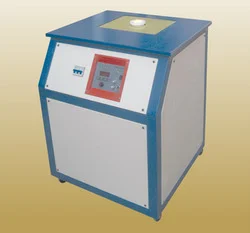
- These systems may include touch-screen interfaces and programmable settings.
8. Construction Materials
- Furnaces are typically constructed from high-temperature resistant materials, ensuring durability and reliability.
- Common materials include stainless steel and refractory linings.
In summary, the features and specifications of induction melting furnaces make them a compelling choice for businesses seeking efficient and reliable melting solutions.
𝗖𝗼𝗺𝗺𝗼𝗻 𝗔𝗽𝗽𝗹𝗶𝗰𝗮𝘁𝗶𝗼𝗻𝘀 𝗮𝗻𝗱 𝗨𝘀𝗲 𝗖𝗮𝘀𝗲𝘀
Induction melting furnaces serve multiple industries, showcasing their versatility and efficiency.
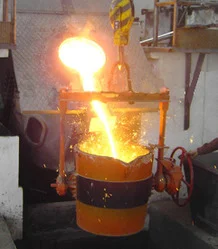
1. Foundries: In foundries, induction melting furnaces are employed to melt metals for casting processes. Their precise temperature control ensures high-quality castings with minimal impurities.
2. Recycling Facilities: These furnaces are vital in recycling operations, where they melt scrap metals and alloys. The ability to handle different metal types makes them ideal for recycling applications.
3. Steel Manufacturing: In steel plants, induction melting furnaces help produce high-grade steel by melting scrap steel and alloying elements. The clean melting process enhances the quality of the final product.
4. Aerospace Industry: The aerospace sector utilizes induction melting furnaces for producing components that require high-performance materials. The precision melting capabilities support the stringent requirements of this industry.
5. Automotive Sector: Induction melting is common in the automotive industry for manufacturing engine components and other critical parts. The efficiency of these furnaces contributes to streamlined production processes.
6. Jewelry Manufacturing: In the jewelry sector, these furnaces are used to melt precious metals, allowing for the creation of intricate designs with minimal waste.
7. Medical Equipment: Induction melting furnaces are also utilized in producing high-quality components for medical devices, where material integrity is crucial.
In conclusion, the diverse applications of induction melting furnaces highlight their significance across various industries.
𝗣𝗿𝗼𝗱𝘂𝗰𝘁 𝗩𝗮𝗿𝗶𝗮𝗻𝘁𝘀 𝗮𝗻𝗱 𝗦𝘂𝗯𝗰𝗮𝘁𝗲𝗴𝗼𝗿𝗶𝗲𝘀
Induction melting furnaces come in various configurations to meet specific industrial needs. This diversity allows businesses to select the best option for their production requirements.
𝗖𝗼𝗺𝗽𝗮𝗰𝘁 𝗜𝗻𝗱𝘂𝗰𝘁𝗶𝗼𝗻 𝗠𝗲𝗹𝘁𝗶𝗻𝗴 𝗙𝘂𝗿𝗻𝗮𝗰𝗲
These furnaces are designed for smaller production facilities or labs. They offer a space-saving design while providing efficient melting capabilities. Ideal for small batch processing, they are commonly used in research and development applications.
𝗠𝗲𝗱𝗶𝘂𝗺 𝗙𝗿𝗲𝗾𝘂𝗲𝗻𝗰𝘆 𝗜𝗻𝗱𝘂𝗰𝘁𝗶𝗼𝗻 𝗠𝗲𝗹𝘁𝗶𝗻𝗴 𝗙𝘂𝗿𝗻𝗮𝗰𝗲
These furnaces operate at medium frequencies, making them suitable for melting a wide range of metals efficiently. They are often used in foundries and recycling plants, providing an excellent balance between performance and energy consumption.
𝗛𝗶𝗴𝗵-𝗙𝗿𝗲𝗾𝘂𝗲𝗻𝗰𝘆 𝗜𝗻𝗱𝘂𝗰𝘁𝗶𝗼𝗻 𝗠𝗲𝗹𝘁𝗶𝗻𝗴 𝗙𝘂𝗿𝗻𝗮𝗰𝗲
High-frequency models are designed for specialized applications that require rapid melting. They are particularly effective for precious metals and alloys, ensuring quick turnaround times in production.
𝗜𝗻𝗱𝘂𝗰𝘁𝗶𝗼𝗻 𝗖𝗿𝘂𝗰𝗶𝗯𝗹𝗲 𝗙𝘂𝗿𝗻𝗮𝗰𝗲
This variant features a crucible setup, allowing for easy metal transfer and handling. It is commonly used in smaller operations where flexibility and portability are essential.
In summary, the various types of induction melting furnaces cater to a wide range of production needs, ensuring that businesses can find the right solution for their melting applications.
𝗕𝗲𝗻𝗲𝗳𝗶𝘁𝘀 𝗮𝗻𝗱 𝗔𝗱𝘃𝗮𝗻𝘁𝗮𝗴𝗲𝘀
Induction melting furnaces offer several advantages that make them an attractive option for businesses in various industries.
Key benefits include:
1. Energy Efficiency: The high energy efficiency of induction melting furnaces reduces operational costs and environmental impact, making them a sustainable choice.
2. Reduced Emissions: The clean melting process minimizes harmful emissions, aligning with modern environmental standards and regulations.
3. Precise Temperature Control: With advanced control systems, these furnaces provide accurate temperature regulation, ensuring consistent melting results.
4. Quick Melting Times: Induction furnaces heat metal rapidly, reducing overall processing times and increasing productivity.
5. Flexibility: These furnaces can accommodate a wide range of metals and alloys, making them suitable for diverse applications.
6. Safety Features: Built-in safety measures enhance operator safety and equipment protection, reducing the risk of accidents.
In conclusion, the numerous benefits of induction melting furnaces make them a compelling choice for businesses aiming to enhance productivity while maintaining quality and sustainability.
𝗕𝘂𝘆𝗶𝗻𝗴 𝗚𝘂𝗶𝗱𝗲 𝗳𝗼𝗿 𝗕𝟮𝗕 𝗕𝘂𝘆𝗲𝗿𝘀
When sourcing induction melting furnaces, it is essential for buyers to consider several key factors to ensure they make informed decisions.
1. Quality Assessment: Evaluate the quality of furnaces by reviewing manufacturer certifications and customer testimonials. Look for products that adhere to relevant industry standards to ensure reliability and performance.
2. Supplier Verification: Vet potential suppliers by checking their industry reputation and experience. A reliable supplier should have a history of delivering quality products and excellent customer service.
3. Pricing and MOQ: Understand the pricing structures and minimum order quantities (MOQ) required by suppliers. This information helps in budgeting and determining the feasibility of purchases.
4. Delivery and Lead Times: Discuss logistics with suppliers, including delivery schedules and lead times. Timely delivery is crucial for maintaining production schedules.
5. Compliance Requirements: Ensure that the furnaces comply with applicable safety and environmental regulations. Familiarizing yourself with these requirements helps avoid potential legal issues.
In summary, taking these factors into account will empower B2B buyers to make well-informed decisions when purchasing induction melting furnaces.
𝗖𝗼𝗺𝗽𝗹𝗶𝗮𝗻𝗰𝗲 𝗮𝗻𝗱 𝗖𝗲𝗿𝘁𝗶𝗳𝗶𝗰𝗮𝘁𝗶𝗼𝗻𝘀
Induction melting furnaces must adhere to various compliance standards and certifications to ensure safety and quality in their operation. One of the primary standards is ISO 9001, which outlines a framework for ensuring quality management systems within manufacturing processes. Compliance with ISO 9001 signifies that the manufacturer maintains consistent quality in their products, meeting customer expectations.
Additionally, many induction melting furnaces are certified with the CE mark. This certification indicates conformity with health, safety, and environmental protection standards for products sold within the European Economic Area. It assures buyers that the equipment meets stringent safety requirements and performs as intended.
Safety and testing requirements are critical components of the manufacturing process for induction melting furnaces. These requirements often include rigorous testing for electrical safety, thermal insulation, and operational efficiency. Manufacturers must conduct thorough testing to ensure that their products are safe for operator use and comply with regulatory standards.
Regional compliance considerations may vary based on local regulations and market demands. It is essential for manufacturers and suppliers to be aware of these differences and ensure that their products are compliant with the specific regulations applicable in their target markets.
𝗪𝗵𝘆 𝗦𝗼𝘂𝗿𝗰𝗲 𝗜𝗻𝗱𝘂𝗰𝘁𝗶𝗼𝗻 𝗠𝗲𝗹𝘁𝗶𝗻𝗴 𝗙𝘂𝗿𝗻𝗮𝗰𝗲𝘀 𝗳𝗿𝗼𝗺 𝗣𝗲𝗽𝗮𝗴𝗼𝗿𝗮?
Pepagora offers a trusted platform for sourcing induction melting furnaces, providing several key advantages to B2B buyers. One of the primary benefits is the verified supplier network. Pepagora ensures that all suppliers are thoroughly vetted, giving buyers confidence in the quality and reliability of the products offered. This verification process helps mitigate the risks associated with sourcing industrial equipment.
The streamlined Request for Quotation (RFQ) process further enhances the purchasing experience. Buyers can easily submit their requirements and receive competitive quotes from multiple suppliers, allowing for informed decision-making based on price and specifications. This efficient system saves time and effort for buyers seeking the best value for their investment.
Trade assurance and support are additional features offered by Pepagora. This buyer protection mechanism ensures that transactions are secure, enabling buyers to proceed with confidence. With dedicated support, buyers can address any concerns or queries promptly, enhancing the overall purchasing experience.
Lastly, Pepagora's regional coverage spans key markets including India, the Gulf Cooperation Council (GCC), and Southeast Asia. This extensive reach allows buyers to access a diverse range of suppliers and products, ensuring they find the right induction melting furnace to meet their specific needs.
In conclusion, sourcing induction melting furnaces from Pepagora provides a reliable, efficient, and secure purchasing experience for businesses in need of advanced melting solutions.
Newly Added



Recently Added
Auto Controls
Industrial Induction Heating Machines For Stainless Steel Utensils
Commercial Cookware Induction Brazing Machine Automated PLC Control
Industrial IGBT Induction Melting Furnace Auto Controls 1000kg
Why Businesses Trust Pepagora
Thousands of companies trust Pepagora to source smarter and sell faster
Expand Your Sales Globally
25000+Products listed.Get discovered by global buyers
Tools to boost visibility
Build your own catalog

Source Smarter,Grow Faster
4000+Active RFQs
100+ Countries served
Easy Sourcing Tools
