
 IN
INundefined
Indoor & Outdoor Escalators
5 products available
𝗪𝗵𝗮𝘁 𝗮𝗿𝗲 𝗜𝗻𝗱𝗼𝗼𝗿 & 𝗢𝘂𝘁𝗱𝗼𝗼𝗿 𝗘𝘀𝗰𝗮𝗹𝗮𝘁𝗼𝗿𝘀?
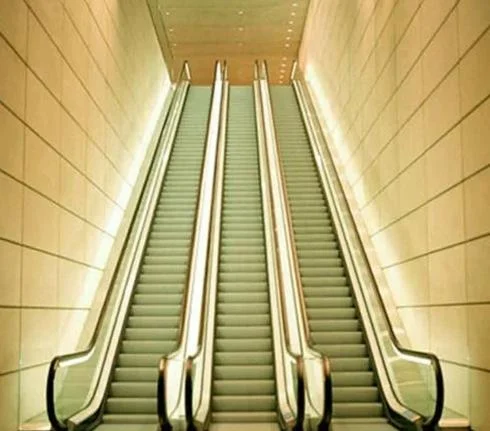
Indoor and outdoor escalators are mechanical systems designed to transport individuals between different levels of buildings or outdoor spaces. These systems utilize a continuous moving staircase that allows users to ascend or descend effortlessly. Indoor escalators are typically installed in shopping malls, airports, and commercial buildings, while outdoor escalators are often found in transit systems, parks, and outdoor venues.
These escalators serve a crucial role in enhancing accessibility and improving traffic flow within various environments. Businesses use escalators to facilitate the movement of people, ensuring that patrons can easily navigate multi-level facilities. In addition to improving user experience, escalators also serve as a space-efficient solution for moving large volumes of people quickly and safely. As urbanization grows and public spaces expand, the demand for reliable indoor and outdoor escalators continues to increase.
The market for escalators is growing, driven by urban development projects and modernization efforts in infrastructure. Companies are investing in advanced technology to enhance safety and efficiency, making escalators an essential component of modern transportation systems. As a result, businesses in various sectors are increasingly recognizing the importance of integrating escalators into their facilities.
𝗞𝗲𝘆 𝗙𝗲𝗮𝘁𝘂𝗿𝗲𝘀 𝗮𝗻𝗱 𝗦𝗽𝗲𝗰𝗶𝗳𝗶𝗰𝗮𝘁𝗶𝗼𝗻𝘀
Indoor and outdoor escalators come equipped with various features and specifications that ensure their safe and efficient operation. These specifications are crucial for businesses when selecting the right escalator for their needs.
Key specifications include:
1. Capacity
- The maximum number of people the escalator can handle at one time.
- Typically ranges from 4,000 to 10,000 people per hour.
2. Incline Angle
- The angle of the escalator, which affects its usability and space requirements.
- Commonly set between 30 to 35 degrees.
3. Length and Height
- Measurements that determine the total distance the escalator covers.
- Lengths can vary from 5 to 40 meters, with height ranging from 1 to 10 meters.
4. Speed
- The rate at which the escalator moves.
- Usually ranges from 0.5 to 0.75 meters per second.
5. Safety Features
- Includes emergency stop buttons, handrail sensors, and anti-skid surfaces.
- Designed to meet international safety standards.
6. Power Source
- The type of energy required to operate the escalator.
- Commonly powered by electricity, with some models offering battery backup.
7. Control System
- The technology used to manage escalator operations.
- Can include automatic controls and remote monitoring capabilities.
8. Materials
- The quality of materials used in construction affects durability and maintenance.
- Often made from stainless steel, aluminum, and durable plastics.
These specifications help businesses make informed decisions based on their specific operational needs.
𝗖𝗼𝗺𝗺𝗼𝗻 𝗔𝗽𝗽𝗹𝗶𝗰𝗮𝘁𝗶𝗼𝗻𝘀 𝗮𝗻𝗱 𝗨𝘀𝗲 𝗖𝗮𝘀𝗲𝘀
Indoor and outdoor escalators are versatile solutions with applications across various industries.
1. Retail: Escalators in shopping malls facilitate easy movement between floors, enhancing customer experience and increasing foot traffic.
2. Transportation: Airports and train stations use escalators to connect different levels, improving passenger flow and accessibility.
3. Entertainment: Theme parks and stadiums utilize escalators to manage large crowds and provide convenient access to various attractions.
4. Healthcare: Hospitals and medical centers rely on escalators to ensure smooth transportation for patients and visitors across multiple levels.
5. Education: Universities and schools install escalators to enhance accessibility, especially for individuals with mobility challenges.
6. Office Buildings: Corporate environments use escalators to improve accessibility and provide a modern aesthetic to their facilities.
7. Public Infrastructure: Government buildings and public venues often incorporate escalators to comply with accessibility regulations and enhance public movement.
𝗣𝗿𝗼𝗱𝘂𝗰𝘁 𝗩𝗮𝗿𝗶𝗮𝗻𝘁𝘀 𝗮𝗻𝗱 𝗦𝘂𝗯𝗰𝗮𝘁𝗲𝗴𝗼𝗿𝗶𝗲𝘀
Indoor and outdoor escalators are available in various designs and configurations to meet diverse needs.
Standard Escalators
These are the most common type, designed for high foot traffic areas like malls and airports. They feature robust construction and advanced safety features to ensure reliability.
Heavy-Duty Escalators
Designed for environments with exceptionally high usage, these escalators are built with reinforced materials and enhanced power systems. They are ideal for large public transport stations and commercial complexes.
Custom Escalators
Some manufacturers offer customizable escalators tailored to specific project requirements. These can include unique dimensions, colors, or finishes to match the surrounding architecture.
𝗕𝗲𝗻𝗲𝗳𝗶𝘁𝘀 𝗮𝗻𝗱 𝗔𝗱𝘃𝗮𝗻𝘁𝗮𝗴𝗲𝘀
Investing in indoor and outdoor escalators provides numerous advantages for businesses.
1. Enhanced Accessibility: Escalators improve access for individuals with mobility issues, ensuring compliance with accessibility standards.
2. Increased Foot Traffic: By facilitating easy movement between levels, escalators encourage more visitors, boosting sales in retail environments.
3. Space Efficiency: Escalators require less space compared to traditional staircases, allowing for more flexible architectural designs.
4. Safety Features: Modern escalators are equipped with various safety mechanisms, reducing the risk of accidents and ensuring user safety.
5. Low Maintenance: With robust designs and durable materials, escalators require minimal maintenance, reducing operational costs over time.
6. Aesthetic Appeal: Escalators can enhance the overall design of a building, contributing to a modern and professional appearance.
𝗕𝘂𝘆𝗶𝗻𝗴 𝗚𝘂𝗶𝗱𝗲 𝗳𝗼𝗿 𝗕𝟮𝗕 𝗕𝘂𝘆𝗲𝗿𝘀
When sourcing indoor and outdoor escalators, several key factors should be considered to ensure the best fit for business needs.
1. Quality Assessment: Evaluate the materials and construction quality to ensure durability and safety. Look for escalators that meet established industry standards.
2. Supplier Verification: Conduct thorough research on suppliers to ensure they are reliable and have a proven track record. Check for customer reviews and case studies.
3. Pricing and MOQ: Understand the pricing structure and minimum order quantities. This information is crucial for budgeting and planning.
4. Delivery and Lead Times: Discuss logistics with suppliers to determine delivery schedules and lead times. This is important for project timelines.
5. Compliance Requirements: Ensure that the escalators meet local regulations and industry standards. This includes safety certifications and operational guidelines.
𝗖𝗼𝗺𝗽𝗹𝗶𝗮𝗻𝗰𝗲 𝗮𝗻𝗱 𝗖𝗲𝗿𝘁𝗶𝗳𝗶𝗰𝗮𝘁𝗶𝗼𝗻𝘀
Compliance with industry standards is critical for ensuring the safety and reliability of indoor and outdoor escalators. Key quality standards include ISO 9001, which focuses on quality management systems, and CE certification, which indicates compliance with European safety norms.
Additionally, escalators must adhere to safety and testing requirements set forth by regulatory bodies. These include regular inspections and maintenance schedules to ensure ongoing performance and safety.
Regional compliance considerations may vary, with different countries having specific regulations regarding escalator installation and operation. It is essential for businesses to familiarize themselves with these regulations to avoid potential legal issues.
𝗪𝗵𝘆 𝗦𝗼𝘂𝗿𝗰𝗲 𝗜𝗻𝗱𝗼𝗼𝗿 & 𝗢𝘂𝘁𝗱𝗼𝗼𝗿 𝗘𝘀𝗰𝗮𝗹𝗮𝘁𝗼𝗿𝘀 𝗳𝗿𝗼𝗺 𝗣𝗲𝗽𝗮𝗴𝗼𝗿𝗮?
Pepagora offers a reliable platform for sourcing indoor and outdoor escalators, providing several distinct advantages for B2B buyers.
Verified Supplier Network: Pepagora connects buyers with a curated network of verified suppliers. This ensures that all suppliers meet rigorous quality and safety standards, giving buyers peace of mind.
Streamlined RFQ Process: The platform features a user-friendly Request for Quotation (RFQ) process, allowing buyers to easily compare options and make informed decisions based on their specific requirements.
Trade Assurance and Support: Pepagora provides trade assurance, offering protection for buyers throughout the procurement process. This support ensures that transactions are secure and satisfactory.
Regional Coverage: With extensive geographic reach in India, the GCC, and Southeast Asia, Pepagora is well-positioned to meet the diverse needs of businesses across various regions. This broad coverage facilitates easier access to quality products and services.
Newly Added




Recently Added
High Tec Lifts Private Limited
Residential And Passenger Elevators With AC Drive Type
Residential AC Passenger Elevators For Multi Story Buildings
Residential Passenger Elevators AC Drive Type For Modern Homes
Bamrah Brothers
Commercial Escalators With Transparent Balustrade Glass And Teflon Coating
Bamrah Brothers Dumbwaiters for Hotels Restaurants Commercial Facilities
Industrial Automation Retiring Cam Sub Assembly For Precision Motion Control
Bash Elevators & Escalators Private Limited
Commercial Roomless Elevators With Permanent Magnet Motors
Industrial Escalators Heavy Duty For Airports Metros Railways
Luxury Glass Elevators Premium Architectural Capsule Lifts
Expert Equipments Pvt Ltd
Industrial Electro Hydraulic Trucks for Material Handling 300 1000kg
Weaver's Beam Pallet Truck 1000kg Capacity 2000 3500mm Fork Length
Industrial Hydraulic Pallet Trucks For Efficient Material Handling
Sandis Elevators Pvt Ltd
Elevator Traction Machine 1400kg 5.5kW 220V/50Hz Commercial Residential
Premium 6 Person Elevator Cabins Stainless Steel Polished Finish
Commercial Elevator Doors 6ft Center Sliding Stainless Steel Glass Automatic
POPULAR SYSTEMS PVT LTD
Automotive Wiring Harness Connectors Premium Durable Heat Resistant
Elevator Escalator Wiring Assemblies For Reliable Power Signal Transmission
Industrial Control Panel Wiring Harnesses For Automation Systems
Why Businesses Trust Pepagora
Thousands of companies trust Pepagora to source smarter and sell faster
Expand Your Sales Globally
25000+Products listed.Get discovered by global buyers
Tools to boost visibility
Build your own catalog

Source Smarter,Grow Faster
4000+Active RFQs
100+ Countries served
Easy Sourcing Tools
