
 IN
INundefined
Impact Testing Equipment
4 products available
𝗪𝗵𝗮𝘁 𝗮𝗿𝗲 𝗜𝗺𝗽𝗮𝗰𝘁 𝗧𝗲𝘀𝘁𝗶𝗻𝗴 𝗘𝗾𝘂𝗶𝗽𝗺𝗲𝗻𝘁?
Impact testing equipment is specialized machinery used to evaluate the toughness and ductility of materials by subjecting them to high-energy impacts. These tests are crucial in determining how materials behave under sudden loads, which can lead to failure in real-world applications. The equipment typically measures the energy absorbed by a material during fracture, providing valuable data for engineers and manufacturers.
These tools are widely used in industries such as aerospace, automotive, and construction, where material integrity is critical. Impact testing helps companies ensure that their products can withstand environmental stresses and operational conditions. By using this equipment, businesses can identify potential weaknesses in materials, allowing for timely modifications before products are brought to market. The demand for reliable impact testing is growing as industries continue to prioritize safety and performance.
𝗞𝗲𝘆 𝗙𝗲𝗮𝘁𝘂𝗿𝗲𝘀 𝗮𝗻𝗱 𝗦𝗽𝗲𝗰𝗶𝗳𝗶𝗰𝗮𝘁𝗶𝗼𝗻𝘀
Impact testing equipment is characterized by several key features that enhance its functionality and reliability. Understanding these specifications is essential for businesses looking to invest in this technology.
Key specifications include:
1. Energy Range
- Measures the energy level applied during the impact test.
- Typically ranges from 1 Joule to 300 Joules.
2. Sample Size Capacity
- Indicates the maximum dimensions of samples that can be tested.
- Standard sizes include lengths up to 300 mm and widths up to 200 mm.
3. Temperature Control
- Allows for testing materials in various temperature conditions.
- Capable of operating between -40°C to 100°C.
4. Test Speed
- Defines the speed at which the impact is delivered.
- Common speeds range from 3 m/s to 7 m/s.
5. Data Logging
- Provides the ability to record and analyze test results digitally.
- Supports data export in various formats for further analysis.
6. Compliance Standards
- Meets industry-specific testing standards.
- Often adheres to ASTM, ISO, and other relevant guidelines.
7. User Interface
- Features an intuitive design for easier operation.
- Includes touch screens and programmable settings for various tests.
8. Safety Features
- Designed with protective elements to ensure user safety.
- Includes emergency stop functions and shielding.
In summary, the specifications of impact testing equipment are integral for ensuring accurate and reliable testing of materials. Understanding these features helps businesses choose the right equipment for their needs.
𝗖𝗼𝗺𝗺𝗼𝗻 𝗔𝗽𝗽𝗹𝗶𝗰𝗮𝘁𝗶𝗼𝗻𝘀 𝗮𝗻𝗱 𝗨𝘀𝗲 𝗖𝗮𝘀𝗲𝘀
Impact testing equipment serves various industries where material performance is critical.
1. Aerospace: In the aerospace industry, impact testing is used to assess the integrity of components exposed to extreme conditions. It ensures that materials can withstand sudden forces during operations.
2. Automotive: Automotive manufacturers utilize impact testing to evaluate the safety of vehicle parts. This testing helps in designing components that protect passengers during collisions.
3. Construction: In construction, impact testing equipment is essential for verifying the durability of building materials. It ensures that materials can handle heavy loads and resist impact damage.
4. Oil and Gas: The oil and gas sector relies on impact testing to assess the resilience of materials used in pipelines and drilling equipment, which are subjected to harsh environments.
5. Manufacturing: Manufacturers use impact testing to improve product designs by identifying weaknesses in materials early in the production process.
𝗣𝗿𝗼𝗱𝘂𝗰𝘁 𝗩𝗮𝗿𝗶𝗮𝗻𝘁𝘀 𝗮𝗻𝗱 𝗦𝘂𝗯𝗰𝗮𝘁𝗲𝗴𝗼𝗿𝗶𝗲𝘀
Impact testing equipment comes in various models to cater to different testing needs.
Charpy Impact Tester
This variant is designed specifically for Charpy impact tests, measuring the energy absorbed by a material during fracture. It is widely used in metals and polymers to evaluate their toughness.
Izod Impact Tester
The Izod impact tester is tailored for measuring the impact resistance of materials in a vertical position. It is commonly used in the plastics industry to ensure product durability.
Pendulum Impact Tester
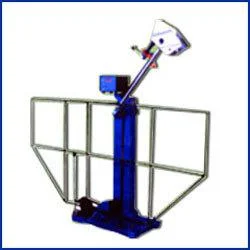
This type uses a pendulum to deliver a controlled impact force. It is versatile and can be used for various materials, including metals and composites.
Universal Impact Tester
A universal impact tester can perform both Charpy and Izod tests, making it suitable for a wider range of applications. It provides flexibility for laboratories requiring multiple testing capabilities.
𝗕𝗲𝗻𝗲𝗳𝗶𝘁𝘀 𝗮𝗻𝗱 𝗔𝗱𝘃𝗮𝗻𝘁𝗮𝗴𝗲𝘀
Investing in impact testing equipment offers several key benefits for businesses.
1. Quality Assurance: Impact testing helps ensure that materials meet safety and performance standards, reducing the risk of product failure.
2. Enhanced Product Design: By identifying weaknesses in materials, businesses can refine their designs, leading to improved durability and longevity.
3. Compliance with Regulations: Using impact testing equipment ensures adherence to industry standards and regulations, which is crucial for market acceptance.
4. Reduced Liability: Companies that conduct impact testing can reduce their liability by ensuring products are safe for consumers, thus protecting their brand reputation.
5. Increased Customer Confidence: Providing impact test results can enhance customer trust in products, leading to increased sales and loyalty.
6. Streamlined Production: Early identification of material issues can streamline production processes, saving time and costs in the long run.
𝗕𝘂𝘆𝗶𝗻𝗴 𝗚𝘂𝗶𝗱𝗲 𝗳𝗼𝗿 𝗕𝟮𝗕 𝗕𝘂𝘆𝗲𝗿𝘀
When sourcing impact testing equipment, several critical factors should be considered to ensure a successful purchase.
1. Quality Assessment: It is essential to evaluate the quality of the equipment by looking for certifications and assessing the reputation of the manufacturer. High-quality equipment will provide more reliable test results.
2. Supplier Verification: Vetting suppliers is crucial to ensure they are reputable and have a track record of delivering reliable products. Look for reviews and testimonials from other businesses.
3. Pricing and MOQ: Understanding the pricing structure and minimum order quantity (MOQ) is important for budgeting. Compare prices across different suppliers to find the best value.
4. Delivery and Lead Times: Consider the logistics involved in obtaining the equipment. Ensure that the supplier can meet your delivery timelines to avoid interruptions in your testing processes.
5. Compliance Requirements: Ensure that the equipment meets all relevant regulatory requirements for your industry. This can include safety standards and operational certifications.
𝗖𝗼𝗺𝗽𝗹𝗶𝗮𝗻𝗰𝗲 𝗮𝗻𝗱 𝗖𝗲𝗿𝘁𝗶𝗳𝗶𝗰𝗮𝘁𝗶𝗼𝗻𝘀
Impact testing equipment must comply with various quality standards to ensure its reliability and effectiveness.
One important standard is ISO 9001, which focuses on quality management systems. Compliance with this standard ensures that manufacturers maintain consistent quality in their processes and products.
Additionally, industry certifications like CE are vital for demonstrating compliance with European health, safety, and environmental protection standards. This certification is often required for equipment sold in European markets.
Safety and testing requirements are also critical. Equipment must meet regional safety standards to protect users and ensure accurate test results.
In various regions, compliance considerations may differ. It is essential to stay informed about the regulations applicable to the target market to avoid any compliance issues.
𝗪𝗵𝘆 𝗦𝗼𝘂𝗿𝗰𝗲 𝗜𝗺𝗽𝗮𝗰𝘁 𝗧𝗲𝘀𝘁𝗶𝗻𝗴 𝗘𝗾𝘂𝗶𝗽𝗺𝗲𝗻𝘁 𝗳𝗿𝗼𝗺 𝗣𝗲𝗽𝗮𝗴𝗼𝗿𝗮?
Pepagora provides a trusted platform for sourcing impact testing equipment, offering several key advantages to B2B buyers.
Verified Supplier Network: Pepagora connects buyers with a network of verified suppliers, ensuring that companies can find reliable manufacturers who adhere to quality standards. This verification process helps mitigate risks associated with purchasing.
Streamlined RFQ Process: The request for quotation (RFQ) process on Pepagora is designed to be straightforward and efficient. Buyers can quickly obtain quotes from multiple suppliers, allowing for informed decision-making.
Trade Assurance and Support: Pepagora offers trade assurance, providing buyers with protection throughout the purchasing process. This support builds confidence and ensures that suppliers meet their commitments.
Regional Coverage: Pepagora has a broad geographic reach, covering regions such as India, the Gulf Cooperation Council (GCC), and Southeast Asia. This allows businesses across these areas to access quality impact testing equipment easily.
Newly Added




Recently Added
ABS Instruments Pvt Ltd
Premium Hardness Testers For Rockwell Brinell Vickers Scales Quality Control
Industrial Rotary Bending Machine 0.1 500 Nm Electric DIN 50 113
Premium Bareiss Polymer Testers For Material Hardness And Abrasion Testing
Aditya Instruments
Industrial Quality Control Brinell Hardness Tester For Material Testing
Professional Vickers Hardness Tester for Metals and Alloys with ISO ASTM Compliance
Industrial Rockwell Hardness Tester for Metal Alloy Quality Control
Contech Micro System
Engineering Education Premium Theory Of Machines Lab Equipment With Gyroscopes And Vibration Systems
Fluid Mechanics Lab Equipment For Engineering Education And Industrial R&D
Industrial Precision Toolmakers Microscope For Quality Control And Metrology
Askib Engineers Private Limited
Industrial Brinell Microscope 25X Magnification 0.01mm LC NABL Certified
NABL Certified Rubber Bellows for Hardness Testers 8 Inch 12 Inch
NABL Certified Steel Ball Indentors For Rockwell Brinell Hardness Testers
Associate Agencies
Aggregate Impact Testing Apparatus for Construction Material Quality Control
Industrial Pipeline Inspection Equipment For Maintenance And Safety
Premium Lab C.B.R Apparatus For Accurate California Bearing Ratio Testing
Anand Testing Machines Services
Precision Depth Gauge for Impact Specimen Notch Measurement with 0.001mm LC
Material Testing Labs Self Centering Tongs for Charpy Impact Specimens
ATMS V & U Notch Broaches for Impact Specimen Testing
Why Businesses Trust Pepagora
Thousands of companies trust Pepagora to source smarter and sell faster
Expand Your Sales Globally
25000+Products listed.Get discovered by global buyers
Tools to boost visibility
Build your own catalog

Source Smarter,Grow Faster
4000+Active RFQs
100+ Countries served
Easy Sourcing Tools
