
 IN
INundefined
ID Cards & Lanyards
4 products available
𝗪𝗵𝗮𝘁 𝗮𝗿𝗲 𝗜𝗗 𝗖𝗮𝗿𝗱𝘀 & 𝗟𝗮𝗻𝘆𝗮𝗿𝗱𝘀?
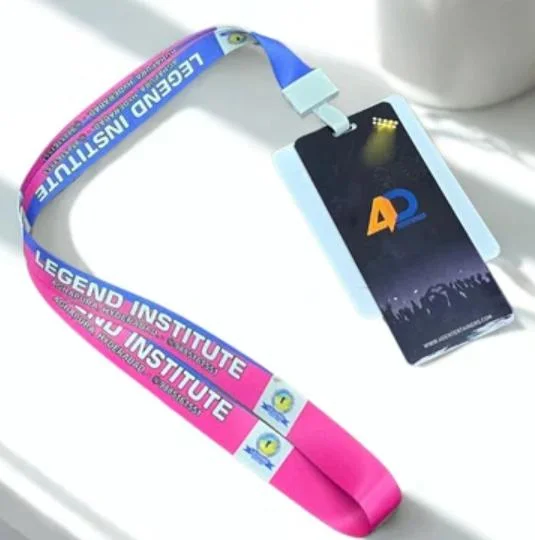
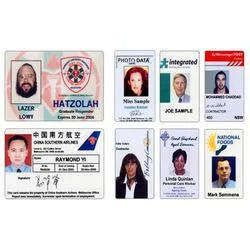
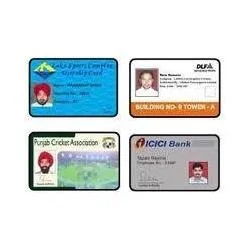
ID cards and lanyards are essential tools used for identification and access control in various environments. ID cards typically contain personal information such as the individual's name, photograph, job title, and company affiliation. Lanyards, on the other hand, are straps worn around the neck that hold ID cards, badges, or other access devices for easy visibility and accessibility. These items are often made from durable materials to withstand daily wear and tear while ensuring that identification is readily accessible when needed.
The primary uses of ID cards and lanyards span multiple sectors, including corporate, education, healthcare, and events. In a corporate setting, ID cards serve to identify employees and manage access to facilities. In educational institutions, they help distinguish students and staff while enhancing security. Lanyards add convenience by keeping IDs visible and within reach, making them ideal for events such as conferences and conventions where quick identification is crucial.
The market for ID cards and lanyards continues to grow, driven by increasing security concerns and the need for efficient identification solutions. Industries are increasingly recognizing the importance of robust identification systems to enhance security, foster accountability, and streamline operations. As a result, businesses are investing in high-quality ID cards and lanyards that meet their specific needs.
𝗞𝗲𝘆 𝗙𝗲𝗮𝘁𝘂𝗿𝗲𝘀 𝗮𝗻𝗱 𝗦𝗽𝗲𝗰𝗶𝗳𝗶𝗰𝗮𝘁𝗶𝗼𝗻𝘀
ID cards and lanyards come with a variety of features that cater to different needs. These features ensure that the products are functional, durable, and adaptable for various applications.
Key specifications include:
1. Material Quality
- ID cards are often made from PVC or composite materials, ensuring they are durable and resistant to wear.
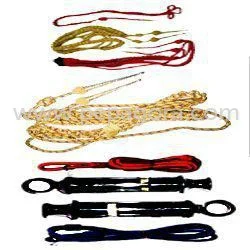
- Lanyards are typically made from nylon or polyester, providing flexibility and strength.
2. Size and Dimensions
- Standard ID card dimensions are usually 85.6 mm x 54 mm, which aligns with ISO standards for card size.
- Lanyards generally have a width of 10-20 mm and can be customized in length.
3. Printing Options
- ID cards can feature full-color printing and various finishes, such as matte or glossy.
- Customization options are available for logos, text, and images.
4. Attachment Types
- Lanyards can come with different attachments like clips, hooks, or breakaway features for safety.
5. Security Features
- Options include barcodes, QR codes, or RFID chips for enhanced security and tracking.
6. Environmentally Friendly Options
- Many manufacturers offer eco-friendly materials for both ID cards and lanyards.
7. Customization Capabilities
- Both ID cards and lanyards can be tailored to match company branding and specific requirements.
8. Compliance with Standards
- Products can be designed to meet industry standards for quality and safety, such as CE marking.
In summary, the variety of features and specifications available for ID cards and lanyards ensures that businesses can find solutions tailored to their specific identification and security needs.
𝗖𝗼𝗺𝗺𝗼𝗻 𝗔𝗽𝗽𝗹𝗶𝗰𝗮𝘁𝗶𝗼𝗻𝘀 𝗮𝗻𝗱 𝗨𝘀𝗲 𝗖𝗮𝘀𝗲𝘀
ID cards and lanyards are widely utilized across various industries, each with specific applications that enhance security and identification.
1. Corporate Sector: In offices, ID cards serve to identify employees and provide access to restricted areas. Lanyards make it easy for employees to display their IDs at all times.
2. Educational Institutions: Schools and universities use ID cards for students and staff to boost campus security. Lanyards help ensure that ID cards are visible and easily accessible on campus.
3. Healthcare Facilities: Hospitals and clinics require ID cards for staff to ensure patient safety and secure access to sensitive areas. Lanyards help healthcare professionals keep their IDs visible while on duty.
4. Events and Conferences: ID cards are essential for event attendees to verify their registration. Lanyards allow participants to wear their badges conveniently, enhancing networking opportunities.
5. Government Agencies: Many government offices issue ID cards to employees for access control. Lanyards help maintain a professional appearance while ensuring easy access.
6. Retail Industry: Retailers utilize ID cards for employee identification and access to staff-only areas. Lanyards help promote a cohesive brand image among employees.
7. Security Services: Security personnel often use ID cards to verify identities and access control. Lanyards ensure their IDs are visible, enhancing trust with clients and the public.
𝗣𝗿𝗼𝗱𝘂𝗰𝘁 𝗩𝗮𝗿𝗶𝗮𝗻𝘁𝘀 𝗮𝗻𝗱 𝗦𝘂𝗯𝗰𝗮𝘁𝗲𝗴𝗼𝗿𝗶𝗲𝘀
ID cards and lanyards come in various forms to cater to the diverse needs of businesses.
Standard ID Cards
These are the most common type, designed for everyday use across many sectors. They are often customizable with logos and personal information, making them suitable for employee identification.
Retractable ID Badge Holders
These holders attach to a lanyard and allow users to extend their ID cards for scanning or swiping without removing them from the lanyard. This is especially useful in environments with frequent access checks.
Eco-Friendly ID Cards
Manufactured from recycled materials, these cards appeal to environmentally conscious businesses. They provide the same functionality as traditional cards while promoting sustainability.
Breakaway Lanyards
These lanyards feature a safety breakaway mechanism that releases when pulled with force, reducing the risk of injury in situations where the lanyard may get caught.
Personalized Lanyards
These lanyards can be customized with company logos, slogans, or color schemes, enhancing branding while serving their primary purpose.
𝗕𝗲𝗻𝗲𝗳𝗶𝘁𝘀 𝗮𝗻𝗱 𝗔𝗱𝘃𝗮𝗻𝘁𝗮𝗴𝗲𝘀
ID cards and lanyards provide various benefits that enhance security and efficiency in identification processes.
1. Enhanced Security: ID cards help restrict access to authorized personnel only, reducing the risk of unauthorized entry.
2. Improved Visibility: Wearing ID cards on lanyards ensures that identification is easily visible, promoting a secure environment.
3. Customization Options: Businesses can tailor ID cards and lanyards to reflect their branding, improving corporate identity.
4. Durability: High-quality materials ensure that ID cards and lanyards withstand daily wear and tear, providing long-lasting use.
5. Versatile Applications: These products are applicable in numerous industries, making them a flexible solution for a wide range of identification needs.
6. Cost-Effective: Investing in ID cards and lanyards is a cost-effective way to improve security and streamline identification processes.
𝗕𝘂𝘆𝗶𝗻𝗴 𝗚𝘂𝗶𝗱𝗲 𝗳𝗼𝗿 𝗕𝟮𝗕 𝗕𝘂𝘆𝗲𝗿𝘀
When sourcing ID cards and lanyards, several factors should be taken into consideration to ensure the right products are chosen for specific business needs.
1. Quality Assessment: Evaluate the material and construction quality of ID cards and lanyards to ensure longevity and durability. Look for certifications that indicate adherence to industry standards.
2. Supplier Verification: Research potential suppliers to confirm their credibility and track record in providing quality products. Consider requesting samples before making a bulk purchase.
3. Pricing and MOQ: Understand pricing structures and minimum order quantities (MOQ) required by suppliers. This helps in budgeting effectively for larger purchases.
4. Delivery and Lead Times: Discuss delivery timelines and logistics with suppliers to ensure that products arrive on schedule, especially for time-sensitive projects.
5. Compliance Requirements: Be aware of any regulatory compliance standards that may apply to your industry, ensuring that the ID cards and lanyards meet necessary guidelines.
𝗖𝗼𝗺𝗽𝗹𝗶𝗮𝗻𝗰𝗲 𝗮𝗻𝗱 𝗖𝗲𝗿𝘁𝗶𝗳𝗶𝗰𝗮𝘁𝗶𝗼𝗻𝘀
Compliance and certifications are essential aspects of ID cards and lanyards, ensuring that they meet industry standards for quality and safety.
Relevant quality standards, such as ISO 9001, ensure that manufacturers maintain consistent quality in their production processes. Products that adhere to these standards are more likely to be reliable and durable.
Industry certifications like CE mark indicate that the products meet European safety, health, and environmental protection standards. This is particularly important for businesses operating in regions where compliance is legally required.
Safety and testing requirements are also crucial. Manufacturers should conduct regular testing of their products to ensure they are safe for use in various environments.
Regional compliance considerations may vary, so it is important for businesses to be aware of local regulations regarding identification products, ensuring that they are fully compliant with relevant laws.
𝗪𝗵𝘆 𝗦𝗼𝘂𝗿𝗰𝗲 𝗜𝗗 𝗖𝗮𝗿𝗱𝘀 & 𝗟𝗮𝗻𝘆𝗮𝗿𝗱𝘀 𝗳𝗿𝗼𝗺 𝗣𝗲𝗽𝗮𝗴𝗼𝗿𝗮?
Pepagora provides a trusted platform for sourcing ID cards and lanyards, offering several key advantages for B2B buyers.
Verified Supplier Network: Pepagora has a rigorous vetting process to ensure that all suppliers meet high standards of quality and reliability. This gives buyers confidence in their purchasing decisions.
Streamlined RFQ Process: The request for quotation (RFQ) process on Pepagora is designed to be simple and efficient, allowing buyers to receive competitive quotes from multiple suppliers quickly.
Trade Assurance and Support: Pepagora offers buyer protection through its trade assurance program, ensuring that transactions are secure and disputes are handled fairly.
Regional Coverage: With a strong presence in India, the GCC, and Southeast Asia, Pepagora connects buyers with suppliers across these regions, making it easier to source high-quality ID cards and lanyards tailored to specific business needs.
Newly Added


Recently Added
Mahavir Army Store
Military Fabric For Defense Police Security Uniforms Durable Tactical Gear
Military Socks Premium Durable Reinforced Olive Green Sizes 6 11
Bulk Wool Beret Caps For Uniforms Promotions Fashion
Arihant Trading Company, Kolkata
Industrial Brochures For Buyers High Quality Printing Reliable Delivery
Bulk Laminated Boxes And Cartons For Secure Packaging
Premium Pamphlets For Marketing Promotions High Quality Printing Bulk Supply
CMM Info Tech
Premium Barcode Cards For Reliable Scanning In Inventory And Retail
Fundraising Plastic Discount Cards With 12 22 Local Business Offers
Loyalty Cards With Barcode Or Magnetic Stripe For Retail Hospitality
Arrow Paper Products
Premium Printed Carry Bags For Retail And Events With Eco Friendly Materials
Industrial Machine Made Envelopes For Secure Packaging And Shipping
Professional ID Card Printing Services Waterproof Durable
Why Businesses Trust Pepagora
Thousands of companies trust Pepagora to source smarter and sell faster
Expand Your Sales Globally
25000+Products listed.Get discovered by global buyers
Tools to boost visibility
Build your own catalog

Source Smarter,Grow Faster
4000+Active RFQs
100+ Countries served
Easy Sourcing Tools
