
 IN
INundefined
Icing Sugar
2 products available
𝗪𝗵𝗮𝘁 𝗮𝗿𝗲 𝗜𝗰𝗶𝗻𝗴 𝗦𝘂𝗴𝗮𝗿?
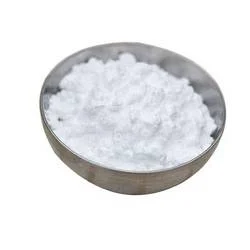
Icing Sugar, also known as powdered sugar or confectioners' sugar, is a finely ground sugar that is often used in baking and dessert preparation. It is produced by grinding granulated sugar into a fine powder and then may be mixed with a small amount of anti-caking agent to prevent clumping. This sugar variant dissolves quickly, making it ideal for frostings, glazes, and dusting on baked goods.
The primary uses of Icing Sugar in business applications include the production of various confections, bakery items, and desserts. It is commonly used in the food industry for making smooth icing, whipped toppings, and for sweetening beverages. Its versatility makes it a staple in commercial kitchens, bakeries, and restaurants. The sugar is also used in the manufacturing of candies and chocolates, thereby holding significant relevance in the confectionery industry.
In the current market context, the demand for Icing Sugar is steadily rising due to the growing popularity of baked goods and desserts. As businesses seek to enhance the quality and presentation of their products, the need for high-quality Icing Sugar becomes critical. Market trends indicate a shift toward premium and specialty sugars, which further emphasizes the importance of Icing Sugar in the food manufacturing sector.
𝗞𝗲𝘆 𝗙𝗲𝗮𝘁𝘂𝗿𝗲𝘀 𝗮𝗻𝗱 𝗦𝗽𝗲𝗰𝗶𝗳𝗶𝗰𝗮𝘁𝗶𝗼𝗻𝘀
Icing Sugar is characterized by several key features that make it suitable for various applications in the food industry. Understanding these specifications can help businesses make informed sourcing decisions.
Key specifications include:
1. Granulation Size
- The granulation size of Icing Sugar is typically very fine, allowing for quick dissolution.
- It is usually less than 20 microns, which contributes to its smooth texture.
2. Sweetness Level
- Icing Sugar has a sweetness level that is higher than regular granulated sugar due to its finer texture.
- It provides a concentrated sweetness that is desirable in many dessert recipes.
3. Anti-Caking Agent
- Many brands of Icing Sugar include an anti-caking agent, usually cornstarch, to prevent clumping.
- This ensures that the sugar flows freely and maintains its quality during storage.
4. Moisture Content
- The moisture content in Icing Sugar should be minimal to avoid spoilage and clumping.
- Typically, it is maintained at less than 0.5% for optimal shelf life.
5. Packaging Options
- Icing Sugar is available in various packaging options, including bulk bags, cartons, and retail packs.
- This allows for flexibility depending on the business needs and storage capabilities.
6. Shelf Life
- Icing Sugar generally has a long shelf life, often exceeding two years when stored properly.
- Proper storage conditions include a cool, dry environment to maintain quality.
7. Origin
- Icing Sugar can be sourced from various regions, affecting its pricing and availability.
- It is important for buyers to consider the origin when selecting suppliers for consistency.
In summary, understanding the key features and specifications of Icing Sugar is essential for businesses looking to incorporate this ingredient into their products. The right choice can enhance the quality and appeal of food items.
𝗖𝗼𝗺𝗺𝗼𝗻 𝗔𝗽𝗽𝗹𝗶𝗰𝗮𝘁𝗶𝗼𝗻𝘀 𝗮𝗻𝗱 𝗨𝘀𝗲 𝗖𝗮𝘀𝗲𝘀
Icing Sugar serves a wide range of applications across various industries, particularly in food production and baking.
1. Baking Industry: Icing Sugar is extensively used for making frosting and icing for cakes, cupcakes, and pastries. Its fine texture allows for a smooth and glossy finish, enhancing the visual appeal of baked goods.
2. Confectionery Manufacturing: In the confectionery sector, Icing Sugar is used for creating candies and chocolate coatings. It helps in achieving the desired sweetness and texture in products like fondants and marzipans.
3. Beverage Industry: Icing Sugar is often added to beverages, such as specialty coffee and cocktails, for a quick-dissolving sweetener that does not alter the drink's texture.
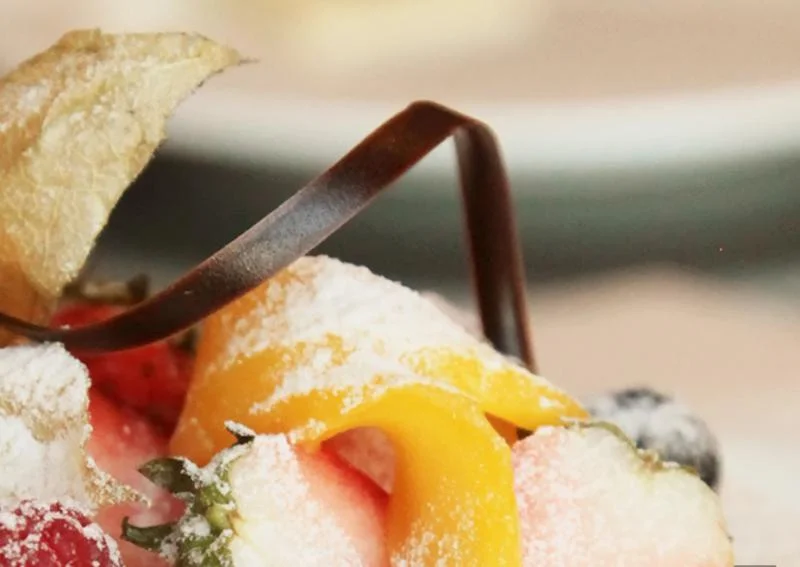
4. Catering Services: Many catering services use Icing Sugar for dessert presentations. It is ideal for dusting over desserts to enhance their appearance without adding excessive sweetness.
5. Food Service: Restaurants and cafes utilize Icing Sugar for garnishing or as a sweetener in various dishes, ensuring a refined finish to their desserts and pastries.
6. Ice Cream Production: In ice cream manufacturing, Icing Sugar is used to achieve the desired sweetness and smooth texture. It helps in maintaining consistency in flavor and mouthfeel.
7. Home Baking: Home bakers also frequently utilize Icing Sugar for personal baking projects, making it a popular choice for both professional and amateur culinary endeavors.
𝗣𝗿𝗼𝗱𝘂𝗰𝘁 𝗩𝗮𝗿𝗶𝗮𝗻𝘁𝘀 𝗮𝗻𝗱 𝗦𝘂𝗯𝗰𝗮𝘁𝗲𝗴𝗼𝗿𝗶𝗲𝘀
Icing Sugar is available in different product variants, catering to various business needs.
Standard Icing Sugar
This is the most commonly used form, perfect for making frostings and glazes. It offers a fine texture and quick dissolving properties, making it ideal for general baking applications.
Organic Icing Sugar
This variant is made from organic cane sugar and is free from synthetic additives. It appeals to health-conscious consumers and businesses looking to offer organic products.
Flavored Icing Sugar
This variant is infused with different flavors, such as vanilla or chocolate, providing an added layer of taste to frostings and desserts. It is an excellent choice for unique culinary creations.
Sugar-Free Icing Sugar
Designed for those seeking low-calorie alternatives, this version uses sugar substitutes. It is increasingly popular in health-focused food markets.
𝗕𝗲𝗻𝗲𝗳𝗶𝘁𝘀 𝗮𝗻𝗱 𝗔𝗱𝘃𝗮𝗻𝘁𝗮𝗴𝗲𝘀
Icing Sugar offers several benefits that make it a preferred choice for businesses in the food industry.
1. Versatility: Icing Sugar can be used in a variety of applications, from baking to beverage preparation, making it a multifunctional ingredient.
2. Quick Dissolution: Its fine texture allows for instant mixing and blending, saving time in food preparation processes.
3. Enhanced Presentation: Icing Sugar provides a smooth, glossy finish to desserts, significantly improving their visual appeal.
4. Convenient Storage: With a long shelf life and minimal storage requirements, Icing Sugar is easy to stock and manage in commercial settings.
5. Consistent Quality: High-quality Icing Sugar ensures uniform results in recipes, contributing to reliable product quality for businesses.
6. Customization Options: Many suppliers offer customized Icing Sugar formulations, allowing businesses to meet specific taste and dietary requirements.
𝗕𝘂𝘆𝗶𝗻𝗴 𝗚𝘂𝗶𝗱𝗲 𝗳𝗼𝗿 𝗕𝟮𝗕 𝗕𝘂𝘆𝗲𝗿𝘀
When sourcing Icing Sugar, businesses should consider several important factors to ensure they obtain the best product for their needs.
1. Quality Assessment: It is crucial to evaluate the quality of Icing Sugar by checking the granulation size, moisture content, and the presence of any additives. High-quality sugar ensures better performance in recipes.
2. Supplier Verification: Buyers should vet suppliers to ensure they are reputable and provide consistent quality. This includes checking certifications and customer reviews.
3. Pricing and MOQ: Understanding pricing structures and minimum order quantities is essential. Businesses should compare prices and negotiate terms to secure the best deals.
4. Delivery and Lead Times: Logistics play a significant role, so buyers should verify delivery schedules and lead times. Timely delivery is essential for maintaining production schedules.
5. Compliance Requirements: Buyers must ensure that the Icing Sugar complies with relevant food safety regulations and industry standards. This includes checking for certifications and quality assurance processes.
𝗖𝗼𝗺𝗽𝗹𝗶𝗮𝗻𝗰𝗲 𝗮𝗻𝗱 𝗖𝗲𝗿𝘁𝗶𝗳𝗶𝗰𝗮𝘁𝗶𝗼𝗻𝘀
Icing Sugar must adhere to various compliance and certification standards to ensure its safety and quality in food applications.
Relevant quality standards include ISO 9001, which ensures that manufacturers maintain a consistent quality management system. This standard is crucial for businesses seeking reliable suppliers.
HACCP (Hazard Analysis and Critical Control Points) is another important standard in food safety. It focuses on identifying and managing potential hazards in food production, ensuring that Icing Sugar is safe for consumption.
Additionally, Icing Sugar suppliers may possess certifications like CE, indicating compliance with European safety standards. This certification assures businesses of the product's quality and safety.
Safety and testing requirements involve regular inspections and quality checks to ensure that Icing Sugar meets all food safety regulations. Businesses should inquire about these processes when selecting suppliers.
Regional compliance considerations are also crucial, as different regions may have specific regulations regarding food products. Buyers should be aware of these requirements to avoid compliance issues.
𝗪𝗵𝘆 𝗦𝗼𝘂𝗿𝗰𝗲 𝗜𝗰𝗶𝗻𝗴 𝗦𝘂𝗴𝗮𝗿 𝗳𝗿𝗼𝗺 𝗣𝗲𝗽𝗮𝗴𝗼𝗿𝗮?
Pepagora provides a trusted platform for sourcing Icing Sugar, offering several key advantages for businesses.
Verified Supplier Network: Pepagora has a robust network of verified suppliers, ensuring that buyers have access to high-quality Icing Sugar. Each supplier is vetted for reliability and product quality.
Streamlined RFQ Process: The Request for Quotation (RFQ) process is user-friendly, making it easy for buyers to request pricing and product information from multiple suppliers quickly. This efficiency helps businesses make informed purchasing decisions.
Trade Assurance and Support: Pepagora offers trade assurance programs that protect buyers against potential issues, providing peace of mind when sourcing products. This support is essential for building trust in supplier relationships.
Regional Coverage: Pepagora's geographic reach includes India, GCC countries, and Southeast Asia, allowing businesses across these regions to find suitable suppliers for their Icing Sugar needs. This extensive coverage enhances accessibility and convenience for buyers.
Newly Added


Recently Added
Avanti Enterprises
Bulk 100% Whole Wheat Atta Flour For Food Manufacturing
Premium Plain Flour Maida For Bakeries And Food Manufacturing
Premium Sugar Cubes High Grade Hygienic Packaging Bulk Supply
S S D Oil Mills Company Ltd
Rice Bran Oil For Food Manufacturing And Hospitality
Premium Vanaspathy Edible Oil For Commercial Food Production
Commercial Baking Puff Vanaspathi For Lamination And Pastry
Why Businesses Trust Pepagora
Thousands of companies trust Pepagora to source smarter and sell faster
Expand Your Sales Globally
25000+Products listed.Get discovered by global buyers
Tools to boost visibility
Build your own catalog

Source Smarter,Grow Faster
4000+Active RFQs
100+ Countries served
Easy Sourcing Tools
