
 IN
INundefined
Ice Makers
5 products available
𝗪𝗵𝗮𝘁 𝗮𝗿𝗲 𝗜𝗰𝗲 𝗠𝗮𝗸𝗲𝗿𝘀?
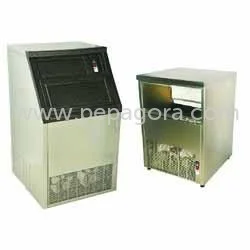
Ice makers are machines designed to produce ice in various forms and sizes. They are essential in commercial settings where a consistent supply of ice is necessary for operations. Ice makers can be integrated into refrigeration units or function as standalone units, catering to different business needs. These machines utilize a refrigeration cycle to freeze water, producing ice that can be used for beverages, food preservation, and more.
The primary applications of ice makers span across numerous industries, including food and beverage, healthcare, hospitality, and retail. In restaurants and bars, ice makers are crucial for preparing drinks and preserving food freshness. In healthcare facilities, they provide ice for patient care and medical applications. With the growing demand for ice in various sectors, the market for ice makers continues to expand, driven by advancements in technology and increasing consumer expectations.
𝗞𝗲𝘆 𝗙𝗲𝗮𝘁𝘂𝗿𝗲𝘀 𝗮𝗻𝗱 𝗦𝗽𝗲𝗰𝗶𝗳𝗶𝗰𝗮𝘁𝗶𝗼𝗻𝘀
Ice makers come equipped with a range of features that enhance their functionality and efficiency. Understanding these specifications helps businesses select the right model for their needs.
Key specifications include:
1. Ice Production Capacity
- Measures the amount of ice produced in 24 hours.
- Ranges typically between 100 to 1,000 pounds, depending on the model.
2. Ice Type
- Options include cube, flake, and nugget ice.
- Different types serve distinct applications in food service and healthcare.
3. Energy Efficiency
- Rated by Energy Star standards.
- Lower energy consumption leads to cost savings over time.
4. Water Supply Requirements
- Can be connected to a direct water line or use a reservoir.
- Important for determining installation needs.
5. Dimensions and Weight
- Varies based on capacity and design.
- Important for fitting in designated spaces.
6. Operating Temperature Range
- Typically designed to function in ambient temperatures from 50°F to 100°F.
- Ensures optimal ice production under various conditions.
7. Control Features
- May include digital displays and programmable settings.
- Enhances user convenience and operational control.
8. Cleaning and Maintenance
- Some models feature self-cleaning mechanisms.
- Simplifies upkeep and prolongs machine life.
In summary, understanding these key features and specifications ensures businesses can choose ice makers that best fit their operational requirements.
𝗖𝗼𝗺𝗺𝗼𝗻 𝗔𝗽𝗽𝗹𝗶𝗰𝗮𝘁𝗶𝗼𝗻𝘀 𝗮𝗻𝗱 𝗨𝘀𝗲 𝗖𝗮𝘀𝗲𝘀
Ice makers are utilized across various industries, each with unique applications.
1. Food and Beverage Industry: Restaurants and bars rely on ice makers for drink preparation and food preservation. They provide a steady supply of ice for cocktails, soft drinks, and food displays.
2. Healthcare: Hospitals and clinics use ice makers for patient care, such as providing ice for injuries and hydration. They are essential for maintaining proper temperatures for certain medications.
3. Hospitality: Hotels and resorts require ice makers for guest services, including room service beverages and event catering. Their convenience enhances the guest experience.
4. Retail: Supermarkets and convenience stores use ice makers to keep food items fresh and appealing. Ice is used in display cases for seafood and perishables.
5. Events and Catering: Catering companies depend on ice makers for large events, ensuring a continuous supply of ice for beverages and food service.
6. Industrial Applications: Some manufacturing processes require ice for cooling purposes, making industrial ice makers an essential part of their operations.
7. Recreational Facilities: Ice makers are used in ice rinks for maintaining ice quality and in sports facilities for athlete hydration.
𝗣𝗿𝗼𝗱𝘂𝗰𝘁 𝗩𝗮𝗿𝗶𝗮𝗻𝘁𝘀 𝗮𝗻𝗱 𝗦𝘂𝗯𝗰𝗮𝘁𝗲𝗴𝗼𝗿𝗶𝗲𝘀
Ice makers come in various types to cater to specific needs and environments.
Modular Ice Makers: These units produce large quantities of ice and are designed to be connected to storage bins. They are ideal for high-demand settings like restaurants and hotels.
Undercounter Ice Makers: Compact and space-saving, these units fit under countertops, making them perfect for small bars or cafes. They are convenient for limited space while still providing adequate ice production.
Countertop Ice Makers: Designed for small-scale operations, these machines are portable and can be moved as needed. They are ideal for home use or small businesses requiring less ice.
Remote Ice Makers: These units are installed in a different location from the storage bin, allowing for flexibility in ice production. They are often used in larger facilities.
𝗕𝗲𝗻𝗲𝗳𝗶𝘁𝘀 𝗮𝗻𝗱 𝗔𝗱𝘃𝗮𝗻𝘁𝗮𝗴𝗲𝘀
Investing in ice makers offers several advantages for businesses.
1. Increased Efficiency: Ice makers provide a continuous supply of ice, reducing the need for manual ice handling and storage.
2. Cost Savings: Energy-efficient models help businesses save on utility bills, making them a smart investment over time.
3. Improved Quality: Freshly made ice enhances the quality of beverages and food, contributing to better customer satisfaction.
4. Versatility: Ice makers can produce various types of ice, catering to different service needs across industries.
5. Space-Saving: Many modern ice makers are designed to fit in limited spaces, making them ideal for small businesses.
6. Reliable Performance: High-quality ice makers are designed for durability and consistent performance, ensuring that businesses do not face interruptions in service.
𝗕𝘂𝘆𝗶𝗻𝗴 𝗚𝘂𝗶𝗱𝗲 𝗳𝗼𝗿 𝗕𝟮𝗕 𝗕𝘂𝘆𝗲𝗿𝘀
When sourcing ice makers, businesses should consider several critical factors to ensure they make informed decisions.
1. Quality Assessment: Evaluate machines based on build quality, reliability, and warranty offers. Look for reputable brands with proven track records.
2. Supplier Verification: Vet potential suppliers for their experience, customer service, and support. A reliable supplier can provide ongoing assistance and service.
3. Pricing and MOQ: Understand the price range for the models you are interested in and check for minimum order quantities that may apply.
4. Delivery and Lead Times: Discuss logistics with suppliers to ensure timely delivery that meets your business needs. Factor in lead times during peak seasons.
5. Compliance Requirements: Ensure that the chosen ice makers meet relevant industry standards and regulations, including safety and health compliance.
𝗖𝗼𝗺𝗽𝗹𝗶𝗮𝗻𝗰𝗲 𝗮𝗻𝗱 𝗖𝗲𝗿𝘁𝗶𝗳𝗶𝗰𝗮𝘁𝗶𝗼𝗻𝘀
Ice makers must adhere to various quality standards and certifications to ensure safety and reliability.
ISO 9001: This standard ensures that manufacturers follow quality management principles, leading to consistent quality in processes and products.
HACCP: The Hazard Analysis and Critical Control Points framework is crucial for food safety, ensuring that ice makers are produced in a safe environment.
CE Certification: This mark indicates compliance with European health, safety, and environmental protection standards, assuring buyers of the equipment's safety and performance.
Safety and testing requirements involve rigorous evaluations to meet industry standards. Manufacturers must ensure their products are tested for performance and safety to gain necessary certifications.
Regional compliance considerations may vary. Buyers should be aware of local regulations that apply to ice makers and ensure that their equipment complies with these standards for safe use.
𝗪𝗵𝘆 𝗦𝗼𝘂𝗿𝗰𝗲 𝗜𝗰𝗲 𝗠𝗮𝗸𝗲𝗿𝘀 𝗳𝗿𝗼𝗺 𝗣𝗲𝗽𝗮𝗴𝗼𝗿𝗮?
Pepagora provides a trusted platform for sourcing ice makers, offering several key advantages to B2B buyers.
Verified Supplier Network: Pepagora connects buyers with reputable suppliers that have been thoroughly vetted. This ensures that businesses work with reliable partners who can meet their needs.
Streamlined RFQ Process: The platform simplifies the request for quotation process, enabling buyers to receive competitive quotes from multiple suppliers quickly. This efficiency helps businesses make informed purchasing decisions.
Trade Assurance and Support: Pepagora offers buyer protection, ensuring that transactions are secure. The platform provides support throughout the purchasing process, from inquiry to delivery.
Regional Coverage: Pepagora serves a wide geographic area, including India, the GCC, and Southeast Asia. This broad reach allows businesses in these regions to access a diverse range of ice makers and suppliers, facilitating easier sourcing.
Newly Added


Recently Added
Mitora Machinex Pvt Ltd
Commercial Blast Freezer Rapid Freezing Stainless Steel Compact
Commercial Ice Cube Maker Vertical Evaporator Energy Efficient
Commercial Chocolate Melting Machine with Stainless Steel & Temperature Control
Azfar Industries
Commercial Residential Balustrade Support Systems Stainless Steel
Commercial Stainless Steel Bulk Fryer With LPG Electric Options
Commercial Kitchen Premium Chinese Burner Durable Heat Resistant
E. S. S. E. M. M. Corporation
Commercial Heavy Duty 5 Meat Forks Rotisserie with Manual Controls
Commercial Dish Warmer 30 Plate Single Head Food Warmer
Commercial Electric Pressure Fryer For High Volume Kitchens
Altus Services Private Limited
Premium Cup Water Dispenser Hot Cold Drinking Water For Offices Hospitals
Commercial Bottled Ice Maker Premium Durable High Performance
Commercial Ice Makers For Restaurants Bars Hotels Healthcare
Why Businesses Trust Pepagora
Thousands of companies trust Pepagora to source smarter and sell faster
Expand Your Sales Globally
25000+Products listed.Get discovered by global buyers
Tools to boost visibility
Build your own catalog

Source Smarter,Grow Faster
4000+Active RFQs
100+ Countries served
Easy Sourcing Tools
