
 IN
INundefined
Hydraulic Lifting Tables
153 products available
𝗪𝗵𝗮𝘁 𝗮𝗿𝗲 𝗛𝘆𝗱𝗿𝗮𝘂𝗹𝗶𝗰 𝗟𝗶𝗳𝘁𝗶𝗻𝗴 𝗧𝗮𝗯𝗹𝗲𝘀?
Hydraulic lifting tables are industrial devices designed to elevate heavy loads with the help of hydraulic systems. These tables utilize hydraulic cylinders to lift and lower materials, providing a stable platform for transporting goods or assisting with assembly processes. Their design often includes a flat surface that can accommodate various types of loads, making them essential in manufacturing and warehousing environments.
These tables find primary use in sectors where heavy lifting and precise positioning are crucial. Common applications include loading and unloading trucks, moving goods between different levels of a facility, and assisting in assembly lines. Hydraulic lifting tables enhance workflow efficiency by minimizing manual lifting, thereby reducing the risk of workplace injuries associated with heavy loads.
In the current market landscape, hydraulic lifting tables are increasingly relevant due to the growing demand for automation and ergonomic solutions in various industries. As businesses prioritize safety and efficiency, the adoption of hydraulic lifting tables is expected to rise, making them a vital component in modern industrial operations.
𝗞𝗲𝘆 𝗙𝗲𝗮𝘁𝘂𝗿𝗲𝘀 𝗮𝗻𝗱 𝗦𝗽𝗲𝗰𝗶𝗳𝗶𝗰𝗮𝘁𝗶𝗼𝗻𝘀
Hydraulic lifting tables come equipped with several features that enhance their functionality and safety. Understanding key specifications is crucial for selecting the right model for specific applications.
Key specifications include:
1. Load Capacity
- This specification indicates the maximum weight the table can safely lift.
- Typical ranges are from 500 kg to over 3000 kg, depending on the model.
2. Table Dimensions
- This includes the width and length of the lifting surface.
- Common dimensions range from 800 mm x 1000 mm to 2000 mm x 3000 mm.
3. Lifting Height
- This specification shows the maximum height the table can achieve when fully extended.
- Typical lifting heights range from 800 mm to 2000 mm.
4. Power Source
- Hydraulic lifting tables can be powered by electric motors or manual pumps.
- Electric models can operate on various voltages, typically 110V or 220V.
5. Platform Material
- The lifting platform can be made from materials like steel or aluminum, depending on the application.
- Steel platforms are more robust but heavier, while aluminum platforms are lighter and easier to maneuver.
6. Safety Features
- Important safety features may include overload protection, emergency stop buttons, and safety guards.
- Compliance with safety standards is crucial for industrial use.
7. Mobility Options
- Some models come with wheels for enhanced portability.
- Fixed models may provide greater stability for specific applications.
8. Control System
- Hydraulic lifting tables may feature manual or electronic control systems.
- Advanced models may include remote controls or automated positioning systems.
In summary, selecting a hydraulic lifting table requires careful consideration of these specifications to ensure it meets the operational needs of your business.
𝗖𝗼𝗺𝗺𝗼𝗻 𝗔𝗽𝗽𝗹𝗶𝗰𝗮𝘁𝗶𝗼𝗻𝘀 𝗮𝗻𝗱 𝗨𝘀𝗲 𝗖𝗮𝘀𝗲𝘀
Hydraulic lifting tables serve multiple industries, enhancing efficiency and safety in various applications.
1. Manufacturing: In manufacturing plants, these tables assist in assembly processes, allowing workers to lift components to the required height for installation.
2. Warehousing: Hydraulic lifting tables are commonly used for loading and unloading goods from trucks, optimizing space utilization within storage facilities.
3. Construction: In construction sites, these tables provide a stable platform for lifting materials to different building levels, improving workflow and reducing manual labor.
4. Retail: Retail environments utilize hydraulic lifting tables for stocking shelves and displaying products, facilitating easier access for employees and customers.
5. Automotive: The automotive industry employs these tables for repairing and maintaining vehicles, allowing mechanics to work efficiently at comfortable heights.
6. Food Processing: In food processing plants, hydraulic lifting tables help in moving heavy ingredients and finished products, ensuring hygiene and safety compliance.
7. Logistics: These tables are vital in logistics operations for sorting and organizing shipments, aiding in efficient supply chain management.
𝗣𝗿𝗼𝗱𝘂𝗰𝘁 𝗩𝗮𝗿𝗶𝗮𝗻𝘁𝘀 𝗮𝗻𝗱 𝗦𝘂𝗯𝗰𝗮𝘁𝗲𝗴𝗼𝗿𝗶𝗲𝘀
Hydraulic lifting tables come in various models to accommodate different operational needs.
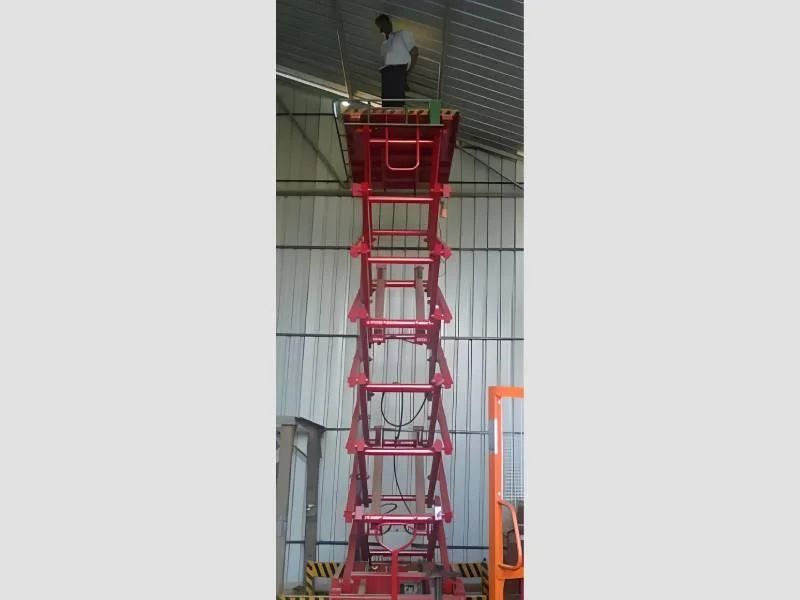
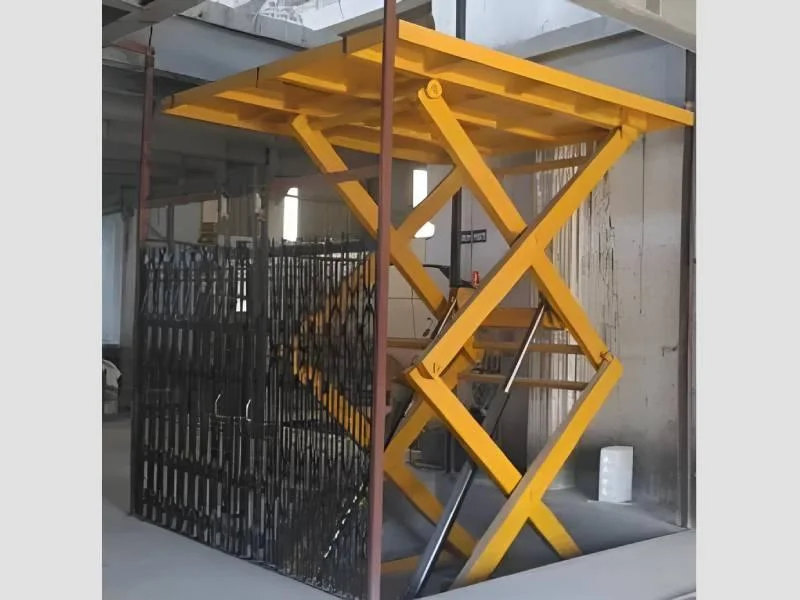
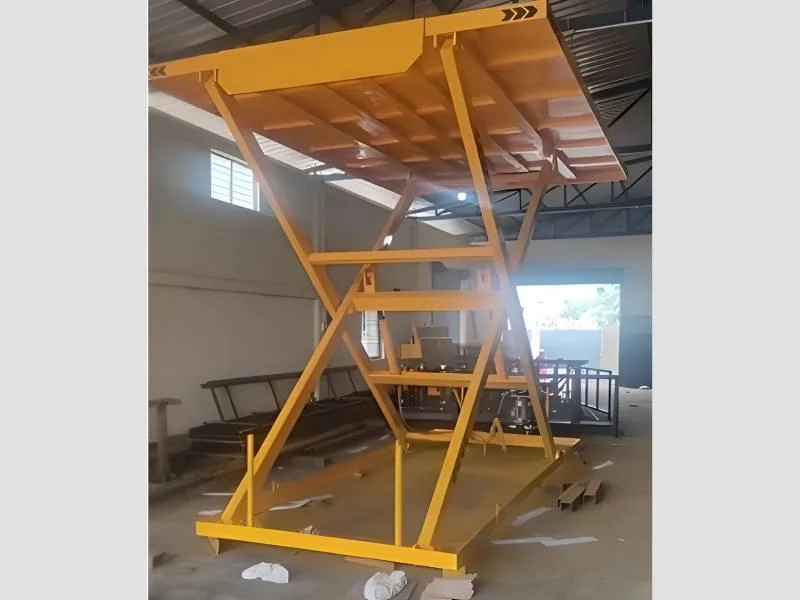
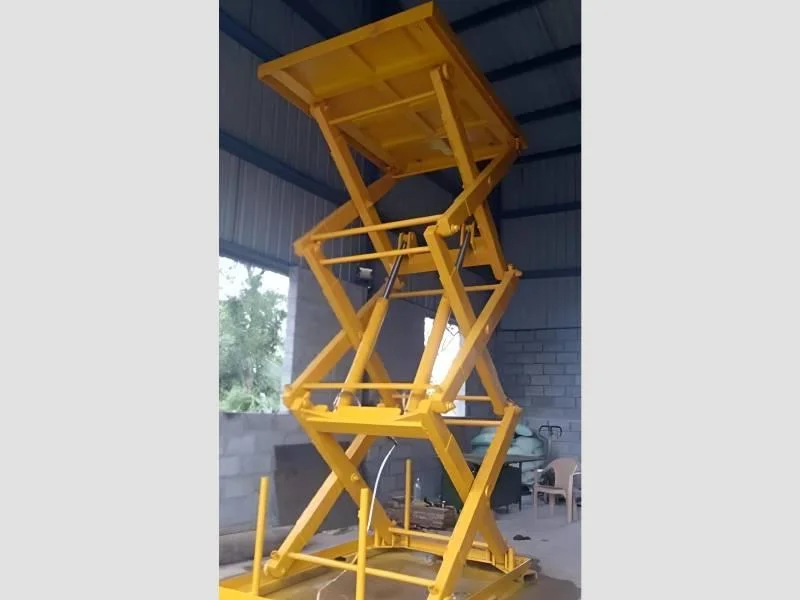
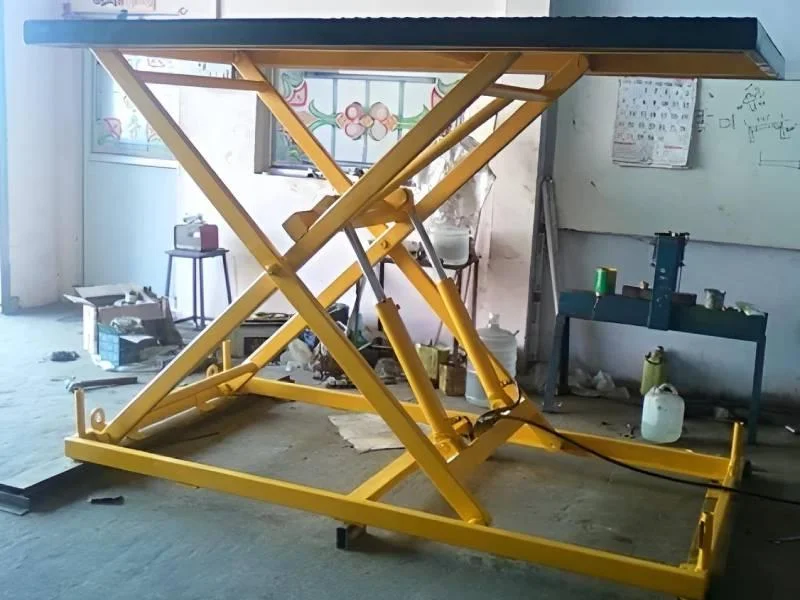
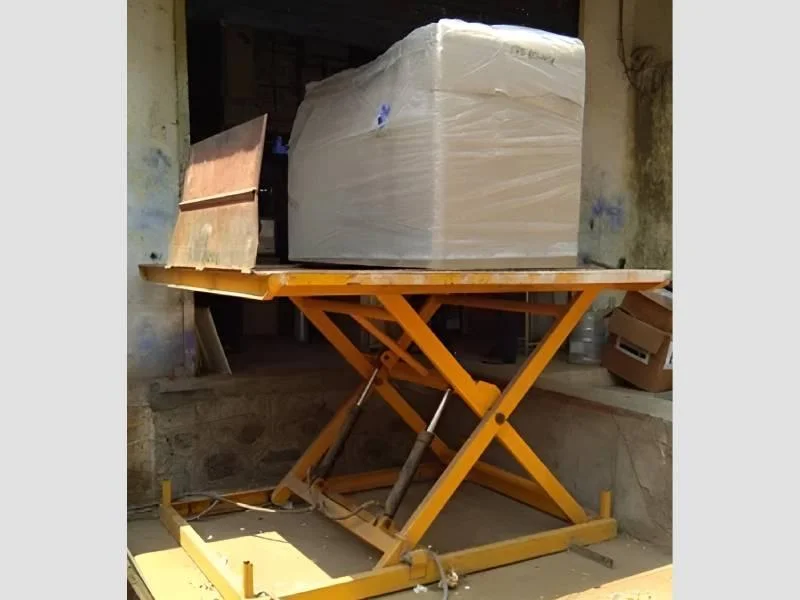
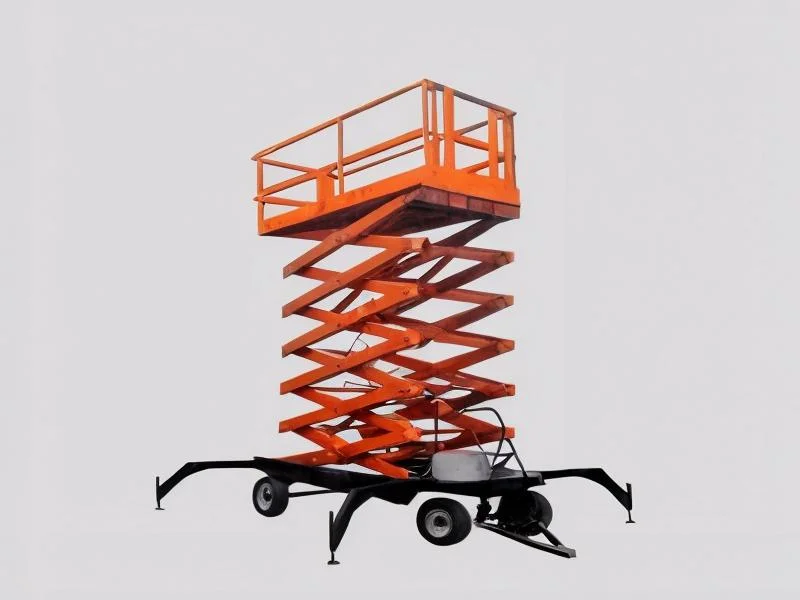
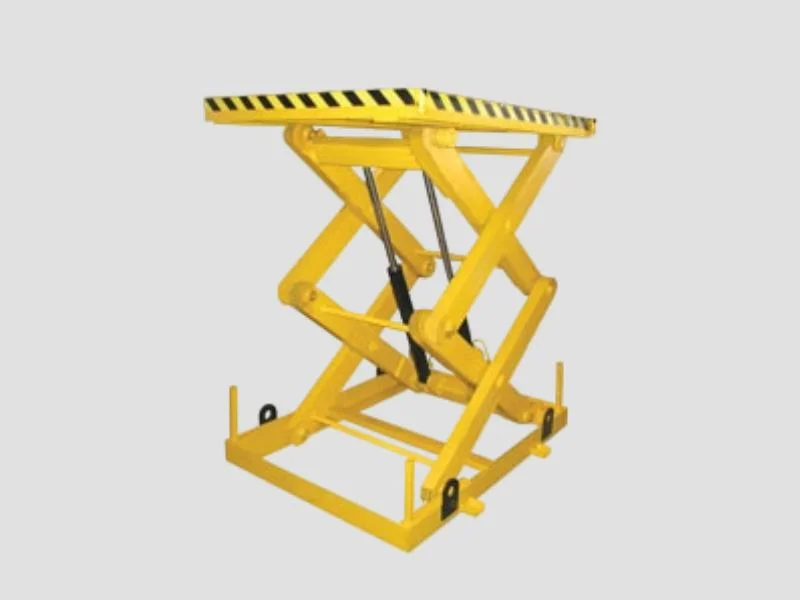
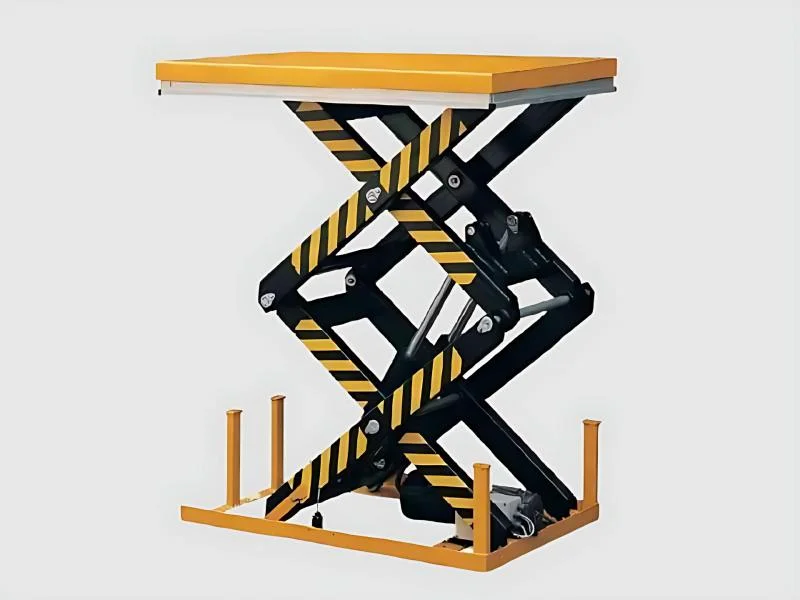
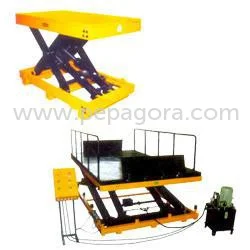
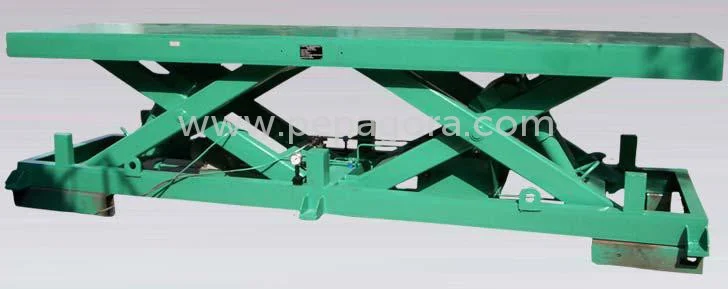
Scissor Lifting Tables: These tables utilize a scissor mechanism to lift and lower loads. They are ideal for applications requiring compact design and vertical lifting.
Portable Lifting Tables: Designed for mobility, portable lifting tables are equipped with wheels, making them easy to move between workstations. They are suitable for environments where flexibility is essential.
High-Lift Tables: These tables offer extended lifting heights, making them ideal for applications where reaching elevated areas is necessary.
Heavy-Duty Lifting Tables: Engineered for maximum load capacity, these tables are used in demanding environments such as heavy manufacturing or construction sites.
𝗕𝗲𝗻𝗲𝗳𝗶𝘁𝘀 𝗮𝗻𝗱 𝗔𝗱𝘃𝗮𝗻𝘁𝗮𝗴𝗲𝘀
Hydraulic lifting tables offer numerous benefits that enhance operational efficiency and workplace safety.
1. Increased Safety: By minimizing manual handling of heavy loads, these tables reduce the risk of workplace injuries.
2. Enhanced Productivity: Hydraulic lifting tables streamline processes, allowing for faster loading and unloading of materials.
3. Ergonomic Design: These tables promote better posture for workers, reducing fatigue and increasing comfort during tasks.
4. Versatility: Hydraulic lifting tables can be used across various industries and applications, making them adaptable to changing needs.
5. Cost Efficiency: By improving workflow and reducing injury-related costs, businesses can achieve significant savings over time.
6. Easy Maintenance: Most hydraulic systems are designed for straightforward maintenance, ensuring long-term reliability and performance.
𝗕𝘂𝘆𝗶𝗻𝗴 𝗚𝘂𝗶𝗱𝗲 𝗳𝗼𝗿 𝗕𝟮𝗕 𝗕𝘂𝘆𝗲𝗿𝘀
When sourcing hydraulic lifting tables, several factors must be considered to ensure the best investment.
1. Quality Assessment: Evaluate the build quality and materials used in hydraulic lifting tables. Look for tables that comply with industry standards to ensure durability and reliability.
2. Supplier Verification: It is essential to vet suppliers thoroughly. Check for certifications, customer reviews, and their history in the industry to ensure they provide high-quality products.
3. Pricing and MOQ: Understand the pricing structure and minimum order quantities (MOQ) from suppliers. This helps in budgeting and assessing the overall cost of acquisition.
4. Delivery and Lead Times: Confirm the expected delivery times and logistics involved in shipping. This ensures that the tables arrive when needed to avoid delays in operations.
5. Compliance Requirements: Be aware of any regulatory compliance required in your region. This may include safety standards and certifications relevant to hydraulic lifting equipment.
𝗖𝗼𝗺𝗽𝗹𝗶𝗮𝗻𝗰𝗲 𝗮𝗻𝗱 𝗖𝗲𝗿𝘁𝗶𝗳𝗶𝗰𝗮𝘁𝗶𝗼𝗻𝘀
Hydraulic lifting tables must adhere to various industry standards and certifications to ensure quality and safety.
ISO 9001 is a quality management standard that ensures consistent product quality and continuous improvement. Compliance with ISO 9001 indicates that the manufacturer meets international quality assurance benchmarks.
Certifications such as UL and CE signify that hydraulic lifting tables have undergone rigorous testing for safety and performance. UL certification ensures compliance with North American safety standards, while CE certification indicates conformity with European safety directives.
Additionally, safety and testing requirements play a crucial role in the design and manufacture of hydraulic lifting tables. Manufacturers must conduct thorough testing to verify load capacities, stability, and functionality.
Regional compliance considerations may vary. It is important to understand specific regulations applicable to different markets, which may influence sourcing decisions.
𝗪𝗵𝘆 𝗦𝗼𝘂𝗿𝗰𝗲 𝗛𝘆𝗱𝗿𝗮𝘂𝗹𝗶𝗰 𝗟𝗶𝗳𝘁𝗶𝗻𝗴 𝗧𝗮𝗯𝗹𝗲𝘀 𝗳𝗿𝗼𝗺 𝗣𝗲𝗽𝗮𝗴𝗼𝗿𝗮?
Pepagora provides a trusted platform for sourcing hydraulic lifting tables, offering several key advantages to B2B buyers.
Verified Supplier Network: Pepagora has established a network of verified suppliers, ensuring that buyers have access to high-quality hydraulic lifting tables from reputable manufacturers.
Streamlined RFQ Process: The platform features a streamlined Request for Quotation (RFQ) process, allowing buyers to easily obtain competitive quotes from multiple suppliers, enhancing purchasing efficiency.
Trade Assurance and Support: Buyers benefit from trade assurance programs that protect their investments. Pepagora offers support throughout the sourcing process, ensuring a smooth transaction experience.
Regional Coverage: Pepagora's geographic reach spans India, the GCC, and Southeast Asia, providing buyers with access to diverse suppliers and products tailored to their regional needs.
By choosing Pepagora, businesses can confidently source hydraulic lifting tables that meet their specific operational requirements while ensuring quality and reliability.
Newly Added



Recently Added
Avotech Engineering
Industrial Manual Hydraulic Scissor Lift Table 250kg 12000kg AC/Battery
Industrial Hydraulic Floor Crane 3000kg Lift AC Battery Power
Battery Operated Stackers 1000 1500 kg Capacity 4200 mm Lift Height
Accu Tech Engineers
Industrial OEM Underslung Cranes For Coal Mineral Iron Ore Handling
Industrial A Frame Crane 0.5 30 Ton Galvanized Metal Standard
Industrial OEM Chain Hoist Mild Steel Durable Lifting Equipment
Sha Hydraulics Private Limited
Industrial Belt Filter Press For Sludge Dewatering And Wastewater Treatment
Fully Automatic Filter Press 0.1 125 TPH 76.2% Solids Zero Downtime
Industrial Hydraulic Power Pack CNC Machined Standard OEM/ODM
Mantech Systems
Heavy Duty Hydraulic Cylinder 160 Kg/cm2 CETOP ISO BIS Standards
Industrial Hydraulic Power Pack Compact Cost Effective Standard
Industrial Flexible Steel Drive Couplings Equal Casting Welding Type
Wont Industrial Equipments
Industrial Heavy Duty Gantry Crane for Lifting and Material Handling
Industrial EOT Cranes IS 807 Compliant 500kg to 60,000kg Capacity
Industrial Electric Overhead Cranes For Material Handling
Pratham Hydraulics
Industrial Material Handling Light Duty Scissor Lift Table
Industrial Heavy Duty Scissor Lift Tables 2 50 Ton Electric Battery
Industrial Stainless Steel Scissor Lift Tables 500 5000kg 4000mm
Pankaj Steel Industries Ahmedabad
Industrial Platform Trolleys For Heavy Duty Material Handling
Industrial Material Handling Heavy Duty Open Platform Trolleys
Industrial Material Handling Heavy Duty Pull Type Platform Trolley
National Hydraulics
Warehouse Semi Electric Hydraulic Order Picker For Vertical Lifting
Industrial Hydraulic Drum Lifter Tilter Shifter For Safe Heavy Handling
Industrial Hydraulic Drum Carrier For Safe Lifting And Stacking
Natraj Drum Industries Pvt Ltd
Industrial Low Headroom Overhead Crane For Space Constrained Lifting
Industrial Heavy Duty Double Girder Overhead Cranes For High Capacity Lifting
Workshop Gantry Crane For Material Handling Safety Efficiency
Western Engineers
Industrial Side Draft Spray Painting Booths With Exhaust Systems
Industrial Storage Trolleys Heavy Duty Steel Construction For Warehouses
Industrial Commercial M.S. Platform Ladders 8 20 Feet High Tensile Steel
Why Businesses Trust Pepagora
Thousands of companies trust Pepagora to source smarter and sell faster
Expand Your Sales Globally
25000+Products listed.Get discovered by global buyers
Tools to boost visibility
Build your own catalog

Source Smarter,Grow Faster
4000+Active RFQs
100+ Countries served
Easy Sourcing Tools
