
 IN
INundefined
Humidity & Dew Point Meters
10 products available
𝗪𝗵𝗮𝘁 𝗮𝗿𝗲 𝗛𝘂𝗺𝗶𝗱𝗶𝘁𝘆 & 𝗗𝗲𝘄 𝗣𝗼𝗶𝗻𝘁 𝗠𝗲𝘁𝗲𝗿𝘀?
Humidity and dew point meters are essential tools used for measuring the moisture content in the air. Humidity meters, sometimes referred to as hygrometers, quantify relative humidity, which is the percentage of moisture in the air compared to the maximum amount of moisture the air can hold at a specific temperature. Dew point meters measure the temperature at which air becomes saturated with moisture and dew begins to form. This data is crucial for various industrial applications and environmental monitoring.
The primary uses of humidity and dew point meters span multiple sectors, including HVAC, agriculture, pharmaceuticals, and food processing. In HVAC systems, these meters help maintain optimal indoor air quality and comfort levels. In agriculture, they assist in monitoring crop conditions, while in pharmaceuticals and food processing, they ensure product quality and safety by monitoring storage conditions. Therefore, the relevance of these instruments extends across industries, making them indispensable in maintaining compliance with industry standards and ensuring operational efficiency.
𝗞𝗲𝘆 𝗙𝗲𝗮𝘁𝘂𝗿𝗲𝘀 𝗮𝗻𝗱 𝗦𝗽𝗲𝗰𝗶𝗳𝗶𝗰𝗮𝘁𝗶𝗼𝗻𝘀
Humidity and dew point meters come equipped with several key features that enhance their functionality and usability. Understanding the specifications can help buyers select the right equipment for their needs.
Key specifications include:
1. Measurement Range
- Most meters can measure humidity levels from 0% to 100% relative humidity.
- Dew point measurement typically ranges from -40°C to 100°C.
2. Accuracy
- Digital meters usually offer an accuracy of ±1% relative humidity.
- Dew point accuracy is generally within ±0.5°C.
3. Display Type
- LCD screens provide clear readings and are easy to interpret.
- Some models feature backlighting for use in low-light conditions.
4. Response Time
- Fast response times are critical for real-time monitoring.
- Typical response times range from 1 to 5 seconds.
5. Power Source
- Battery-operated models offer portability.
- Some devices can be powered via USB or wall adapters.
6. Calibration
- Many meters come with automatic calibration features.
- Manual calibration options are also available for precise needs.
7. Data Logging
- Advanced models can log data for later analysis.
- This feature is particularly useful for long-term monitoring.
8. Connectivity
- Some meters offer wireless connectivity options for integration with IoT systems.
- Bluetooth and Wi-Fi capabilities enhance remote monitoring.
In summary, understanding the key features and specifications of humidity and dew point meters is essential for selecting the right device for various industrial applications.
𝗖𝗼𝗺𝗺𝗼𝗻 𝗔𝗽𝗽𝗹𝗶𝗰𝗮𝘁𝗶𝗼𝗻𝘀 𝗮𝗻𝗱 𝗨𝘀𝗲 𝗖𝗮𝘀𝗲𝘀
Humidity and dew point meters find applications across a wide range of industries, each benefiting from precise moisture measurements.
1. HVAC: In heating, ventilation, and air conditioning systems, these meters ensure optimal humidity levels for comfort and energy efficiency.
2. Agriculture: Farmers use these meters to monitor soil moisture and air humidity, helping to optimize irrigation and improve crop yields.
3. Pharmaceuticals: Accurate humidity control is crucial for drug storage to maintain efficacy and safety.
4. Food Processing: These meters help monitor storage conditions to ensure food safety and quality, preventing spoilage.
5. Manufacturing: In manufacturing environments, humidity control is essential to prevent material damage and ensure product quality.
6. Museums and Archives: These meters help protect artifacts from damage caused by fluctuations in humidity levels.
7. Greenhouses: In controlled environments, humidity monitoring is vital for plant health and growth optimization.
𝗣𝗿𝗼𝗱𝘂𝗰𝘁 𝗩𝗮𝗿𝗶𝗮𝗻𝘁𝘀 𝗮𝗻𝗱 𝗦𝘂𝗯𝗰𝗮𝘁𝗲𝗴𝗼𝗿𝗶𝗲𝘀
Humidity and dew point meters come in various models and configurations to cater to different industry needs.
Portable Humidity Meters
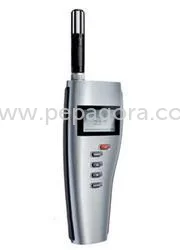
These handheld devices are ideal for fieldwork, offering convenience and ease of use. They typically feature robust design and quick response times for on-the-go measurements.
Digital Dew Point Monitors
These advanced devices provide highly accurate readings of dew point temperature and can include data logging capabilities. They are essential in environments where precise humidity control is critical.
Fixed Installation Meters
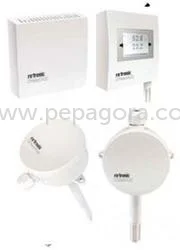
Designed for continuous monitoring in industrial settings, these meters can be integrated into existing HVAC systems or control panels for real-time data tracking.
𝗕𝗲𝗻𝗲𝗳𝗶𝘁𝘀 𝗮𝗻𝗱 𝗔𝗱𝘃𝗮𝗻𝘁𝗮𝗴𝗲𝘀
Humidity and dew point meters offer numerous advantages that enhance operational efficiency and product quality.
1. Improved Product Quality: Accurate humidity measurements help maintain product integrity, especially in sensitive industries like food and pharmaceuticals.
2. Energy Efficiency: In HVAC systems, these meters help optimize energy consumption by maintaining ideal humidity levels.
3. Compliance Assurance: Many industries require adherence to specific humidity standards, making these meters essential for regulatory compliance.
4. Enhanced Process Control: Real-time monitoring allows for quick adjustments to processes, minimizing waste and improving productivity.
5. Cost Savings: By optimizing conditions and preventing damage, these meters can lead to significant cost reductions over time.
6. Increased Safety: In environments where moisture levels can lead to hazards, these meters help maintain safe operational conditions.
𝗕𝘂𝘆𝗶𝗻𝗴 𝗚𝘂𝗶𝗱𝗲 𝗳𝗼𝗿 𝗕𝟮𝗕 𝗕𝘂𝘆𝗲𝗿𝘀
When sourcing humidity and dew point meters, several factors should be considered to ensure a suitable purchase.
1. Quality Assessment: Look for meters from reputable manufacturers that meet industry standards. Check for customer reviews and product performance ratings.
2. Supplier Verification: Vet suppliers by checking their credentials, certifications, and customer feedback to ensure reliability and service quality.
3. Pricing and MOQ: Understand the typical price range and minimum order quantities to align with your budget and purchasing needs.
4. Delivery and Lead Times: Discuss logistics with suppliers to ensure timely delivery, especially if you are under tight project deadlines.
5. Compliance Requirements: Ensure that the meters meet all relevant compliance and regulatory standards for your industry to avoid potential issues.
𝗖𝗼𝗺𝗽𝗹𝗶𝗮𝗻𝗰𝗲 𝗮𝗻𝗱 𝗖𝗲𝗿𝘁𝗶𝗳𝗶𝗰𝗮𝘁𝗶𝗼𝗻𝘀
Compliance and certifications are crucial aspects when selecting humidity and dew point meters. Many manufacturers adhere to quality standards such as ISO 9001, which ensures that products are consistently manufactured to meet quality benchmarks.
Industry-specific certifications like CE indicate that the meters comply with European safety and health requirements. Testing for safety is also essential, ensuring that devices are reliable and safe to use in various environments.
Regional compliance considerations may vary, so it is important to check local regulations that pertain to your industry to ensure complete adherence.
𝗪𝗵𝘆 𝗦𝗼𝘂𝗿𝗰𝗲 𝗛𝘂𝗺𝗶𝗱𝗶𝘁𝘆 & 𝗗𝗲𝘄 𝗣𝗼𝗶𝗻𝘁 𝗠𝗲𝘁𝗲𝗿𝘀 𝗳𝗿𝗼𝗺 𝗣𝗲𝗽𝗮𝗴𝗼𝗿𝗮?
Pepagora offers a trusted platform for sourcing humidity and dew point meters, providing several key advantages for B2B buyers.
Verified Supplier Network: Pepagora connects buyers with a network of verified suppliers, ensuring that each vendor meets stringent quality and reliability standards.
Streamlined RFQ Process: The request for quotation process is designed to be straightforward, allowing buyers to easily compare multiple offers and make informed decisions.
Trade Assurance and Support: Buyers are protected by trade assurance policies that guarantee product quality and timely delivery, instilling confidence in each purchase.
Regional Coverage: With a strong presence in India, the GCC, and Southeast Asia, Pepagora facilitates access to a diverse range of products and suppliers, catering to various regional needs.
Newly Added


Recently Added
Electronic Systems Tech
Industrial Safety Portable Gas Analyzer For Real Time Multi Gas Detection
Biogas Analyzer for Methane CH4 Carbon Dioxide CO2 Hydrogen Sulfide H2S
Industrial NDIR Gas Analyzer For Emission Monitoring And Process Control
Vigital India
Industrial Automation 14CE Series Limit Switch Compact Enclosed IP67
Industrial Automation SL1 Series Limit Switch 20M+ Operations
Industrial Automation LS Series Limit Switch IP67 Rated, UL/CSA/EN/GB Certified
Auro Electronics India Private Limited
Watermark Adapters For Watch Dog Soil Moisture Sensor Integration
Agricultural ET Gauges for Precision Irrigation and Water Efficiency
Agricultural Irrigation On/Off Sensors For Soil Moisture Monitoring
Ace Instruments
Industrial Flameproof Pressure Indicators For Hazardous Ex Proof Environments
Hospital Clocks Premium Accuracy Durability Clear Visibility
Precision GPS Clocks For Network Time Synchronization
Everflow Scientific Instruments
Lab UV Spectrophotometer For Absorbance Transmission Concentration Analysis
Industrial pH Meter with Auto Calibration and Self Diagnostics
Industrial Bimetallic Thermograph For Precise Temperature Recording
B. E. P. Edu World
Child CPR Training Manikin with Light Indicators for Medical Education
Nurse Basic Practice Teaching Model BEP 405 5 Part Anatomical Training Tool
CPR Training Manikin with Electronic Monitoring Meets AHA Standards
Jupiter Integrated Sensor System Pvt Ltd
HVAC Building Automation Asense CO2 Transmitter Duct Mounted Temperature Sensor
Industrial CO2 Transmitter Handheld Portable Air Quality Monitor
Commercial CO2 Transmitter For HVAC Air Quality Monitoring
AVS Engineering Co
Premium Nickel Catalyst For Hydrogenation And Desulfurization
Industrial Palladium Catalyst For Hydrogenation Oxidation Chemical Synthesis
Industrial Control Valve For Flow And Pressure Regulation In Oil And Gas
Askib Engineers Private Limited
Industrial Brinell Microscope 25X Magnification 0.01mm LC NABL Certified
NABL Certified Rubber Bellows for Hardness Testers 8 Inch 12 Inch
NABL Certified Steel Ball Indentors For Rockwell Brinell Hardness Testers
Jaycee Technologies Pvt Ltd
Industrial Digital Microwave Moisture Meter Flush Mount Real Time
Industrial Diaphragm And Point Level Switches For Liquid And Solid Detection
Industrial Electromagnetic And Ultrasonic Flow Meters For Fluid Measurement
Why Businesses Trust Pepagora
Thousands of companies trust Pepagora to source smarter and sell faster
Expand Your Sales Globally
25000+Products listed.Get discovered by global buyers
Tools to boost visibility
Build your own catalog

Source Smarter,Grow Faster
4000+Active RFQs
100+ Countries served
Easy Sourcing Tools
