
 IN
INundefined
Hulling & Shelling Machines
1 products available
𝗪𝗵𝗮𝘁 𝗮𝗿𝗲 𝗛𝘂𝗹𝗹𝗶𝗻𝗴 & 𝗦𝗵𝗲𝗹𝗹𝗶𝗻𝗴 𝗠𝗮𝗰𝗵𝗶𝗻𝗲𝘀?
Hulling and shelling machines are industrial equipment designed to remove the outer layers of seeds and nuts. These machines operate by applying mechanical force to separate the hull or shell from the edible part of the product. The process is essential for preparing various agricultural products for further processing or consumption. Hulling and shelling machines are widely used in food processing industries to ensure high efficiency and quality in the production line.
These machines primarily serve businesses involved in the processing of grains, legumes, nuts, and seeds. By automating the hulling and shelling process, companies can significantly increase their output while minimizing labor costs. Industries such as agriculture, food manufacturing, and snacks production benefit from these machines, as they enhance productivity and ensure a consistent quality of the final products. In today's market, as food safety and production efficiency become increasingly important, hulling and shelling machines remain a vital component in the supply chain.
𝗞𝗲𝘆 𝗙𝗲𝗮𝘁𝘂𝗿𝗲𝘀 𝗮𝗻𝗱 𝗦𝗽𝗲𝗰𝗶𝗳𝗶𝗰𝗮𝘁𝗶𝗼𝗻𝘀
Hulling and shelling machines come equipped with several features designed to enhance their performance and efficiency. Understanding these specifications is crucial for businesses considering these machines for their operations.
Key specifications include:
1. Capacity
- The machine's output capacity, typically measured in kilograms per hour, determines how much product can be processed.
2. Power Consumption
- The energy required to operate the machine, often specified in kilowatts, impacts operational costs.
3. Dimension
- The physical size of the machine, including length, width, and height, is important for space planning.
4. Material of Construction
- Common materials include stainless steel and high-grade alloys, which ensure durability and food safety.
5. Automation Level
- Machines may feature manual, semi-automated, or fully automated operations, influencing labor requirements.
6. Maintenance Requirements
- The ease of maintenance can vary, dictating operational downtime and service frequency.
7. Noise Levels
- Operating noise levels are a consideration for workplace safety and comfort.
8. Safety Features
- Safety mechanisms, such as emergency stop buttons and guards, ensure safe operation for users.
In summary, understanding the key specifications of hulling and shelling machines allows buyers to choose equipment that best fits their processing needs and operational requirements.
𝗖𝗼𝗺𝗺𝗼𝗻 𝗔𝗽𝗽𝗹𝗶𝗰𝗮𝘁𝗶𝗼𝗻𝘀 𝗮𝗻𝗱 𝗨𝘀𝗲 𝗖𝗮𝘀𝗲𝘀
Hulling and shelling machines are versatile tools used across various industries.
This product serves various industries:
1. Agriculture: Hulling machines are used for processing grains such as rice and barley, enhancing yield and efficiency in grain production.
2. Food Manufacturing: These machines are essential in the snack food industry for shelling nuts and seeds, ensuring quality control in the final products.
3. Oil Extraction: In the oil industry, hulling machines prepare seeds like sunflower and soybean for extraction, improving oil yield.
4. Legume Processing: Hulling machines are used to process legumes such as peas and lentils, making them ready for packaging and sale.
5. Confectionery: In the confectionery sector, these machines help in preparing nut-based ingredients, ensuring consistent quality for sweet products.
6. Animal Feed: Hulling and shelling machines aid in processing grains and seeds for animal feed, contributing to efficient livestock production.
𝗣𝗿𝗼𝗱𝘂𝗰𝘁 𝗩𝗮𝗿𝗶𝗮𝗻𝘁𝘀 𝗮𝗻𝗱 𝗦𝘂𝗯𝗰𝗮𝘁𝗲𝗴𝗼𝗿𝗶𝗲𝘀
Hulling and shelling machines offer a range of options to meet diverse industrial needs.
High-Capacity Hulling Machines
These machines are designed for large-scale operations, processing significant volumes of grains and seeds efficiently. They often come with advanced automation features to reduce labor costs.
Compact Shelling Machines
Ideal for smaller operations or businesses with limited space, these machines provide essential hulling and shelling functions without occupying much floor area.
Multi-Purpose Hulling Machines
These versatile machines can handle various seeds and nuts, making them suitable for businesses looking to diversify their product range.
𝗕𝗲𝗻𝗲𝗳𝗶𝘁𝘀 𝗮𝗻𝗱 𝗔𝗱𝘃𝗮𝗻𝘁𝗮𝗴𝗲𝘀
Hulling and shelling machines provide numerous advantages to businesses in various sectors.
Key benefits include:
1. Increased Efficiency: Automation reduces manual labor, allowing for higher output and quicker processing times.
2. Enhanced Quality: Consistent processing leads to uniform quality in the final product, increasing customer satisfaction.
3. Cost Savings: Reduced labor costs and increased production efficiency contribute to overall operational savings.
4. Versatility: These machines can handle a variety of seeds and nuts, making them adaptable for different product lines.
5. Improved Safety: Modern machines come equipped with safety features that protect operators during operation.
6. Easy Maintenance: Many hulling and shelling machines are designed for straightforward maintenance, minimizing downtime.
𝗕𝘂𝘆𝗶𝗻𝗴 𝗚𝘂𝗶𝗱𝗲 𝗳𝗼𝗿 𝗕𝟮𝗕 𝗕𝘂𝘆𝗲𝗿𝘀
When sourcing hulling and shelling machines, it is essential to consider several critical factors to ensure a smart purchase.
1. Quality Assessment: Evaluate the machine's build quality and construction materials to ensure durability and compliance with industry standards.
2. Supplier Verification: Research potential suppliers for reliability and reputation in the market. Check for reviews and references from previous customers.
3. Pricing and MOQ: Understand the pricing structure and minimum order quantities to align with your budget and operational needs.
4. Delivery and Lead Times: Discuss logistics with suppliers to understand delivery schedules and lead times, ensuring timely production capabilities.
5. Compliance Requirements: Ensure that the machines meet all relevant industry regulations and certifications for safety and quality.
𝗖𝗼𝗺𝗽𝗹𝗶𝗮𝗻𝗰𝗲 𝗮𝗻𝗱 𝗖𝗲𝗿𝘁𝗶𝗳𝗶𝗰𝗮𝘁𝗶𝗼𝗻𝘀
Hulling and shelling machines must adhere to various quality standards to ensure safety and reliability in operation. Key standards include ISO 9001, which outlines quality management systems, and HACCP, a critical component in food safety management. Additionally, industry certifications such as CE and UL are essential for demonstrating compliance with safety and performance benchmarks.
Manufacturers must also ensure that their machines undergo rigorous testing to meet safety requirements. This includes checks for electrical safety and mechanical integrity. Regional compliance considerations may vary, so it's vital for businesses to be aware of local regulations governing food processing machinery.
𝗪𝗵𝘆 𝗦𝗼𝘂𝗿𝗰𝗲 𝗛𝘂𝗹𝗹𝗶𝗻𝗴 & 𝗦𝗵𝗲𝗹𝗹𝗶𝗻𝗴 𝗠𝗮𝗰𝗵𝗶𝗻𝗲𝘀 𝗳𝗿𝗼𝗺 𝗣𝗲𝗽𝗮𝗴𝗼𝗿𝗮?
Pepagora provides a trusted platform for sourcing hulling and shelling machines with several key advantages.
Verified Supplier Network: Pepagora connects buyers with a network of verified suppliers, ensuring that businesses can source high-quality machines from reputable manufacturers.
Streamlined RFQ Process: The platform offers a simplified request for quotation (RFQ) process, making it easier for buyers to obtain competitive pricing and product information.
Trade Assurance and Support: Pepagora provides trade assurance and support, ensuring buyer protection during the sourcing process and fostering confidence in transactions.
Regional Coverage: With a strong presence in India, the GCC, and Southeast Asia, Pepagora offers extensive regional coverage, facilitating access to local suppliers and resources for buyers in these markets.
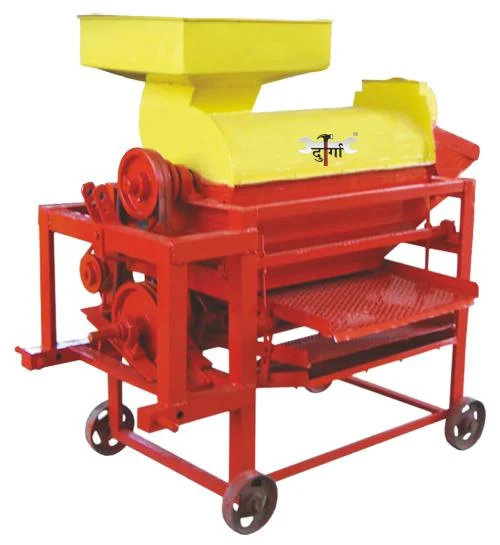


Recently Added
Sri Balaji Industries
Industrial Supari Betel Nut Cutting Machine High Speed Precision Stainless Steel
Agricultural Processing Maize Dehusker Efficient High Throughput
Industrial Maize Thresher 4000 Kg/Hr High Efficiency 10 35HP
Why Businesses Trust Pepagora
Thousands of companies trust Pepagora to source smarter and sell faster
Expand Your Sales Globally
25000+Products listed.Get discovered by global buyers
Tools to boost visibility
Build your own catalog

Source Smarter,Grow Faster
4000+Active RFQs
100+ Countries served
Easy Sourcing Tools
