
 IN
INundefined
Hot Rolling Mills
36 products available
𝗪𝗵𝗮𝘁 𝗮𝗿𝗲 𝗛𝗼𝘁 𝗥𝗼𝗹𝗹𝗶𝗻𝗴 𝗠𝗶𝗹𝗹𝘀?
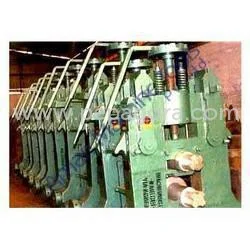
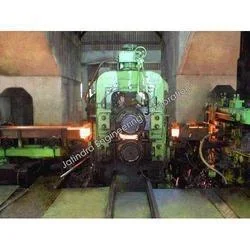
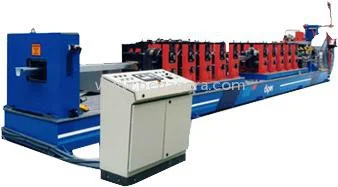
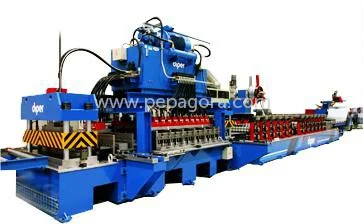
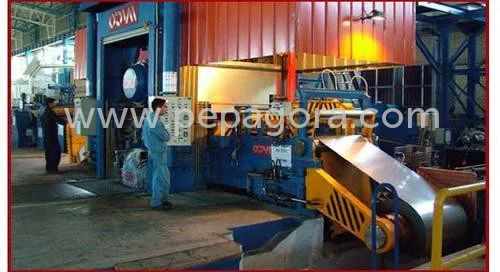
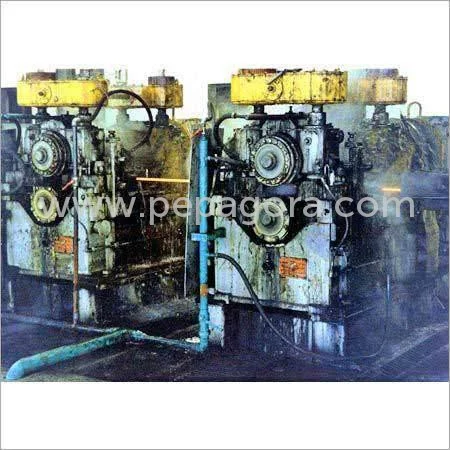
Hot rolling mills are industrial machines used for shaping and processing metal at high temperatures. These mills operate by rolling heated metal billets or slabs through a series of rollers to create desired shapes and sizes. The heat allows the metal to deform more easily, enabling efficient production of various products such as sheets, plates, and sections. Hot rolling is a critical process in the metalworking industry, facilitating the transformation of raw materials into usable forms.
The primary applications of hot rolling mills include the production of structural steel, automotive components, and a range of other metal products. Industries such as construction, manufacturing, and automotive heavily rely on hot-rolled products due to their strength and durability. The relevance of hot rolling mills extends across global markets, as they play a crucial role in meeting the ongoing demand for metals in various sectors.
𝗞𝗲𝘆 𝗙𝗲𝗮𝘁𝘂𝗿𝗲𝘀 𝗮𝗻𝗱 𝗦𝗽𝗲𝗰𝗶𝗳𝗶𝗰𝗮𝘁𝗶𝗼𝗻𝘀
Hot rolling mills come with several essential features and specifications that enhance their performance and efficiency. These mills are designed to handle large volumes of metal and can produce a variety of shapes and sizes. Key specifications include:
1. Roll Diameter
- Typically ranges from 500 mm to 1200 mm
- Influences the thickness and width of the rolled products
2. Maximum Rolling Temperature
- Generally between 1000°C and 1300°C
- Ensures optimal malleability of the metal during processing
3. Mill Speed
- Typical speeds range from 1 to 5 meters per second
- Affects production efficiency and product quality
4. Power Consumption
- Varies based on mill size and production capacity
- Usually between 300 kW and 2000 kW
5. Dimensions and Weight
- Size depends on the mill type and capacity
- Can weigh from several tons to over 100 tons
6. Automation Level
- Can range from manual to fully automated systems
- Affects operational efficiency and labor costs
7. Material Handling System
- Includes conveyors and feeders for efficient material flow
- Designed for ease of operation and minimal downtime
8. Control Systems
- Advanced systems for monitoring temperature, speed, and pressure
- Enhances precision and quality control in production
In summary, the specifications of hot rolling mills are designed to optimize production capabilities, ensuring that they meet the diverse needs of various industries.
𝗖𝗼𝗺𝗺𝗼𝗻 𝗔𝗽𝗽𝗹𝗶𝗰𝗮𝘁𝗶𝗼𝗻𝘀 𝗮𝗻𝗱 𝗨𝘀𝗲 𝗖𝗮𝘀𝗲𝘀
Hot rolling mills serve a wide range of industries, each with specific applications that benefit from the properties of hot-rolled products.
1. Construction: Hot rolled steel is commonly used in building structures, bridges, and other infrastructure projects due to its strength and durability.
2. Automotive: The automotive industry utilizes hot-rolled components for manufacturing parts such as chassis, frames, and body panels, ensuring lightweight yet strong materials.
3. Shipbuilding: Hot rolled plates and sections are essential in the construction of ships and marine vessels, providing the necessary structural integrity.
4. Railways: Hot rolling is used to produce rails and other components for railway systems, ensuring high performance and safety standards.
5. Energy: The energy sector requires hot rolled materials to manufacture equipment used in power generation and distribution.
6. Manufacturing: Various manufacturing processes rely on hot-rolled metals for creating machinery, tools, and other industrial components.
7. Aerospace: Hot rolled materials are employed in the production of aircraft components, where strength and weight considerations are critical.
𝗣𝗿𝗼𝗱𝘂𝗰𝘁 𝗩𝗮𝗿𝗶𝗮𝗻𝘁𝘀 𝗮𝗻𝗱 𝗦𝘂𝗯𝗰𝗮𝘁𝗲𝗴𝗼𝗿𝗶𝗲𝘀
Hot rolling mills come in various configurations to meet specific production needs. Each variant offers unique features and applications.
Continuous Rolling Mill: This type of mill allows for uninterrupted production of long products like bars and rods. It is characterized by its ability to maintain a consistent output and reduce processing time.
Reversing Mill: A reversing mill is designed to roll metal in both directions, allowing for the adjustment of thickness and size. This variant is ideal for producing smaller quantities or specialized products.
𝗕𝗲𝗻𝗲𝗳𝗶𝘁𝘀 𝗮𝗻𝗱 𝗔𝗱𝘃𝗮𝗻𝘁𝗮𝗴𝗲𝘀
The benefits of using hot rolling mills are significant for businesses in metal processing.
1. Increased Efficiency: Hot rolling mills facilitate faster production rates, reducing lead times and increasing throughput.
2. Enhanced Metal Properties: The high temperatures involved in hot rolling improve the mechanical properties of metals, making them more suitable for various applications.
3. Cost-Effectiveness: The ability to process large quantities of metal at once lowers production costs and improves overall profitability.
4. Versatility: Hot rolling mills can produce a wide range of products, allowing manufacturers to diversify their offerings.
5. Improved Surface Finish: Hot rolled products often have better surface finishes compared to cold-rolled alternatives, making them more appealing for certain applications.
6. Customization: Many hot rolling mills can be tailored to meet specific production requirements, ensuring that businesses get the exact specifications they need.
𝗕𝘂𝘆𝗶𝗻𝗴 𝗚𝘂𝗶𝗱𝗲 𝗳𝗼𝗿 𝗕𝟮𝗕 𝗕𝘂𝘆𝗲𝗿𝘀
When sourcing hot rolling mills, it is essential for buyers to consider several critical factors to ensure they make informed decisions.
1. Quality Assessment: Evaluate the quality of materials and manufacturing processes used in the mills. Look for certifications such as CE to ensure compliance with industry standards.
2. Supplier Verification: Vet potential suppliers by checking their reputation, experience, and customer feedback. Ensure they have a reliable track record in providing hot rolling mills.
3. Pricing and MOQ: Understand the pricing structure and minimum order quantities. Compare quotes from multiple suppliers to find the best value without compromising quality.
4. Delivery and Lead Times: Discuss logistics and expected delivery times with suppliers. Ensure they can meet your production schedules and timelines.
5. Compliance Requirements: Be aware of any regional compliance and safety standards that the hot rolling mills must meet. This ensures that the equipment is safe and legally compliant for use in your operations.
𝗖𝗼𝗺𝗽𝗹𝗶𝗮𝗻𝗰𝗲 𝗮𝗻𝗱 𝗖𝗲𝗿𝘁𝗶𝗳𝗶𝗰𝗮𝘁𝗶𝗼𝗻𝘀
Compliance and certifications are vital in the hot rolling mill industry. Manufacturers should adhere to relevant quality standards such as ISO 9001, which ensures consistent quality management practices. Additionally, CE certification is crucial for products sold in European markets, indicating that they meet safety and environmental requirements.
Safety and testing requirements are also essential aspects of compliance. Hot rolling mills must undergo rigorous testing to ensure they operate safely and efficiently under designated conditions.
Regional compliance considerations may vary, so it is essential for manufacturers to stay updated on local regulations and standards that may impact the operation of hot rolling mills in different markets.
𝗪𝗵𝘆 𝗦𝗼𝘂𝗿𝗰𝗲 𝗛𝗼𝘁 𝗥𝗼𝗹𝗹𝗶𝗻𝗴 𝗠𝗶𝗹𝗹𝘀 𝗳𝗿𝗼𝗺 𝗣𝗲𝗽𝗮𝗴𝗼𝗿𝗮?
Pepagora offers a trusted platform for sourcing hot rolling mills, providing several key advantages to buyers.
Verified Supplier Network: Pepagora has a robust network of verified suppliers, ensuring that buyers can access reputable manufacturers with a history of quality and reliability.
Streamlined RFQ Process: The platform simplifies the request for quotation process, allowing buyers to receive competitive quotes from multiple suppliers quickly. This efficiency helps in making timely purchasing decisions.
Trade Assurance and Support: Buyers benefit from trade assurance programs that protect their investments. Pepagora offers buyer support to resolve any issues that may arise during the purchasing process.
Regional Coverage: With a presence in India, GCC, and Southeast Asia, Pepagora provides extensive regional coverage, connecting buyers with local suppliers and facilitating easier transactions. This geographic reach enhances accessibility and reduces logistical challenges for B2B buyers.
Newly Added


Recently Added
Bearings International Co.
Industrial Automation Linear Motion Bearings Premium Durable Corrosion Resistant
Industrial Automation Linear Motion Shafts High Strength Wear Resistant
Industrial Cast Nylon Components Up To 1200 OD For
Duurrgman Engineering Co.
Scaffolding Systems Premium Drop Forged Swivel Couplers Q235 Steel Electro Plated
Premium Forged Mill Rolls For Heavy Duty Metal Rolling Mills
Industrial Machine Forged Rolls For High Performance Reliability
Bharat Machine Tools
Professional Jewelry Making Tools For Suppliers And Artisans
Industrial Upright Drills For Apparel Manufacturing Precision Stitching
Professional Jewellery Drilling Machines for Gold Silver Gemstones Precision
Adarsh Plastic House
Industrial Rubber Rings For Sealing In 0.5 4 Inch Sizes
Industrial Rubber Rings For Sealing Durability In Extreme Conditions
Premium LD Black Plastic Nursery Bags with Side Gussets for Healthy Plant Growth
G S Bamrah Industries
Premium Backup Roll Chokes For Rolling Mills 200 800mm Bearing
Industrial High Torque Reduction Gear Box For Heavy Machinery
Premium Stackle Mills Spares High Quality Replacement Parts
Powercon Superheat Pvt Ltd
Industrial Bar And Billet Induction Heaters For Forging, Extrusion, Rolling
Industrial HFT Induction Coils For Heating Hardening Annealing Brazing
Premium Induction Melting Furnaces For Foundries And Steel Plants
P P Rolling Mills Manufacturing Co Pvt Ltd
Industrial Gear Boxes Premium Bronze Iron Steel Power Transmission
Industrial Reduction Gearbox High Torque Overload Resistance Durable
Industrial Helical Gearboxes High Torque Durable Power Transmission
Vimal Alloys Pvt Ltd
Vimal Alloys SS Castings HN Grade Shakers Hearth Trays Turbine Components
Premium Rolling Mills, Rolls, And Rings For Industrial Metal Forming
Industrial Alloy Steel Base Rolls Adamite Cr Ni Mo Wear Resistance
Apex Gear Craft
Industrial Machinery Parts For Construction And Manufacturing Sectors
Industrial Metal V Belt Pulleys For Power Transmission Systems
Industrial Automation Precision Metal Timing Pulleys For Power Transmission
Tecmax Electronics
Industrial Oil Cooled Servo Stabilizer 75kVA 500kVA 3 Phase Voltage Regulation
Industrial Servo Stabilizer 3KVA To 75KVA Air Cooled Voltage Regulation
Industrial SCR Voltage Regulator with LCD Display, 98% Efficiency, MCU Control
Why Businesses Trust Pepagora
Thousands of companies trust Pepagora to source smarter and sell faster
Expand Your Sales Globally
25000+Products listed.Get discovered by global buyers
Tools to boost visibility
Build your own catalog

Source Smarter,Grow Faster
4000+Active RFQs
100+ Countries served
Easy Sourcing Tools
