
 IN
INundefined
Hospital Tables
19 products available
𝗪𝗵𝗮𝘁 𝗮𝗿𝗲 𝗛𝗼𝘀𝗽𝗶𝘁𝗮𝗹 𝗧𝗮𝗯𝗹𝗲𝘀?
Hospital tables are specialized furniture designed for use in medical environments. They are essential in providing support for various medical procedures and are often adjustable to accommodate different patient needs and medical tasks. These tables can range from simple bedside tables to more complex surgical tables that allow for a variety of positioning options. Constructed with durable materials, they are designed to withstand the rigors of a medical facility while maintaining cleanliness and sterility.
The primary uses of hospital tables include facilitating patient examinations, surgical procedures, and recovery processes. They are commonly found in hospitals, clinics, and care facilities, serving both patients and healthcare professionals. Hospital tables can also play a crucial role in patient comfort and accessibility, ensuring that medical staff can work efficiently and safely. Their relevance in the healthcare industry is underscored by the continuous innovation in design and functionality to meet evolving healthcare standards and practices.
As healthcare demands grow, the market for hospital tables has expanded, with increasing emphasis on ergonomics, safety, and versatility. Manufacturers are continuously updating their offerings to incorporate advanced features that enhance usability and patient care. This competitive landscape drives improvements in technology, ensuring that hospital tables meet the high standards required in modern medical practices.
𝗞𝗲𝘆 𝗙𝗲𝗮𝘁𝘂𝗿𝗲𝘀 𝗮𝗻𝗱 𝗦𝗽𝗲𝗰𝗶𝗳𝗶𝗰𝗮𝘁𝗶𝗼𝗻𝘀
Hospital tables come equipped with various features that enhance their functionality and usability in medical settings. Understanding these specifications can help in selecting the right tables for specific applications.
Key specifications include:
1. Adjustability
- Many hospital tables feature adjustable height settings.
- This allows for customization based on patient needs and medical procedures.
2. Load Capacity
- Hospital tables are built to support various weights, typically ranging from 150 to 300 kilograms.
- This ensures stability and safety during use.
3. Material Composition
- Most tables are made from high-quality, easy-to-clean materials such as stainless steel or high-grade plastic.
- This helps maintain hygiene standards in medical environments.
4. Surface Dimensions
- The dimensions of table surfaces vary, usually between 60 cm to 90 cm in width and 120 cm to 200 cm in length.
- This range accommodates different types of medical procedures.
5. Mobility Features
- Many hospital tables come with wheels for easy movement.
- Locking mechanisms ensure stability when the table is in use.
6. Safety Mechanisms
- Integrated safety features, such as rounded edges and non-slip surfaces, are common.
- These design elements minimize the risk of accidents.
7. Compatibility with Accessories
- Some tables are designed to work with additional medical equipment such as IV poles and trays.
- This enhances their functionality during patient care.
8. Compliance with Standards
- Many hospital tables meet international safety and quality standards, including CE certification.
- This ensures they are reliable for use in healthcare settings.
In summary, hospital tables are versatile and essential pieces of equipment in medical facilities. Their features and specifications cater to the demands of patient care and operational efficiency.
𝗖𝗼𝗺𝗺𝗼𝗻 𝗔𝗽𝗽𝗹𝗶𝗰𝗮𝘁𝗶𝗼𝗻𝘀 𝗮𝗻𝗱 𝗨𝘀𝗲 𝗖𝗮𝘀𝗲𝘀
Hospital tables are utilized across a variety of medical environments and serve multiple purposes.
1. Surgical Units: In surgical settings, specialized tables support various procedures, allowing for optimal positioning of patients and surgical tools.
2. Examination Rooms: Standard hospital tables are commonly used in examination rooms for patient assessments and consultations, enabling healthcare providers to perform necessary evaluations comfortably.
3. Recovery Areas: Post-operative recovery areas utilize hospital tables for patients as they awaken from anesthesia, providing a stable surface for monitoring and care.
4. Emergency Departments: In emergency rooms, tables facilitate quick assessments and treatments, often accommodating multiple medical devices and personnel.
5. Rehabilitation Centers: Rehabilitation facilities use adjustable tables for therapy sessions, allowing practitioners to engage patients in a comfortable and effective manner.
6. Pediatric Clinics: Specialized tables designed for children ensure safety and comfort during examinations and treatments, catering to the unique needs of younger patients.
7. Outpatient Facilities: In outpatient settings, hospital tables support a range of procedures, from minor surgeries to routine check-ups, enhancing patient throughput and efficiency.
𝗣𝗿𝗼𝗱𝘂𝗰𝘁 𝗩𝗮𝗿𝗶𝗮𝗻𝘁𝘀 𝗮𝗻𝗱 𝗦𝘂𝗯𝗰𝗮𝘁𝗲𝗴𝗼𝗿𝗶𝗲𝘀
Hospital tables come in various designs and configurations to meet diverse medical needs.
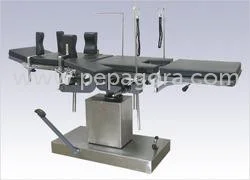
Surgical Tables
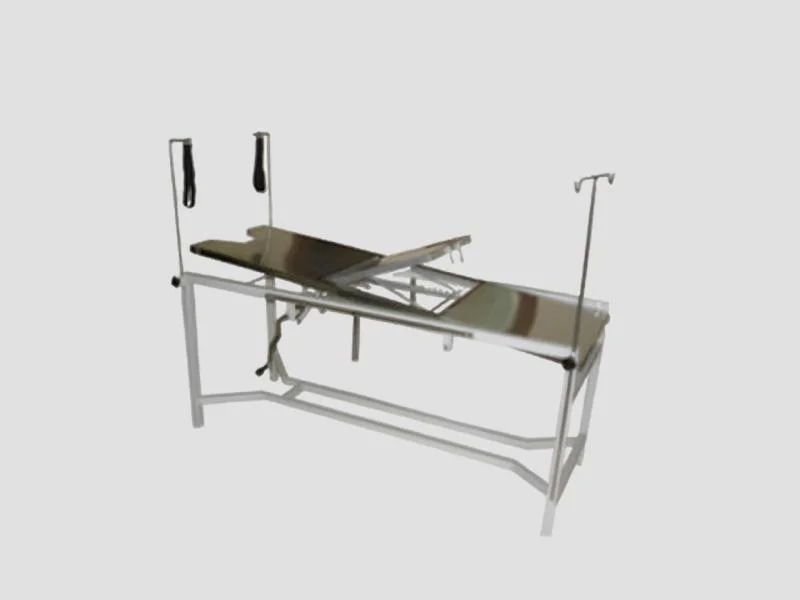
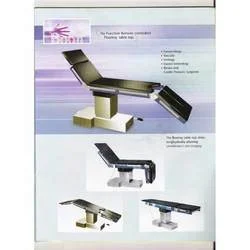
These tables are engineered for operating rooms and feature intricate adjustment mechanisms. They allow for precise positioning during complex surgical procedures and often include built-in safety features.
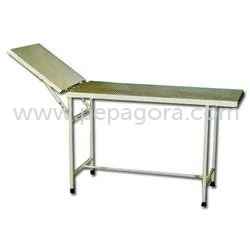
Examination Tables
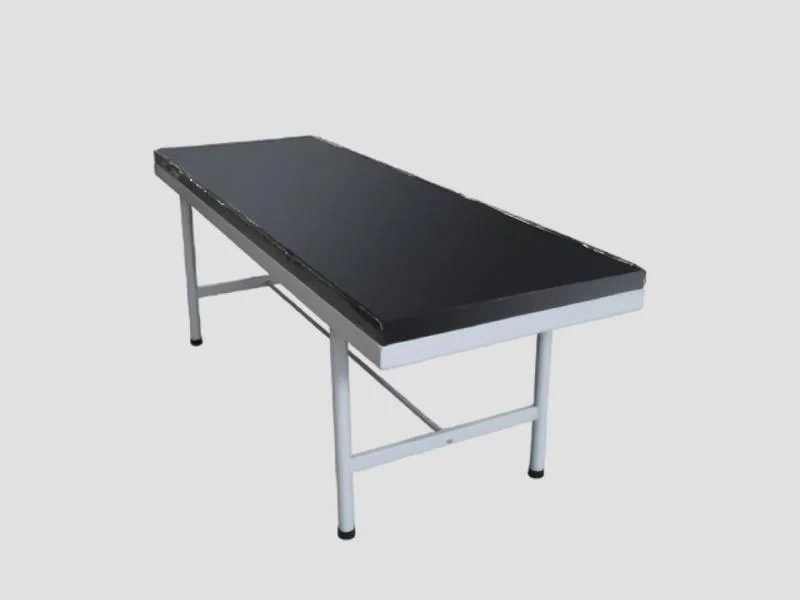
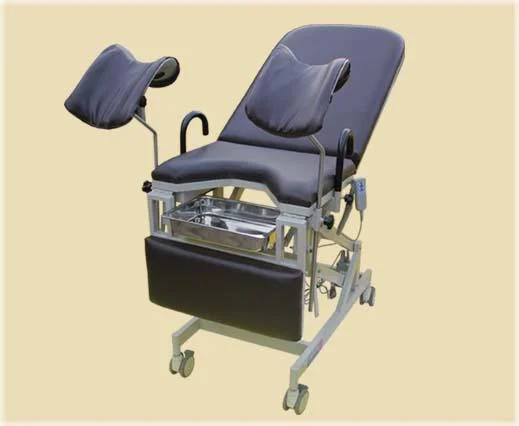
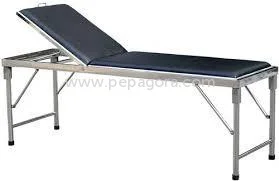
Typically used in clinics and outpatient facilities, examination tables are designed for patient assessments. They often include adjustable backrests and storage compartments for medical supplies.
Treatment Tables
These tables are utilized in physical therapy and rehabilitation settings. They provide a stable surface for treatments and often have adjustable heights to accommodate different therapy techniques.
𝗕𝗲𝗻𝗲𝗳𝗶𝘁𝘀 𝗮𝗻𝗱 𝗔𝗱𝘃𝗮𝗻𝘁𝗮𝗴𝗲𝘀
Hospital tables offer numerous advantages that enhance medical practices and patient care.
1. Increased Efficiency: Adjustable tables allow healthcare professionals to work at optimal heights, reducing strain and improving workflow.
2. Enhanced Patient Comfort: Many tables are designed with patient comfort in mind, featuring padded surfaces and ergonomic designs that support longer procedures.
3. Improved Safety: Safety features such as non-slip surfaces and sturdy construction minimize the risk of accidents in fast-paced medical environments.
4. Versatile Use: With various designs available, hospital tables can be utilized for multiple purposes, from examinations to surgical procedures.
5. Easy Maintenance: Most hospital tables are made from materials that are easy to clean and disinfect, helping to maintain hygiene standards.
6. Compliance with Standards: Many tables meet industry certifications, ensuring they are safe and reliable for use in healthcare settings.
𝗕𝘂𝘆𝗶𝗻𝗴 𝗚𝘂𝗶𝗱𝗲 𝗳𝗼𝗿 𝗕𝟮𝗕 𝗕𝘂𝘆𝗲𝗿𝘀
When sourcing hospital tables, it is essential to consider several key factors to ensure the right selection.
1. Quality Assessment: Evaluate the quality of materials and construction. Look for tables that have been tested for durability and safety.
2. Supplier Verification: Conduct thorough research on potential suppliers. Verify their credentials and check customer reviews to ensure reliability.
3. Pricing and MOQ: Understand the pricing structure and minimum order quantities. Compare multiple suppliers to find the best value without compromising quality.
4. Delivery and Lead Times: Inquire about logistics and delivery schedules. Ensure that suppliers can meet your timeline requirements for urgent needs.
5. Compliance Requirements: Familiarize yourself with any regulatory standards applicable in your region. Ensure that the tables are certified and compliant with industry regulations.
𝗖𝗼𝗺𝗽𝗹𝗶𝗮𝗻𝗰𝗲 𝗮𝗻𝗱 𝗖𝗲𝗿𝘁𝗶𝗳𝗶𝗰𝗮𝘁𝗶𝗼𝗻𝘀
Hospital tables must adhere to strict quality and safety standards to ensure they are fit for use in medical environments. Relevant quality standards such as ISO 9001 ensure that manufacturers implement effective quality management systems. Compliance with HACCP and GDP guidelines is critical, especially in environments where hygiene is paramount.
Industry certifications like CE mark indicate that the products meet European health, safety, and environmental protection standards. Safety and testing requirements are essential, and manufacturers must conduct rigorous testing to comply with these regulations. Additionally, regional compliance considerations may vary, necessitating familiarity with local laws and standards to ensure full compliance.
𝗪𝗵𝘆 𝗦𝗼𝘂𝗿𝗰𝗲 𝗛𝗼𝘀𝗽𝗶𝘁𝗮𝗹 𝗧𝗮𝗯𝗹𝗲𝘀 𝗳𝗿𝗼𝗺 𝗣𝗲𝗽𝗮𝗴𝗼𝗿𝗮?
Pepagora provides a trusted platform for sourcing hospital tables, offering several key advantages that benefit B2B buyers.
Verified Supplier Network: Pepagora ensures that all suppliers in its network are thoroughly vetted. This verification process builds trust and assures buyers of quality products.
Streamlined RFQ Process: The Request for Quotation (RFQ) system simplifies the purchasing process. Buyers can easily compare quotes from multiple suppliers, saving time and effort.
Trade Assurance and Support: Pepagora offers trade assurance to protect buyers throughout the transaction process. This support helps mitigate risks and provides peace of mind.
Regional Coverage: With a strong presence in India, the GCC, and Southeast Asia, Pepagora caters to a broad geographic market. This regional coverage ensures buyers can find suitable suppliers for their specific needs.
Newly Added


Recently Added
Bash Elevators & Escalators Private Limited
Commercial Roomless Elevators With Permanent Magnet Motors
Industrial Escalators Heavy Duty For Airports Metros Railways
Luxury Glass Elevators Premium Architectural Capsule Lifts
Ahmed & Co
Premium Two Door Wardrobe Superior Wood Storage Almirah
Premium Glass Center And Tea Tables For Buyers
Queen Size Block Board Bed With Understorage For Hospitality And Residential
B. E. P. Edu World
Child CPR Training Manikin with Light Indicators for Medical Education
Nurse Basic Practice Teaching Model BEP 405 5 Part Anatomical Training Tool
CPR Training Manikin with Electronic Monitoring Meets AHA Standards
Ceeson Health Care
Manual ICU Bed with Four Function Adjustments for Critical Care
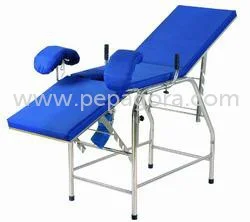
Medical Hydraulic Birthing Bed with Height and Position Adjustments
Medical Semi Fowler Hospital Bed With Steel Strip Board And Safety Castors
Beacon Engineering India Pvt Ltd
Industrial Hydraulic Lifts For Automotive Manufacturing Assembly
Industrial Hydraulic Stacker Lift For Warehouse Material Handling
Industrial Hydraulic Goods Lift For Heavy Duty Material Handling
Anmol Pharma Equipments
Industrial Conveyors For Material Handling: Durable & Efficient
Automated CIP Vessel Systems For Tanks, Mixers, Blenders & IBC Bins
Industrial Filling Vessels For Precise Liquid Dispensing In Pharma
Vardhman Electron Devices (A Division Of Jainsons (India) Regd )
Lab Veterinary Industrial 10ml Glass Syringe Autoclavable Chemically Resistant
Medical Veterinary Laboratory 100ml Glass Syringes Autoclavable
ICU Bed with Manual Crank Height Adjustment and Epoxy Coated Base
Science & Surgical
ICU Bed Premium Adjustable Safety Rails 2160mm L X 1015mm W X 600mm H
Hospital Bed Adjustable Four Section Stainless Steel Mattress 2010x910mm
General Hospital Bed Premium 1980x910x610 mm Mattress 1910x900 mm
Dharshini Steel Industries
Hospital Furniture Steel Work Station With Wheel Brake System
Hospital Equipment Steel Epoxy Coated Durable Medical Furniture
Commercial Office Furniture Steel Frame Modern Panel Design
Bharucha Associates
Medical Rehabilitation Aids Orthopedic Post Surgical Support Splints
Orthopedic Casting Tape High Strength Polyester Immobilization Splint
Premium Orthopedic Implants for Trauma Spine Joint Surgeries
Why Businesses Trust Pepagora
Thousands of companies trust Pepagora to source smarter and sell faster
Expand Your Sales Globally
25000+Products listed.Get discovered by global buyers
Tools to boost visibility
Build your own catalog

Source Smarter,Grow Faster
4000+Active RFQs
100+ Countries served
Easy Sourcing Tools
