
 IN
INundefined
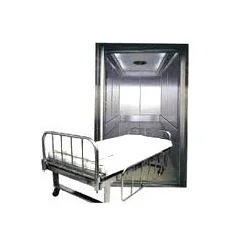
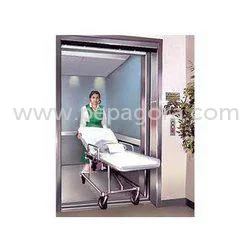
Hospital Bed Elevators
14 products available
𝗪𝗵𝗮𝘁 𝗮𝗿𝗲 𝗛𝗼𝘀𝗽𝗶𝘁𝗮𝗹 𝗕𝗲𝗱 𝗘𝗹𝗲𝘃𝗮𝘁𝗼𝗿𝘀?
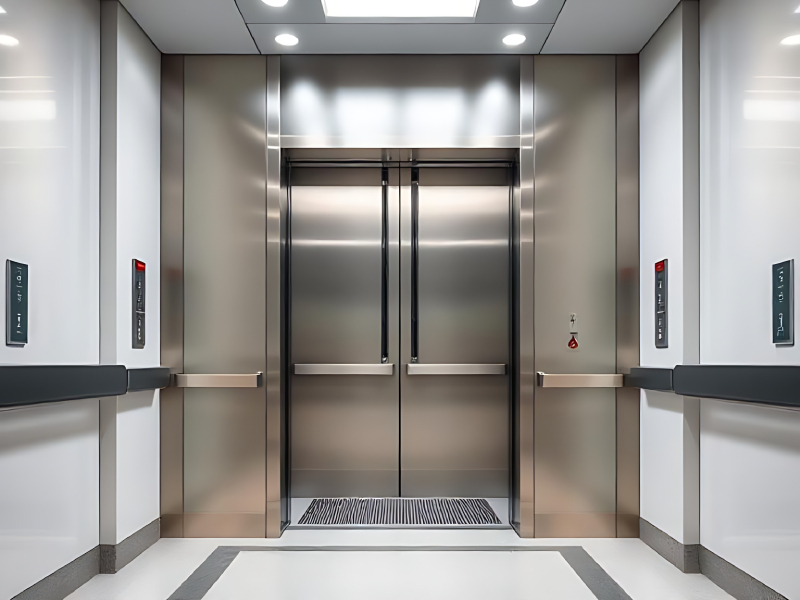
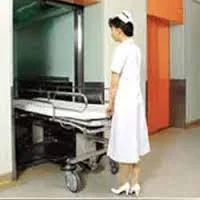
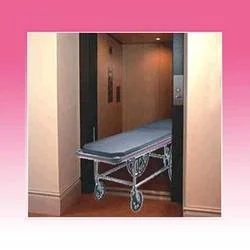
Hospital bed elevators are specialized lifting systems designed to transport patients safely and efficiently between different levels of a healthcare facility. These elevators are engineered to accommodate the dimensions and weight of hospital beds, ensuring smooth transitions for patients in various conditions. They often feature advanced safety mechanisms and controls that prioritize patient care and staff convenience.
The primary uses of hospital bed elevators include transporting patients from emergency rooms to surgical units, transferring them between floors during admissions or discharges, and moving beds for routine care and maintenance. They are crucial in ensuring that patients receive timely medical attention while minimizing the risk of accidents during transport. In today's healthcare environment, the relevance of hospital bed elevators is underscored by the increasing focus on patient safety, operational efficiency, and adherence to regulatory standards.
As hospitals expand and upgrade their facilities, the demand for reliable and efficient hospital bed elevators continues to grow. This trend is driven by the need for improved patient flow and the integration of advanced technology in healthcare infrastructure. With a variety of models and configurations available, hospital bed elevators are an essential component of modern medical facilities.
𝗞𝗲𝘆 𝗙𝗲𝗮𝘁𝘂𝗿𝗲𝘀 𝗮𝗻𝗱 𝗦𝗽𝗲𝗰𝗶𝗳𝗶𝗰𝗮𝘁𝗶𝗼𝗻𝘀
Hospital bed elevators are equipped with a range of advanced features designed to enhance safety, efficiency, and comfort during patient transport. These specifications ensure that the elevators meet the demands of busy hospital environments and adhere to strict safety regulations.
Key specifications include:
1. Load Capacity
- Typically ranges from 1,000 to 2,500 pounds
- Designed to accommodate various bed sizes and patient weights
2. Speed
- Average travel speed is around 100 to 150 feet per minute
- Ensures quick transport between floors to reduce patient wait times
3. Dimensions
- Cabin dimensions usually vary between 6 feet by 8 feet and 8 feet by 10 feet
- Sufficient space for hospital beds and accompanying medical staff
4. Safety Features
- Equipped with emergency stop buttons and backup power systems
- Includes safety sensors to prevent accidents during operation
5. Control Systems
- User-friendly control panels for easy operation by hospital staff
- Options for remote monitoring and control
6. Door Mechanism
- Automatic sliding doors to facilitate quick patient access
- Safety mechanisms to prevent doors from closing on patients
7. Compliance Standards
- Adheres to local and international safety regulations, including CE certification
- Regular testing and maintenance requirements
8. Customization Options
- Available in various configurations to meet specific hospital needs
- Options for interior finishes and control systems
In summary, hospital bed elevators combine advanced technology with stringent safety and operational requirements to provide reliable patient transport solutions in healthcare settings.
𝗖𝗼𝗺𝗺𝗼𝗻 𝗔𝗽𝗽𝗹𝗶𝗰𝗮𝘁𝗶𝗼𝗻𝘀 𝗮𝗻𝗱 𝗨𝘀𝗲 𝗖𝗮𝘀𝗲𝘀
Hospital bed elevators are versatile and play a crucial role in various healthcare applications.
This product serves various industries:
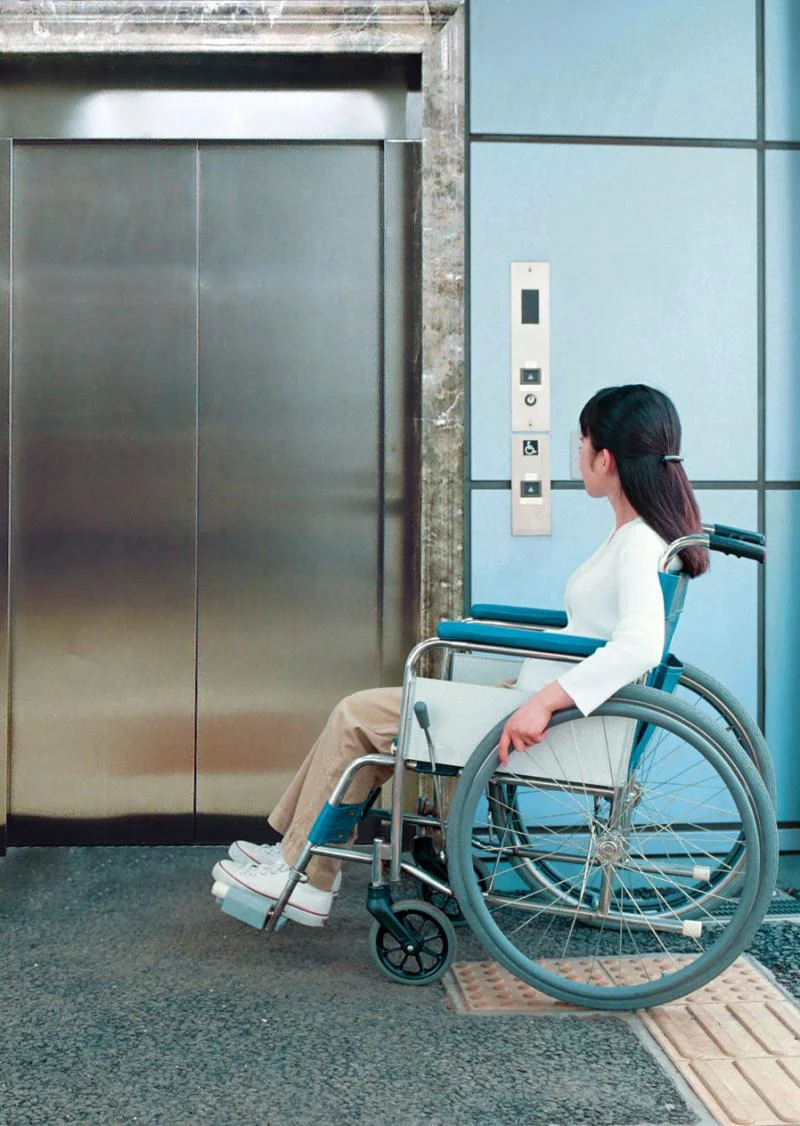
1. Healthcare Facilities: Hospital bed elevators are essential in hospitals, clinics, and rehabilitation centers, allowing for the safe transport of patients in beds, stretchers, and wheelchairs.
2. Emergency Services: Ambulance stations and emergency departments rely on bed elevators for rapid transfer of patients to and from treatment areas, ensuring swift medical attention.
3. Long-Term Care Facilities: Nursing homes and assisted living facilities utilize these elevators to facilitate patient movement, improving overall care and patient comfort.
4. Specialty Hospitals: Facilities specializing in critical care or surgery benefit from efficient patient transport, reducing the risk of complications during transfers.
5. Research Institutions: Medical research centers require the transport of patients and equipment, and hospital bed elevators provide reliable solutions for these unique needs.
6. Rehabilitation Centers: These facilities use bed elevators to assist with the mobility of patients undergoing physical therapy, ensuring safety and ease of access.
7. Home Healthcare: Some advanced models are adapted for home healthcare settings, allowing caregivers to transport patients safely within residential environments.
𝗣𝗿𝗼𝗱𝘂𝗰𝘁 𝗩𝗮𝗿𝗶𝗮𝗻𝘁𝘀 𝗮𝗻𝗱 𝗦𝘂𝗯𝗰𝗮𝘁𝗲𝗴𝗼𝗿𝗶𝗲𝘀
Hospital bed elevators come in various models designed to cater to specific needs within healthcare settings.
Standard Model
This model is designed for general hospital use, featuring a robust structure and standard load capacity suitable for most patient types. It is ideal for busy hospitals where efficiency is crucial.
Heavy-Duty Model
Engineered for larger hospitals or specialized units, this variant supports higher weight limits and more extensive cabin dimensions. It is suitable for transporting patients with complex medical needs.
Compact Model
Perfect for smaller facilities or tight spaces, this model offers a smaller footprint while maintaining essential features. It is designed for efficient use in limited areas without compromising safety.
Mobile Bed Elevator
This innovative variant is designed for flexibility, allowing for movement between different areas in a facility. It is particularly useful in temporary setups or during facility upgrades.
𝗕𝗲𝗻𝗲𝗳𝗶𝘁𝘀 𝗮𝗻𝗱 𝗔𝗱𝘃𝗮𝗻𝘁𝗮𝗴𝗲𝘀
Hospital bed elevators provide significant advantages for healthcare facilities, enhancing both patient care and operational efficiency.
Key benefits include:
1. Enhanced Patient Safety: Equipped with safety features, these elevators minimize risks associated with patient transport, ensuring safety during transit.
2. Improved Efficiency: Quick and reliable transport reduces wait times and streamlines operations in busy healthcare environments.
3. Increased Accessibility: Elevators facilitate access to multiple floors, ensuring patients can reach necessary medical services and treatments without barriers.
4. Ergonomic Design: Designed with user comfort in mind, these elevators reduce the physical strain on staff during patient transfers.
5. Compliance with Standards: Meeting industry regulations ensures that hospitals provide safe and reliable services, enhancing overall patient trust.
6. Customization Options: Facilities can tailor elevators to fit specific operational needs and design preferences, making them versatile solutions.
𝗕𝘂𝘆𝗶𝗻𝗴 𝗚𝘂𝗶𝗱𝗲 𝗳𝗼𝗿 𝗕𝟮𝗕 𝗕𝘂𝘆𝗲𝗿𝘀
When sourcing hospital bed elevators, healthcare facilities should consider several key factors to ensure they make informed purchasing decisions.
1. Quality Assessment: Evaluate the materials and construction quality of the elevators. Look for features that ensure durability and longevity, such as robust safety mechanisms and reliable control systems.
2. Supplier Verification: Vet suppliers thoroughly, checking for industry reputation and customer feedback. Ensure they have experience in manufacturing hospital-grade equipment.
3. Pricing and MOQ: Analyze pricing structures and understand minimum order quantities. Consider long-term costs, including maintenance and operational expenses, rather than just initial purchase price.
4. Delivery and Lead Times: Discuss delivery schedules with suppliers to ensure the elevators can be installed in a timely manner, especially if they are needed for new facility openings or upgrades.
5. Compliance Requirements: Confirm that the elevators comply with all relevant healthcare regulations and standards to avoid legal issues and ensure patient safety.
𝗖𝗼𝗺𝗽𝗹𝗶𝗮𝗻𝗰𝗲 𝗮𝗻𝗱 𝗖𝗲𝗿𝘁𝗶𝗳𝗶𝗰𝗮𝘁𝗶𝗼𝗻𝘀
Hospital bed elevators must adhere to various quality standards and regulations to ensure they are safe and effective for patient transport.
Relevant quality standards include ISO 9001, which ensures a consistent level of quality in manufacturing processes. Compliance with HACCP guidelines is also critical in healthcare settings to ensure patient safety and minimize risks.
Industry certifications such as CE mark indicate that the elevators meet European safety standards, providing assurance to healthcare providers regarding their reliability and safety.
Safety and testing requirements are paramount, as these elevators must be rigorously tested for load capacity, emergency features, and operational performance. Regular inspections and maintenance must be conducted to maintain compliance and ensure ongoing safety.
Regional compliance considerations may vary, so it is essential for buyers to understand the specific regulations applicable in their location, ensuring that their selected elevators meet all necessary legal and safety requirements.
𝗪𝗵𝘆 𝗦𝗼𝘂𝗿𝗰𝗲 𝗛𝗼𝘀𝗽𝗶𝘁𝗮𝗹 𝗕𝗲𝗱 𝗘𝗹𝗲𝘃𝗮𝘁𝗼𝗿𝘀 𝗳𝗿𝗼𝗺 𝗣𝗲𝗽𝗮𝗴𝗼𝗿𝗮?
Pepagora provides a trusted platform for sourcing hospital bed elevators, offering several key advantages that set it apart from competitors.
Verified Supplier Network: Pepagora connects buyers with a network of verified suppliers who have undergone rigorous checks to ensure they meet industry standards. This network promotes transparency and trust in the procurement process.
Streamlined RFQ Process: The platform features a straightforward request for quotation (RFQ) system, allowing buyers to easily compare offers from multiple suppliers. This saves time and helps buyers find the best deals tailored to their specific needs.
Trade Assurance and Support: Pepagora offers trade assurance services that protect buyers throughout the purchasing process. This includes support for resolving disputes and ensuring timely delivery of products.
Regional Coverage: With a strong presence in India, the GCC, and Southeast Asia, Pepagora facilitates access to hospital bed elevators across diverse markets. This regional focus allows buyers to source products that comply with local regulations and standards.
By choosing Pepagora, healthcare facilities can ensure they are making informed purchasing decisions backed by reliable suppliers, comprehensive support, and a commitment to quality in hospital bed elevators.
Newly Added





Recently Added
Dynamic Lifts
Heavy Duty Winding Unit 3 Phase Motor Gear Brake 3000kg Load
Industrial Lift Caldrawn Series 1900kg Static Load Heavy Duty Material Handling
Premium Passenger Elevators For Commercial And Residential Buildings
Kannan Lifts
Industrial Commercial Manual Sliding Door Lifts Durable Easy Install
Premium SS Automatic Door Lifts High Grade Stainless Steel Smooth Reliable
SS Glass Lifts For Commercial And Residential Building Safety
Beacon Engineering India Pvt Ltd
Industrial Hydraulic Lifts For Automotive Manufacturing Assembly
Industrial Hydraulic Stacker Lift For Warehouse Material Handling
Industrial Hydraulic Goods Lift For Heavy Duty Material Handling
Caro Elevators
Hospital Elevators For Patient Transport With Wide Doors And Large Cabins
Premium Auto Door Elevators For Commercial Residential Buildings
Vehicle Elevators For Automotive Facilities With Safety Features
Axis Lifts Private Limited
Ultima Series Automatic Lift Door Headers For Smooth Silent Operation
Single Speed Manual Door Controller For Elevators Up To 16 Landings
Hydraulic Lift Controller For Elevator Systems With Multi Speed Control
Bamrah Brothers
Commercial Escalators With Transparent Balustrade Glass And Teflon Coating
Bamrah Brothers Dumbwaiters for Hotels Restaurants Commercial Facilities
Industrial Automation Retiring Cam Sub Assembly For Precision Motion Control
Basant Engineering Works
Industrial Coal Crusher For Power Plants And Cement Steel Industries
Heavy Duty Jaw Crusher For Primary Slag Crushing In Mining And Recycling
High Performance Impact Crusher For Construction Mining Aggregate
Ali Kraft
Heavy Duty Concrete Road Pavers for High Traffic Infrastructure
Construction Bar Cutting Machine High Speed Automated Rebar Cutter
Heavy Duty Slope Pavers All Steel Welded Frame Variable Width Up To 24m
Beacon Elevator Company Private Limited
Premium Capsule Elevators For Hotels Malls Commercial Buildings
Business Vertical Transport Dumb Waiter Freight Elevator Up To 250kg
Industrial Freight Elevators For Heavy Duty Goods Transport
Bash Elevators & Escalators Private Limited
Commercial Roomless Elevators With Permanent Magnet Motors
Industrial Escalators Heavy Duty For Airports Metros Railways
Luxury Glass Elevators Premium Architectural Capsule Lifts
Why Businesses Trust Pepagora
Thousands of companies trust Pepagora to source smarter and sell faster
Expand Your Sales Globally
25000+Products listed.Get discovered by global buyers
Tools to boost visibility
Build your own catalog

Source Smarter,Grow Faster
4000+Active RFQs
100+ Countries served
Easy Sourcing Tools
