
 IN
INundefined
Homogenizers
25 products available
𝗪𝗵𝗮𝘁 𝗮𝗿𝗲 𝗛𝗼𝗺𝗼𝗴𝗲𝗻𝗶𝘇𝗲𝗿𝘀?
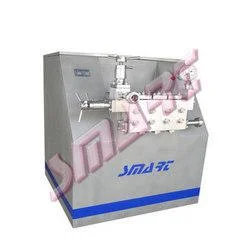
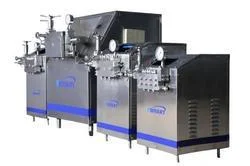
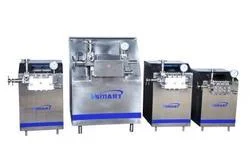
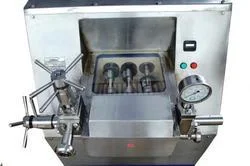
Homogenizers are specialized equipment designed to create a uniform mixture of substances by breaking down particles to a consistent size. They work by applying high pressure to liquids, forcing them through a narrow gap or using mechanical shear forces to achieve homogeneity. This process is crucial in various industries to ensure product quality and consistency.
The primary uses of homogenizers include emulsifying, dispersing, and mixing liquids in food, pharmaceuticals, cosmetics, and chemical manufacturing. They are essential in producing stable emulsions, such as milk and salad dressings, as well as in formulating creams and lotions. The relevance of homogenizers in the market is significant, as they contribute to improved product texture, stability, and shelf-life, making them indispensable in modern manufacturing.
𝗞𝗲𝘆 𝗙𝗲𝗮𝘁𝘂𝗿𝗲𝘀 𝗮𝗻𝗱 𝗦𝗽𝗲𝗰𝗶𝗳𝗶𝗰𝗮𝘁𝗶𝗼𝗻𝘀
Homogenizers come equipped with several key features that enhance their operational efficiency and adaptability to various applications. Understanding these specifications is essential for selecting the right equipment for specific needs.
Key specifications include:
1. Pressure Range
- Typical operating pressures can reach up to 30,000 psi.
- Higher pressures allow for finer particle sizes and improved emulsification.
2. Flow Rate
- Varies based on model, with rates from 50 to 5,000 liters per hour.
- Higher flow rates improve production efficiency for large-scale operations.
3. Material Construction
- Common materials include stainless steel for durability and corrosion resistance.
- Specific grades may vary based on industry requirements, such as food-grade standards.
4. Heating Capability
- Some homogenizers incorporate heating elements for temperature-sensitive applications.
- Temperature control can enhance enzyme activity or aid in product stability.
5. Size and Footprint
- Available in various sizes, from laboratory-scale to industrial models.
- Compact designs are ideal for limited production spaces.
6. Energy Consumption
- Energy-efficient models help reduce operational costs.
- Consideration of energy use is essential for sustainability.
7. Automation Features
- Advanced models may include programmable controls and monitoring systems.
- Automation improves consistency and reduces manual intervention.
8. Maintenance Requirements
- Some homogenizers are designed for easy disassembly and cleaning.
- Regular maintenance is crucial for optimal performance and longevity.
In summary, the specifications of homogenizers vary widely, and understanding these features is essential for businesses looking to invest in this technology.
𝗖𝗼𝗺𝗺𝗼𝗻 𝗔𝗽𝗽𝗹𝗶𝗰𝗮𝘁𝗶𝗼𝗻𝘀 𝗮𝗻𝗱 𝗨𝘀𝗲 𝗖𝗮𝘀𝗲𝘀
Homogenizers are versatile tools used across various sectors, enhancing product quality and consistency.
1. Food Industry: Homogenizers are used in dairy processing to create uniform milk and cream products. They also aid in producing sauces, dressings, and beverages by ensuring stable emulsions.
2. Pharmaceutical Industry: These machines are crucial in formulating suspensions, ointments, and emulsions. They help achieve uniform particle size and improve bioavailability of active ingredients.
3. Cosmetics and Personal Care: Homogenizers are used to create lotions, creams, and serums, ensuring even distribution of active ingredients and enhancing product texture.
4. Chemical Manufacturing: In the production of paints, coatings, and inks, homogenizers facilitate uniform mixing and dispersion of pigments and additives.
5. Biotechnology: Homogenizers assist in cell lysis and extraction processes, providing essential services for research and development laboratories.
6. Petrochemicals: Used for emulsifying and dispersing various chemicals, homogenizers play a role in the production of emulsions and suspensions in this sector.
7. Agriculture: Homogenizers are used in the formulation of pesticides and fertilizers to ensure even distribution of active ingredients.
𝗣𝗿𝗼𝗱𝘂𝗰𝘁 𝗩𝗮𝗿𝗶𝗮𝗻𝘁𝘀 𝗮𝗻𝗱 𝗦𝘂𝗯𝗰𝗮𝘁𝗲𝗴𝗼𝗿𝗶𝗲𝘀
Homogenizers come in various models to cater to specific industrial needs, providing flexibility in operation and application.
Laboratory Homogenizers: These compact models are designed for small-scale applications, ideal for research and development settings. They offer precision and control for formulation testing.
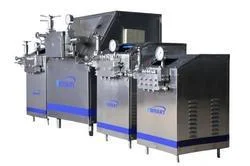
High-Pressure Homogenizers: These robust machines are built for industrial applications, capable of handling large volumes and high pressures. They are essential for mass production in food and pharmaceutical sectors.
Ultrasonic Homogenizers: Utilizing ultrasonic waves, these devices provide effective mixing and emulsification for sensitive materials. They are commonly used in biochemical applications.
Batch Homogenizers: Designed for processing small batches, these homogenizers allow for easy adjustments and quick cleaning. They are suitable for product development and specialty formulations.
𝗕𝗲𝗻𝗲𝗳𝗶𝘁𝘀 𝗮𝗻𝗱 𝗔𝗱𝘃𝗮𝗻𝘁𝗮𝗴𝗲𝘀
Homogenizers offer significant advantages across various applications, enhancing product quality and operational efficiency.
1. Improved Product Consistency: Homogenizers ensure uniform particle size and texture, leading to higher quality products.
2. Enhanced Stability: The emulsification process helps improve product stability, reducing separation and extending shelf life.
3. Increased Efficiency: High flow rates and pressure capabilities allow for faster production, meeting market demands effectively.
4. Versatility: Homogenizers can process a wide range of materials, making them suitable for multiple industries.
5. Cost Savings: Efficient operations and reduced waste contribute to lower manufacturing costs.
6. Customization: Many models offer adjustable settings for different applications, allowing for tailored solutions.
𝗕𝘂𝘆𝗶𝗻𝗴 𝗚𝘂𝗶𝗱𝗲 𝗳𝗼𝗿 𝗕𝟮𝗕 𝗕𝘂𝘆𝗲𝗿𝘀
When sourcing homogenizers, it is essential to consider several key factors to ensure the right choice for your business needs.
1. Quality Assessment: Look for equipment that meets industry standards and offers reliable performance. Consider the manufacturer's reputation and customer reviews.
2. Supplier Verification: Vet potential suppliers through background checks and references. Ensure they have a solid track record of delivering quality products.
3. Pricing and MOQ: Understand the pricing structure and minimum order quantities. Evaluate overall costs, including shipping and installation.
4. Delivery and Lead Times: Confirm lead times for delivery and ensure they align with your production schedules. Check for any potential delays in logistics.
5. Compliance Requirements: Ensure that the homogenizers meet relevant compliance and certification standards, such as CE marking, to avoid regulatory issues.
𝗖𝗼𝗺𝗽𝗹𝗶𝗮𝗻𝗰𝗲 𝗮𝗻𝗱 𝗖𝗲𝗿𝘁𝗶𝗳𝗶𝗰𝗮𝘁𝗶𝗼𝗻𝘀
Homogenizers must adhere to several quality standards and industry certifications to ensure safety and effectiveness. ISO 9001 is a widely recognized standard that emphasizes quality management systems, ensuring products meet customer and regulatory requirements consistently.
In the food industry, HACCP (Hazard Analysis Critical Control Point) standards are critical for food safety management. Homogenizers used in food processing must comply with these standards to prevent contamination and ensure product safety.
CE certification is another important consideration, particularly for equipment sold in the European market. This certification indicates that the product meets health, safety, and environmental protection standards.
Additionally, safety and testing requirements must be met to ensure reliable operation. Regular testing and maintenance are essential to comply with regional safety regulations and standards.
𝗪𝗵𝘆 𝗦𝗼𝘂𝗿𝗰𝗲 𝗛𝗼𝗺𝗼𝗴𝗲𝗻𝗶𝘇𝗲𝗿𝘀 𝗳𝗿𝗼𝗺 𝗣𝗲𝗽𝗮𝗴𝗼𝗿𝗮?
Pepagora provides a trusted platform for sourcing homogenizers, offering businesses numerous advantages.
Verified Supplier Network: Pepagora ensures that all suppliers are thoroughly vetted, providing buyers with confidence in the quality and reliability of their purchases.
Streamlined RFQ Process: The platform simplifies the request for quotation process, allowing buyers to receive competitive offers from multiple suppliers efficiently.
Trade Assurance and Support: Buyers benefit from protection policies that safeguard their transactions, ensuring peace of mind throughout the sourcing process.
Regional Coverage: With a strong presence in India, the GCC, and Southeast Asia, Pepagora facilitates sourcing across diverse markets, making it easier for businesses to find the right homogenizers for their needs.
Newly Added



Recently Added
Champion Pharma Machines
Stainless Steel 316L Membrane Filter Holder For Sterile Filtration
CPM Double Cone Blender For Dry Powder Granule Mixing 10 500kg
CPM V Blenders For Powder And Granule Mixing With Low Shear Action
GOMA ENGINEERING PVT LTD
Juice Processing Line With Fruit Washing, Pulping, Packaging, CIP
Beverage Manufacturing Premium Juice Processing Machine With CIP System
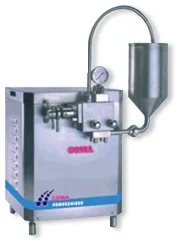
High Performance Homogeniser Machine for Dairy, Juice, and Chemical Processing
KU Sodalamuthu And Co Pvt Ltd
Industrial Edge Protector Production Line 30 M/Min 5mm Wall Thickness
Industrial Can Flanging Machine 22 150mm Inner Diameter Easy Install
Industrial Heat Sealing System OEM Easy Install Durable Performance
Bombay Pharma Equipments Pvt. Ltd
Industrial Packing Belt Conveyor SS 304 Variable Speed Height Length Width
Industrial Bottle Filling Machine for Liquid Packaging Solutions
SMEs Semi Automatic Liquid Filling Machine Precise Efficient Portable
Anju Agencies
Industrial Homogenizer Machine 1 HP 3 HP For Pharmaceuticals Food
Industrial Colloid Mill 3HP/5HP for Heat Sensitive Materials
Industrial Label Gumming Machine 0.1 HP 230V 1440 RPM 1 Phase
Shanjai Engineerings
Cosmetic Homogenizer For Viscous Fluids With Hydraulic Lifting And Milling
Laboratory Homogenizer System For Viscous Fluids With Hydraulic Lifting
Industrial Juice Homogenizer For Viscous Fluids Hydraulic Lifting Milling
Flow Tech Engineers
Industrial Stainless Steel Butter Churners 250L To 3000L Capacity
Dairy Farm Milk Chillers SS 304/316 500L 20000L Efficient Cooling
Dairy Milk Silos Premium Cold Storage Tanks Hygienic Temperature Control
Pragati Engineers
Pharmaceuticals Labs Cleanrooms ISO Class 5 Mobile Trolley HEPA Laminar Airflow
PP Cap Sealing Machine For Tamper Evident Packaging In Pharmaceuticals Liquor Agrochemical
Industrial Filter Press For Solid Liquid Separation In Pharma, Chemical, Wastewater
Vino Technical Services
Industrial Homogenizers For Food Dairy Pharmaceuticals Chemicals
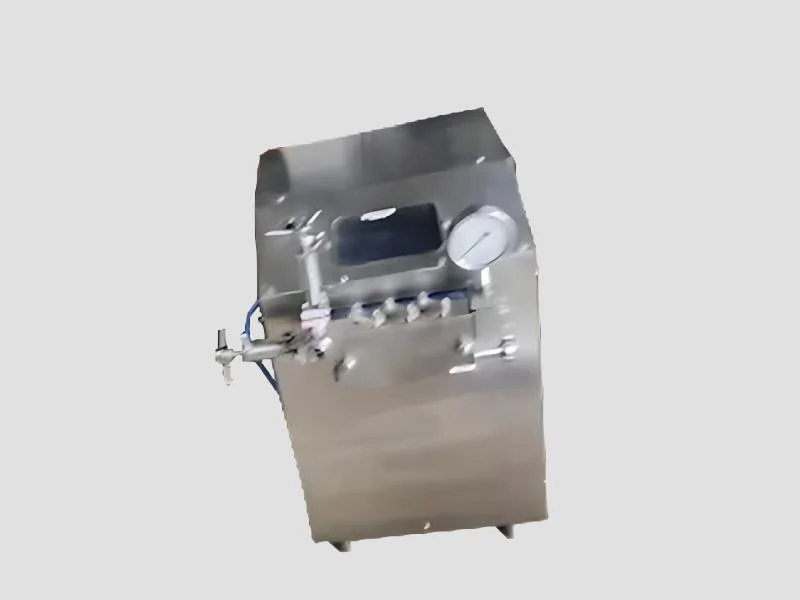
Industrial Homogenizer Machinery With Positive Displacement Pump For High Pressure Emulsification
Industrial High Pressure Homogenizer For Particle Size Reduction And Emulsions
Bhakti Engineering
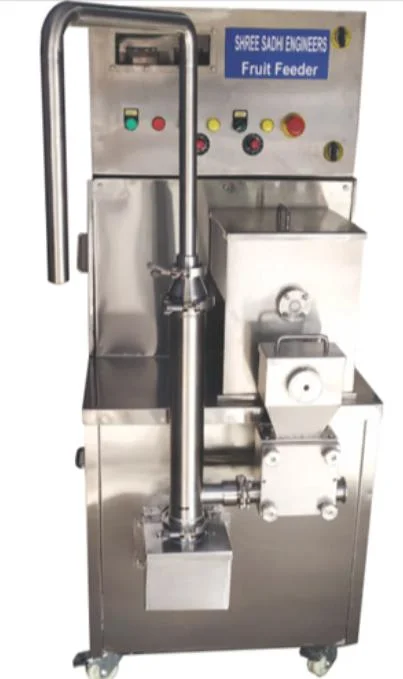
Fruit Feeder Machine For Automated Food Processing Industries
Industrial Ice Cream Cone Filling Machine For High Volume Production
Ice Cream Fruit Feeders Durable High Performance Equipment
Why Businesses Trust Pepagora
Thousands of companies trust Pepagora to source smarter and sell faster
Expand Your Sales Globally
25000+Products listed.Get discovered by global buyers
Tools to boost visibility
Build your own catalog

Source Smarter,Grow Faster
4000+Active RFQs
100+ Countries served
Easy Sourcing Tools
