
 IN
INundefined
Home Lifts & Platform Lifts
15 products available
𝗪𝗵𝗮𝘁 𝗮𝗿𝗲 𝗛𝗼𝗺𝗲 𝗟𝗶𝗳𝘁𝘀 & 𝗣𝗹𝗮𝘁𝗳𝗼𝗿𝗺 𝗟𝗶𝗳𝘁𝘀?
Home lifts and platform lifts are specialized vertical transportation systems designed to facilitate the movement of individuals and goods between different levels of a building. Home lifts are typically smaller, designed for residential use, and provide convenience and accessibility for homeowners. They are suitable for multi-story houses and help overcome the challenges posed by stairs, especially for individuals with mobility issues. Platform lifts, on the other hand, are more versatile and can be used in both residential and commercial settings. They often serve as wheelchair lifts or freight lifts, catering to a broader range of applications.
These lifts are commonly utilized in various sectors, including residential buildings, healthcare facilities, and commercial establishments. In homes, they assist elderly or disabled individuals in accessing upper floors safely. In commercial environments, they enable the transportation of goods, enhance accessibility, and comply with building regulations regarding mobility. The demand for such lifts has increased due to the growing emphasis on inclusivity and the aging population, making them a significant part of the vertical transportation market.
𝗞𝗲𝘆 𝗙𝗲𝗮𝘁𝘂𝗿𝗲𝘀 𝗮𝗻𝗱 𝗦𝗽𝗲𝗰𝗶𝗳𝗶𝗰𝗮𝘁𝗶𝗼𝗻𝘀
Home lifts and platform lifts are equipped with various features that cater to different user needs and enhance safety. These features ensure reliability and efficiency in operation, making them suitable for a wide range of applications.
Key specifications include:
1. Capacity
- Designed to accommodate different weight limits.
- Typical ranges include 250 kg to 450 kg for home lifts and up to 1,000 kg for platform lifts.
2. Lift Height
- Maximum vertical distance the lift can travel.
- Common height ranges are from 1 meter to over 15 meters.
3. Speed
- Rate at which the lift travels.
- Typical speeds range from 0.15 m/s to 1 m/s, depending on the model.
4. Drive Mechanism
- Various systems such as hydraulic, traction, or screw-driven.
- Each mechanism has specific advantages in terms of efficiency and maintenance.
5. Safety Features
- Includes emergency stop buttons, backup power systems, and sensor technologies.
- Ensures compliance with safety regulations and reduces the risk of accidents.
6. Control System
- User-friendly interfaces for easy operation.
- Options for remote control and automatic doors.
7. Customization Options
- Ability to tailor designs to fit specific building requirements.
- Includes size, finish, and additional features like lighting.
8. Energy Efficiency
- Many lifts are designed to minimize energy consumption.
- Eco-friendly options are available to reduce environmental impact.
In summary, understanding these specifications helps businesses select the right lift for their unique requirements, ensuring optimal performance and compliance with safety standards.
𝗖𝗼𝗺𝗺𝗼𝗻 𝗔𝗽𝗽𝗹𝗶𝗰𝗮𝘁𝗶𝗼𝗻𝘀 𝗮𝗻𝗱 𝗨𝘀𝗲 𝗖𝗮𝘀𝗲𝘀
Home lifts and platform lifts are utilized across various industries, each benefiting from their unique features.
1. Residential Homes: Home lifts provide essential accessibility for individuals with mobility challenges, enhancing their quality of life in multi-story residences.
2. Healthcare Facilities: In hospitals and clinics, platform lifts are crucial for transporting patients between floors, ensuring efficient and safe movement.
3. Retail Stores: Retail environments use platform lifts to move goods between storage areas and sales floors, improving inventory management.
4. Educational Institutions: Schools and universities utilize these lifts to ensure all areas are accessible to students and staff with disabilities.
5. Warehousing: Platform lifts are used in warehouses for efficient transportation of goods and materials between levels, streamlining operations.
6. Hospitality: Hotels and resorts implement home lifts to enhance guest experiences, particularly for those requiring mobility assistance.
7. Public Buildings: Government and civic structures use lifts to comply with accessibility regulations, ensuring all visitors can access services.
𝗣𝗿𝗼𝗱𝘂𝗰𝘁 𝗩𝗮𝗿𝗶𝗮𝗻𝘁𝘀 𝗮𝗻𝗱 𝗦𝘂𝗯𝗰𝗮𝘁𝗲𝗴𝗼𝗿𝗶𝗲𝘀
Home lifts and platform lifts come in various types, each designed for specific applications and user needs.
Residential Home Lift
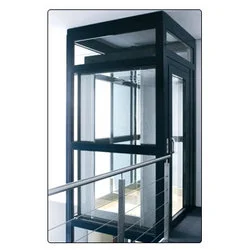
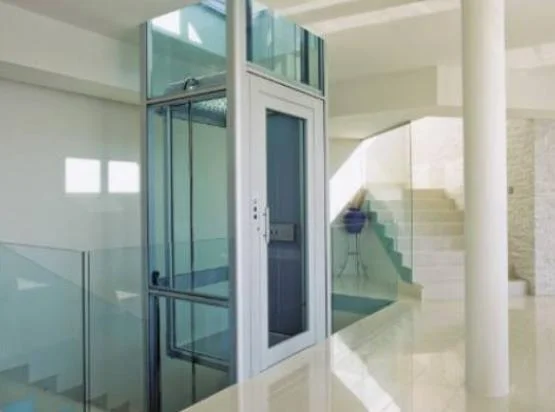
This variant is designed for residential use, providing a compact solution for multi-story homes. It features easy access and can be customized to fit the interior design of the home.
Freight Platform Lift
This type is designed for commercial use, capable of carrying heavy loads. It is ideal for warehouses and retail environments where goods need to be transported between floors.
Wheelchair Lift
Specifically designed to accommodate individuals using wheelchairs, this lift offers a safe and comfortable means of moving between levels in both residential and public spaces.
𝗕𝗲𝗻𝗲𝗳𝗶𝘁𝘀 𝗮𝗻𝗱 𝗔𝗱𝘃𝗮𝗻𝘁𝗮𝗴𝗲𝘀
Home lifts and platform lifts offer numerous advantages that enhance convenience and accessibility.
1. Improved Accessibility: These lifts allow individuals with mobility challenges to move freely within a building, promoting independence.
2. Increased Property Value: Installing a lift can increase the value of a property by making it more appealing to potential buyers, especially those with accessibility needs.
3. Versatility: Home lifts and platform lifts can be tailored for various applications, making them suitable for a wide range of environments.
4. Safety Features: Equipped with advanced safety mechanisms, these lifts minimize the risk of accidents and injuries during use.
5. Space Efficiency: Many models are designed to occupy minimal space, making them ideal for residential settings where space is often limited.
6. Cost-Effective: Investing in a lift can reduce the need for extensive renovations or modifications to improve accessibility.
𝗕𝘂𝘆𝗶𝗻𝗴 𝗚𝘂𝗶𝗱𝗲 𝗳𝗼𝗿 𝗕𝟮𝗕 𝗕𝘂𝘆𝗲𝗿𝘀
When sourcing home lifts and platform lifts, there are several critical factors to consider to ensure the best fit for your needs.
1. Quality Assessment: Evaluate the materials and construction quality of the lifts. Look for products that meet industry standards to ensure durability and reliability.
2. Supplier Verification: Research and vet suppliers to ensure they have a good reputation and can provide reliable products and services.
3. Pricing and MOQ: Understand the pricing structure and minimum order quantities to make informed purchasing decisions that align with your budget.
4. Delivery and Lead Times: Check delivery schedules and lead times to plan installations effectively without disrupting operations.
5. Compliance Requirements: Ensure that the lifts meet all relevant regulatory standards and certifications, such as CE marking, to guarantee safety and compliance.
𝗖𝗼𝗺𝗽𝗹𝗶𝗮𝗻𝗰𝗲 𝗮𝗻𝗱 𝗖𝗲𝗿𝘁𝗶𝗳𝗶𝗰𝗮𝘁𝗶𝗼𝗻𝘀
Compliance and certifications are crucial for ensuring the safety and quality of home lifts and platform lifts. Relevant quality standards include ISO 9001, which focuses on quality management systems, ensuring that manufacturers meet customer and regulatory requirements.
Industry certifications, such as CE marking, indicate that products conform to European safety standards, providing assurance of quality and safety. Additionally, safety and testing requirements are critical to ensure lifts operate safely under various conditions. Manufacturers must conduct thorough testing to validate performance and safety features.
Regional compliance considerations also play a vital role, as different countries may have specific regulations governing the installation and use of lifts. Businesses should be aware of these regional differences to ensure that their lifts are compliant and safe to operate.
𝗪𝗵𝘆 𝗦𝗼𝘂𝗿𝗰𝗲 𝗛𝗼𝗺𝗲 𝗟𝗶𝗳𝘁𝘀 & 𝗣𝗹𝗮𝘁𝗳𝗼𝗿𝗺 𝗟𝗶𝗳𝘁𝘀 𝗳𝗿𝗼𝗺 𝗣𝗲𝗽𝗮𝗴𝗼𝗿𝗮?
Pepagora offers a trusted platform for sourcing home lifts and platform lifts, providing several key advantages to B2B buyers.
Verified Supplier Network: Pepagora has established a network of verified suppliers, ensuring that buyers can access quality products from reputable manufacturers. This verification process helps reduce risks associated with sourcing.
Streamlined RFQ Process: The platform simplifies the request for quotation (RFQ) process, allowing buyers to easily compare offerings from different suppliers. This efficiency saves time and facilitates informed decision-making.
Trade Assurance and Support: Buyers are protected through trade assurance programs that ensure secure transactions and reliable after-sales support. This assurance fosters confidence in the purchasing process.
Regional Coverage: Pepagora’s geographic reach includes India, the GCC, and Southeast Asia, making it a convenient option for businesses looking to source lifts from diverse markets. This regional coverage helps buyers find suitable products tailored to their specific needs.
Newly Added




Recently Added
Gilani Mobility
Lightweight Wheelchair 10kg Aluminum Foldable 100kg Capacity
Commercial Vehicle 350KG Vertical Wheelchair Lift Aluminum Steel
BT80 Remote Control Boot Hoist Lifter 80 100kg Wheelchair Loading
Garuda Lifts
V3F VVVF Controller For AC Motor Speed Control In Elevator Lift Panels
Lift Installation Steel Structural Framework For Passenger And Goods Elevators
Industrial Goods Lift Steel Structural Framework For Warehouse Factory Elevators
Kannan Lifts
Industrial Commercial Manual Sliding Door Lifts Durable Easy Install
Premium SS Automatic Door Lifts High Grade Stainless Steel Smooth Reliable
SS Glass Lifts For Commercial And Residential Building Safety
Aliens Lifts
Apparel Hydraulic Scissor Lift Low Noise Easy Installation
Commercial Elevator Hydraulic Scissor Lift AC VVVF Drive Glass Panels
Hydraulic Home Lift Machine Room Less Scissor Lift 15m Speed
RP Elevator
RP Elevators ISO 9001 Certified Passenger Lifts For Residential Commercial
Hospital Lifts For Patient And Equipment Transport 600 2500 Kg Capacity
Industrial Conveyor Systems For Manufacturing And Warehousing
Beacon Engineering India Pvt Ltd
Industrial Hydraulic Lifts For Automotive Manufacturing Assembly
Industrial Hydraulic Stacker Lift For Warehouse Material Handling
Industrial Hydraulic Goods Lift For Heavy Duty Material Handling
High Tec Lifts Private Limited
Residential And Passenger Elevators With AC Drive Type
Residential AC Passenger Elevators For Multi Story Buildings
Residential Passenger Elevators AC Drive Type For Modern Homes
Natraj Drum Industries Pvt Ltd
Industrial Low Headroom Overhead Crane For Space Constrained Lifting
Industrial Heavy Duty Double Girder Overhead Cranes For High Capacity Lifting
Workshop Gantry Crane For Material Handling Safety Efficiency
Bamrah Brothers
Commercial Escalators With Transparent Balustrade Glass And Teflon Coating
Bamrah Brothers Dumbwaiters for Hotels Restaurants Commercial Facilities
Industrial Automation Retiring Cam Sub Assembly For Precision Motion Control
Almas Lifts Private Limited
Residential Home Lifts For 5 6 Persons With Full Customization
Stainless Steel Car Parking Lifts For Vertical Vehicle Transport
Industrial Hydraulic Lifts For Warehouses And Factories
Why Businesses Trust Pepagora
Thousands of companies trust Pepagora to source smarter and sell faster
Expand Your Sales Globally
25000+Products listed.Get discovered by global buyers
Tools to boost visibility
Build your own catalog

Source Smarter,Grow Faster
4000+Active RFQs
100+ Countries served
Easy Sourcing Tools
