
 IN
INundefined
Hoist & Pulley Hooks
67 products available
𝗪𝗵𝗮𝘁 𝗮𝗿𝗲 𝗛𝗼𝗶𝘀𝘁 & 𝗣𝘂𝗹𝗹𝗲𝘆 𝗛𝗼𝗼𝗸𝘀?
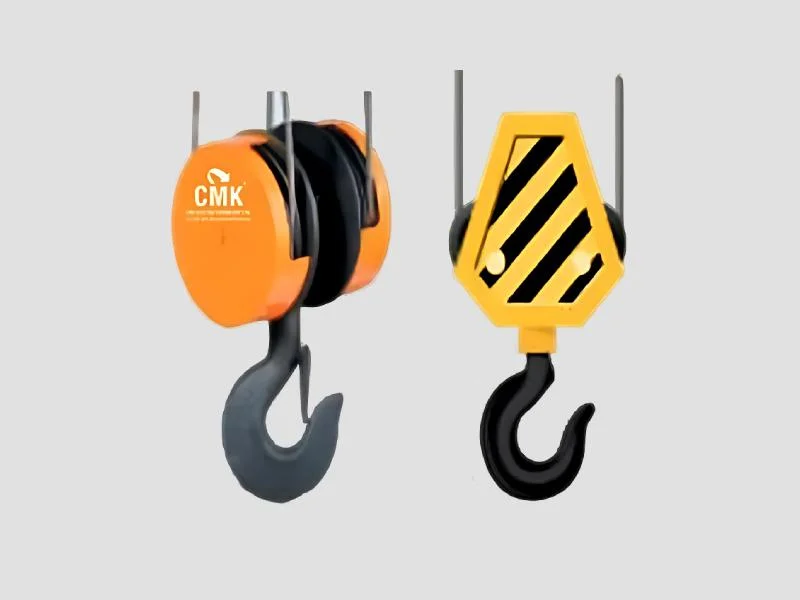
Hoist and pulley hooks are essential components in lifting and rigging operations, designed to connect loads to hoists, cranes, and other lifting equipment. These hooks are typically made from high-strength materials to ensure durability and safety during heavy lifting tasks. Their design allows for quick attachment and detachment of loads, making them a versatile choice for various industrial applications.
These hooks are primarily used in sectors such as construction, manufacturing, and logistics. They facilitate the lifting of heavy materials, equipment, and cargo, ensuring efficient workflow and safety in operations. The hooks are engineered to handle different weights and types of loads, making them a crucial part of any lifting system. In the broader market context, the demand for hoist and pulley hooks continues to grow as industries expand their capabilities and seek efficient lifting solutions.
𝗞𝗲𝘆 𝗙𝗲𝗮𝘁𝘂𝗿𝗲𝘀 𝗮𝗻𝗱 𝗦𝗽𝗲𝗰𝗶𝗳𝗶𝗰𝗮𝘁𝗶𝗼𝗻𝘀
Hoist and pulley hooks come with a variety of features that enhance their functionality and safety. Key specifications include:
1. Load Capacity
- Indicates the maximum weight the hook can safely lift.
- Common ranges vary from 1 ton to 100 tons, depending on the hook type.
2. Material Composition
- Typically made from high-strength steel or alloy.
- Ensures durability and resistance to wear and tear.
3. Safety Factor
- Refers to the ratio of the hook's breaking strength to its working load limit.
- Generally recommended safety factors range from 4:1 to 6:1.
4. Finish
- Hooks may have various finishes, such as powder coating or galvanizing.
- These coatings enhance corrosion resistance and longevity.
5. Design Type
- Available in different designs, including swivel, safety, and clevis hooks.
- Each design serves specific applications and load requirements.
6. Compliance Standards
- Must meet industry standards such as CE and UL for safety and performance.
- Ensures reliability and acceptance in various markets.
7. Size Variations
- Offered in multiple sizes to accommodate different lifting applications.
- Size selection is crucial for proper fit with lifting equipment.
8. Operational Temperature Range
- Some hooks are designed to operate under extreme temperatures.
- Specific temperature ranges are dependent on the hook type and application.
In summary, selecting hoist and pulley hooks involves understanding these specifications to ensure safety, efficiency, and compliance with industry standards.
𝗖𝗼𝗺𝗺𝗼𝗻 𝗔𝗽𝗽𝗹𝗶𝗰𝗮𝘁𝗶𝗼𝗻𝘀 𝗮𝗻𝗱 𝗨𝘀𝗲 𝗖𝗮𝘀𝗲𝘀
Hoist and pulley hooks are utilized across a variety of industries, each with specific applications.
1. Construction: In construction, these hooks are essential for lifting heavy materials like steel beams and concrete blocks. They facilitate quick and safe loading and unloading of equipment on job sites.
2. Manufacturing: In manufacturing settings, hoist hooks are used to move heavy machinery and components along assembly lines. They help streamline production processes and improve workflow efficiency.
3. Logistics: In logistics and warehousing, these hooks play a vital role in loading and unloading cargo from trucks and shipping containers. Their strength ensures that heavy loads can be moved safely.
4. Marine: In the marine industry, hoist hooks are used for lifting and securing equipment on vessels. They are designed to withstand harsh marine environments.
5. Mining: In mining operations, hooks are used to lift heavy mining equipment and materials, contributing to safety and efficiency in resource extraction.
6. Automotive: In the automotive sector, hoist hooks assist in lifting engines and other heavy components during manufacturing and repair processes.
7. Aerospace: In aerospace production, these hooks are critical for handling large aircraft components, ensuring safety and precision during assembly.
𝗣𝗿𝗼𝗱𝘂𝗰𝘁 𝗩𝗮𝗿𝗶𝗮𝗻𝘁𝘀 𝗮𝗻𝗱 𝗦𝘂𝗯𝗰𝗮𝘁𝗲𝗴𝗼𝗿𝗶𝗲𝘀
Hoist and pulley hooks come in a variety of designs to meet different needs.
Swivel Hooks: These hooks feature a rotating design that allows for multi-directional lifting and easy load alignment. They are particularly useful in applications where the load needs to be maneuvered frequently.
Safety Hooks: Equipped with a locking mechanism, safety hooks prevent accidental disengagement of the load. They are ideal for critical lifting operations where safety is paramount.
Clevis Hooks: These hooks are designed with a clevis attachment, making them easy to connect and disconnect from lifting chains or straps. They are commonly used in agricultural and industrial applications.
𝗕𝗲𝗻𝗲𝗳𝗶𝘁𝘀 𝗮𝗻𝗱 𝗔𝗱𝘃𝗮𝗻𝘁𝗮𝗴𝗲𝘀
Hoist and pulley hooks provide significant advantages for businesses that rely on lifting operations.
1. Enhanced Safety: With proper specifications and design features, these hooks minimize the risk of accidents during lifting operations.
2. Increased Efficiency: The ability to quickly attach and detach loads streamlines operations, leading to improved productivity.
3. Versatility: With various designs available, these hooks can be used in multiple industries and applications, making them a flexible choice for different lifting needs.
4. Durability: Made from high-strength materials, hoist hooks are built to last, reducing the need for frequent replacements.
5. Compliance Assurance: Sourcing hooks that meet industry standards ensures that businesses operate within safety regulations, protecting workers and assets.
6. Cost-effectiveness: Investing in high-quality hoist and pulley hooks reduces long-term costs associated with accidents and equipment failure.
𝗕𝘂𝘆𝗶𝗻𝗴 𝗚𝘂𝗶𝗱𝗲 𝗳𝗼𝗿 𝗕𝟮𝗕 𝗕𝘂𝘆𝗲𝗿𝘀
When sourcing hoist and pulley hooks, there are several key factors to consider to ensure the best purchase decision.
1. Quality Assessment: Evaluate the material and construction of the hooks to ensure they meet the necessary strength and durability requirements for your specific applications.
2. Supplier Verification: Conduct thorough due diligence on potential suppliers. Check their reputation, certifications, and previous customer feedback to ensure reliability.
3. Pricing and MOQ: Understand the pricing structure and minimum order quantities (MOQ) from suppliers to align with your budget and inventory needs.
4. Delivery and Lead Times: Discuss logistics with suppliers to determine delivery schedules and ensure they can meet your operational timelines.
5. Compliance Requirements: Verify that the products comply with industry standards and regulations applicable to your region, ensuring safety and reliability in your operations.
𝗖𝗼𝗺𝗽𝗹𝗶𝗮𝗻𝗰𝗲 𝗮𝗻𝗱 𝗖𝗲𝗿𝘁𝗶𝗳𝗶𝗰𝗮𝘁𝗶𝗼𝗻𝘀
Hoist and pulley hooks must adhere to various quality standards and regulations to ensure their effectiveness and safety in industrial applications. Relevant quality standards include ISO 9001, which outlines requirements for a quality management system, ensuring consistent quality in manufacturing processes.
Industry certifications such as CE and UL are crucial for compliance in many markets. These certifications indicate that the hooks have been tested and meet specific safety and performance standards.
Safety and testing requirements are also paramount, as hooks must be evaluated for their load capacity and durability under various conditions. Additionally, regional compliance considerations may vary, so it is essential to understand local regulations that apply to lifting equipment.
𝗪𝗵𝘆 𝗦𝗼𝘂𝗿𝗰𝗲 𝗛𝗼𝗶𝘀𝘁 & 𝗣𝘂𝗹𝗹𝗲𝘆 𝗛𝗼𝗼𝗸𝘀 𝗳𝗿𝗼𝗺 𝗣𝗲𝗽𝗮𝗴𝗼𝗿𝗮?
Pepagora provides a trusted platform for sourcing hoist and pulley hooks, offering several key advantages to businesses.
Verified Supplier Network: Pepagora connects buyers with a verified network of suppliers, ensuring that the products meet high-quality standards and safety regulations. This reduces the risk of sourcing unreliable products.
Streamlined RFQ Process: The platform simplifies the request for quotation (RFQ) process, allowing buyers to easily compare prices and specifications from multiple suppliers. This saves time and helps in making informed purchasing decisions.
Trade Assurance and Support: Pepagora offers trade assurance to protect buyers during transactions, providing peace of mind and support to resolve any issues that may arise.
Regional Coverage: With a geographic reach that includes India, the GCC, and Southeast Asia, Pepagora can connect buyers with local suppliers, facilitating easier communication and logistics management. This regional advantage helps businesses to source products efficiently and effectively.
Newly Added


Recently Added
Amar Enterprises
Industrial Heavy Duty Chain Hoists For Manufacturing Construction Warehouses
Industrial Chain Pulley Blocks For Heavy Duty Lifting And Pulling
Industrial Couplings For Automotive, Printing, And Engineering
Accu Tech Engineers
Industrial OEM Underslung Cranes For Coal Mineral Iron Ore Handling
Industrial A Frame Crane 0.5 30 Ton Galvanized Metal Standard
Industrial OEM Chain Hoist Mild Steel Durable Lifting Equipment
Pragati Enterprises
Heavy Duty Drum Separators For Mining Recycling Bulk Handling
Premium Magnetic Pulleys For Efficient Tramp Metal Removal In Industrial Conveyors
Industrial Magnetic Grills For Ferrous Contaminant Removal In Bulk Materials
Vibha Belting Company
Industrial Material Handling Cut Edge Conveyor Belts Durable Grip
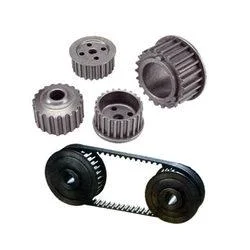
Industrial Timing Pulleys For Precision Power Transmission High Torque
Packaging Conveyor Belts 9 Inch Wide PVC Coated Canvas Table Top
Prashant Trading Corporation
Industrial Premium Blind Rivets High Strength Corrosion Resistant
Industrial Stainless Steel Dome Nuts Corrosion Resistant Durable
Industrial Stainless Steel Wing Nuts DIN ANSI BS JIS Standards
Apurva Engineering Corporation
Industrial Single Girder Cranes Metal Construction Easy Installation
Industrial Single Girder EOT Crane 10 Ton 28 Meter Span IS Compliant
Industrial Heavy Duty Double Girder Crane IS 3177 Compliant
Machweld Engineers
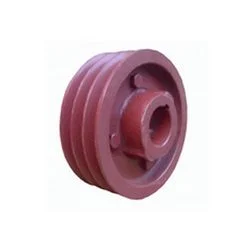
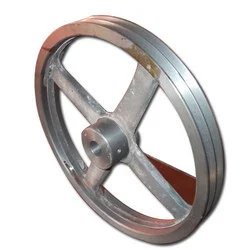
Industrial V Belt Pulleys SPA ABCD Sections 100 450mm Diameter
Industrial Fluid Transfer Flex Master Connectors For Air Water Oil
Industrial Drive Stainless Steel Shim Pack Membrane Bush Couplings
Sri Rama Marketing Associates
Industrial Oil Resistant V Belt For Power Transmission
Industrial Raw Edge Cogged V Belts Heat Resistant Rubber Durable
Industrial Rubber Flat Belt For Precision Power Transmission
J K Group Of Industries
Industrial Pumping Sets JKSDTP Two Pulley System Heavy Duty V Pulley
Industrial Agricultural V Pulley Pumping Sets For Water Transfer
Lister Type Diesel Engines For Agriculture And Industrial Power
Apex Gear Craft
Industrial Machinery Parts For Construction And Manufacturing Sectors
Industrial Metal V Belt Pulleys For Power Transmission Systems
Industrial Automation Precision Metal Timing Pulleys For Power Transmission
Why Businesses Trust Pepagora
Thousands of companies trust Pepagora to source smarter and sell faster
Expand Your Sales Globally
25000+Products listed.Get discovered by global buyers
Tools to boost visibility
Build your own catalog

Source Smarter,Grow Faster
4000+Active RFQs
100+ Countries served
Easy Sourcing Tools
