
 IN
INundefined
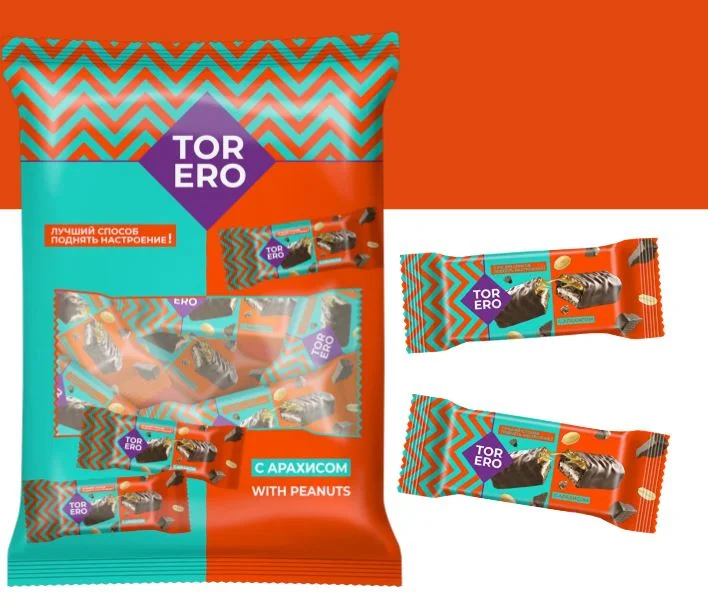
High-Protein Snack Bars
1 products available
𝗪𝗵𝗮𝘁 𝗮𝗿𝗲 𝗛𝗶𝗴𝗵-𝗣𝗿𝗼𝘁𝗲𝗶𝗻 𝗦𝗻𝗮𝗰𝗸 𝗕𝗮𝗿𝘀?
High-protein snack bars are convenient food products designed to provide a significant amount of protein in a portable format. These bars typically contain protein sources such as whey, soy, or plant-based proteins, making them suitable for a variety of dietary needs. They are often used as meal replacements or supplements for those looking to increase their protein intake, especially among active individuals, athletes, and health-conscious consumers.
The primary uses of high-protein snack bars include quick nutrition on-the-go, post-workout recovery, and as a healthy snack option. Businesses in the health and wellness, fitness, and retail sectors often incorporate these bars into their offerings to meet the rising demand for high-protein diets. In the current market, where health trends emphasize the importance of protein, these bars are gaining traction among consumers seeking convenient and nutritious snack options.
The relevance of high-protein snack bars in the industry is underscored by their growing popularity and sales. As more consumers become health-conscious and prioritize protein intake, manufacturers are responding with diverse product lines that cater to various tastes and dietary preferences. This trend contributes to a competitive landscape in the snack food market, making it a significant area for investment and innovation.
𝗞𝗲𝘆 𝗙𝗲𝗮𝘁𝘂𝗿𝗲𝘀 𝗮𝗻𝗱 𝗦𝗽𝗲𝗰𝗶𝗳𝗶𝗰𝗮𝘁𝗶𝗼𝗻𝘀
High-protein snack bars come with several key features that make them appealing to both consumers and businesses. These specifications ensure that the bars meet nutritional expectations and quality standards.
Key specifications include:
1. Protein Content
- Typically ranges from 10 to 30 grams per bar
- Varies based on formulation and target market
2. Caloric Value
- Generally between 150 to 300 calories per bar
- Aids in meal replacement or supplementation
3. Sugar Levels
- Low-sugar options available, often containing 1 to 5 grams
- Includes natural sweeteners or sugar alternatives
4. Fiber Content
- Usually around 5 to 10 grams per bar
- Promotes digestive health and satiety
5. Shelf Life
- Typically ranges from 6 months to 1 year
- Dependent on packaging and ingredients used
6. Allergen Information
- Common allergens include nuts, dairy, and gluten
- Clear labeling is essential for consumer safety
7. Packaging
- Available in single bars or multi-pack options
- Often designed for convenience and portability
High-protein snack bars are produced under strict quality control standards, ensuring consistency and safety for consumers.
𝗖𝗼𝗺𝗺𝗼𝗻 𝗔𝗽𝗽𝗹𝗶𝗰𝗮𝘁𝗶𝗼𝗻𝘀 𝗮𝗻𝗱 𝗨𝘀𝗲 𝗖𝗮𝘀𝗲𝘀
High-protein snack bars are versatile products applicable across various sectors.
1. Fitness Industry: These bars are popular among athletes and gym-goers as a quick source of protein for pre- and post-workout nutrition.
2. Health and Wellness: Health-conscious individuals use them as meal replacements or snacks to support weight management and overall health.
3. Food Service: Cafes and restaurants may offer high-protein bars as part of their snack menu to cater to health-oriented customers.
4. Retail: Grocery stores and health food shops sell these bars to meet consumer demand for convenient, healthy snack options.
5. Corporate Wellness Programs: Companies provide high-protein snack bars to employees as part of wellness initiatives, promoting healthier eating habits.
6. Outdoor and Adventure: Hikers and campers often choose these bars for their portability and nutritional value during outdoor activities.
𝗣𝗿𝗼𝗱𝘂𝗰𝘁 𝗩𝗮𝗿𝗶𝗮𝗻𝘁𝘀 𝗮𝗻𝗱 𝗦𝘂𝗯𝗰𝗮𝘁𝗲𝗴𝗼𝗿𝗶𝗲𝘀
High-protein snack bars come in a range of variants to cater to diverse consumer preferences and dietary needs.
Nut-Based Protein Bars: These bars feature nuts as a primary ingredient, offering healthy fats and a crunchy texture. They are often gluten-free and suitable for those following a paleo diet.
Plant-Based Protein Bars: Made from ingredients like pea protein or brown rice protein, these bars cater to vegans and those with dairy allergies. They provide a complete amino acid profile while remaining plant-based.
Protein Bars with Added Nutrients: Some variants include added vitamins and minerals to enhance their nutritional profile. These bars are designed for individuals seeking additional health benefits.
No Added Sugar Bars: These bars utilize natural sweeteners like stevia or monk fruit, appealing to consumers looking to reduce sugar intake while still enjoying a tasty snack.
𝗕𝗲𝗻𝗲𝗳𝗶𝘁𝘀 𝗮𝗻𝗱 𝗔𝗱𝘃𝗮𝗻𝘁𝗮𝗴𝗲𝘀
High-protein snack bars provide significant benefits for consumers and businesses alike.
Key benefits include:
1. Nutritional Convenience: These bars offer a quick and easy way to consume essential nutrients, particularly protein, without preparation time.
2. Weight Management: High protein content can aid in satiety, helping consumers manage their weight and avoid unhealthy snacking.
3. Versatility: Suitable for various dietary needs, high-protein snack bars can be tailored to meet preferences such as gluten-free, vegan, or low-carb.
4. Energy Boost: The combination of protein and carbohydrates provides sustained energy, making these bars ideal for active individuals.
5. Portability: Individually packaged bars are easy to carry, making them a convenient option for busy lifestyles.
6. Market Demand: As more consumers focus on health and fitness, offering these products can enhance a business's portfolio and attract a wider customer base.
𝗕𝘂𝘆𝗶𝗻𝗴 𝗚𝘂𝗶𝗱𝗲 𝗳𝗼𝗿 𝗕𝟮𝗕 𝗕𝘂𝘆𝗲𝗿𝘀
When sourcing high-protein snack bars, businesses should consider several key factors to ensure they select the right products.
1. Quality Assessment: Evaluate the nutritional content, ingredient sourcing, and production processes. Ensure that the bars meet industry standards for health and safety.
2. Supplier Verification: Research potential suppliers to confirm their reliability and reputation. Look for reviews or testimonials from other businesses.
3. Pricing and MOQ: Understand the pricing structure and minimum order quantities (MOQ) required by suppliers. Compare costs to ensure competitive pricing.
4. Delivery and Lead Times: Confirm the logistics involved in ordering, including shipping times and reliability. This ensures that inventory levels are maintained.
5. Compliance Requirements: Be aware of any regulatory standards applicable to food products in your region. Ensure that the bars meet safety and labeling requirements.
𝗖𝗼𝗺𝗽𝗹𝗶𝗮𝗻𝗰𝗲 𝗮𝗻𝗱 𝗖𝗲𝗿𝘁𝗶𝗳𝗶𝗰𝗮𝘁𝗶𝗼𝗻𝘀
High-protein snack bars must adhere to various compliance standards to ensure quality and safety.
Relevant quality standards include ISO 9001, which focuses on quality management systems, ensuring consistent product quality across batches. Additionally, Hazard Analysis and Critical Control Points (HACCP) protocols help identify and mitigate potential food safety hazards during production.
Industry certifications like CE indicate that products meet European safety, health, and environmental protection standards. It is essential for manufacturers to maintain these certifications to enter international markets.
Safety and testing requirements are crucial for high-protein snack bars. Regular testing for contaminants, allergens, and nutritional content is necessary to meet consumer expectations and regulatory demands.
Regional compliance considerations may vary, so businesses must stay informed about local regulations affecting food products in their market areas.
𝗪𝗵𝘆 𝗦𝗼𝘂𝗿𝗰𝗲 𝗛𝗶𝗴𝗵-𝗣𝗿𝗼𝘁𝗲𝗶𝗻 𝗦𝗻𝗮𝗰𝗸 𝗕𝗮𝗿𝘀 𝗳𝗿𝗼𝗺 𝗣𝗲𝗽𝗮𝗴𝗼𝗿𝗮?
Pepagora offers a trusted platform for sourcing high-protein snack bars, providing several key advantages for B2B buyers.
Verified Supplier Network: Pepagora connects buyers with a network of verified suppliers, ensuring quality and reliability in product sourcing. This reduces the risk associated with supplier selection.
Streamlined RFQ Process: The request for quotation (RFQ) process is designed to be efficient, allowing buyers to receive competitive quotes from multiple suppliers quickly. This fosters transparency and helps buyers make informed decisions.
Trade Assurance and Support: Buyers benefit from trade assurance, providing protection throughout the purchasing process. Pepagora offers support to resolve any issues that may arise.
Regional Coverage: Pepagora's geographic reach spans India, the GCC region, and Southeast Asia, enabling businesses to access high-protein snack bars tailored to local market preferences. This broad coverage facilitates easier sourcing and distribution for companies operating in these regions.
Newly Added


Recently Added













Why Businesses Trust Pepagora
Thousands of companies trust Pepagora to source smarter and sell faster
Expand Your Sales Globally
25000+Products listed.Get discovered by global buyers
Tools to boost visibility
Build your own catalog

Source Smarter,Grow Faster
4000+Active RFQs
100+ Countries served
Easy Sourcing Tools
