
 IN
INundefined
High Voltage Cables
37 products available
𝗪𝗵𝗮𝘁 𝗮𝗿𝗲 𝗛𝗶𝗴𝗵 𝗩𝗼𝗹𝘁𝗮𝗴𝗲 𝗖𝗮𝗯𝗹𝗲𝘀?
High Voltage Cables are specialized electrical cables designed to transmit electrical power at high voltages, typically exceeding 1,000 volts. These cables are engineered to ensure minimal power loss and high reliability while maintaining performance over long distances. The construction of high voltage cables includes insulation layers, shielding, and conductive materials, designed to withstand the electrical and environmental stresses encountered in various applications.
These cables find primary uses in power generation, transmission, and distribution systems. They are essential in connecting substations to the grid, linking renewable energy sources, and in industrial applications where large amounts of power are required. High voltage cables are critical for ensuring efficient energy delivery, especially as industries shift towards more sustainable energy practices and require robust solutions for energy management.
In the current energy landscape, high voltage cables are increasingly relevant. The growth of renewable energy sources, such as wind and solar, necessitates the development of efficient transmission systems. Additionally, the demand for electrical infrastructure in developing regions contributes to the expanding market for high voltage cables. As industries aim for energy efficiency and sustainability, the role of these cables becomes more pronounced in the global energy network.
𝗞𝗲𝘆 𝗙𝗲𝗮𝘁𝘂𝗿𝗲𝘀 𝗮𝗻𝗱 𝗦𝗽𝗲𝗰𝗶𝗳𝗶𝗰𝗮𝘁𝗶𝗼𝗻𝘀
High Voltage Cables come with various features and specifications that cater to the demanding requirements of power transmission. Understanding these specifications is crucial for selecting the right cable for specific applications.
Key specifications include:
1. Voltage Rating
- Determines the maximum voltage the cable can handle
- Typically ranges from 1 kV to 765 kV
2. Conductor Material
- Commonly made from copper or aluminum
- Chosen based on conductivity, weight, and cost considerations
3. Insulation Type
- Various materials such as XLPE, PVC, or EPR are used
- Insulation must withstand electrical stresses and environmental conditions
4. Shielding
- Provides protection against electromagnetic interference
- Can be constructed from copper tape or wires
5. Temperature Rating
- Indicates the operating temperature limits
- Typically between -40°C to 90°C depending on the insulation type
6. Bending Radius
- Specifies the minimum radius at which the cable can be bent without damage
- Ensures proper installation and longevity of the cable
7. Sheath Material
- Protects the cable from external environmental factors
- Common materials include PVC, PE, or rubber
8. Length and MOQ
- Available in various lengths to suit project needs
- Minimum order quantities can vary between suppliers
These specifications ensure that high voltage cables meet industry standards for safety and performance, contributing to their reliability in critical infrastructure.
𝗖𝗼𝗺𝗺𝗼𝗻 𝗔𝗽𝗽𝗹𝗶𝗰𝗮𝘁𝗶𝗼𝗻𝘀 𝗮𝗻𝗱 𝗨𝘀𝗲 𝗖𝗮𝘀𝗲𝘀
High Voltage Cables serve a wide array of industries, each with specific applications that highlight their importance.
1. Energy and Utilities: These cables are essential for connecting power plants with transmission lines, facilitating the distribution of electricity to residential and commercial users.
2. Renewable Energy: In solar and wind energy setups, high voltage cables connect generation sources to substations, enabling efficient energy transfer and grid integration.
3. Industrial Manufacturing: High voltage cables are used in large manufacturing facilities to power heavy machinery and equipment, ensuring uninterrupted operations.
4. Transportation: Rail systems and electric vehicle charging stations require high voltage cables for effective power supply, enhancing transport efficiency.
5. Telecommunications: High voltage cables support the infrastructure of telecommunications networks, ensuring reliable operation of data transmission systems.
6. Mining: In mining operations, these cables provide power to remote equipment and operations, critical for productivity and safety.
7. Construction: High voltage cables are used in large construction projects for powering tools and systems, essential for project completion.
𝗣𝗿𝗼𝗱𝘂𝗰𝘁 𝗩𝗮𝗿𝗶𝗮𝗻𝘁𝘀 𝗮𝗻𝗱 𝗦𝘂𝗯𝗰𝗮𝘁𝗲𝗴𝗼𝗿𝗶𝗲𝘀
High Voltage Cables come in various configurations to meet different application needs. While specific subcategories may not be available, the diversity in design and application is significant.
Single Core Cables: These cables consist of a single conductor and are often used in underground installations. Their design minimizes space and is suitable for high voltage applications.
Multi-Core Cables: Comprising multiple conductors, these cables are ideal for applications requiring multiple power phases. They provide flexibility and ease of installation in complex environments.
Armored Cables: These cables feature additional protection layers to withstand harsh environmental conditions. They are commonly used in outdoor applications and industrial settings.
𝗕𝗲𝗻𝗲𝗳𝗶𝘁𝘀 𝗮𝗻𝗱 𝗔𝗱𝘃𝗮𝗻𝘁𝗮𝗴𝗲𝘀
High Voltage Cables offer numerous benefits that make them indispensable in modern power systems.
1. High Efficiency: These cables minimize energy loss during transmission, ensuring that more power reaches the end user.
2. Reliability: Constructed with robust materials, high voltage cables are designed for longevity and consistent performance in demanding environments.
3. Safety: High voltage cables are engineered to meet stringent safety standards, reducing the risk of electrical hazards.
4. Versatility: Available in various configurations, these cables can be tailored to suit a wide range of applications across different industries.
5. Environmental Resistance: Many high voltage cables are designed to resist moisture, temperature fluctuations, and mechanical stress, ensuring durability.
6. Reduced Maintenance: The materials and designs used in high voltage cables require less maintenance over their lifespan, leading to lower operational costs.
𝗕𝘂𝘆𝗶𝗻𝗴 𝗚𝘂𝗶𝗱𝗲 𝗳𝗼𝗿 𝗕𝟮𝗕 𝗕𝘂𝘆𝗲𝗿𝘀
When sourcing High Voltage Cables, it is essential for B2B buyers to consider several factors to ensure they select the right product.
1. Quality Assessment: Evaluate the quality of cables by looking for industry-standard certifications and testing results. Reliable suppliers should provide documentation proving compliance with relevant standards.
2. Supplier Verification: Conduct thorough background checks on potential suppliers. Verify their reputation, delivery capabilities, and financial stability to ensure they can meet your project needs.
3. Pricing and MOQ: Compare prices among different suppliers while considering the minimum order quantities. Understand the pricing structure and ensure it aligns with your budget and quantity requirements.
4. Delivery and Lead Times: Assess the suppliers' ability to meet your timelines. Efficient logistics and delivery systems are crucial for project continuity.
5. Compliance Requirements: Ensure that the cables meet all regulatory and safety requirements specific to your region. This includes understanding local standards and certifications needed for installation.
𝗖𝗼𝗺𝗽𝗹𝗶𝗮𝗻𝗰𝗲 𝗮𝗻𝗱 𝗖𝗲𝗿𝘁𝗶𝗳𝗶𝗰𝗮𝘁𝗶𝗼𝗻𝘀
Compliance with industry standards and certifications is critical when selecting high voltage cables. The most relevant quality standard is ISO 9001, which ensures that manufacturers adhere to quality management principles.
Furthermore, high voltage cables often require industry certifications such as CE, indicating compliance with European safety regulations. These certifications ensure that the cables meet essential safety and performance criteria, providing peace of mind for buyers.
Safety and testing requirements for high voltage cables include rigorous assessments to verify their ability to withstand electrical and environmental stresses. This testing ensures that cables perform reliably under various conditions.
Regional compliance considerations may vary, with different regions having specific regulations regarding electrical installations. Understanding these requirements is essential for ensuring that the cables used in projects are compliant and safe.
𝗪𝗵𝘆 𝗦𝗼𝘂𝗿𝗰𝗲 𝗛𝗶𝗴𝗵 𝗩𝗼𝗹𝘁𝗮𝗴𝗲 𝗖𝗮𝗯𝗹𝗲𝘀 𝗳𝗿𝗼𝗺 𝗣𝗲𝗽𝗮𝗴𝗼𝗿𝗮?
Pepagora provides a trusted platform for sourcing High Voltage Cables, offering several key advantages that enhance the buyer's experience.
Verified Supplier Network: Pepagora features a network of verified suppliers, ensuring that buyers have access to reputable vendors. This verification process helps mitigate risks associated with supplier selection.
Streamlined RFQ Process: The platform simplifies the request for quotation process, allowing buyers to easily compare options and receive timely responses from multiple suppliers. This efficiency saves time and aids in making informed decisions.
Trade Assurance and Support: Pepagora offers trade assurance programs that protect buyers throughout the purchasing process. This support includes assistance with negotiations and dispute resolution, enhancing buyer confidence.
Regional Coverage: With a strong presence in markets such as India, GCC, and Southeast Asia, Pepagora ensures that buyers can source high voltage cables tailored to local needs, whether for infrastructure projects or industrial applications.
Newly Added







Recently Added
Amazon Infra Trade Pvt Ltd
Industrial 48V/110V Battery Charger Systems For Backup Power Up To 2000A
Premium Pole Line Hardware For Distribution And Substations
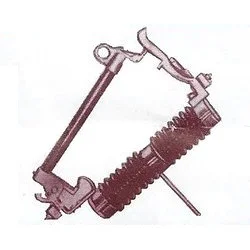
Industrial 33KV D.O. Fuse & Switches For Electrical Safety
Adarsh Enterprises
Industrial Fiber Glass Epoxy Sheets High Strength Heat Resistant Electrical Insulation
Industrial Insulated Aluminum Lugs For Secure Electrical Connections
Industrial Insulated Copper Lugs For Secure Electrical Connections
Vijay Trading Corporation
Industrial Electrical Insulation Mica Products High Temperature Resistant
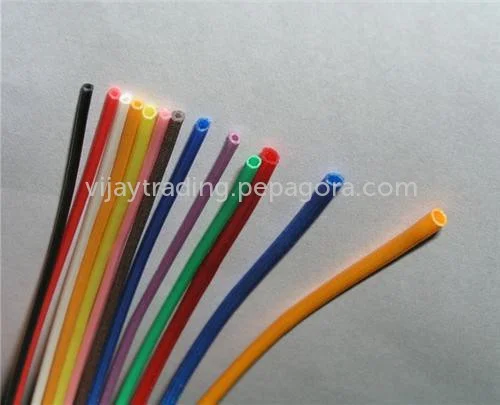
Industrial Silicon Cables High Temperature Fire Resistant Wiring
Industrial Adhesive Tapes For Strong Bonding And Durable Protection
Allied Power Solutions
Lightning Strike Recorder LSR Counter IP67 6 Digit Display 1500A 220kA
ESE Air Terminal NFC 17 102 Lightning Protection For High Rise Buildings
Industrial Commercial Voltage Stabilizers Surge Protectors Power Protection
Alpha Electrical Industries
Industrial Current Transformers For Indoor Outdoor Installation OEM
11KV Epoxy Cast Components For Electrical Insulation And Support
Epoxy Insulators For Bus Bar Support In Electrical Systems
Yog Electrical
Industrial Plain Steel Bars For Construction And Manufacturing
Premium Stay Wire High Tensile Strength Corrosion Resistant Electrical Construction
Industrial Hot Dip Galvanized Wire BWG8 BWG16 Corrosion Resistant
Jaya Electronics
Industrial PTFE Multicore Wires High Temperature Signal Transmission
Industrial PTFE Thermocouple Wires For Extreme Temperature Measurement
Aerospace Military Medical PTFE Equipment Wires High Performance Durable
A.M. Refractories & Monolithics
Non Explosive Demolition Agent Low Heat Expansive Cement For Quarrying
Premium OEM Mortars Mixture For Construction Unmatched Durability
Refractory Brick Sleeves For Steel Foundries OEM New Durable
Yog Electrical
Industrial Electrical Distribution 11KV 33KV Air Break Switches
Premium Mild Steel Beams For Construction And Engineering
Premium Stay Wire For Electrical And Telecom Infrastructure Support
Paras Enterprises
High Voltage Anti Tracking Heat Shrink Tubing 36kV Insulation
Halogen Free Heat Shrink Tubing Flame Retardant Electrical Insulation
Industrial Dual Wall Heat Shrink Tubing Waterproof Insulation Adhesive
Why Businesses Trust Pepagora
Thousands of companies trust Pepagora to source smarter and sell faster
Expand Your Sales Globally
25000+Products listed.Get discovered by global buyers
Tools to boost visibility
Build your own catalog

Source Smarter,Grow Faster
4000+Active RFQs
100+ Countries served
Easy Sourcing Tools
