
 IN
INundefined
Heat Resistant Alloys
13 products available
𝗪𝗵𝗮𝘁 𝗮𝗿𝗲 𝗛𝗲𝗮𝘁 𝗥𝗲𝘀𝗶𝘀𝘁𝗮𝗻𝘁 𝗔𝗹𝗹𝗼𝘆𝘀?
Heat resistant alloys are specialized metal alloys designed to withstand high temperatures while maintaining their mechanical properties and structural integrity. These materials are engineered to resist oxidation, corrosion, and deformation at elevated temperatures, making them essential in various industrial applications. The unique composition of heat resistant alloys often includes elements like nickel, chromium, and cobalt, which enhance their performance in extreme conditions.
Primarily, heat resistant alloys are used in industries such as aerospace, automotive, power generation, and chemical processing. In these sectors, they are crucial for components exposed to high heat and stress, such as turbine blades, furnace linings, and exhaust systems. The growing demand for energy efficiency and sustainability in manufacturing processes has further driven the market for heat resistant alloys, as companies seek materials that can operate reliably under challenging environments.
The relevance of heat resistant alloys in today's market cannot be understated. As industries evolve and technological advancements continue, the need for high-performance materials remains a top priority. This has led to increased research and development efforts aimed at improving the properties of heat resistant alloys, ensuring they meet the rigorous demands of modern applications.
𝗞𝗲𝘆 𝗙𝗲𝗮𝘁𝘂𝗿𝗲𝘀 𝗮𝗻𝗱 𝗦𝗽𝗲𝗰𝗶𝗳𝗶𝗰𝗮𝘁𝗶𝗼𝗻𝘀
Heat resistant alloys come with several key features that make them suitable for high-temperature environments. These features include excellent thermal stability, resistance to thermal fatigue, and outstanding oxidation resistance. The specifications of these alloys are critical for ensuring they perform well in their intended applications.
Key specifications include:
1. Temperature Resistance
- Capable of withstanding temperatures up to 1,200 degrees Celsius or more.
- Maintains strength and performance under prolonged exposure to heat.
2. Corrosion Resistance
- Formulated to resist oxidation and degradation in harsh environments.
- Effective against various corrosive agents, including acids and salts.
3. Mechanical Strength
- High tensile strength and yield strength at elevated temperatures.
- Retains structural integrity under mechanical stress.
4. Ductility
- Maintains flexibility and formability at high temperatures.
- Allows for ease of fabrication and shaping into required components.
5. Thermal Conductivity
- Designed to manage heat transfer effectively.
- Balances conductivity with resistance to thermal expansion.
6. Fabrication Techniques
- Compatible with various manufacturing processes such as welding, casting, and machining.
- Suitable for creating complex geometries required in advanced applications.
In summary, the key specifications of heat resistant alloys highlight their performance characteristics, making them indispensable in industries where high temperatures are prevalent.
𝗖𝗼𝗺𝗺𝗼𝗻 𝗔𝗽𝗽𝗹𝗶𝗰𝗮𝘁𝗶𝗼𝗻𝘀 𝗮𝗻𝗱 𝗨𝘀𝗲 𝗖𝗮𝘀𝗲𝘀
Heat resistant alloys are utilized across a broad range of industries, owing to their unique properties.
1. Aerospace: These alloys are critical for turbine engines, where they endure extreme temperatures and pressures. They are also used in combustion chambers and exhaust systems, ensuring reliable performance.
2. Automotive: In the automotive sector, heat resistant alloys are employed in exhaust manifolds and turbocharger components. They help improve engine efficiency and reduce emissions.
3. Power Generation: Power plants utilize heat resistant alloys in boilers and turbines. Their ability to withstand high temperatures is essential for maximizing energy production.
4. Chemical Processing: In chemical manufacturing, these alloys are used for reactor vessels and heat exchangers, where they resist corrosive substances and high temperatures.
5. Oil and Gas: Heat resistant alloys are crucial in drilling and refining processes, offering durability in extreme conditions where high pressures and temperatures are the norm.
6. Metal Processing: These materials are used in furnaces and kilns, where they withstand continuous heat and maintain structural integrity during metal extraction and processing.
7. Marine: In marine applications, heat resistant alloys are used in exhaust systems and components exposed to high temperatures and corrosive seawater environments.
𝗣𝗿𝗼𝗱𝘂𝗰𝘁 𝗩𝗮𝗿𝗶𝗮𝗻𝘁𝘀 𝗮𝗻𝗱 𝗦𝘂𝗯𝗰𝗮𝘁𝗲𝗴𝗼𝗿𝗶𝗲𝘀
Heat resistant alloys come in various forms to cater to specific industrial needs. This diversity allows manufacturers to select the most suitable variant for their particular application.
Nickel-Based Alloys: These alloys are known for their exceptional high-temperature strength and oxidation resistance. They are commonly used in aerospace and power generation applications.
Cobalt-Based Alloys: Cobalt alloys offer excellent wear resistance and are often used in gas turbines and high-performance engines. Their strength at elevated temperatures makes them ideal for demanding environments.
Iron-Based Alloys: Known for their cost-effectiveness, iron-based heat resistant alloys are widely used in applications that do not require the extreme performance of nickel or cobalt variants. They are often found in automotive exhaust systems.
Titanium Alloys: While not as common, titanium alloys offer a unique combination of lightweight properties and good high-temperature performance. They are used in specialized applications where weight savings are critical.
𝗕𝗲𝗻𝗲𝗳𝗶𝘁𝘀 𝗮𝗻𝗱 𝗔𝗱𝘃𝗮𝗻𝘁𝗮𝗴𝗲𝘀
The use of heat resistant alloys provides several advantages to businesses that rely on high-performance materials.
1. Durability: These alloys are engineered to withstand extreme conditions, resulting in longer service life and reduced maintenance costs.
2. Safety: Their ability to resist oxidation and corrosion enhances the safety of operations in high-temperature environments, minimizing the risk of failures.
3. Performance Efficiency: Heat resistant alloys maintain their mechanical properties under stress, leading to improved efficiency in applications like engines and turbines.
4. Versatility: With various alloy types available, manufacturers can choose the optimal material for their specific requirements, ensuring compatibility with their processes.
5. Cost-Effectiveness: Although initial costs may be higher, the longevity and reliability of heat resistant alloys can lead to significant savings over time.
6. Innovation: Ongoing advancements in materials science continue to improve the performance characteristics of heat resistant alloys, offering new opportunities for industrial applications.
𝗕𝘂𝘆𝗶𝗻𝗴 𝗚𝘂𝗶𝗱𝗲 𝗳𝗼𝗿 𝗕𝟮𝗕 𝗕𝘂𝘆𝗲𝗿𝘀
When sourcing heat resistant alloys, it is essential for B2B buyers to consider various factors to ensure they select the right materials for their needs.
1. Quality Assessment: Evaluate the quality of the alloys through certifications and testing reports. Look for compliance with industry standards to ensure reliability.
2. Supplier Verification: Vet suppliers to confirm their reputation and reliability. Check for reviews, references, and their history of delivering quality products.
3. Pricing and MOQ: Understand the pricing structures and minimum order quantities required by suppliers. Balance cost with quality to ensure optimal purchasing decisions.
4. Delivery and Lead Times: Consider the logistics involved in sourcing materials. Ensure suppliers can meet your production schedules with timely deliveries.
5. Compliance Requirements: Be aware of any regulatory compliance needs specific to your industry. This may include environmental standards or safety certifications.
𝗖𝗼𝗺𝗽𝗹𝗶𝗮𝗻𝗰𝗲 𝗮𝗻𝗱 𝗖𝗲𝗿𝘁𝗶𝗳𝗶𝗰𝗮𝘁𝗶𝗼𝗻𝘀
Heat resistant alloys must adhere to various quality standards to ensure they meet industry requirements. Notable standards include ISO 9001, which focuses on quality management systems, ensuring consistent quality in manufacturing processes. Additionally, compliance with the CE certification signifies that the products meet EU safety, health, and environmental protection standards.
Safety and testing requirements also play a crucial role in the manufacturing of heat resistant alloys. Regular testing for performance under high temperatures and corrosive environments is essential. Furthermore, regional compliance considerations may vary, demanding that suppliers understand and meet local regulations.
𝗪𝗵𝘆 𝗦𝗼𝘂𝗿𝗰𝗲 𝗛𝗲𝗮𝘁 𝗥𝗲𝘀𝗶𝘀𝘁𝗮𝗻𝘁 𝗔𝗹𝗹𝗼𝘆𝘀 𝗳𝗿𝗼𝗺 𝗣𝗲𝗽𝗮𝗴𝗼𝗿𝗮?
Pepagora offers a reliable platform for sourcing heat resistant alloys, providing several key advantages to B2B buyers.
Verified Supplier Network: Pepagora connects buyers with a network of verified suppliers, ensuring that you source materials from trusted manufacturers who meet quality standards.
Streamlined RFQ Process: The platform simplifies the request for quotation process, allowing buyers to easily compare prices and specifications from multiple suppliers, facilitating informed purchasing decisions.
Trade Assurance and Support: With trade assurance measures in place, Pepagora protects buyers from potential risks, ensuring a smooth transaction and providing support throughout the purchasing process.
Regional Coverage: Pepagora serves a wide geographic area, including India, the GCC, and Southeast Asia, enabling businesses to source heat resistant alloys from reliable suppliers across these regions.
Newly Added


Recently Added
M Coil Spring Manufacturing Company
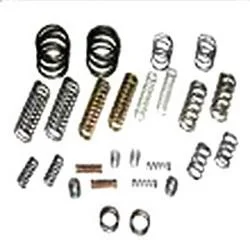
Industrial Conical Springs For Space Optimization And Progressive Force
Automotive Compression Springs Bronze Nickel Anti Corrosion
Industrial Spiral Springs for Drilling Machines and Weighing Scales
Manhar Metal Supply Coporation
Industrial Titanium Elbows Gr1 Gr23 DN15 DN600 ASTM B363
Premium Titanium Screws And Bolts Gr2 Gr5 Gr7 Gr9 DIN933 ASTMBS
Industrial Hastelloy Alloys Pipes Tubes Sheets Plates Flanges Fittings
Arvind Metal India
Industrial Stainless Steel Sheets Coils Corrosion Resistant Durable
Industrial Monel Inconel Stainless Steel Sheets Coils Corrosion Resistant
Industrial Stainless Steel Sheets Coils Corrosion Resistant Durable
Mipalloy
Industrial Welding Mipalloy 4 Beryllium Copper Stud Welder Collets
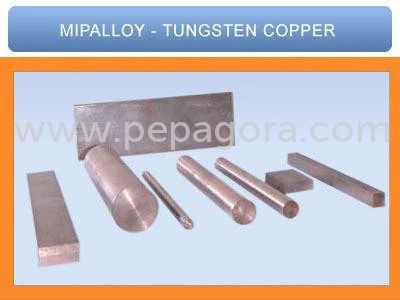
Industrial Chromium Copper Alloy High Strength Electrical Conductivity
Industrial Nickel Silicon Chromium Copper Alloy High Hardness Electrical Conductivity
Ascent Alloy
Premium Welding Electrodes For Mild Steel, Pipe, And High Tensile Steel
Premium Satellite Bare Rods And Deloro Satellite Boards For Industrial Welding
Low Heat Welding Electrodes For Precision Repair And Maintenance
Ashoka Enterprises
Industrial Commercial Corrosion Resistant Steel Heaters Energy Efficient
Industrial Steel Heaters Corrosion Resistant Energy Efficient
Industrial Steel Tube Heaters For OEMs And Manufacturing
Adarsh Tube Traders
Industrial ASTM Grade Pipes And Tubes For Fluid Transport And Structural Use
Industrial Plates And Sheets Premium Grades Custom Sizes
Premium Steel Grades TP 304/L/H 316/L/H 321/H 310S/H 317/L Industrial Use
C M Trading Co
Industrial Aluminum Clips 99.6% Purity Corrosion Resistant Fastening
Industrial Molybdenum Wires High Heat Resistance Electrical Conductivity
Industrial Tungsten Wires For High Temperature Applications
Alucraft Technologies
Industrial Aluminium Casting Scrap For Remelting Manufacturing
Premium Aluminum Gravity Pressure Die Casting Parts For Automotive Aerospace
Industrial Brass Honey Scrap High Purity For Foundry Automotive
Bharat Metal
Premium OHNS Die Steel Supplier O1 O2 O6 O7 Grades Rods Flats Sheets Patta
Industrial Tooling HCHCR Die Steel Wear Resistant High Durability
D 2 Die Steel High Carbon High Chromium Tool Steel For Precision Tooling
Why Businesses Trust Pepagora
Thousands of companies trust Pepagora to source smarter and sell faster
Expand Your Sales Globally
25000+Products listed.Get discovered by global buyers
Tools to boost visibility
Build your own catalog

Source Smarter,Grow Faster
4000+Active RFQs
100+ Countries served
Easy Sourcing Tools
