
 IN
INundefined
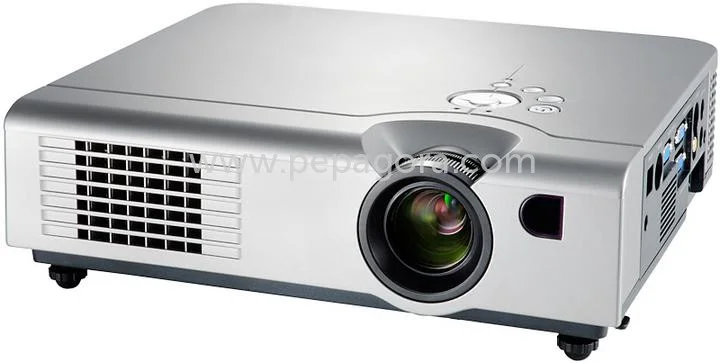
HD & 4K Projectors
19 products available
𝗪𝗵𝗮𝘁 𝗮𝗿𝗲 𝗛𝗗 & 𝟰𝗞 𝗣𝗿𝗼𝗷𝗲𝗰𝘁𝗼𝗿𝘀?
HD and 4K projectors are advanced display devices designed to project high-definition images and videos onto screens or surfaces. HD projectors typically offer resolutions of 1280x720 pixels or 1920x1080 pixels, while 4K projectors provide a sharper image with resolutions of 3840x2160 pixels. These projectors utilize various technologies such as DLP, LCD, and LCoS to deliver vibrant colors and clear visuals, making them suitable for professional and entertainment applications.
In the business context, HD and 4K projectors are widely used for presentations, training sessions, and video conferencing. They enhance visual communication by providing high-quality images that can engage audiences effectively. Industries such as education, corporate, and entertainment leverage these projectors for seminars, product launches, and movie screenings, making them essential tools for modern visual communication.
The market for HD and 4K projectors is rapidly growing, driven by advancements in technology and increasing demand for high-quality visual experiences. Businesses are investing in these projectors to improve their presentation capabilities and enhance customer experiences. As companies look for ways to stand out in a competitive landscape, HD and 4K projectors play a crucial role in delivering impactful presentations and immersive experiences.
𝗞𝗲𝘆 𝗙𝗲𝗮𝘁𝘂𝗿𝗲𝘀 𝗮𝗻𝗱 𝗦𝗽𝗲𝗰𝗶𝗳𝗶𝗰𝗮𝘁𝗶𝗼𝗻𝘀
When selecting HD and 4K projectors, it is important to understand their key features and specifications. These specifications determine the projector's performance, image quality, and suitability for specific applications. The following are important specifications to consider:
1. Resolution
- HD projectors typically offer 1080p resolution, while 4K projectors provide 4K resolution.
- Higher resolutions result in sharper images and finer detail.
2. Brightness
- Measured in lumens, brightness affects visibility in different lighting conditions.
- Projectors with higher lumens are suitable for well-lit environments.
3. Contrast Ratio
- This ratio measures the difference between the darkest and brightest parts of an image.
- A higher contrast ratio results in better image quality and depth.
4. Connectivity Options
- Projectors should have various inputs such as HDMI, USB, and VGA for versatility.
- Wireless connectivity options are increasingly common for ease of use.
5. Throw Distance
- This refers to the distance between the projector and the screen.
- Short throw projectors are ideal for smaller spaces, while long throw projectors are needed for larger venues.
6. Lamp Life
- The lifespan of the projector's lamp is critical for maintenance and operational costs.
- More extended lamp life reduces the frequency of replacements.
7. Sound Quality
- Built-in speakers may vary in quality, so external sound systems are sometimes necessary.
- Consider projectors with good audio features for standalone use.
8. Portability
- Some projectors are designed to be lightweight and easy to transport.
- Portability is a key feature for businesses that require on-the-go presentations.
Understanding these specifications helps buyers choose the right projector for their needs and ensures they get the best value for their investment.
𝗖𝗼𝗺𝗺𝗼𝗻 𝗔𝗽𝗽𝗹𝗶𝗰𝗮𝘁𝗶𝗼𝗻𝘀 𝗮𝗻𝗱 𝗨𝘀𝗲 𝗖𝗮𝘀𝗲𝘀
HD and 4K projectors find applications across various industries, enhancing visual communication and engagement.
1. Education: In educational institutions, projectors are used for lectures, presentations, and interactive learning sessions. They help teachers present complex information in an engaging way.
2. Corporate: Many businesses utilize projectors for meetings, training sessions, and conferences. High-quality visuals contribute to better understanding and retention of information.
3. Entertainment: The entertainment industry uses projectors for film screenings and live events. High-resolution projectors create immersive experiences for audiences.
4. Hospitality: Hotels and conference centers use projectors for events, presentations, and entertainment purposes. They enhance the guest experience and provide versatile options for event planners.
5. Retail: Retailers use projectors for advertising and showcasing products. Engaging visuals can attract customers and enhance marketing efforts.
6. Healthcare: In medical settings, projectors are used for training, presentations, and patient education. They facilitate effective communication of complex medical information.
7. Gaming: Gamers use 4K projectors for an immersive gaming experience. High resolution and brightness enhance gameplay and visual fidelity.
𝗣𝗿𝗼𝗱𝘂𝗰𝘁 𝗩𝗮𝗿𝗶𝗮𝗻𝘁𝘀 𝗮𝗻𝗱 𝗦𝘂𝗯𝗰𝗮𝘁𝗲𝗴𝗼𝗿𝗶𝗲𝘀
HD and 4K projectors come in various types, each designed for specific applications and environments.
Portable Projectors
These projectors are lightweight and designed for mobility, making them ideal for business professionals who travel frequently. They often come with built-in batteries and wireless capabilities for ease of use.
Home Theater Projectors
These projectors are designed for home entertainment and provide high-quality images for movies and gaming. They typically offer advanced features like high contrast ratios and superior color accuracy.
Business Projectors
Business projectors focus on versatility and connectivity, allowing users to present in various environments. They often include features like high brightness and multiple input options to accommodate different devices.
𝗕𝗲𝗻𝗲𝗳𝗶𝘁𝘀 𝗮𝗻𝗱 𝗔𝗱𝘃𝗮𝗻𝘁𝗮𝗴𝗲𝘀
Investing in HD and 4K projectors offers several advantages for businesses and organizations.
1. Enhanced Visual Experience: High resolution and brightness levels provide clear and vibrant images, improving audience engagement.
2. Versatility: Projectors are suitable for multiple applications, from corporate presentations to home entertainment, making them a valuable asset.
3. Cost-Effective: With longer lamp life and reduced maintenance costs, projectors can be a more economical choice compared to large display screens.
4. Portability: Many projectors are designed to be lightweight and easy to transport, allowing for presentations in various locations.
5. Easy Setup: Most projectors are user-friendly and can be set up quickly, saving time during events and presentations.
6. High Connectivity: With various input options, projectors can connect to multiple devices, making them versatile for different uses.
𝗕𝘂𝘆𝗶𝗻𝗴 𝗚𝘂𝗶𝗱𝗲 𝗳𝗼𝗿 𝗕𝟮𝗕 𝗕𝘂𝘆𝗲𝗿𝘀
When sourcing HD and 4K projectors, businesses should consider key factors to ensure they make informed purchasing decisions.
1. Quality Assessment: Evaluate the projector's image quality, brightness, and resolution to ensure it meets your business needs. Look for reviews and specifications that indicate reliability.
2. Supplier Verification: Vet suppliers by checking their reputation, certifications, and customer feedback. Ensure they can provide reliable products and support.
3. Pricing and MOQ: Understand the pricing structure and minimum order quantities (MOQ) offered by suppliers. Negotiate terms to align with your budget and needs.
4. Delivery and Lead Times: Consider the logistics of delivery times and ensure the supplier can meet your deadlines. This is crucial for timely project implementation.
5. Compliance Requirements: Check for compliance with relevant industry standards and regulations. This ensures the projectors meet safety and quality requirements.
𝗖𝗼𝗺𝗽𝗹𝗶𝗮𝗻𝗰𝗲 𝗮𝗻𝗱 𝗖𝗲𝗿𝘁𝗶𝗳𝗶𝗰𝗮𝘁𝗶𝗼𝗻𝘀
Compliance and certifications are essential aspects of ensuring the quality and safety of HD and 4K projectors. Relevant quality standards, such as ISO 9001, ensure that manufacturers adhere to stringent quality management practices. This certification indicates that the manufacturer maintains high standards in their production processes.
Industry certifications, such as CE, demonstrate that the projectors meet European safety, health, and environmental protection standards. This certification is crucial for buyers who wish to ensure their products are compliant with regional regulations.
Additionally, safety and testing requirements must be met to guarantee that projectors operate safely in various environments. Regional compliance considerations may also apply, depending on local regulations and market requirements.
𝗪𝗵𝘆 𝗦𝗼𝘂𝗿𝗰𝗲 𝗛𝗗 & 𝟰𝗞 𝗣𝗿𝗼𝗷𝗲𝗰𝘁𝗼𝗿𝘀 𝗳𝗿𝗼𝗺 𝗣𝗲𝗽𝗮𝗴𝗼𝗿𝗮?
Pepagora provides a trusted platform for sourcing HD and 4K projectors, offering several key advantages to businesses.
Verified Supplier Network: Pepagora connects buyers with a network of verified suppliers, ensuring that all listed products meet high-quality standards. Buyers can trust that they are working with reputable manufacturers.
Streamlined RFQ Process: The platform facilitates a smooth request for quotation (RFQ) process, allowing buyers to easily compare different suppliers and their offerings. This efficiency saves time and helps buyers find the best deals.
Trade Assurance and Support: Pepagora offers trade assurance to protect buyers during transactions, ensuring they receive quality products and support throughout the purchasing process. This added layer of security builds trust between buyers and suppliers.
Regional Coverage: With a focus on India, the GCC, and Southeast Asia, Pepagora provides extensive geographic reach. This allows businesses to access a diverse range of suppliers and products tailored to their regional needs.
Newly Added





Recently Added
Compex Technologies P. Limited
Epson Printers Projectors POS Systems Large Format Plotters
Industrial Barcode Scanners For Inventory And POS Systems
Warehouse Healthcare Logistics E commerce 4.09 Inch Thermal Barcode Printer
Datum Technosys Private Limited
Security CCTV Cameras High Definition Surveillance Commercial Industrial
Office High Speed Copy Printer For High Volume Document Duplication
Commercial Deep Freezer 20C 152L Horizontal Ultra Low Temperature
Aztec Info Tech Private Limited
Enterprise Antivirus Software For Large Business Networks Security
Business Desktop Computers High Performance Reliable HCL
SME Secure VPN Router With 25 Tunnels And Wireless G
Cinesonic Group
High Resolution CCTV Cameras For Commercial And Industrial Security
IP Surveillance Systems High Speed Networks Advanced Video Motion Detection
Professional HD Video Conference System With Secure Data Sharing
Audio Visual Equipment Rental Services
Professional LCD Projectors For Business Education Events
Premium Plasmas And LCDs For Reliable Display Solutions
Automotive Speakers Superior Sound Clarity Reliability Durability
AV Media Solutions
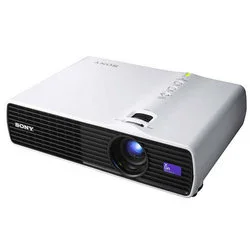
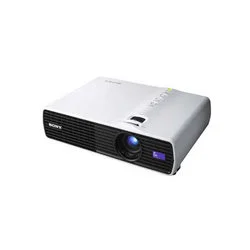
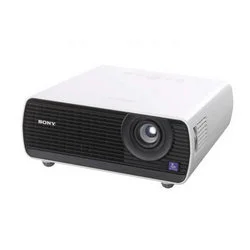
Professional Desktop Projector 3000 Lumens XGA Resolution Sony VPL D Series
Professional Desktop Projector VPL DX15 High Brightness USB PC Less
Professional Fixed Installation DLP Projector For Boardrooms And Classrooms
Hi-Tech Equipments Company
Educational & Industrial OEM Spectrometer for Accurate Measurement & Analysis
Premium Dissection Kit OEM Supply Standard New Durable Educational Medical
Reliable OEM LCD Projectors For Education And Business Presentations
Alpha Infotech
Business Education Home Theater LCD Digital Projector Portable
Professional DLP Projector 1600 Lumens Portable Durable For Education
Premium Biometric Fingerprint Door Locks For Advanced Security Access Control
Expandore Electronics India Pvt Ltd
Professional JVC Camcorders PAL 4.3 Inch LCD CMOS Sensors Durable
Professional JVC GY HM890 PAL Camcorder 20x Zoom Dual SD Recording
Professional JVC PAL Camcorder with Optical Image Stabilizer & 3.0 Inch LCD
Anand Audio Visual
Professional Ceramic Steel Chalk Board Magnetic Durable High Visibility
Premium Phenolic Chalk Boards For Classrooms And Training Centers
Education Projector Mitsubishi XD221U Bright Image Quality Compact
Why Businesses Trust Pepagora
Thousands of companies trust Pepagora to source smarter and sell faster
Expand Your Sales Globally
25000+Products listed.Get discovered by global buyers
Tools to boost visibility
Build your own catalog

Source Smarter,Grow Faster
4000+Active RFQs
100+ Countries served
Easy Sourcing Tools
