
 IN
INundefined
Hard Candies & Lollipops
3 products available
𝗪𝗵𝗮𝘁 𝗮𝗿𝗲 𝗛𝗮𝗿𝗱 𝗖𝗮𝗻𝗱𝗶𝗲𝘀 & 𝗟𝗼𝗹𝗹𝗶𝗽𝗼𝗽𝘀?
Hard candies and lollipops are confections made primarily from sugar, corn syrup, and flavorings, resulting in a sweet and often colorful treat. Hard candies are typically small, bite-sized, and have a firm texture that dissolves slowly in the mouth. Lollipops are larger, often on a stick, and can come in a variety of shapes and flavors. Both types can be produced in numerous flavors, colors, and shapes, making them appealing to a wide range of consumers.
These products are commonly used in various industries including food and beverage, retail, and hospitality. They serve as promotional items, party favors, and seasonal gifts. Hard candies and lollipops also play a significant role in the confectionery market, where they can be found in stores, vending machines, and online. The demand for these products continues to grow, largely driven by consumer preferences for unique flavors and nostalgic confections.
In the context of the industry, hard candies and lollipops are significant contributors to the global confectionery market. The market is characterized by constant innovation in flavors and packaging, catering to health-conscious consumers with options like sugar-free and natural ingredient versions. This relevance underscores the importance of understanding product specifications and sourcing options for B2B buyers.
𝗞𝗲𝘆 𝗙𝗲𝗮𝘁𝘂𝗿𝗲𝘀 𝗮𝗻𝗱 𝗦𝗽𝗲𝗰𝗶𝗳𝗶𝗰𝗮𝘁𝗶𝗼𝗻𝘀
Hard candies and lollipops come with several key features that define their quality and usability. Understanding these specifications is crucial for businesses looking to source these products effectively.
Key specifications include:
1. Flavor Variety
- Includes fruit flavors, mint, chocolate, and specialty flavors.
- Cater to diverse consumer preferences.
2. Color Options
- Available in a wide range of colors.
- May include natural colorings for health-conscious consumers.
3. Shape and Size
- Offered in various shapes such as round, square, and custom designs.
- Sizes can range from small candies to large lollipops.
4. Packaging Types
- Can be packaged in bulk, retail bags, or individually wrapped.
- Packaging options can impact shelf life and appeal.
5. Shelf Life
- Typically has a long shelf life if stored properly.
- Shelf life can vary based on ingredients and packaging.
6. Nutritional Information
- Information on calories, sugar content, and allergens is essential.
- Transparency in labeling meets consumer demand for health awareness.
7. Compliance with Safety Standards
- Must adhere to food safety regulations, including certifications like CE.
- Compliance ensures product safety and marketability.
In summary, understanding the key features and specifications of hard candies and lollipops is vital for businesses in sourcing and selling these products. The right specifications can enhance product appeal and meet consumer demands.
𝗖𝗼𝗺𝗺𝗼𝗻 𝗔𝗽𝗽𝗹𝗶𝗰𝗮𝘁𝗶𝗼𝗻𝘀 𝗮𝗻𝗱 𝗨𝘀𝗲 𝗖𝗮𝘀𝗲𝘀
Hard candies and lollipops find use across various industries due to their widespread popularity and versatility.
1. Food and Beverage Industry: These products are often included in dessert menus, promotional giveaways, and seasonal offerings. They can enhance customer experience in restaurants and cafes.
2. Retail Sector: Hard candies and lollipops are popular items in candy stores, supermarkets, and convenience stores. They are often displayed prominently to attract impulse buyers.
3. Events and Parties: Many event organizers use these candies as party favors or game prizes. They add a fun element to gatherings and celebrations.
4. Hospitality Industry: Hotels and resorts may offer hard candies and lollipops in guest rooms or at receptions. They serve as a sweet touch to enhance guest satisfaction.
5. Promotional Merchandise: Businesses often use custom-branded lollipops as promotional items. They are effective for marketing campaigns and brand visibility.
6. Seasonal Sales: These candies are especially popular during holidays like Halloween, Christmas, and Valentine's Day, where they are packaged in themed assortments.
7. Children’s Products: Hard candies and lollipops are particularly appealing to children and are commonly used in children’s parties, schools, and daycare centers.
𝗣𝗿𝗼𝗱𝘂𝗰𝘁 𝗩𝗮𝗿𝗶𝗮𝗻𝘁𝘀 𝗮𝗻𝗱 𝗦𝘂𝗯𝗰𝗮𝘁𝗲𝗴𝗼𝗿𝗶𝗲𝘀
The diversity of hard candies and lollipops allows for a range of variants that cater to different markets and consumer preferences.
Fruit-Flavored Hard Candies
These candies are available in a variety of fruit flavors, offering sweetness and a burst of flavor. They are often used in retail settings and are popular among consumers of all ages.
Sugar-Free Lollipops
Designed for health-conscious consumers, these lollipops provide a sweet treat without the added sugar. They are ideal for those managing their sugar intake while still enjoying a confection.
Gourmet Hard Candies
Gourmet options often feature unique flavors and high-quality ingredients. They cater to niche markets looking for premium candy experiences.
Novelty Lollipops
These lollipops come in fun shapes and designs, appealing especially to children. They are often used for parties and events, making them a popular choice for celebration themes.
𝗕𝗲𝗻𝗲𝗳𝗶𝘁𝘀 𝗮𝗻𝗱 𝗔𝗱𝘃𝗮𝗻𝘁𝗮𝗴𝗲𝘀
Sourcing hard candies and lollipops provides several advantages for businesses looking to enhance their product offerings.
Key benefits include:
1. Wide Market Appeal: These products attract a diverse customer base, making them easy to sell in various settings.
2. Customization Options: Many manufacturers offer customization in flavors, shapes, and packaging, allowing businesses to create unique products.
3. Long Shelf Life: Hard candies and lollipops typically have a long shelf life, reducing waste and inventory costs.
4. Seasonal Flexibility: They can be marketed for various holidays and seasons, maximizing sales opportunities throughout the year.
5. Brand Promotion: Custom-branded candies serve as effective marketing tools, creating brand awareness and customer loyalty.
6. Easy to Store: These products require minimal storage space and do not need refrigeration, simplifying logistics for retailers.
𝗕𝘂𝘆𝗶𝗻𝗴 𝗚𝘂𝗶𝗱𝗲 𝗳𝗼𝗿 𝗕𝟮𝗕 𝗕𝘂𝘆𝗲𝗿𝘀
When sourcing hard candies and lollipops, several factors should be considered to ensure quality and satisfaction.
1. Quality Assessment: Evaluate the quality of ingredients used in the candies. Look for natural flavorings and colorings, and verify that the products meet safety standards.
2. Supplier Verification: Vet potential suppliers carefully. Check their reputations, certifications, and reviews to ensure reliability and compliance with industry standards.
3. Pricing and MOQ: Understand pricing structures and minimum order quantities (MOQ) from suppliers. This information is crucial for budget planning and inventory management.
4. Delivery and Lead Times: Inquire about delivery schedules and lead times. Timely delivery is essential for maintaining stock levels and meeting consumer demand.
5. Compliance Requirements: Ensure that the products meet local and international safety and quality standards. Familiarize yourself with relevant regulations to avoid compliance issues.
𝗖𝗼𝗺𝗽𝗹𝗶𝗮𝗻𝗰𝗲 𝗮𝗻𝗱 𝗖𝗲𝗿𝘁𝗶𝗳𝗶𝗰𝗮𝘁𝗶𝗼𝗻𝘀
Compliance and certifications are critical elements in sourcing hard candies and lollipops. Relevant quality standards ensure that products are safe for consumption and meet market expectations.
ISO 9001 is a widely recognized standard for quality management systems. Adhering to this standard ensures that manufacturers maintain consistent quality in their processes and products.
HACCP (Hazard Analysis Critical Control Point) is another essential standard that focuses on food safety. Compliance with HACCP helps in identifying and managing potential hazards in production, ensuring that the candies and lollipops are safe for consumers.
CE certification is important for products sold in the European market, indicating compliance with health, safety, and environmental protection standards. This certification builds trust among consumers and retailers.
Safety testing requirements often include microbiological testing and assessments for allergens. Manufacturers must conduct thorough testing to ensure that their products do not pose health risks.
Regional compliance considerations may vary, so it is essential for businesses to be aware of local regulations and standards applicable to hard candies and lollipops in the areas they operate.
𝗪𝗵𝘆 𝗦𝗼𝘂𝗿𝗰𝗲 𝗛𝗮𝗿𝗱 𝗖𝗮𝗻𝗱𝗶𝗲𝘀 & 𝗟𝗼𝗹𝗹𝗶𝗽𝗼𝗽𝘀 𝗳𝗿𝗼𝗺 𝗣𝗲𝗽𝗮𝗴𝗼𝗿𝗮?
Pepagora offers a reliable platform for sourcing hard candies and lollipops, ensuring quality and convenience for B2B buyers.
Verified Supplier Network: Pepagora connects businesses with a network of verified suppliers. This ensures that buyers can trust the quality and safety of the products they source.
Streamlined RFQ Process: The request for quotation process on Pepagora is designed to be user-friendly. Buyers can easily request quotes from multiple suppliers, helping them find the best deals and options quickly.
Trade Assurance and Support: Pepagora provides trade assurance features that protect buyers throughout the purchasing process. This includes support for resolving disputes and ensuring timely deliveries.
Regional Coverage: With a strong presence in India, the GCC, and Southeast Asia, Pepagora offers extensive geographic reach. This allows businesses to source hard candies and lollipops from various regions, accommodating different market needs.
Newly Added


Recently Added
Shruha Food Industries
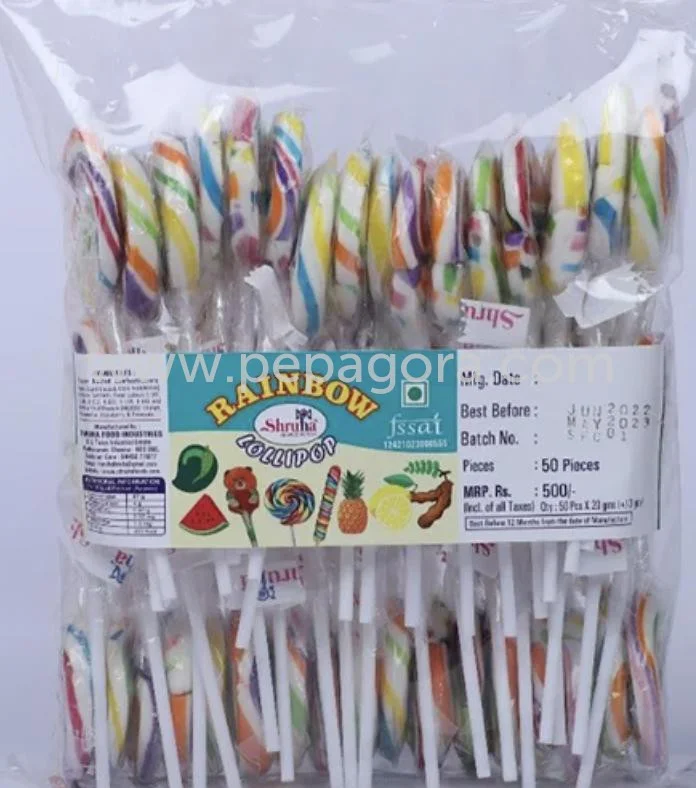
Bulk 50mm Rainbow Lollipop Orange Lemon Flavors
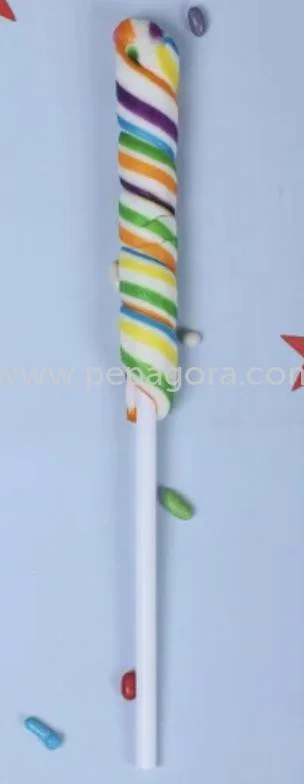
Bulk Jumbo Spring Lollipops Orange Lemon Flavors Multi Colored Candy
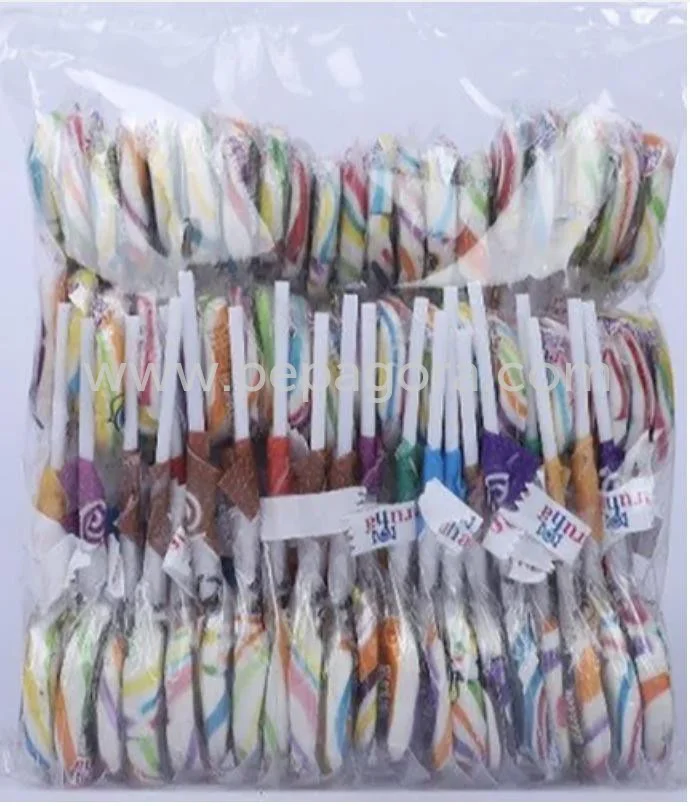
Bulk 40mm Rainbow Lollipops Orange Lemon Flavors For Parties Gifting
Why Businesses Trust Pepagora
Thousands of companies trust Pepagora to source smarter and sell faster
Expand Your Sales Globally
25000+Products listed.Get discovered by global buyers
Tools to boost visibility
Build your own catalog

Source Smarter,Grow Faster
4000+Active RFQs
100+ Countries served
Easy Sourcing Tools
