
 IN
INundefined
Handmade Aromatic Soaps
24 products available
𝗪𝗵𝗮𝘁 𝗮𝗿𝗲 𝗛𝗮𝗻𝗱𝗺𝗮𝗱𝗲 𝗔𝗿𝗼𝗺𝗮𝘁𝗶𝗰 𝗦𝗼𝗮𝗽𝘀?
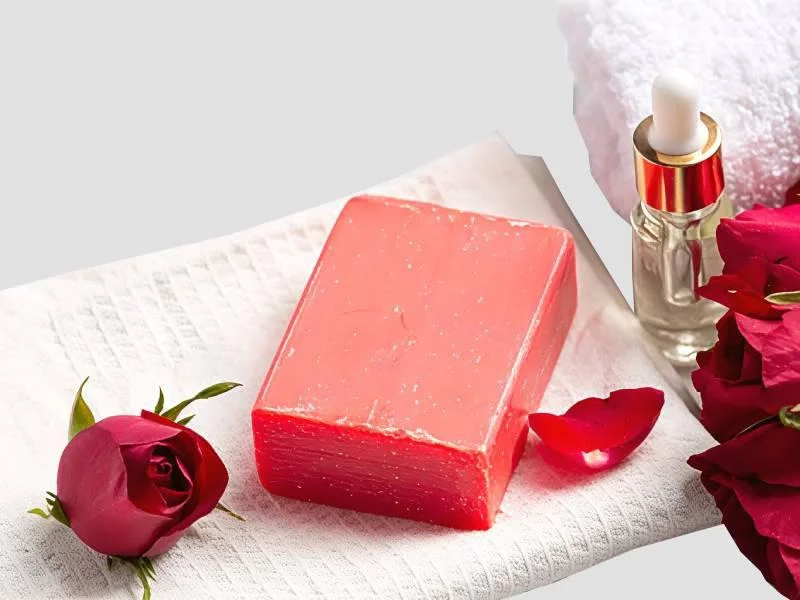
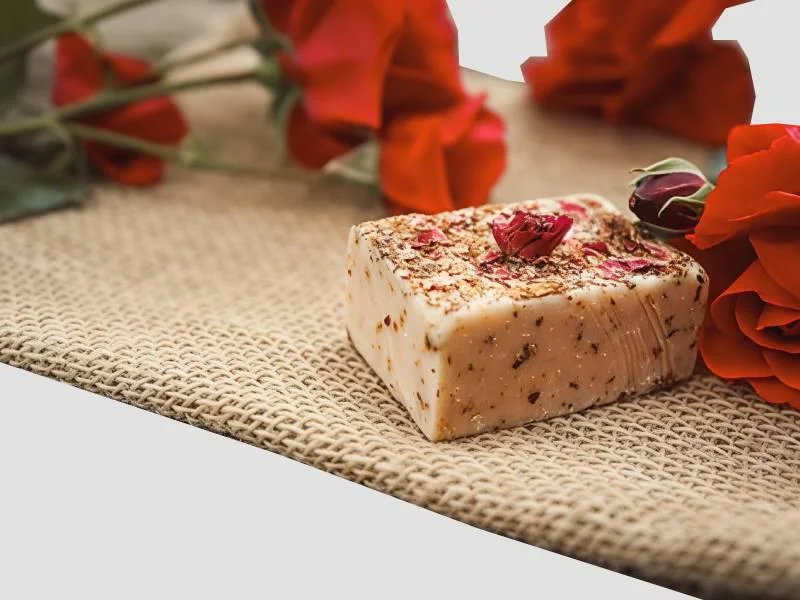
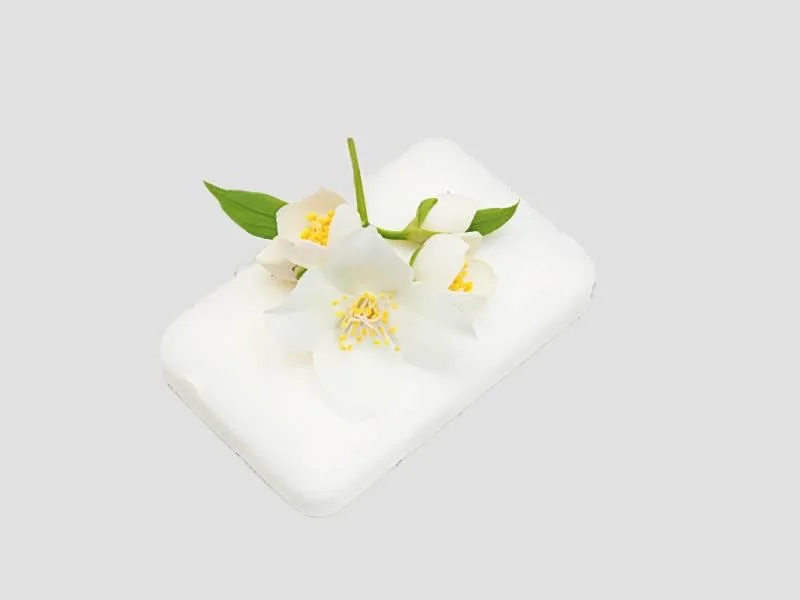
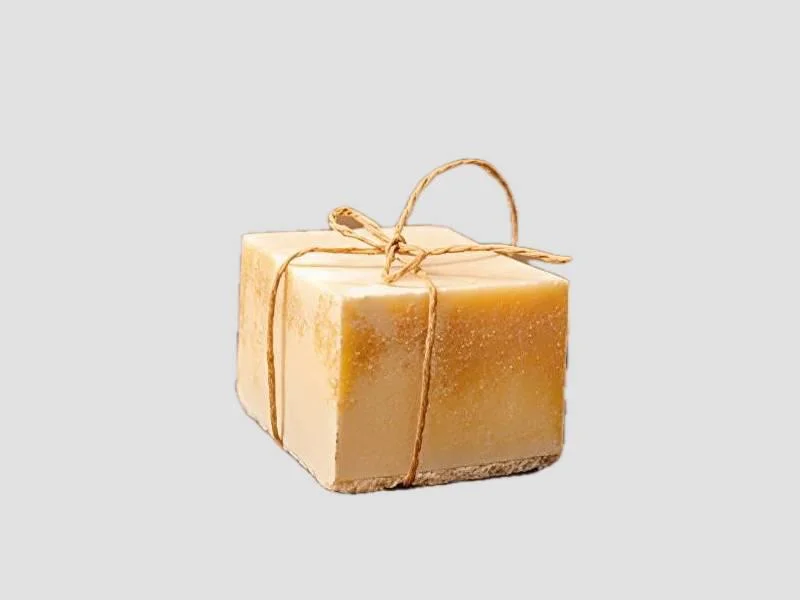
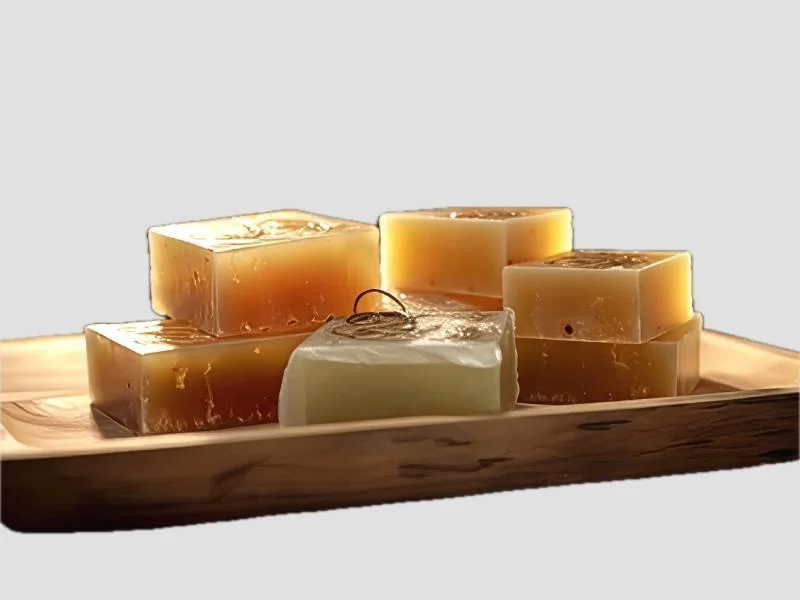
Handmade aromatic soaps are specially crafted cleansing products made from natural ingredients, including oils, fats, and fragrances. Unlike mass-produced soaps, these artisanal creations are often made in small batches, emphasizing quality and unique scents. The process usually involves cold or hot saponification methods, where oils react with an alkali to produce soap. The addition of essential oils and natural fragrances not only enhances their aromatic appeal but also provides various skin benefits.
The primary uses of handmade aromatic soaps extend beyond personal hygiene. They are popular in spas, resorts, and wellness centers, where they contribute to a luxurious and therapeutic bathing experience. In retail, businesses often offer these soaps as gift items or premium products, appealing to consumers looking for natural and eco-friendly options. The growing demand for organic and sustainable products in the personal care industry has made handmade aromatic soaps a relevant and profitable segment.
In the current market context, handmade aromatic soaps are gaining traction due to increased consumer awareness about the benefits of natural ingredients. The rise of eco-consciousness and the trend towards sustainable living have created a favorable environment for these products. As a result, businesses that offer handmade aromatic soaps are positioned well within the beauty and wellness sectors, catering to a niche market that values quality over quantity.
𝗞𝗲𝘆 𝗙𝗲𝗮𝘁𝘂𝗿𝗲𝘀 𝗮𝗻𝗱 𝗦𝗽𝗲𝗰𝗶𝗳𝗶𝗰𝗮𝘁𝗶𝗼𝗻𝘀
Handmade aromatic soaps boast a range of features that set them apart from commercial soaps. These features include the use of natural ingredients, customizable scents, and skin-friendly properties. Businesses looking to source these products should consider specific specifications to ensure quality and effectiveness.
Key specifications include:
1. Ingredients
- Typically composed of natural oils, fats, and essential oils
- Free from synthetic additives and harsh chemicals
2. Scent Profile
- Variety of fragrances available, including floral, herbal, and citrus
- Customizable options for unique scent combinations
3. Skin Benefits
- Often enriched with nourishing ingredients like shea butter and coconut oil
- Formulated to hydrate, soothe, and rejuvenate the skin
4. Packaging
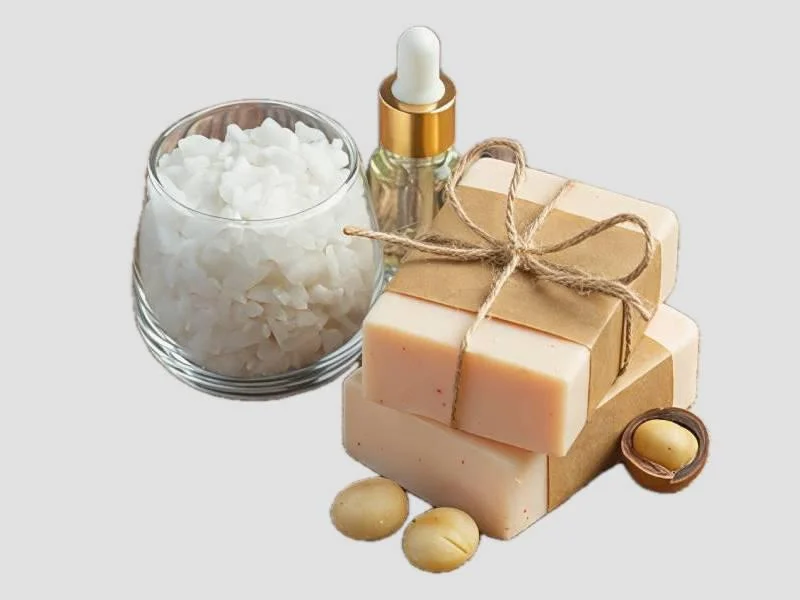
- Typically eco-friendly and biodegradable options available
- Attractive designs that enhance marketability
5. Shelf Life
- Generally has a shelf life of 1 to 3 years, depending on the ingredients used
- Proper storage conditions can extend longevity
6. Production Method
- Handmade using traditional saponification techniques
- Small batch production ensures quality control
7. Certifications
- May include organic or cruelty-free certifications
- CE certification indicating compliance with European standards
8. Minimum Order Quantity (MOQ)
- Varies by supplier but typically ranges from 100 to 500 units
In summary, these specifications highlight the unique characteristics of handmade aromatic soaps, making them appealing to both consumers and businesses in the beauty industry.
𝗖𝗼𝗺𝗺𝗼𝗻 𝗔𝗽𝗽𝗹𝗶𝗰𝗮𝘁𝗶𝗼𝗻𝘀 𝗮𝗻𝗱 𝗨𝘀𝗲 𝗖𝗮𝘀𝗲𝘀
Handmade aromatic soaps are versatile products with applications across various sectors. They are not only used for personal care but also serve as promotional items and gifts.
1. Spa and Wellness: Used in treatments and rituals to enhance relaxation and provide therapeutic benefits to clients.
2. Retail: Sold as premium products in boutiques, health stores, and online platforms, appealing to consumers seeking high-quality, natural options.
3. Hospitality: Often offered in hotels and resorts to elevate guest experiences, adding a touch of luxury to their stay.
4. Gift and Specialty Shops: Frequently packaged attractively for special occasions, making them popular gift items.
5. Corporate Gifting: Used by businesses for promotional purposes, often branded with company logos for marketing events.
6. Personal Care Products: Included in skincare routines for their gentle cleansing and nourishing properties.
7. Craft and DIY: Sought after by hobbyists who create their own custom soap blends for personal use or resale.
𝗣𝗿𝗼𝗱𝘂𝗰𝘁 𝗩𝗮𝗿𝗶𝗮𝗻𝘁𝘀 𝗮𝗻𝗱 𝗦𝘂𝗯𝗰𝗮𝘁𝗲𝗴𝗼𝗿𝗶𝗲𝘀
Handmade aromatic soaps come in various forms, each catering to different preferences and needs. This diversity allows businesses to offer tailored products to their customers.
Lavender Infused Soap
This variant is known for its calming and soothing properties. Infused with lavender essential oil, it is ideal for relaxation and stress relief. It is popular among consumers looking for a gentle cleansing experience that promotes tranquility.
Citrus Burst Soap
With a refreshing blend of citrus essential oils, this soap variant is invigorating and energizing. It is perfect for morning use, helping to awaken the senses and provide a refreshing cleanse.
Herbal Essence Soap
Made with a combination of various herbal extracts, this variant is designed to nourish and rejuvenate the skin. It appeals to consumers who prefer natural ingredients and holistic wellness.
Exotic Spice Soap
Infused with warming spices, this variant offers a unique sensory experience. It is favored by those who enjoy rich, complex scents and seek a more aromatic bathing experience.
𝗕𝗲𝗻𝗲𝗳𝗶𝘁𝘀 𝗮𝗻𝗱 𝗔𝗱𝘃𝗮𝗻𝘁𝗮𝗴𝗲𝘀
Choosing handmade aromatic soaps offers numerous advantages over conventional options. These benefits make them an attractive choice for consumers and businesses alike.
1. Natural Ingredients: Handmade soaps are typically free from harsh chemicals, making them gentler on the skin and suitable for sensitive skin types.
2. Customization: Many suppliers offer the option to customize scents and formulations, allowing businesses to cater to specific customer preferences.
3. Eco-Friendly: These soaps often come in sustainable packaging, appealing to environmentally conscious consumers who prioritize eco-friendly products.
4. Artisan Quality: Handmade soaps are crafted with care, ensuring a higher quality product compared to mass-produced alternatives.
5. Unique Fragrances: The variety of scents available allows consumers to find products that resonate with their personal style and preferences.
6. Health Benefits: Enriched with nourishing ingredients, handmade aromatic soaps can provide additional skincare benefits, such as hydration and soothing properties.
𝗕𝘂𝘆𝗶𝗻𝗴 𝗚𝘂𝗶𝗱𝗲 𝗳𝗼𝗿 𝗕𝟮𝗕 𝗕𝘂𝘆𝗲𝗿𝘀
When sourcing handmade aromatic soaps, businesses should consider several critical factors to ensure they make informed purchasing decisions.
1. Quality Assessment: It is essential to evaluate the quality of the soaps by checking ingredient lists and requesting samples. Look for certifications that validate the quality and safety of the products.
2. Supplier Verification: Conduct thorough research on potential suppliers, including their reputation, production methods, and previous customer reviews. Reliable suppliers should demonstrate transparency and reliability.
3. Pricing and MOQ: Compare prices among different suppliers while considering the minimum order quantity. Ensure that the pricing aligns with your budget and sales strategy.
4. Delivery and Lead Times: Discuss logistics with suppliers to understand their delivery capabilities and lead times. Timely delivery is crucial for maintaining inventory levels.
5. Compliance Requirements: Be aware of any industry regulations and compliance standards that may apply to handmade aromatic soaps, particularly if you plan to distribute them in multiple regions.
𝗖𝗼𝗺𝗽𝗹𝗶𝗮𝗻𝗰𝗲 𝗮𝗻𝗱 𝗖𝗲𝗿𝘁𝗶𝗳𝗶𝗰𝗮𝘁𝗶𝗼𝗻𝘀
Handmade aromatic soaps must adhere to various quality standards and certifications to ensure safety and effectiveness. Key standards include ISO 9001, which focuses on quality management systems, ensuring products meet customer and regulatory requirements.
Additionally, HACCP (Hazard Analysis and Critical Control Points) practices may be implemented in the production process to ensure food safety when ingredients are derived from food sources. Compliance with GDP (Good Distribution Practices) is also essential, particularly for suppliers shipping products across borders.
In the European market, CE certification is important as it indicates that the products meet the necessary health, safety, and environmental protection standards. Regional compliance considerations also play a role, as different countries may have specific regulations regarding cosmetic products. It is crucial for businesses to verify that their suppliers meet these compliance requirements to mitigate risks and ensure product safety.
𝗪𝗵𝘆 𝗦𝗼𝘂𝗿𝗰𝗲 𝗛𝗮𝗻𝗱𝗺𝗮𝗱𝗲 𝗔𝗿𝗼𝗺𝗮𝘁𝗶𝗰 𝗦𝗼𝗮𝗽𝘀 𝗳𝗿𝗼𝗺 𝗣𝗲𝗽𝗮𝗴𝗼𝗿𝗮?
Pepagora offers a reliable platform for sourcing handmade aromatic soaps, providing several distinct advantages for B2B buyers.
Verified Supplier Network: Pepagora has established a robust network of verified suppliers, ensuring that businesses can connect with reputable manufacturers. This reduces the risks associated with sourcing and guarantees quality products.
Streamlined RFQ Process: The platform simplifies the request for quotation process, allowing buyers to easily compare offers from multiple suppliers. This efficiency saves time and enhances decision-making.
Trade Assurance and Support: Pepagora provides trade assurance features that protect buyers against potential risks. This includes support for dispute resolution and assistance throughout the purchasing process.
Regional Coverage: With a focus on key markets such as India, the GCC, and Southeast Asia, Pepagora ensures that buyers have access to a diverse range of handmade aromatic soaps tailored to various regional preferences. This geographic reach enhances product availability and sourcing options for businesses.
Newly Added




Recently Added
Blossom International
Natural Skincare Lotions With Aloe Vera And Neem
Premium Red Chillies For Food Manufacturing And Hospitality
Spice Powders For Food Manufacturers Bulk Supply Quality
Avanti Hair & Skin Products
Avanti Sandal Powder 100% Natural Skincare Puja Product
Avanti Multani Fairness Soap For Oily Skin Acne Marks
Bulk Natural Face Wash Powder For Marks Wrinkles Brightening
FENA PVT LTD
Premium Natural Sesame Seeds For Oil Extraction High Purity
Bulk Premium Lemon Sandal Rose Jasmine Glycerine Soap for Hotels Spas
Premium Glycerine Beauty Solid Soap For Hotels Spas
Orion Health Biotech
Intex Matrix Life Saving Drugs For Emergency Critical Care
Pharmaceutical Anti Cancer Drugs Injections Tablets Capsules
Intex Matrix HIV Drugs Antiretroviral Therapy Viral Suppression
Mange Tout Gifts Trading LLC
Business Gift Hamper With Teddy Bear Belgian Chocolates Scented Candle
Luxury Birthday Balloon Arrangement With Ferrero Rocher And Peonies
Premium Lindt Lindor Swiss Chocolate Bouquet 400g Elegant Gifting
Arul Agencies
Hotel & Spa Sandalwood Soap Pure Oil Formula Moisturizing Cleanser
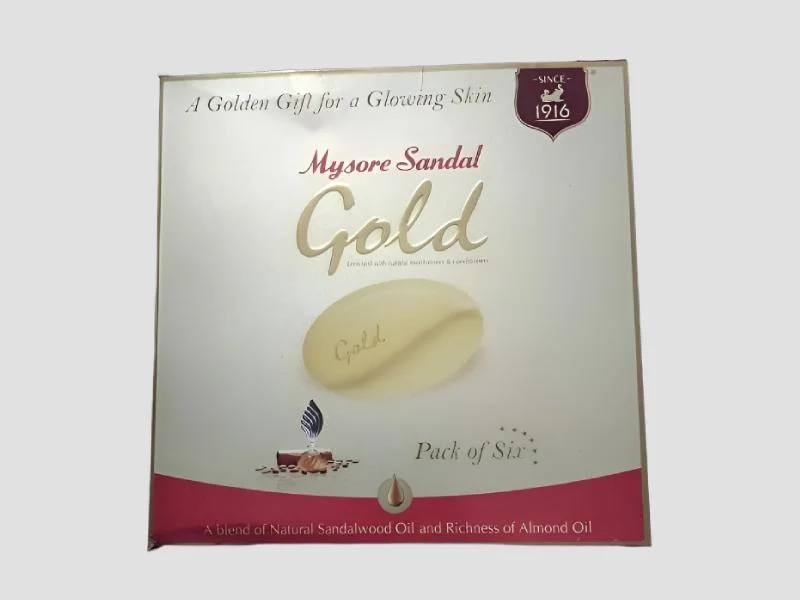
Premium Hospitality & Personal Care Mysore Sandal Soap Luxury Fragrance
Healthcare & Hospitality Germ Protection Mysore Carbolic Bath Soap
Why Businesses Trust Pepagora
Thousands of companies trust Pepagora to source smarter and sell faster
Expand Your Sales Globally
25000+Products listed.Get discovered by global buyers
Tools to boost visibility
Build your own catalog

Source Smarter,Grow Faster
4000+Active RFQs
100+ Countries served
Easy Sourcing Tools
