
 IN
INundefined
Hand Saws for Wood
23 products available
𝗪𝗵𝗮𝘁 𝗮𝗿𝗲 𝗛𝗮𝗻𝗱 𝗦𝗮𝘄𝘀 𝗳𝗼𝗿 𝗪𝗼𝗼𝗱?
Hand saws for wood are essential tools used for cutting wooden materials. They consist of a long, flat blade with a handle at one end. The blade features sharp teeth designed to cut through wood fibers efficiently. Unlike power saws, hand saws are manually operated, allowing for greater control and precision in cutting.
These tools are widely utilized in construction, woodworking, and carpentry. Businesses rely on hand saws for tasks ranging from simple home repairs to intricate furniture crafting. Their versatility makes them suitable for both professionals and DIY enthusiasts. In the industrial context, the demand for hand saws remains steady, as they are indispensable for various applications despite the prevalence of electric alternatives.
The relevance of hand saws in the market is underscored by their enduring popularity. As industries focus on sustainable practices, hand saws offer a low-energy option for cutting wood. This characteristic aligns with trends favoring manual tools that reduce electrical consumption and promote craftsmanship.
𝗞𝗲𝘆 𝗙𝗲𝗮𝘁𝘂𝗿𝗲𝘀 𝗮𝗻𝗱 𝗦𝗽𝗲𝗰𝗶𝗳𝗶𝗰𝗮𝘁𝗶𝗼𝗻𝘀
Hand saws for wood come with a range of features that enhance their functionality and usability. Understanding these specifications helps buyers select the right saw for their needs.
Key specifications include:
1. Blade Length
- Typically ranges from 12 to 30 inches
- Longer blades allow for deeper cuts
2. Tooth Count
- Varies from 7 to 12 teeth per inch (TPI)
- Higher TPI provides smoother cuts, while lower TPI is better for faster cuts
3. Tooth Design
- Includes crosscut and rip tooth designs
- Crosscut teeth are suited for cutting across wood grain, while rip teeth are for cutting along the grain
4. Handle Material
- Common materials include hardwood, plastic, and rubber
- Ergonomic designs improve grip and reduce fatigue
5. Weight
- Generally lightweight, ranging from 1 to 3 pounds
- Lightweight saws are easier to maneuver
6. Finish
- Blades may have a rust-resistant coating
- Improved durability and longevity
In summary, knowing these key features aids businesses in choosing the right hand saws for their specific applications, ensuring efficiency and effectiveness in their woodworking tasks.
𝗖𝗼𝗺𝗺𝗼𝗻 𝗔𝗽𝗽𝗹𝗶𝗰𝗮𝘁𝗶𝗼𝗻𝘀 𝗮𝗻𝗱 𝗨𝘀𝗲 𝗖𝗮𝘀𝗲𝘀
Hand saws for wood are widely applicable across various industries, making them valuable tools for many professionals.
1. Carpentry: Hand saws are essential for carpenters when framing structures or building furniture. They enable precise cuts for joints and fittings.
2. Construction: In the construction industry, hand saws are used for making quick adjustments to wooden materials on-site, ensuring accuracy without requiring electrical power.
3. Landscaping: Landscapers use hand saws for trimming branches and cutting wooden supports for structures such as raised beds and trellises.
4. Furniture Making: Craftsmen often rely on hand saws for detailed work in crafting furniture pieces, allowing for intricate designs and personalized touches.
5. Home Renovation: DIY enthusiasts and contractors use hand saws during home improvement projects, providing a reliable option for cutting wood to size.
6. Education: Woodworking classes use hand saws to teach students about manual tools and woodworking techniques, promoting skill development.
𝗣𝗿𝗼𝗱𝘂𝗰𝘁 𝗩𝗮𝗿𝗶𝗮𝗻𝘁𝘀 𝗮𝗻𝗱 𝗦𝘂𝗯𝗰𝗮𝘁𝗲𝗴𝗼𝗿𝗶𝗲𝘀
The diversity of hand saws for wood allows buyers to choose specific variants based on their needs and applications.
Rip Saw
Rip saws are designed for cutting along the grain of wood. They feature fewer teeth and larger gullets, making them efficient for ripping lumber into narrower pieces.
Crosscut Saw
Crosscut saws are intended for cutting across the grain. With more teeth per inch, they provide smoother cuts and are ideal for finishing work.
Panel Saw
Panel saws are used for cutting larger sheets of wood, such as plywood. Their longer blades enable users to make straight cuts over wide surfaces.
Back Saw
Back saws are characterized by their reinforced spine, which provides stability for precise cuts. They are commonly used in joinery and detailed woodworking.
𝗕𝗲𝗻𝗲𝗳𝗶𝘁𝘀 𝗮𝗻𝗱 𝗔𝗱𝘃𝗮𝗻𝘁𝗮𝗴𝗲𝘀
Hand saws for wood offer numerous advantages that make them appealing to businesses and craftsmen alike.
1. Precision Cutting: Hand saws allow for more control, enabling precise cuts that meet specific project requirements.
2. Portability: Lightweight and compact, hand saws are easy to transport, making them ideal for on-site work.
3. Low Maintenance: Unlike electric saws, hand saws require minimal maintenance, reducing downtime and repair costs.
4. Versatility: They can handle various materials, including hardwood and softwood, making them suitable for diverse applications.
5. Cost-Effectiveness: Hand saws are generally more affordable than powered alternatives, making them accessible for businesses of all sizes.
6. Environmental Considerations: As manual tools, hand saws produce no emissions, aligning with sustainable practices and reducing energy consumption.
𝗕𝘂𝘆𝗶𝗻𝗴 𝗚𝘂𝗶𝗱𝗲 𝗳𝗼𝗿 𝗕𝟮𝗕 𝗕𝘂𝘆𝗲𝗿𝘀
When sourcing hand saws for wood, several factors should be taken into account to ensure a successful purchase.
1. Quality Assessment: Buyers should evaluate the materials and construction of the saws to ensure durability and performance. Look for saws made from high-quality steel and ergonomic handles.
2. Supplier Verification: Vetting suppliers is crucial to ensure they provide genuine products. Consider their reputation, customer reviews, and industry experience.
3. Pricing and MOQ: Understand the price range for different types of hand saws. Inquire about minimum order quantities to align with budget and project needs.
4. Delivery and Lead Times: Discuss logistics with suppliers, including shipping options and expected delivery times to avoid project delays.
5. Compliance Requirements: Check for any relevant industry certifications, such as CE, to ensure the products meet safety and quality standards.
𝗖𝗼𝗺𝗽𝗹𝗶𝗮𝗻𝗰𝗲 𝗮𝗻𝗱 𝗖𝗲𝗿𝘁𝗶𝗳𝗶𝗰𝗮𝘁𝗶𝗼𝗻𝘀
Hand saws for wood must adhere to specific quality standards and certifications to ensure safety and reliability. Common standards include ISO 9001, which outlines quality management systems that can benefit manufacturers and suppliers in the industrial sector.
In addition, hand saws are often required to comply with safety regulations such as CE marking. This certification indicates that the product meets European health, safety, and environmental protection standards.
Testing requirements may include assessments for blade durability, handle ergonomics, and overall safety features. Regional compliance considerations may vary, so it is essential for businesses to understand local regulations when sourcing these tools.
𝗪𝗵𝘆 𝗦𝗼𝘂𝗿𝗰𝗲 𝗛𝗮𝗻𝗱 𝗦𝗮𝘄𝘀 𝗳𝗼𝗿 𝗪𝗼𝗼𝗱 𝗳𝗿𝗼𝗺 𝗣𝗲𝗽𝗮𝗴𝗼𝗿𝗮?
Pepagora offers a trusted platform for sourcing hand saws for wood, providing several key advantages for B2B buyers.
Verified Supplier Network: Pepagora has a comprehensive network of verified suppliers, ensuring that buyers can access high-quality products from reputable manufacturers.
Streamlined RFQ Process: The platform simplifies the request for quotation process, making it easier for buyers to compare prices and specifications from multiple suppliers, thus enabling informed purchasing decisions.
Trade Assurance and Support: Buyers benefit from trade assurance, which offers protection against risks associated with transactions. Pepagora provides support throughout the purchasing process, ensuring a smooth experience.
Regional Coverage: With a wide geographic reach across India, the GCC, and Southeast Asia, Pepagora connects buyers with suppliers that can meet their regional needs, ensuring timely delivery and service.
Newly Added










Recently Added
Abbys Manufacturers
Commercial Playground Slides For Parks Schools And Residential Areas
Industrial Slides And Climbers For Heavy Duty Material Handling Automation
Commercial Benches And Furniture Durable Stylish Bulk
Abhay Tools
Premium Groove Cutter for Woodworking and Metalworking Dadoing Notching
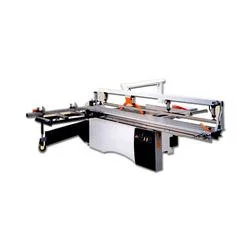
Industrial Table Saw With Sliding Left Extension For Precision Cutting
Professional Recipro Saw With AVT Technology For Low Vibration Cutting
Bedi Steels
Industrial Precision Flat Broaches For Keyway Cutting In Ferrous Non Ferrous Materials
Premium Metal Padmam 2C Cast Iron Scrap For Industrial Use
Industrial Tungsten Carbide Scrap For Recycling And Tool Manufacturing
Deepalakshmi Tools
Heavy Duty Rotary Hammer For Concrete Drilling And Demolition
Industrial Adjustable Wrenches For Professional Maintenance And Repair
Premium Automotive Tools For : Durable, Accurate, Corrosion Resistant
DELLATECNICA
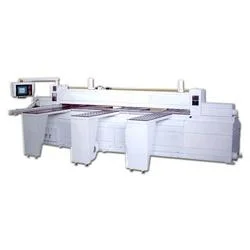
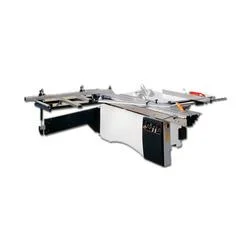
Industrial Panel Saws For Woodworking And Manufacturing Efficiency
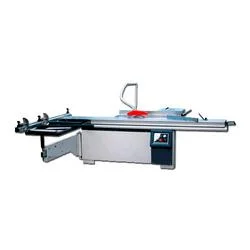
Industrial Precision Panel Saws For Woodworking And Cabinetry
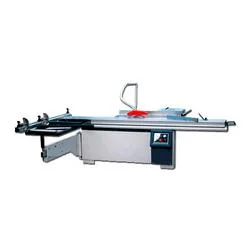
Industrial Heavy Duty Precision Panel Saws For Professional Woodworking
M/S Kapoor Engineeng Tools
Industrial High Carbon Hand Hacksaw Blades For Precision Metal Cutting
Premium Randa Jack Planer Blades For Superior Woodworking Performance
Industrial Alloy Steel Power Hacksaw Blades for Metal Cutting
Why Businesses Trust Pepagora
Thousands of companies trust Pepagora to source smarter and sell faster
Expand Your Sales Globally
25000+Products listed.Get discovered by global buyers
Tools to boost visibility
Build your own catalog

Source Smarter,Grow Faster
4000+Active RFQs
100+ Countries served
Easy Sourcing Tools
